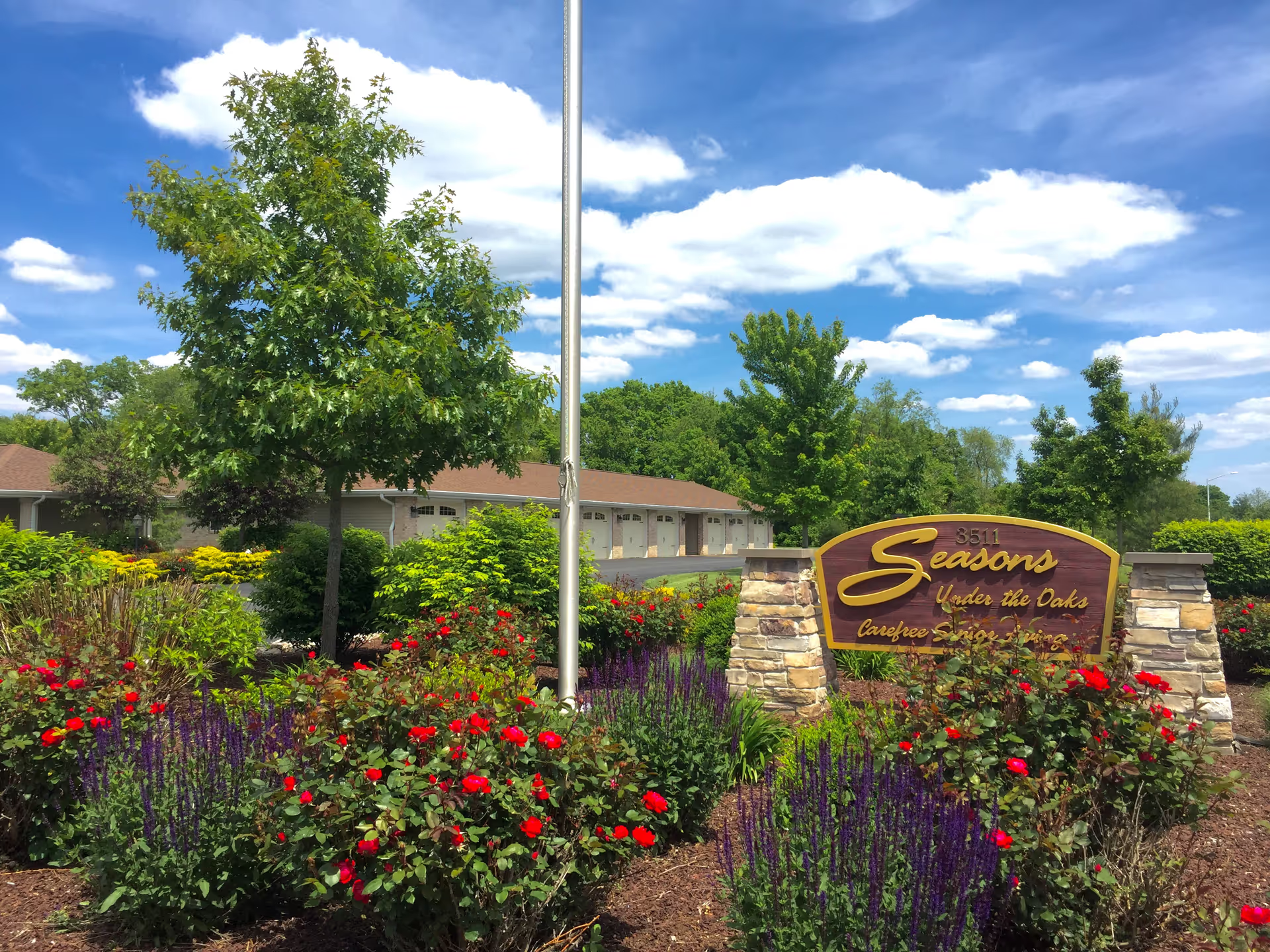
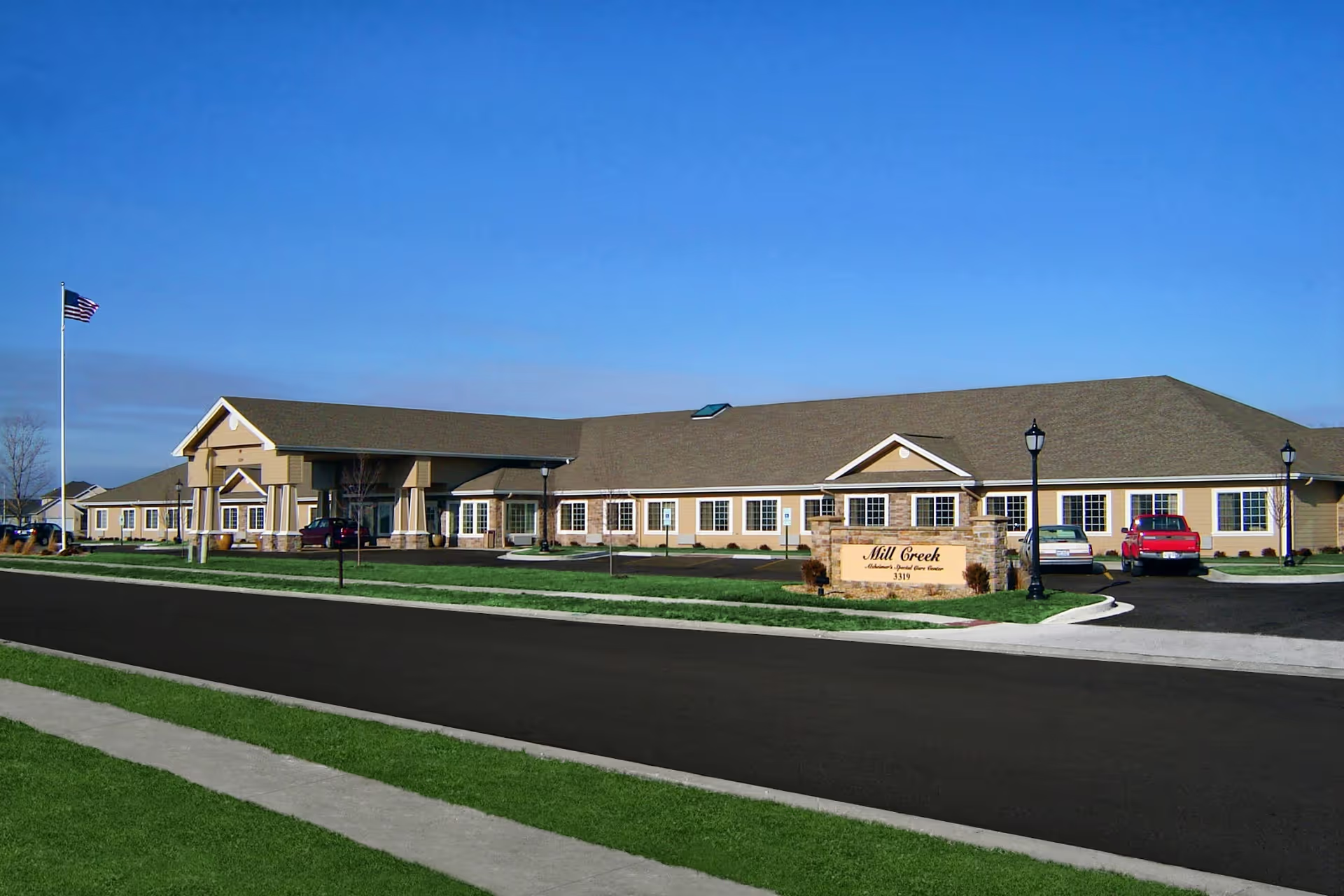
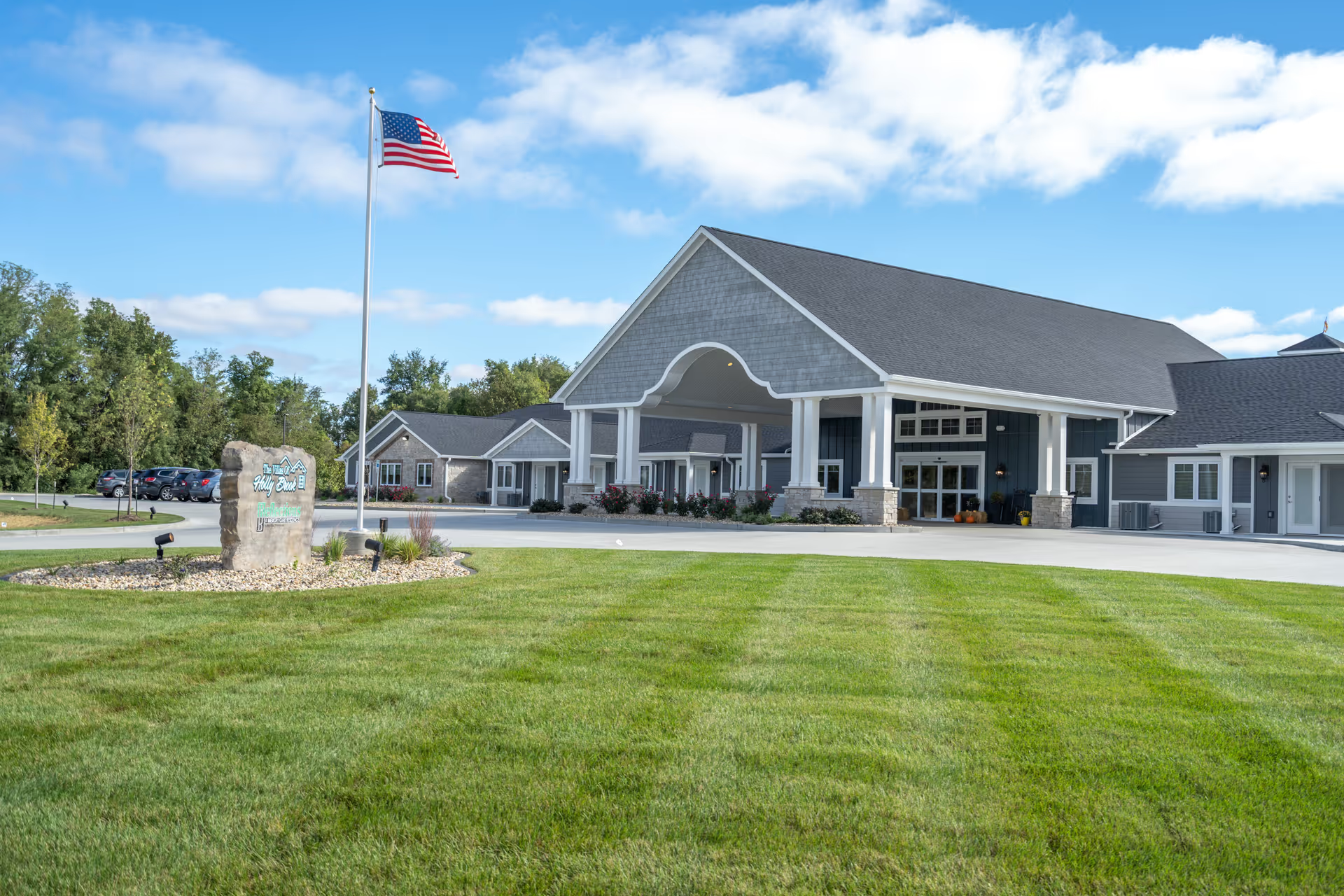
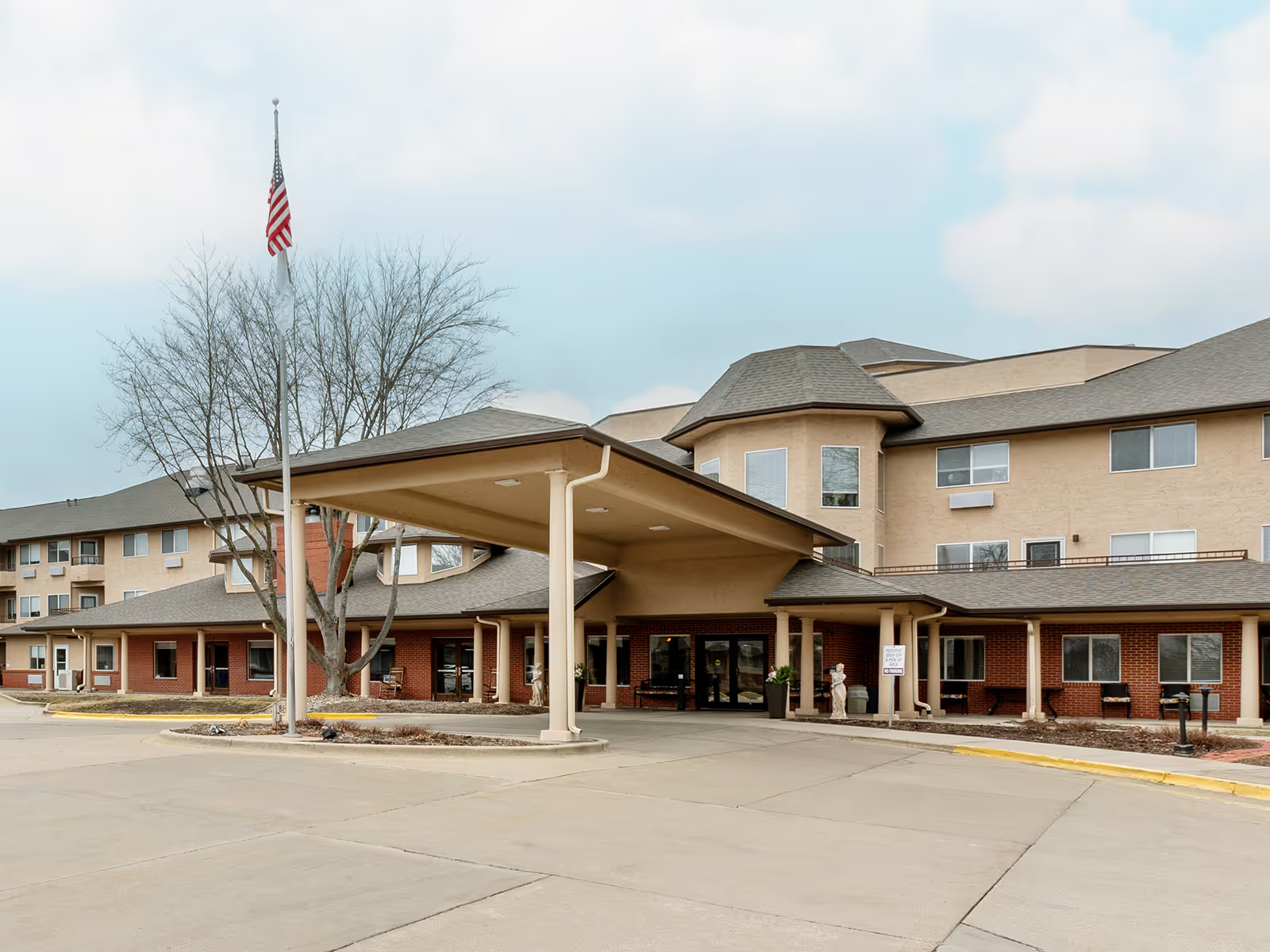
Cedarhurst Senior Living of Springfield receives substantial praise for its physical environment, social programming, dining, and direct-care staff. The community is frequently described as new, clean, and well-appointed, with abundant common spaces (sunlit café, movie room, beauty shop, gardens) and comfortable apartments. Families and residents commonly note a welcoming, family-like atmosphere, personable caregivers, and an active activities calendar that includes live music, seasonal events, outings, and therapy-driven programming that contributes to mobility and mood improvements.
Direct-care staff and aides are repeatedly highlighted as a major strength: reviewers describe them as kind, attentive, and involved in daily needs such as dressing, showering assistance, medication support, and transportation to appointments. The facility’s rehabilitation/physical-therapy team and dining staff also receive positive mentions for contributing to residents’ well-being. Memory-care areas are described as homelike, with familiar furnishings, separate dining, and specialized activities for cognitive support.
At the same time, a consistent cluster of operational concerns appears across reviews. Clinical coverage during night hours and overall staffing consistency are frequent sources of family concern; reviewers report limited or no night nursing coverage and difficulties with evening checks. Medication administration and coordination with hospice services are additional areas of concern, with accounts indicating missed doses and communication gaps between clinical staff and hospice instructions. Shift-to-shift communication weaknesses and episodic safety and emergency-response delays (for example, slow assistance after falls and delayed escalation to higher levels of care) are noted and should be clarified prior to placement. A subset of reviews raises very serious safety-related allegations, including unacceptable conduct and prolonged unattended events; families should ask the provider how such incidents are investigated and what corrective actions are in place.
Management and administrative stability present a mixed picture. Several reviews praise responsive, hands-on leadership and helpful business-office support, and others specifically commend individual administrators and directors. Concurrently, reviewers identify leadership transitions, staff turnover, and perceptions of uneven management professionalism. Cost and billing practices are also a recurring theme: the community is frequently characterized as higher-priced relative to alternatives, with some additional service fees called out by families.
Dining and activities are definite strengths: reviewers emphasize varied, nutritious menus, well-presented meals, themed events, and an active events calendar that supports social engagement. Physical spaces and amenities support that programming and are often described as attractive and well-maintained. Practical care coordination items that emerge as actionable opportunities include clearer hearing and ear-health screening on move-in (to reduce hearing-aid maintenance issues), improved night-time clinical protocols, reinforced medication management and hospice communication procedures, and more consistent shift handoffs.
Overall, Cedarhurst of Springfield appears well suited to residents seeking an attractive, socially active community with attentive direct-care staff and robust programming. Prospective residents and families should balance the facility’s strengths in environment, activities, and direct caregiving against the noted operational risks—especially for individuals with complex clinical or night-time nursing needs—and explicitly review staffing models, medication and hospice protocols, emergency response procedures, and fee structures during the tour and admission process.