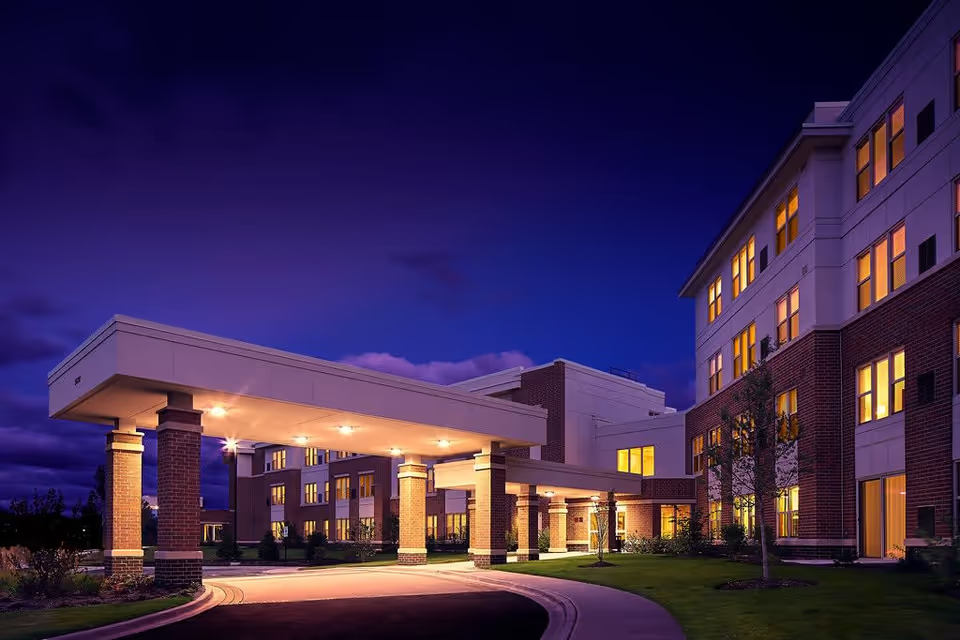
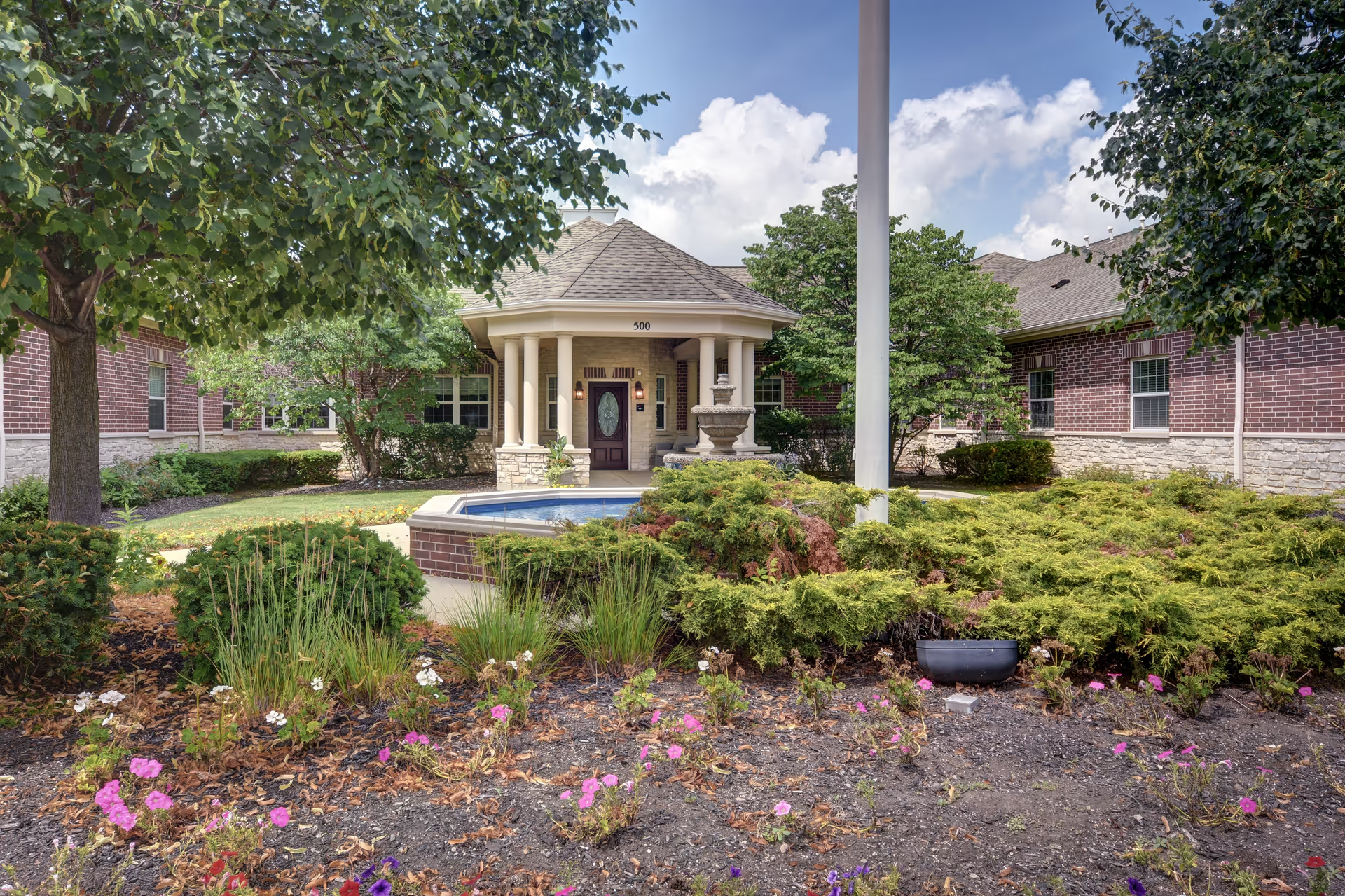
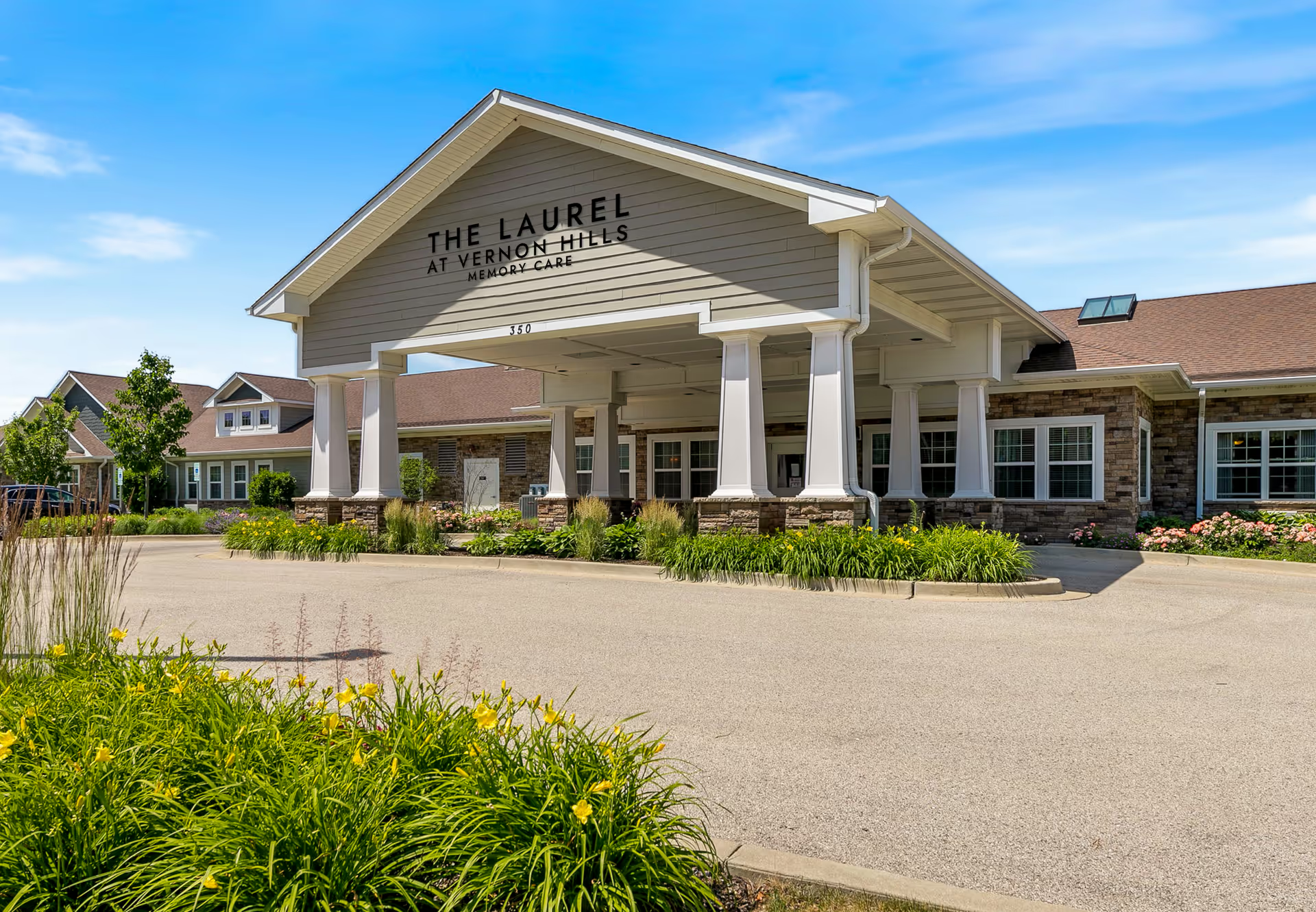
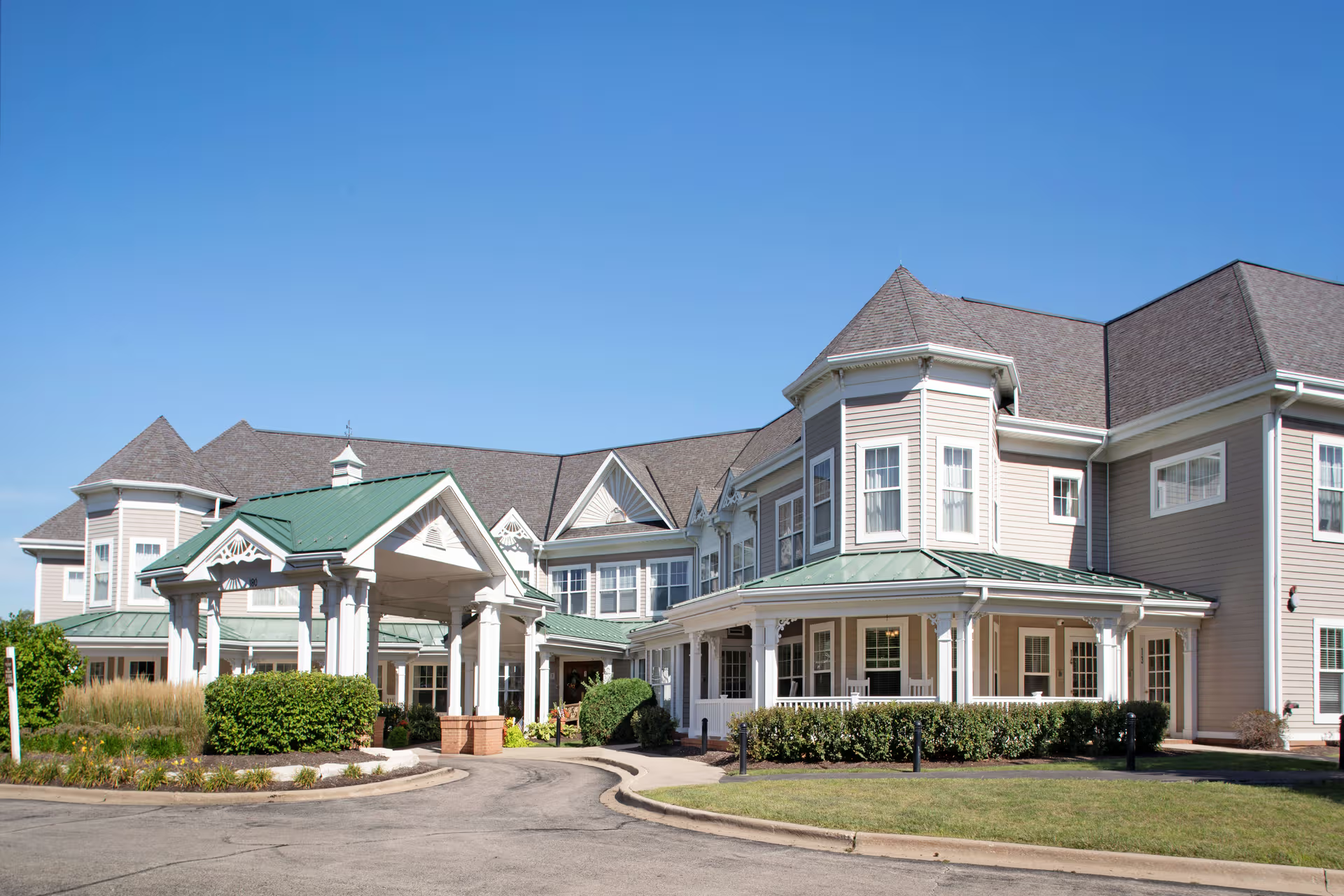
Green Oaks Senior Living presents as a modern, well-appointed community with many physical and programmatic strengths. The building, apartments and common spaces are frequently described as attractive, bright and meticulously designed; many units include full kitchens, in-unit washers and dryers, and private memory-care room options. The grounds, lake and walking trails are consistent positives, and the campus offers plentiful communal space that supports social interaction.
Care and frontline staff receive strong, repeated praise: caregivers, memory-care teams, and activities staff are described as compassionate, attentive and relationship-focused. Multiple accounts highlight individualized attention in memory care, thoughtful direct caregivers, and robust engagement by activities staff that includes games, crafts, exercise, entertainers and holiday programming. On-site therapies and salon services are available and often appreciated.
Dining and food service emerge as a mixed area. When fully staffed and supported, the community offers chef-driven, restaurant-style meals that residents enjoy. However, a recurrent operational theme is inconsistent meal service: understaffed dining rooms, buffet or takeout-style substitutions, limited menu choices (particularly in memory care), long waits, and occasional shortages of plates, utensils or bistro items. These service interruptions and variability in food quality are a primary source of dissatisfaction and contribute to perceptions of poor value for the price.
Operational and management issues are another recurring pattern. Reviews describe high staff turnover, leadership changes, and start-up or transitional “growing pains” that have affected service continuity. Families cite communication gaps, billing and insurance-processing errors, and instances where clinical leadership or administrative responsiveness was inadequate for complex situations. Housekeeping and laundry services are characterized as inconsistent at times, and there are concerns about training and procedural consistency across departments.
Memory care receives both praise and caution in the feedback: staffing and direct-care relationships are often lauded, and programming can be active and meaningful, but reviewers also note limitations such as fewer dining choices, less frequent off-campus outings, and perceptions that memory-care programming or clinical oversight is sometimes inferior to assisted living services. Medication-management and nursing-administration concerns are mentioned enough to warrant direct inquiry during visits.
For prospective residents and families: Green Oaks offers many desirable physical features and an energetic activities program, and it can provide compassionate day-to-day care when staffing is stable. Before committing, consider asking specific, operational questions during a tour—staffing ratios by shift, recent leadership tenure, medication-management protocols, average dining-room coverage and backup plans, housekeeping and laundry schedules, billing/fee policies, and examples of memory-care outings. These targeted inquiries will help assess current operational stability and whether the community’s strengths align with the prospective resident’s priorities.