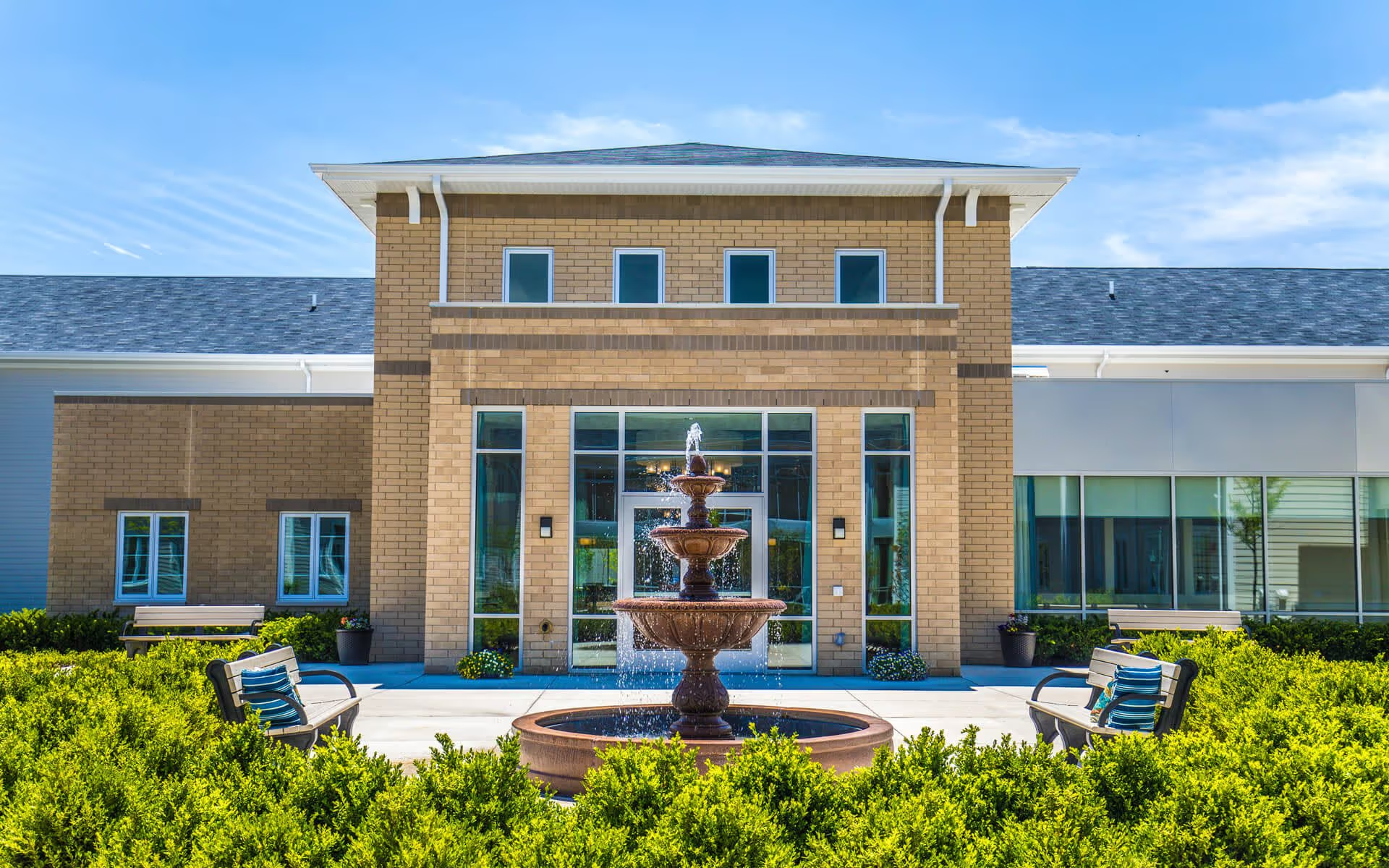
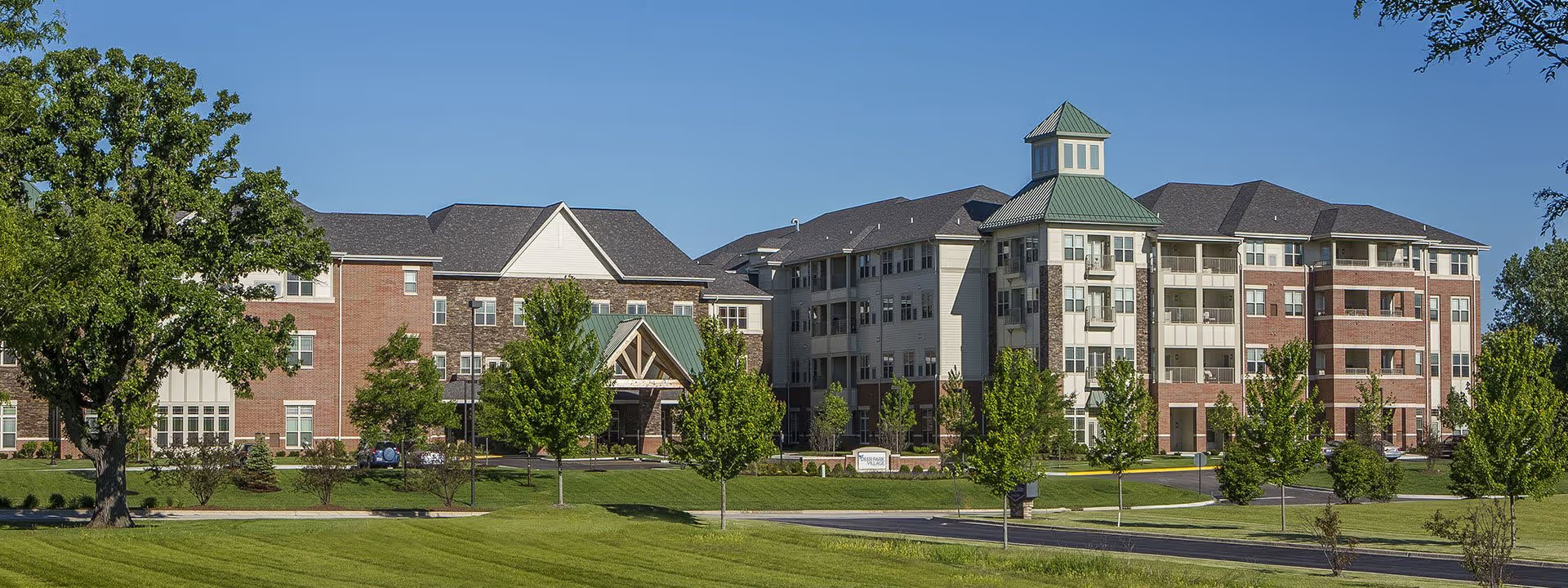
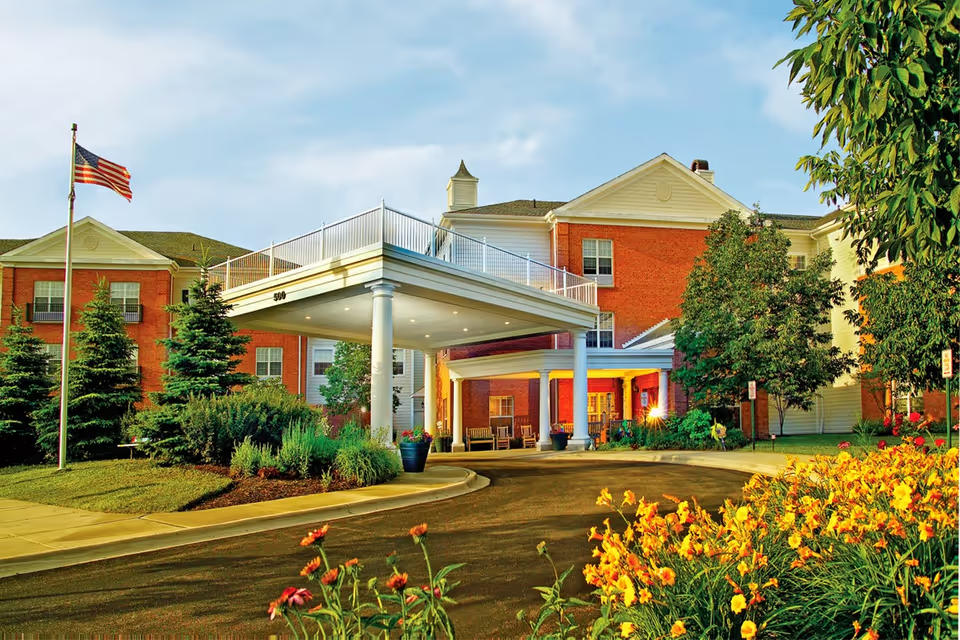
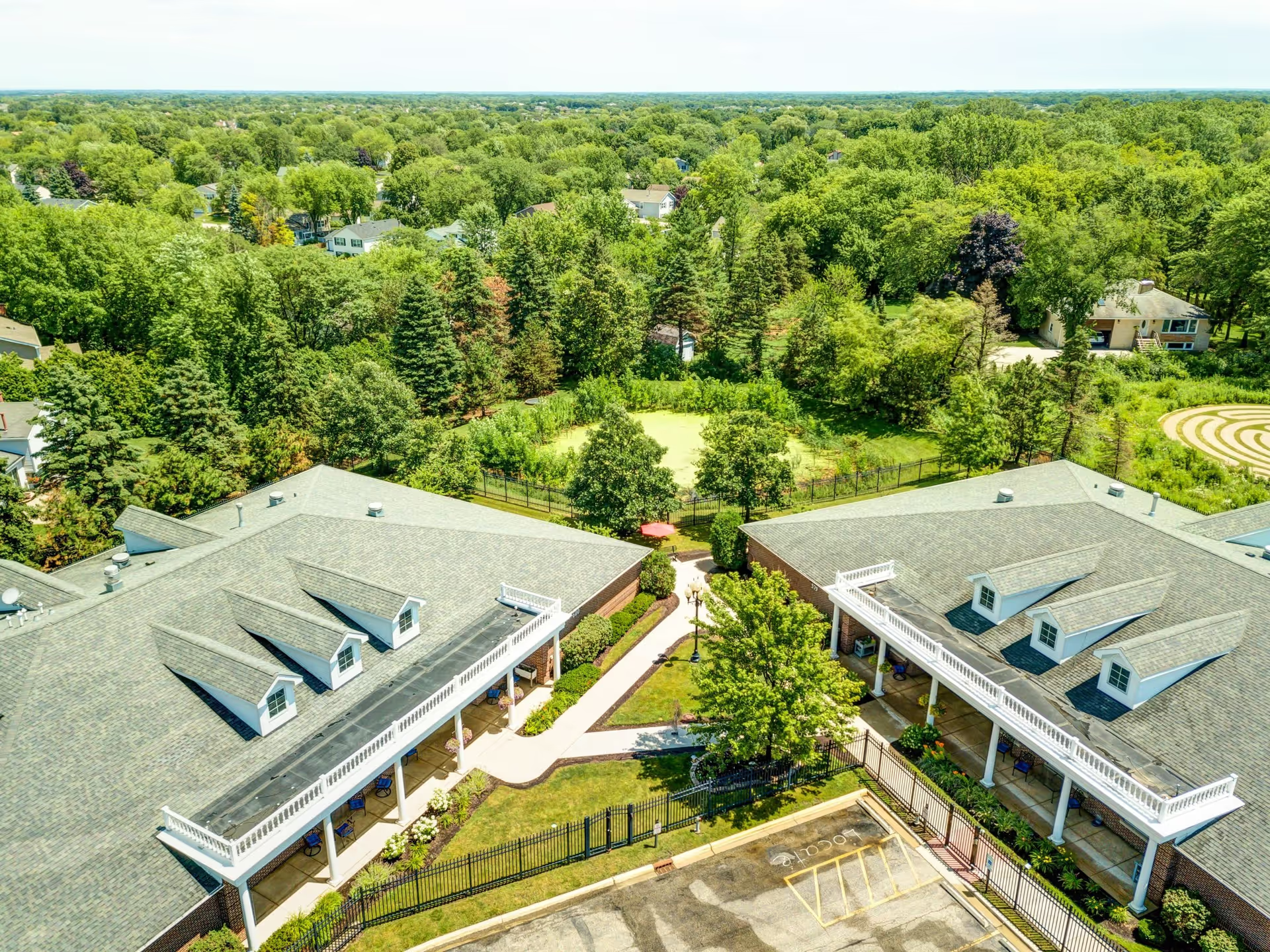
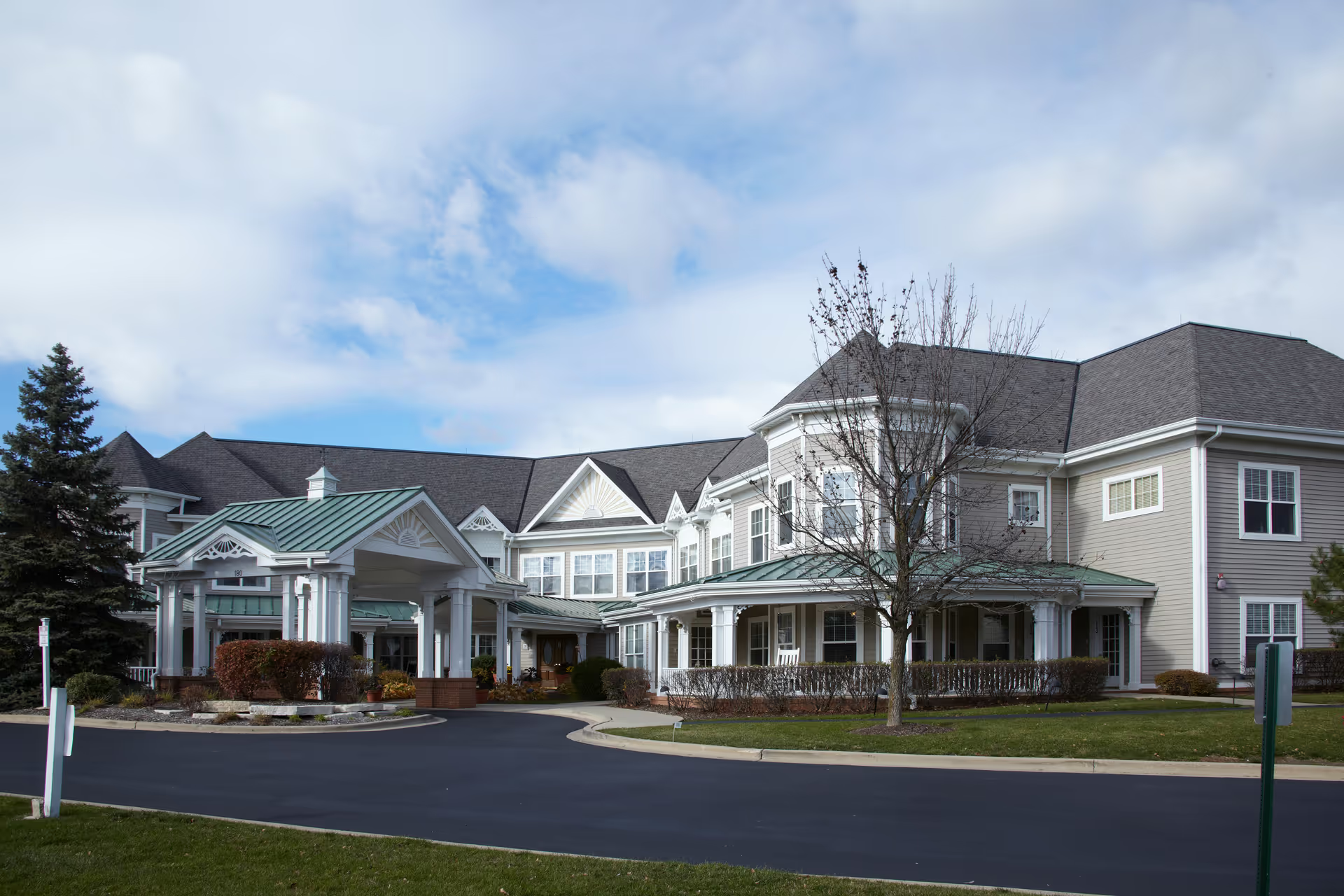
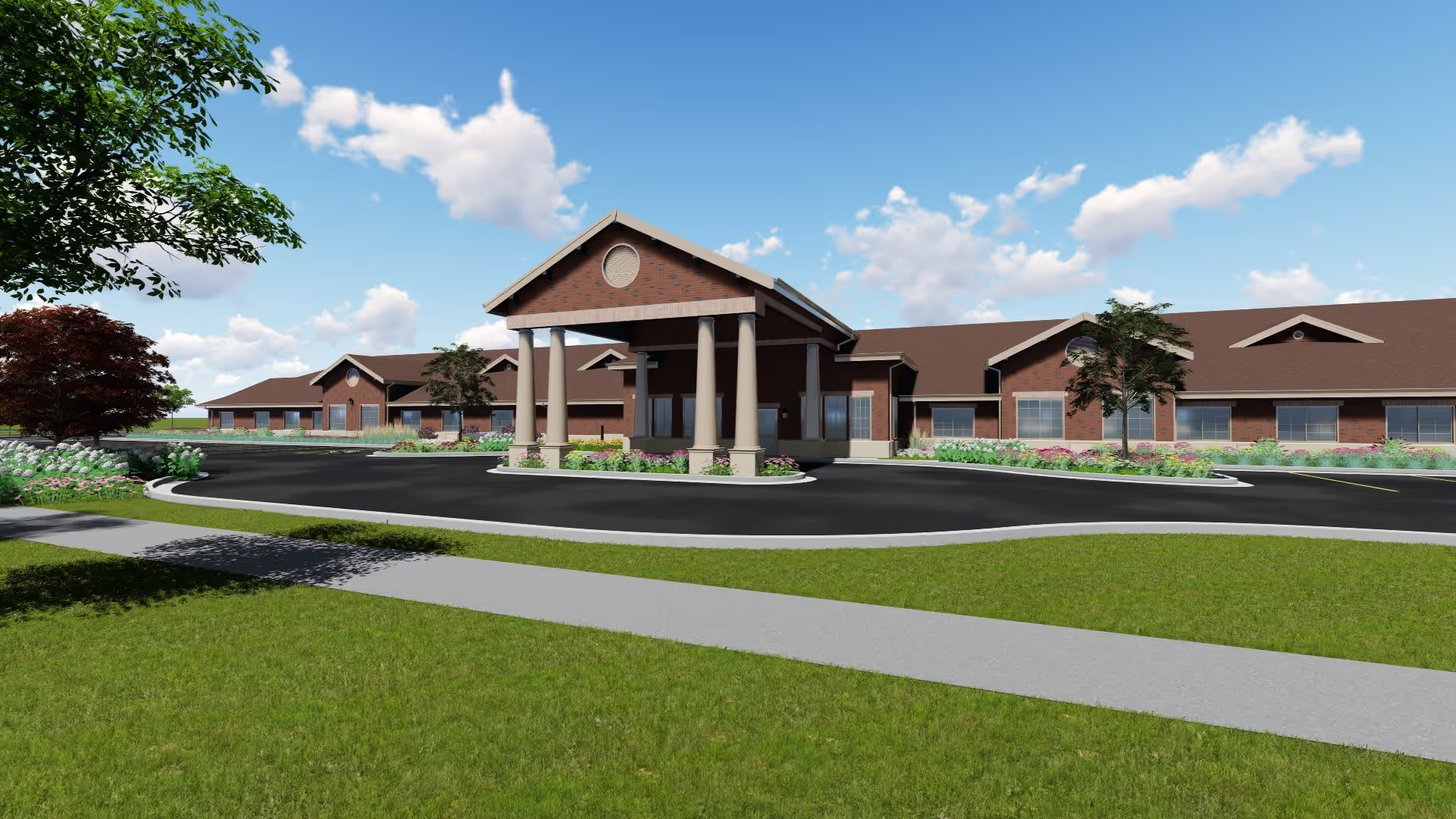
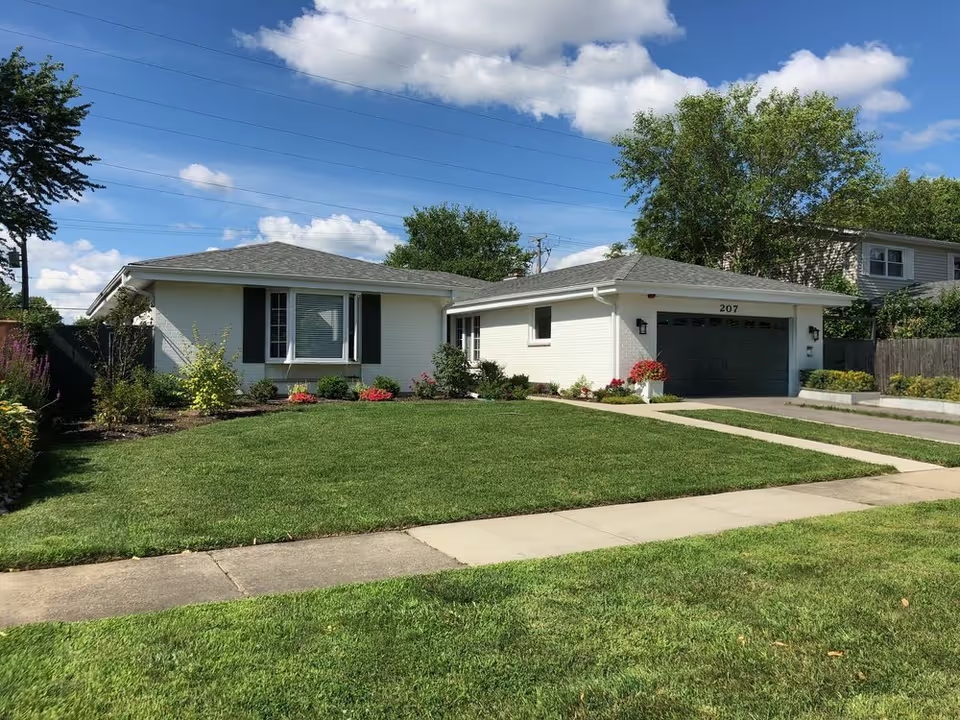
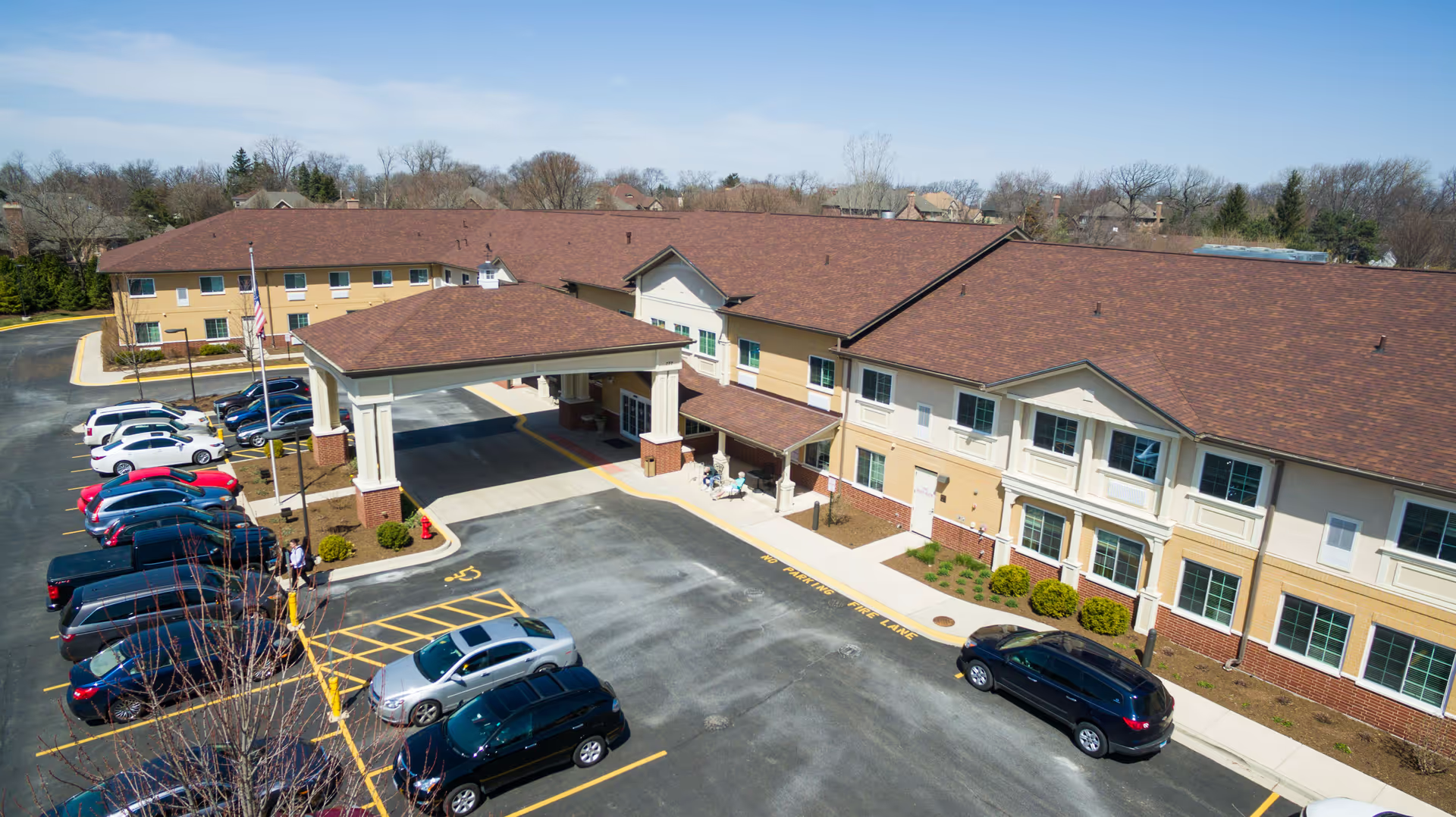
New Perspective Senior Living - Long Grove presents a mixture of notable strengths and recurring operational concerns. Strengths that appear consistently include a warm, resident-focused caregiving culture and a clinical team that includes on-site nursing and therapy services. Many families describe caregivers and nurses as attentive and compassionate, with therapists and nursing supervisors cited by name in positive accounts. The facility's physical environment is often praised: a boutique, hotel-like presentation, comfortable apartments, private dining rooms, a pleasant patio and attractive landscaping contribute to a welcoming atmosphere. Maintenance and housekeeping receive positive remarks in many accounts, as do efficient move-in and admission processes.
Dining and activities are clear selling points for many residents. Multiple accounts highlight restaurant-quality meals, varied menus, and appealing presentation; at the same time the activities program—arts and crafts, live music, games, bingo, and offsite trips—generates strong resident engagement and a lively social calendar. Transportation services for errands and lunches and frequent family-oriented events are additional positives that support socialization and family involvement. Several reviewers also noted effective hospice coordination and individualized end-of-life support.
Counterbalancing those strengths are operational patterns that prospective residents and families should investigate. Staffing instability and turnover are recurring themes that can affect continuity of care, activity delivery, and resident experience. Some families described sanitation and odor concerns localized to particular areas, which suggests inconsistency in housekeeping or incontinence-care processes. Multiple accounts raise concerns about delays in responding to pendant calls and about variability in medication administration timing; both are service-quality items that relate directly to resident safety and well-being. Additionally, there are reports of gaps in security and access-control procedures and instances of uneven follow-through from leadership and corporate management, particularly during ownership or management transitions.
Dining quality and consistency appear mixed: while many praise the dining program, other families describe declines in food quality, menu deviations from expectations, or nutrition concerns associated with processed items. Activity programming and transportation reliability also vary across accounts—promised outings and all-day activities are sometimes not delivered as expected. Finally, there are isolated but notable complaints about contractual or billing disputes and uneven family communication or escalation pathways, which have in some cases led to unresolved concerns with corporate staff.
Overall, this community offers many of the amenities and a caregiving culture that families seek—good clinical presence, engaging activities, and a well-appointed environment—while exhibiting operational inconsistencies that merit direct inquiry. Prospective residents should tour the community, observe dining and activities in person, and ask specific questions about current staffing levels and turnover, call-response times and pendant protocols, medication-administration procedures, security and access controls, recent ownership or leadership changes, and contractual terms and billing policies. Those steps will help families weigh the facility's evident strengths against the operational risks described above.