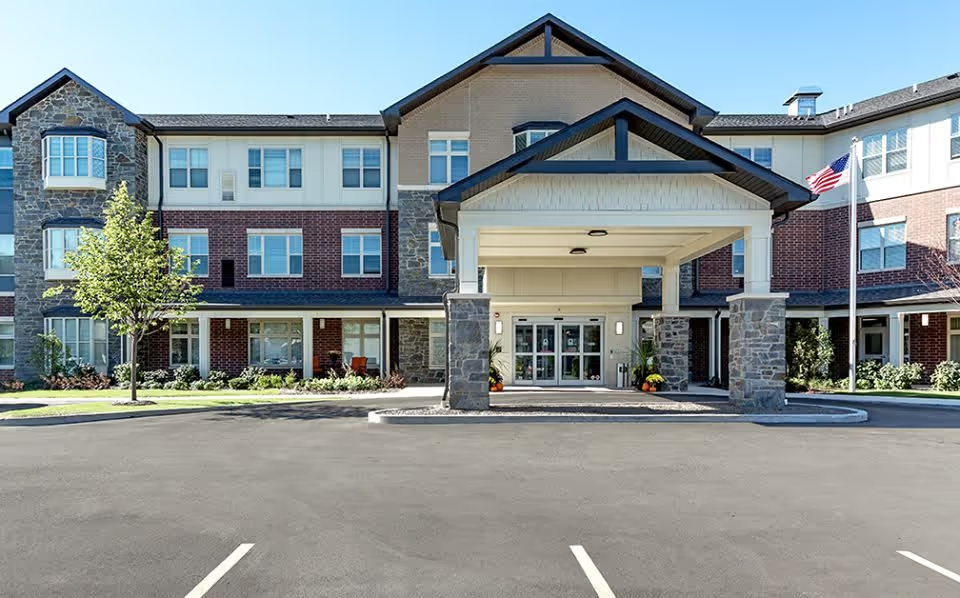
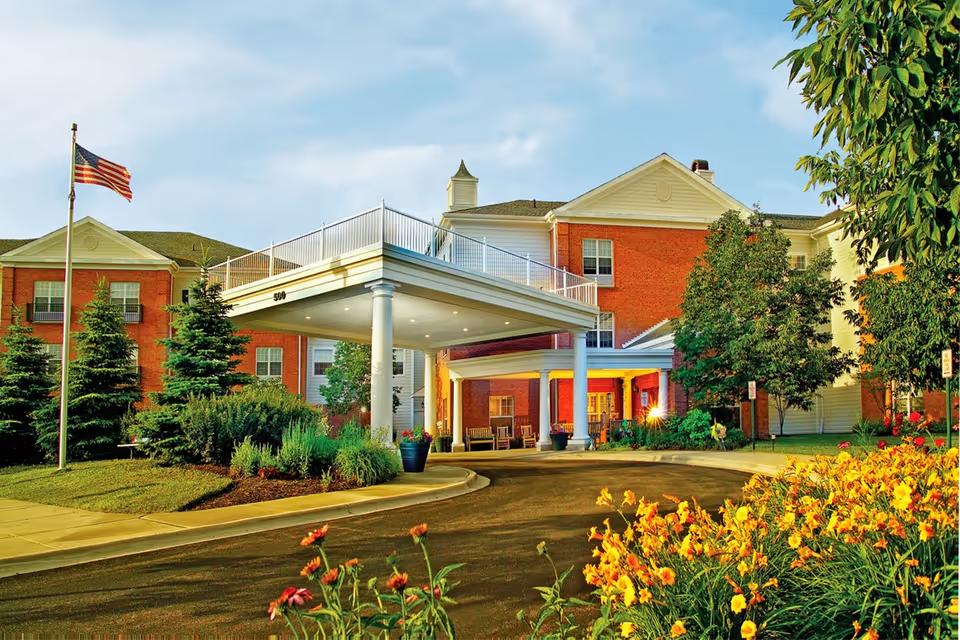
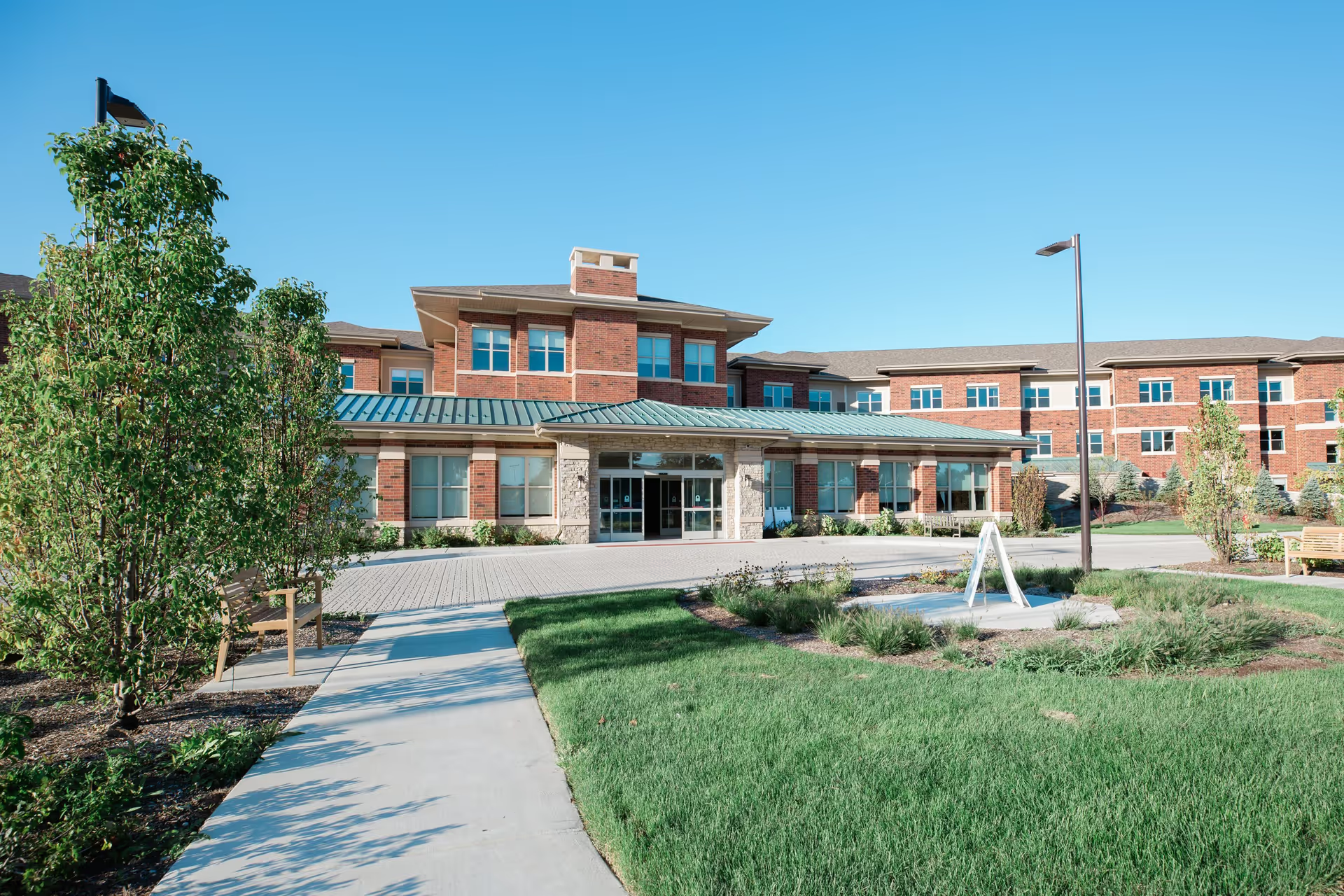
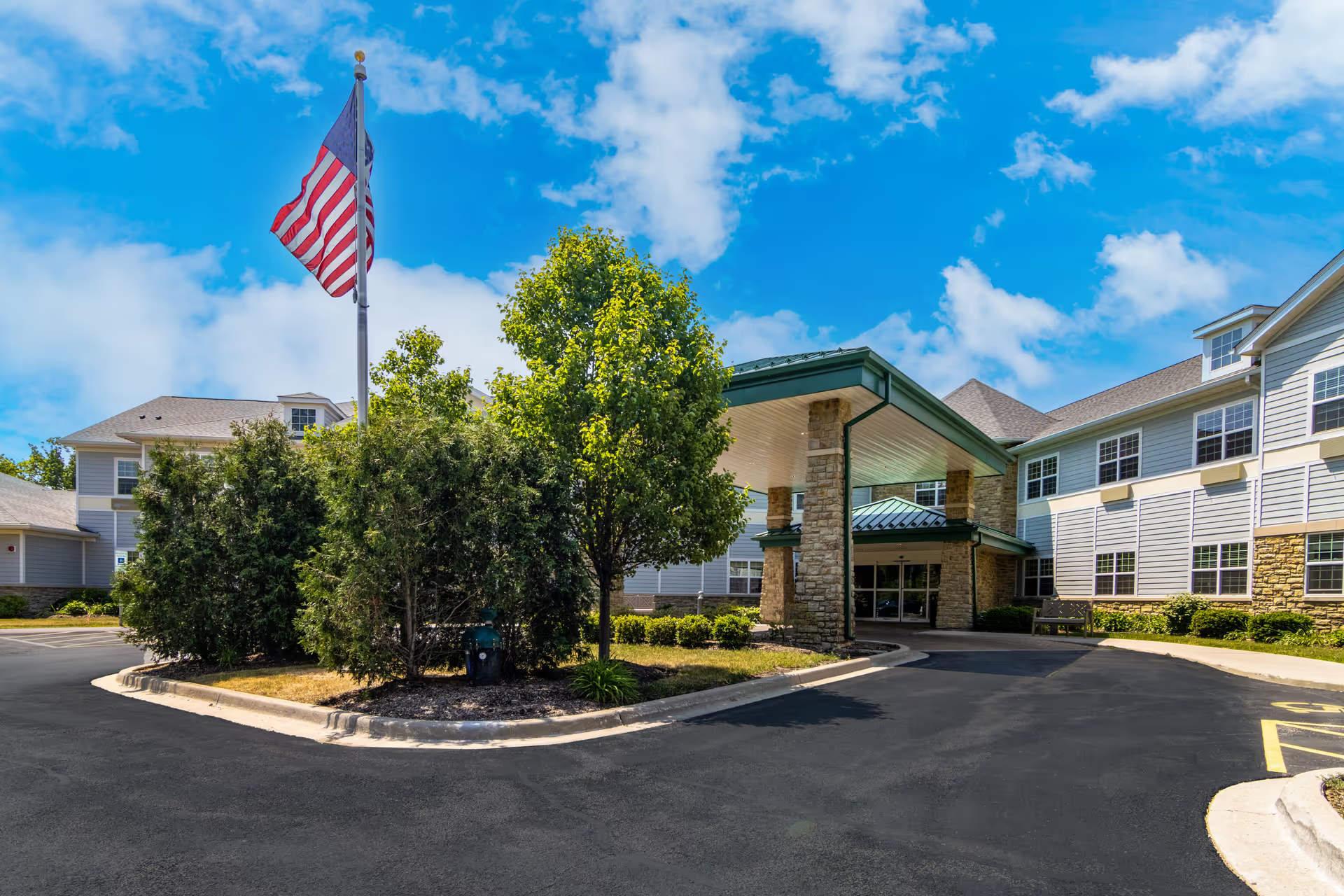
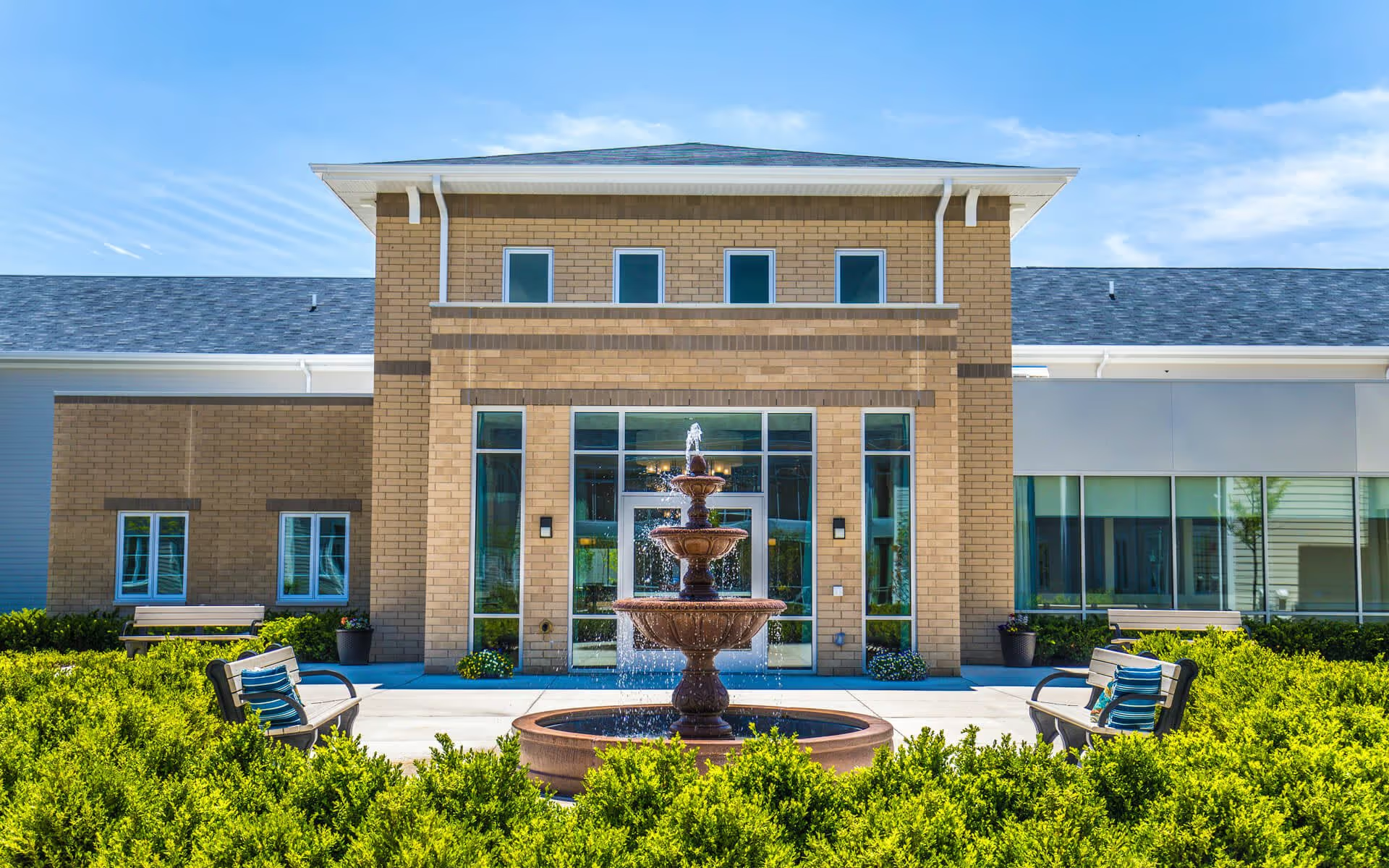
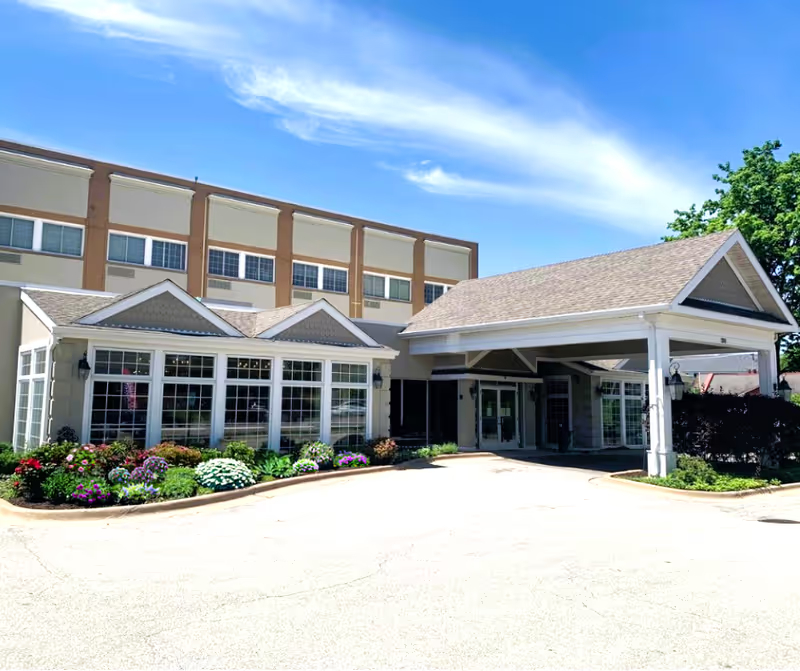
Overall impression: The facility is consistently described as clean, well maintained and deliberately designed for memory-care residents. Families and visitors commonly note a hotel-like yet homey atmosphere, wide well-lit corridors, a secure courtyard and a one-floor layout that aid navigation and safety. Physical spaces — including private and shared room options, in-room showers, patios and welcoming common areas — receive frequent praise, as do visible infection-control measures implemented during the pandemic.
Care quality and staff: Care is generally characterized as attentive, compassionate and dementia-focused. Reviewers emphasize a favorable staff-to-resident ratio, engaged CNAs and nursing involvement, and respectful, personalized interactions that preserve resident dignity. Clinical strengths cited include in-house physical therapy, active nurse-practitioner participation and coordinated hospice transitions for end-of-life care. At the same time, there are recurring operational concerns about clinical follow-through — examples such as inconsistent use of assistive equipment or compression garments and instances of functional decline after stays suggest the facility should be queried about protocols for therapy continuity, equipment management and oversight of care plans.
Dining and daily life: Dining receives strong marks for varied, healthful and accommodating menus, along with routine snacks and treats. The community maintains a predictable daily schedule and offers many activities tailored to cognitive and physical ability levels — from morning exercise classes to creative programming, therapy-animal visits and pre-COVID outings. Move-in and orientation support are also cited as strengths, with staff helping personalize rooms and smoothing transitions.
Facilities and safety features: The building design and physical safety elements are repeatedly praised: wide hallways, secure outdoor spaces, fall sensors and a layout that facilitates supervised wandering. Amenities such as attractive decor, lounge areas, dining rooms, and outdoor access contribute to a comfortable environment. Those prioritizing dementia-specific design and small-community scale (roughly sixty residents) will likely find these features reassuring.
Management and communication patterns: Many families describe positive interactions with directors and front-line staff, noting warm tours and engaged leadership. However, a consistent pattern of concerns centers on communication and operational transparency. Specific themes include inconsistent family notifications following incidents or discharges, variable responsiveness from management, and questions about billing practices and price changes. These items suggest variability in administrative processes rather than a wholesale absence of oversight.
Notable patterns and recommendations: The dominant pattern is strong, person-centered care delivered in a clean, well-appointed environment with staff who are engaged and experienced in dementia care. Counterbalancing this are intermittent operational weaknesses around family communication, clinical follow-through (including equipment/therapy coordination) and billing transparency. Prospective residents and families would benefit from asking targeted questions during a tour about the facility’s incident-notification protocol, fall-prevention program, staff turnover and training, specific clinical oversight (nursing and therapy plan reviews), and written billing/price-change policies. Doing so will clarify whether the facility’s operational practices align with the generally positive caregiving reputation described by most families.