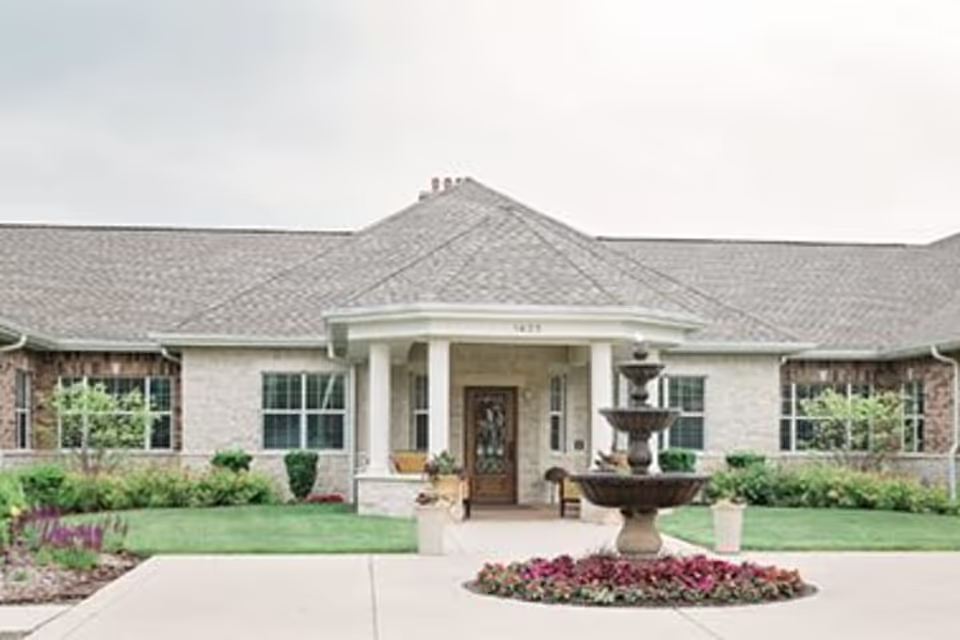
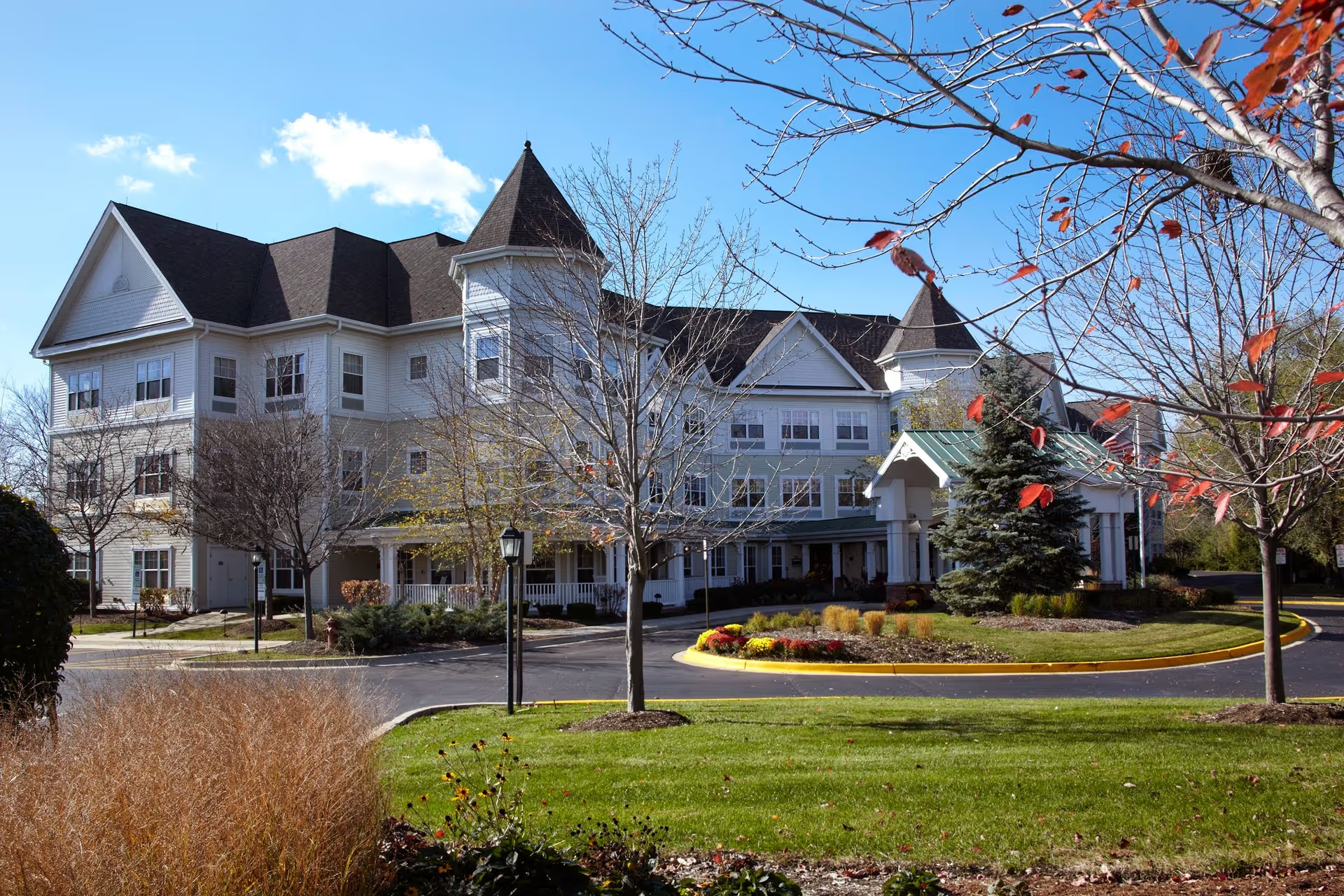
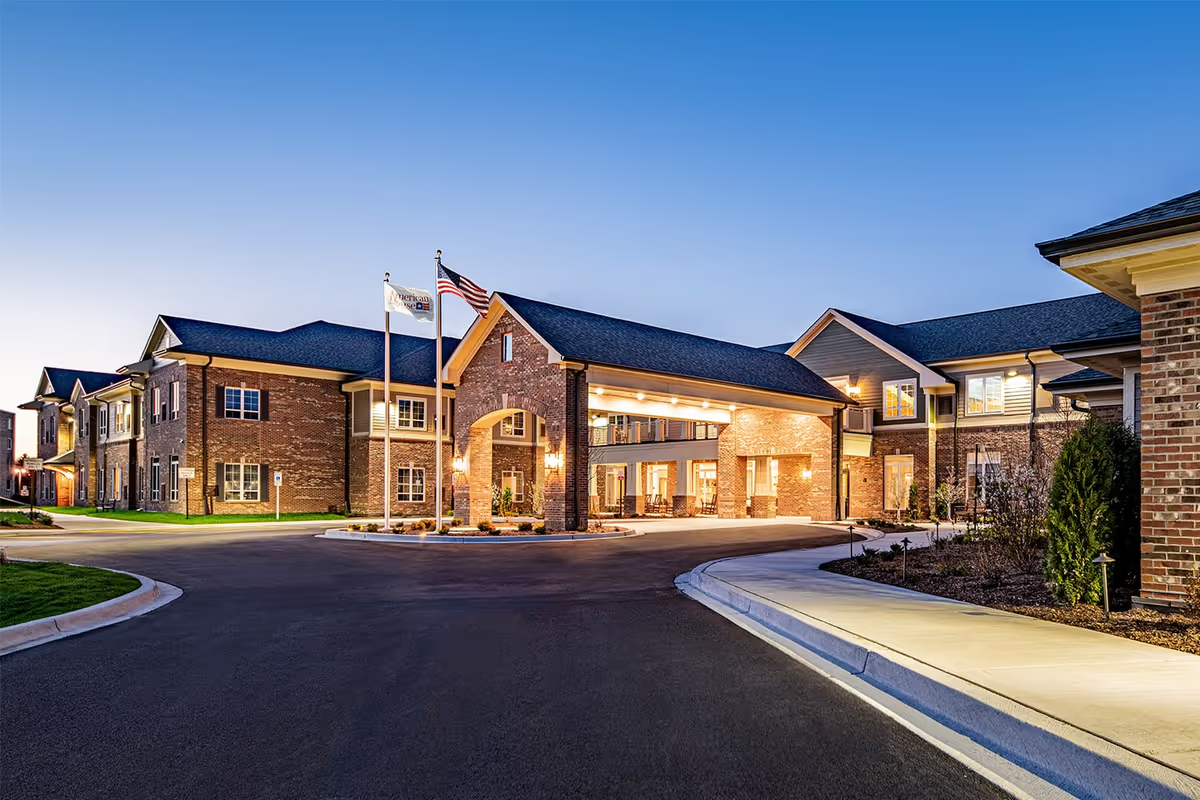
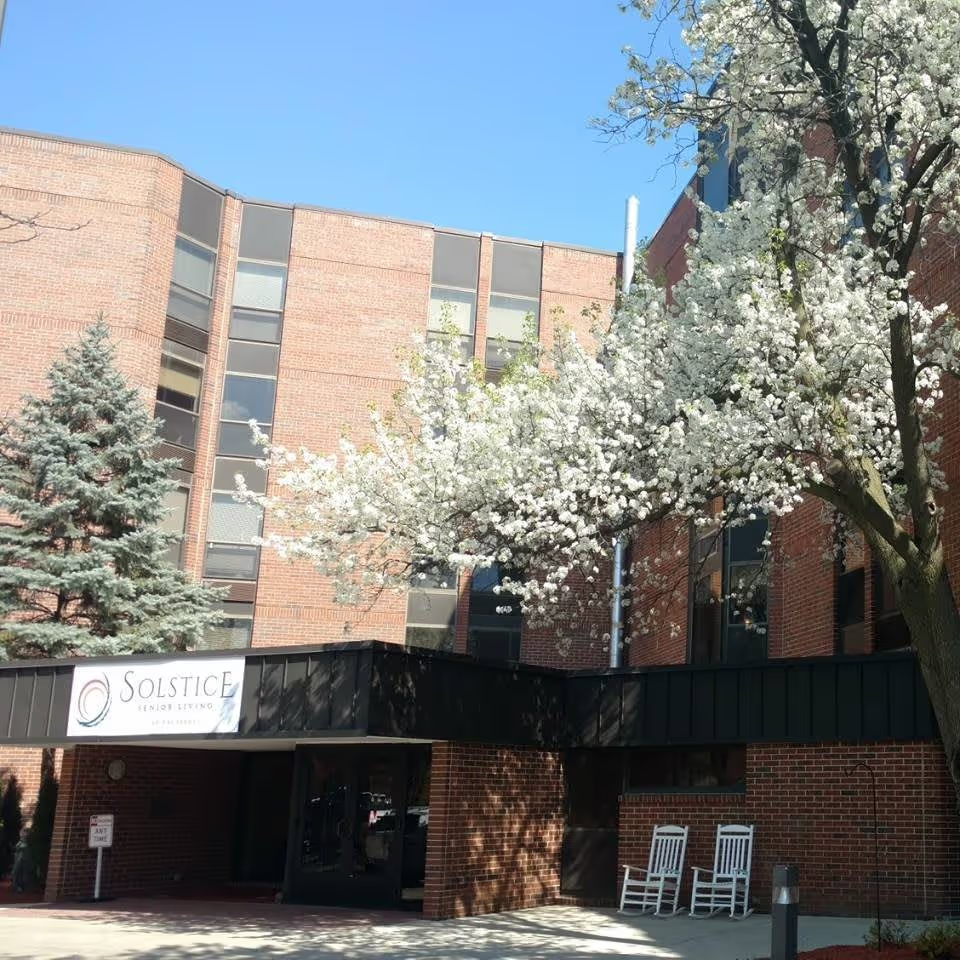
Plum Creek Supportive Living is a mid-sized, converted-hotel supportive living community offering a broad set of on-site services: 24-hour nursing coverage, visiting clinicians (dentist, podiatrist, physician access), physical therapy, laundry and apartment cleaning service, and both communal dining and café-style spaces. The property is described as convenient to hospitals and highways and contains a mix of renovated public areas (lobby, dining, front café) alongside portions of the building that retain older finishes consistent with a converted structure.
Care and staff quality are the most mixed elements in the feedback. Many families and long-term residents describe attentive, proactive CNAs and supportive nursing staff who perform regular meal checks and are perceived as kind and helpful. Conversely, other accounts describe delays in responsiveness, concerns about staff conduct or professionalism, and variability in clinical skill levels. Short staffing and turnover are cited as contributors to these inconsistencies; reviewers who are satisfied frequently highlight specific staff members and long tenures, while less positive accounts attribute problems to inconsistent coverage and responsiveness.
Dining and activities are generally strengths but show variability. Numerous reviewers praise the dining spaces, plentiful snacks, and meals that some describe as excellent; the community also offers frequent activities (bingo, crafts, movie nights, happy hour) and regular outings that support socialization. At the same time, a subset of comments notes uneven meal quality and occasional dissatisfaction with food. Activity programming is appreciated when it is active and ramping up, though some reviewers find programming inconsistent over time.
The facility's physical condition is uneven: renovated, bright common areas and a redecorated lobby coexist with sections described as worn, with aging carpeting, furniture, and occasional odor concerns in bathrooms and hallways. Laundry and cleaning services receive positive remarks from multiple residents, but sanitation and odor control are cited as intermittent issues in certain areas. Accessibility features such as elevators and apartment layouts are generally noted as functional and appropriate for supportive living.
Management and administrative interactions also show mixed experiences. Several reviewers commend helpful admissions staff, knowledgeable tours, financial accommodation for income-qualified residents, and an affordable option for low-income seniors. Other accounts describe unresponsiveness to prospective families, limited availability of administrators, restrictions on resident movement or amenity use, and occasional billing or value concerns for private-pay residents. Maintenance responsiveness is another area with variability: some mention slow repairs.
Overall, the pattern is polarizing: many long-term residents and families report a supportive, social environment with good care, engaging activities, and useful services, while a number of other accounts raise operational concerns around staffing consistency, certain areas of cleanliness and facility upkeep, and administrative communication. Prospective residents and families would benefit from an on-site visit during peak activity times, direct conversations about staffing ratios and maintenance practices, and written clarification of amenity and movement policies to align expectations with current conditions.