Alden Terrace of McHenry elicits strongly mixed impressions. Many families and short-stay rehabilitation patients describe compassionate, dedicated bedside staff, effective physical and occupational therapy, and a generally supportive social-services team that can be responsive with coordination and discharge planning. At the same time, there are persistent operational weaknesses that create variability in the resident experience — most notably staffing levels, dining service, and facility condition.
Care and staff: Numerous reviews praise individual nurses, CNAs, and therapists for patient-centered care, patience, and rehabilitation skill. These strengths are repeatedly tied to positive short-term rehab outcomes and to staff who make families feel comfortable. Counterbalancing that, a consistent theme is chronic understaffing that contributes to long response times to call signals, delays in routine care (including hygiene and catheter checks), and concern about continuity of clinical oversight. Communication issues appear in two forms: inconsistent clinical communication and medication-management delays, and language barriers when direct-care staff have limited English proficiency. Both types of communication problems reduce reliability of day-to-day clinical coordination.
Dining and nutrition: Dining feedback is polarized. Some reviewers describe a warm dining room and adequate portions with snacks available. Others note repeated issues with meal temperature, presentation, and quality — including cold entrees, undercooked vegetables, and an overall sense of inconsistent meal service. Families should expect variability in culinary execution and temperature control between shifts.
Activities and therapy: The facility receives frequent praise for rehabilitation services and activity programming. Physical and occupational therapy staff are often described as skilled and outcome-focused, and activities such as bingo, karaoke, gardening, and animal visits are referenced positively. Long-term residents, however, sometimes report an institutional atmosphere and fewer individualized long-stay social offerings compared with the short-stay rehab population.
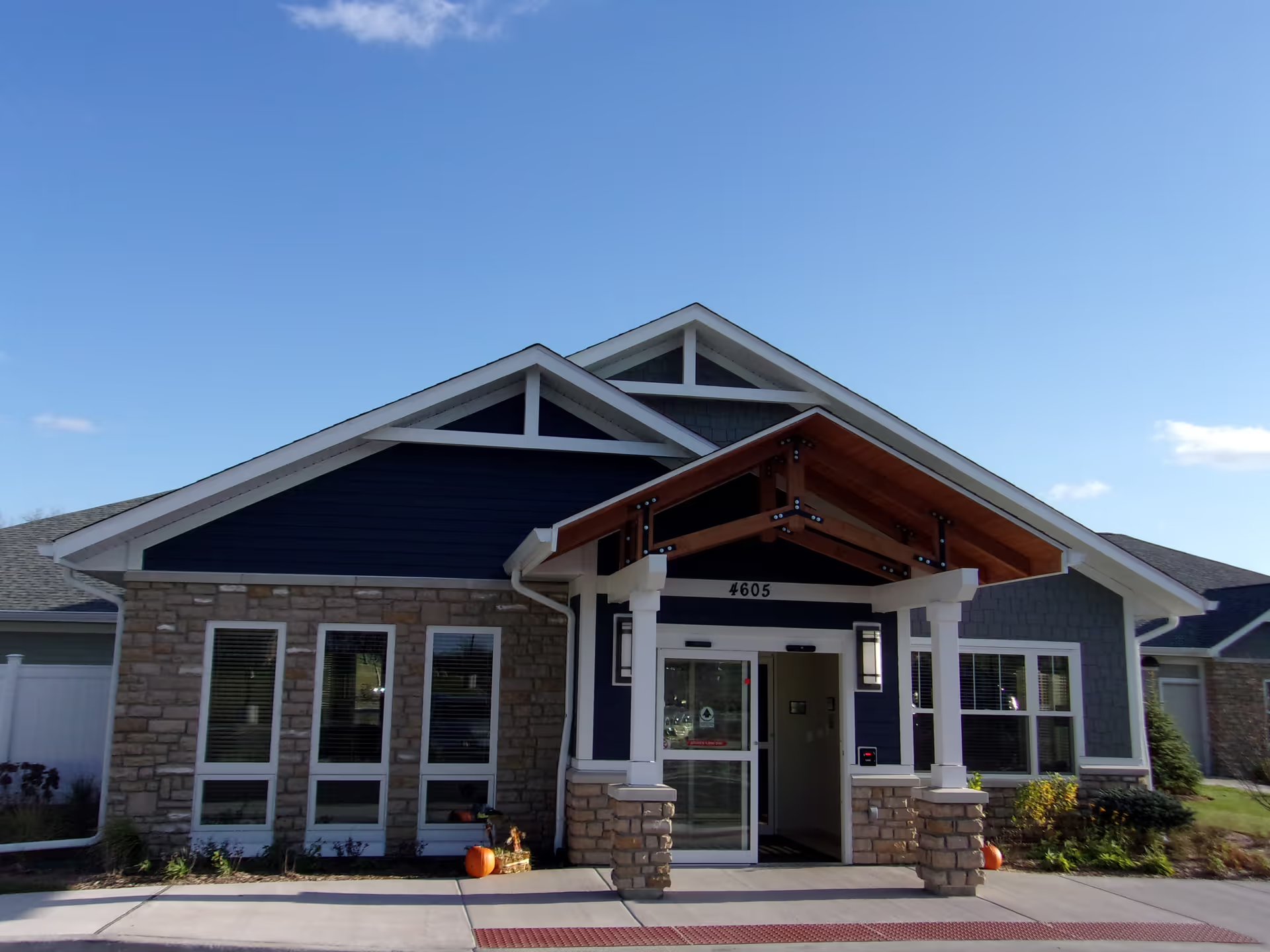
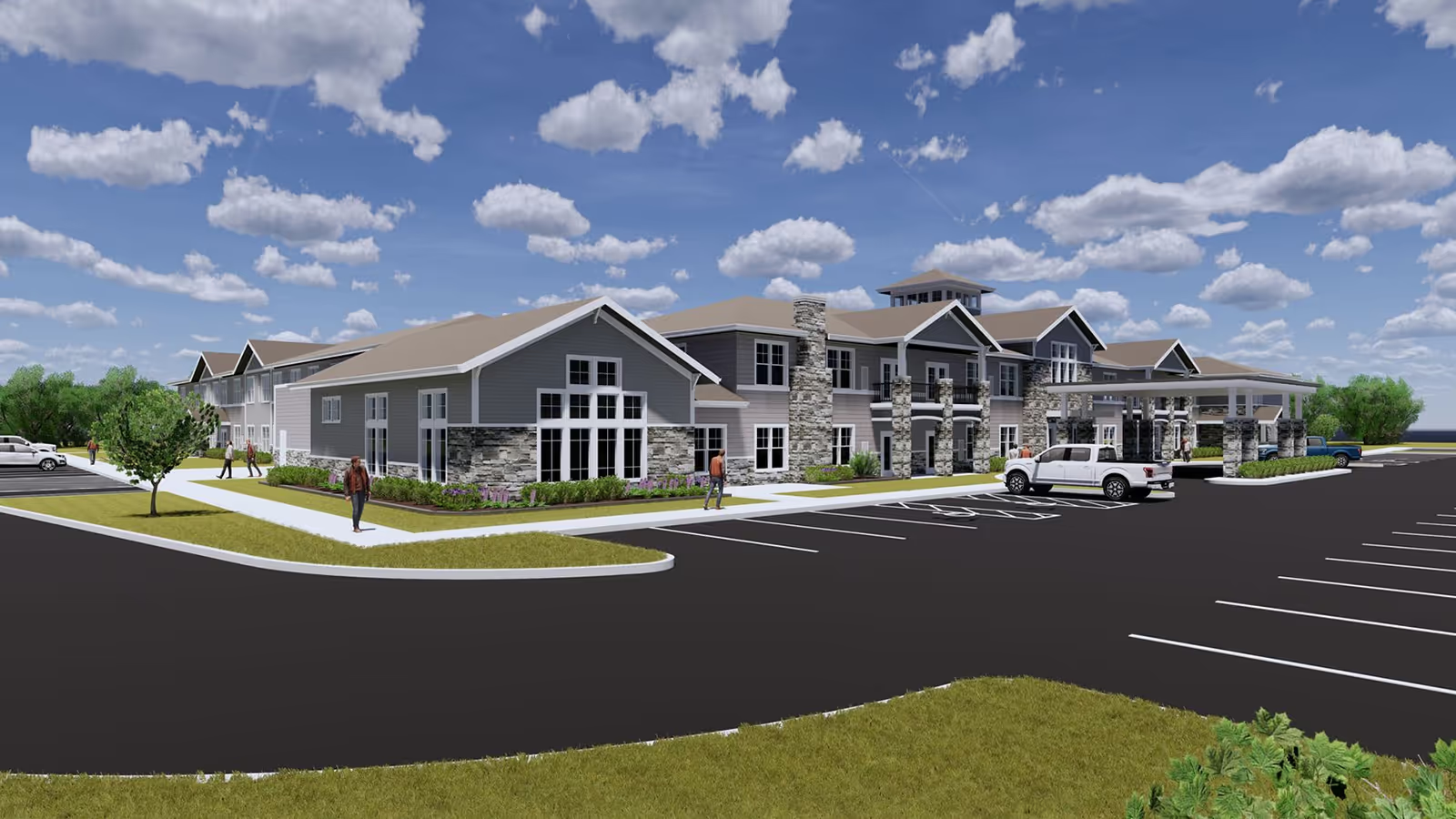
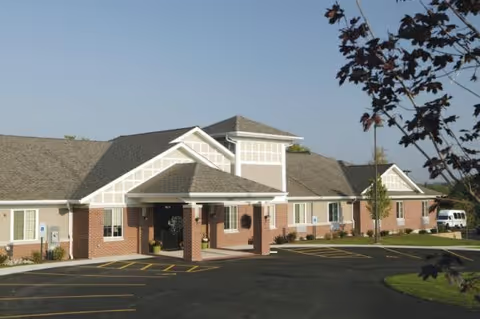
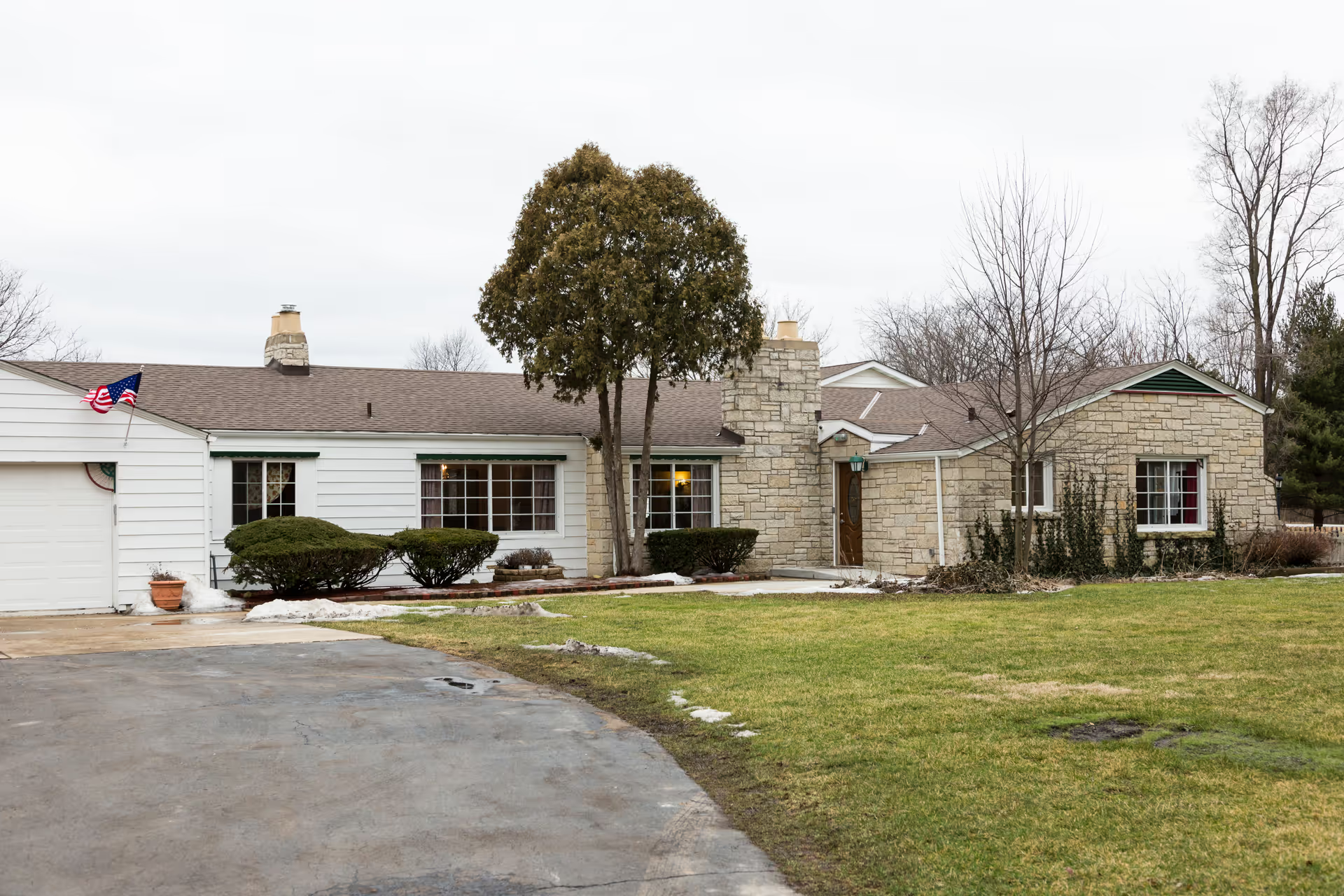
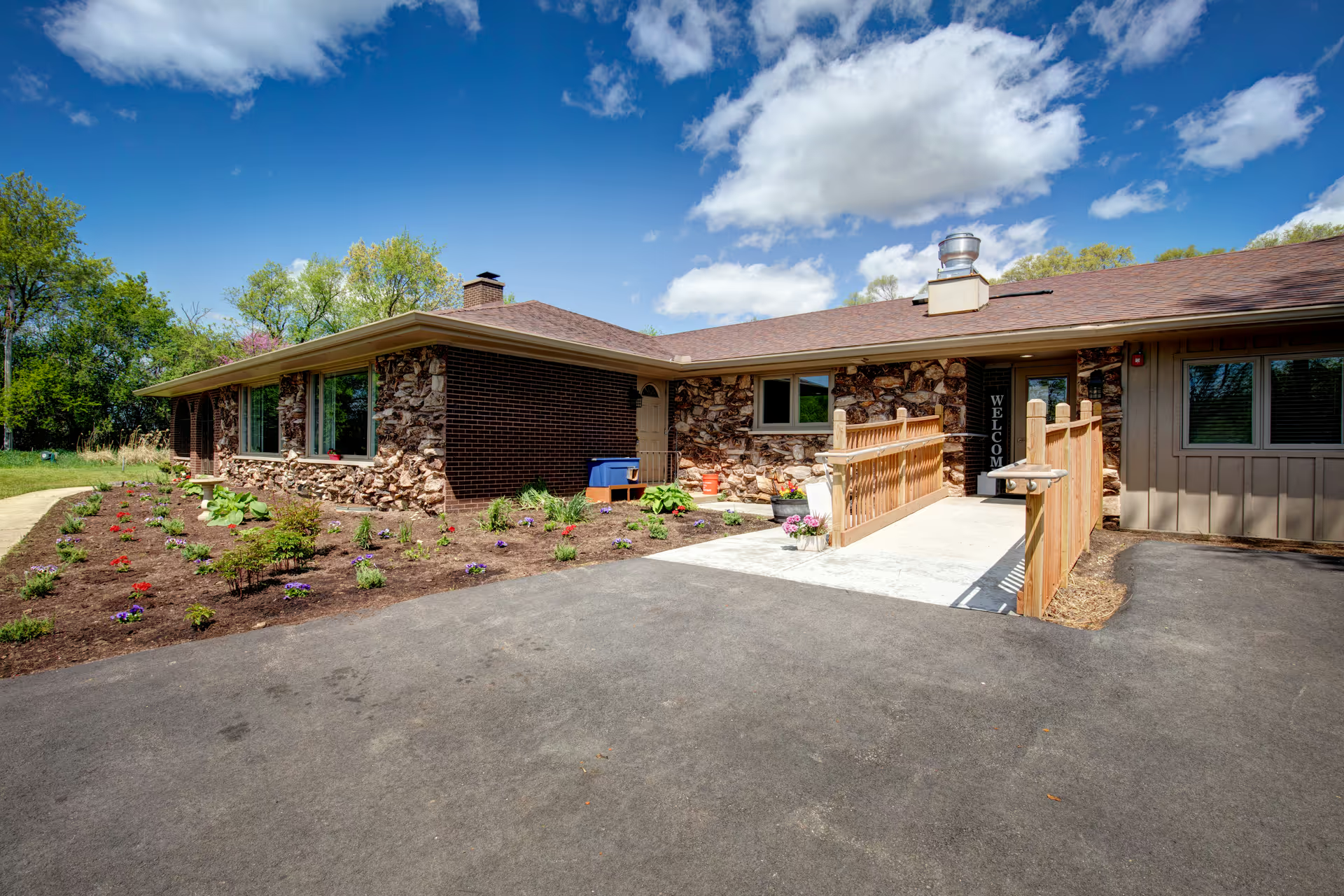
Facilities and housekeeping: The building is commonly described as dated, with examples of worn furniture, older beds, limited air-conditioning in some rooms, and triple-occupancy arrangements in parts of the facility. Housekeeping and sanitation are inconsistent across reviews; some families report clean, odor-free areas and private rooms, while others describe cleanliness lapses and odor concerns in common bathrooms and hallways. There are intermittent operational issues such as locked therapy rooms or limited shower availability that can affect schedules.
Management and notable patterns: Administrative responsiveness is a mixed picture. Several reviewers praise an approachable administration and social services staff who resolved problems quickly, while others describe patronizing interactions, unhelpful front-desk staff, and a need for persistent follow-up to obtain assistance. There are also a small number of serious allegations in the record — including claims around personal-property handling, privacy violations, and legal action — which indicate the need for families to review policies on belongings, privacy, and grievance procedures during tours and admissions. Overall, prospective residents and families will find notable strengths in individual caregivers and rehabilitation capability, but should plan for variability in staffing, meal service, cleanliness, and facility condition. A direct tour, discussion of staffing patterns on specific units, and clarification of therapy schedules and property-protection policies are recommended prior to placement.