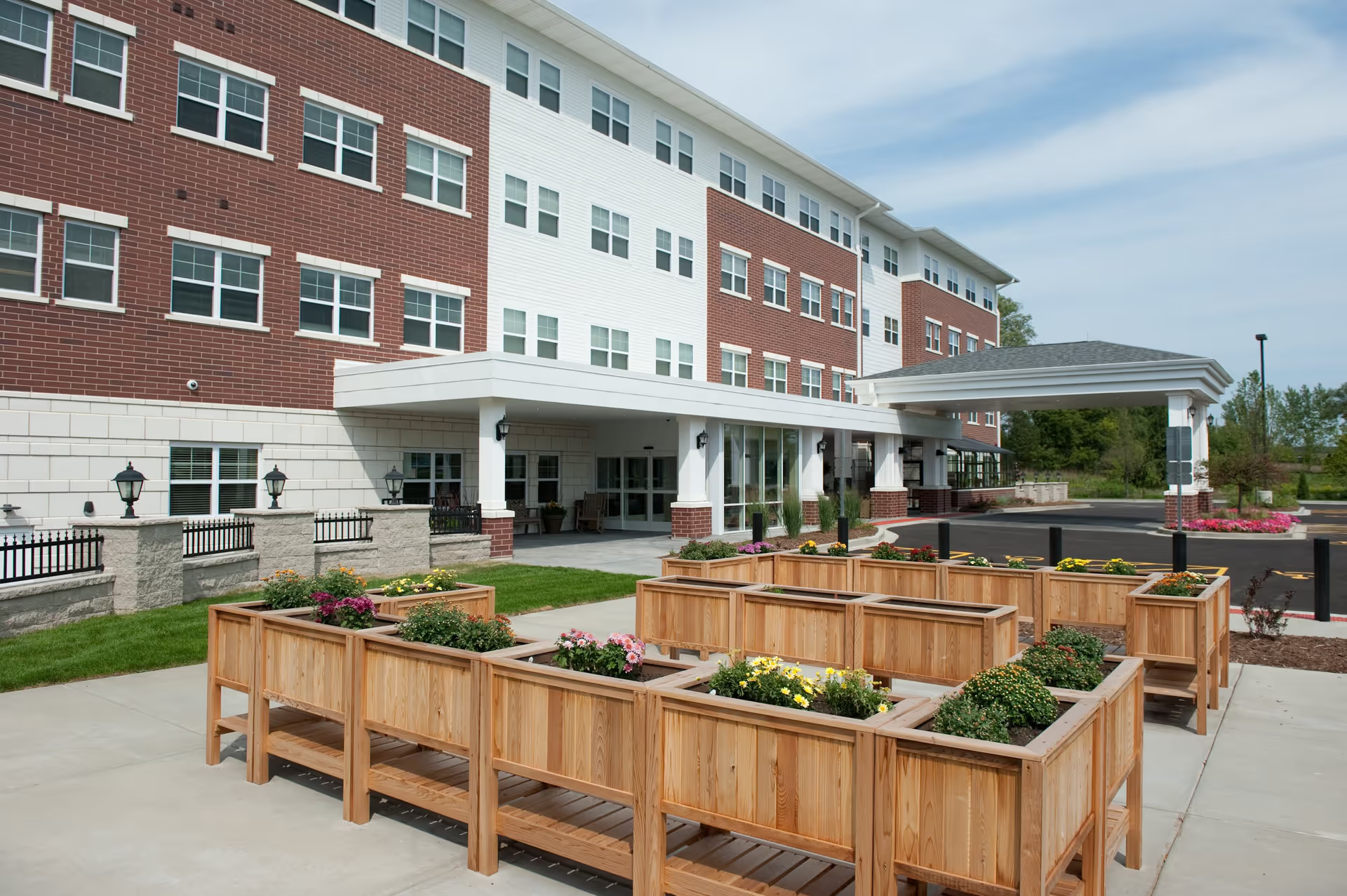
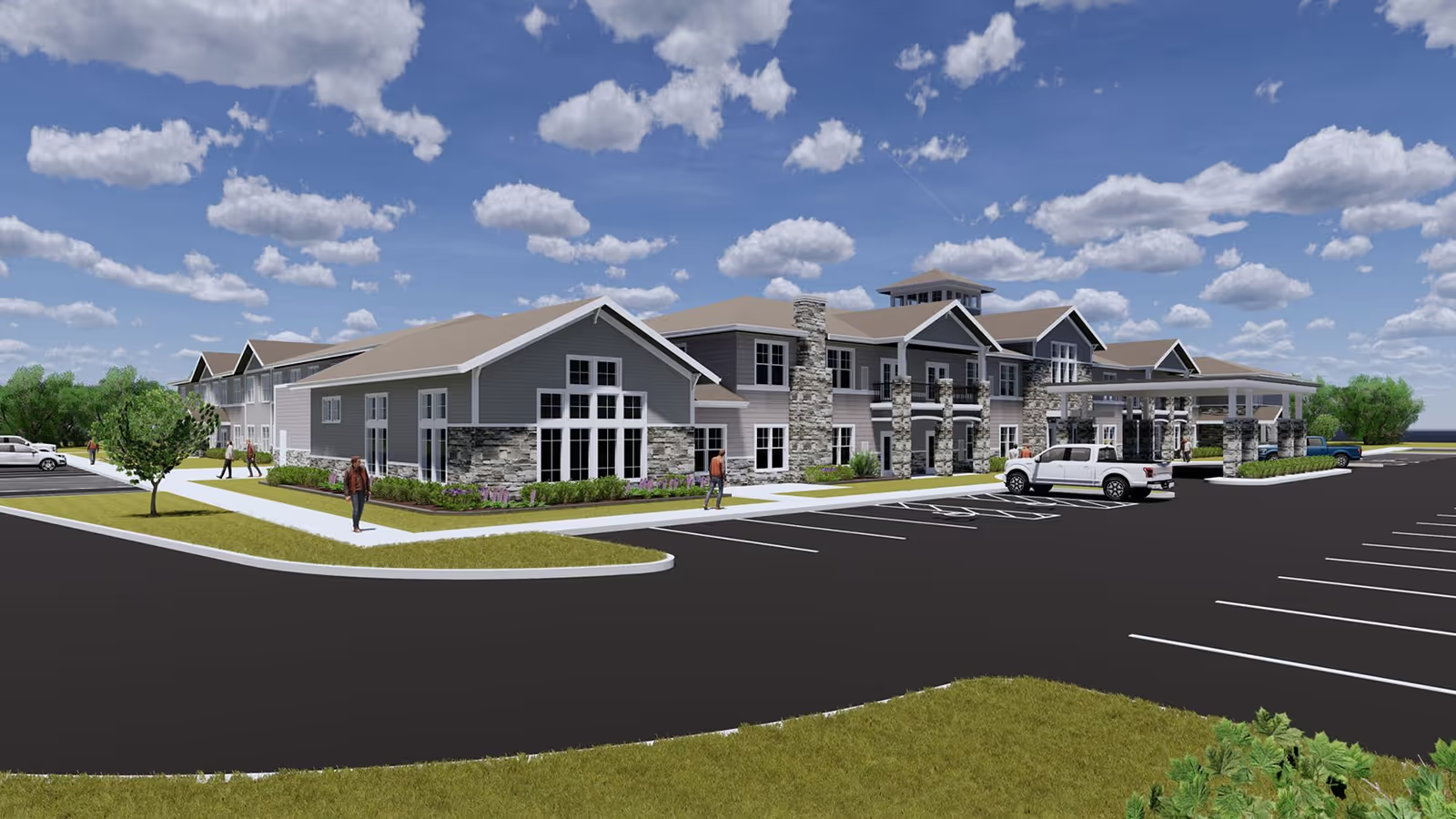
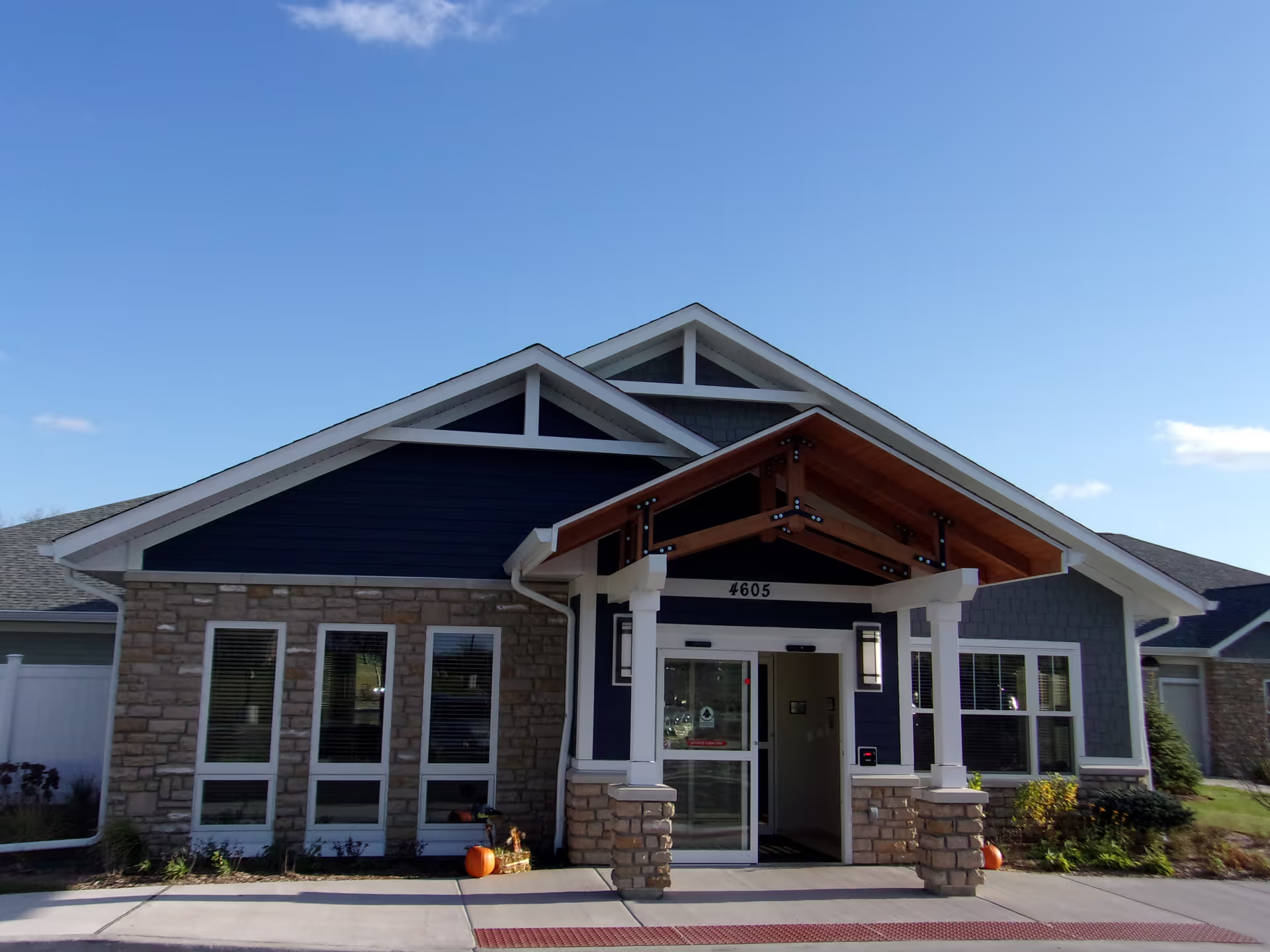
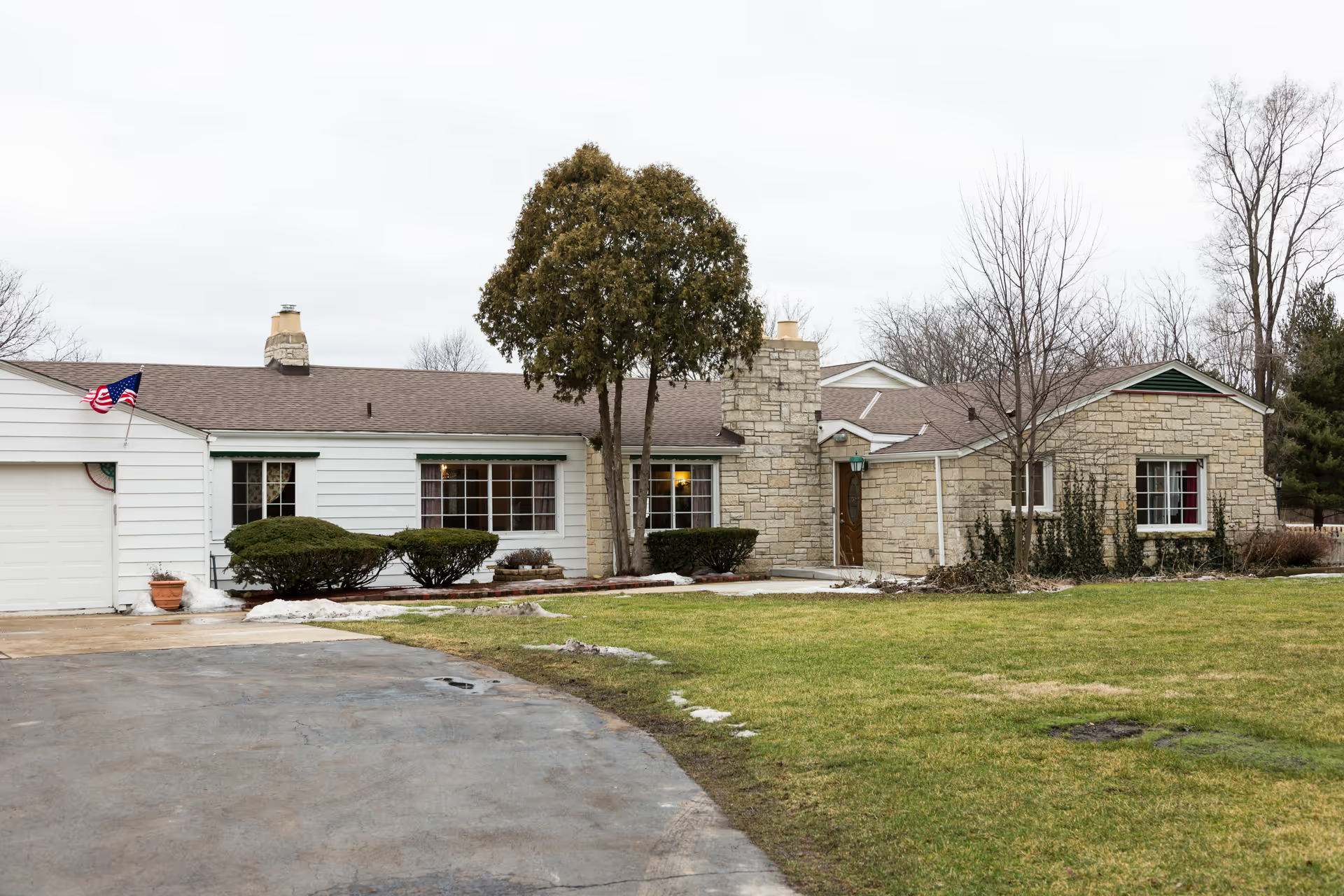
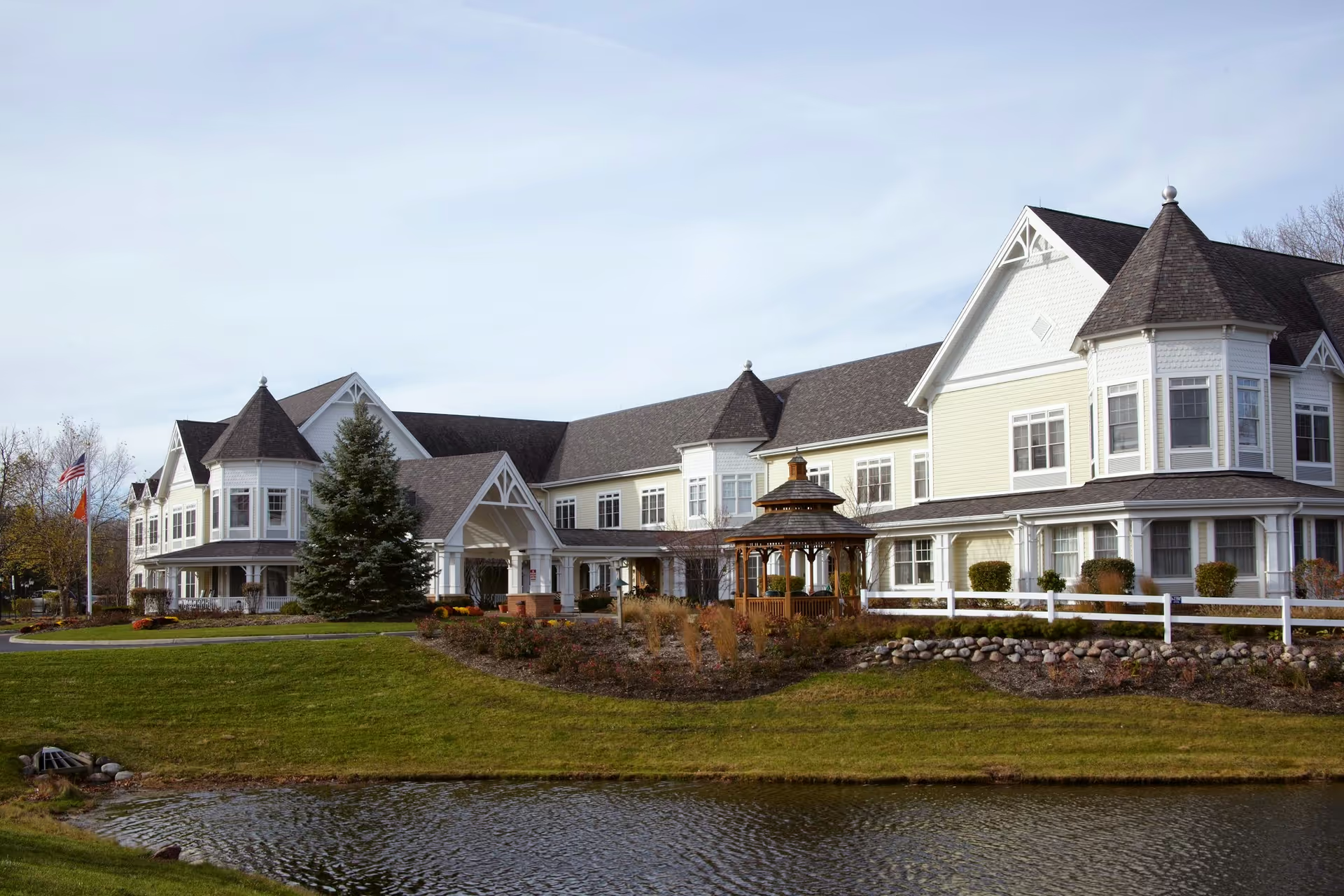
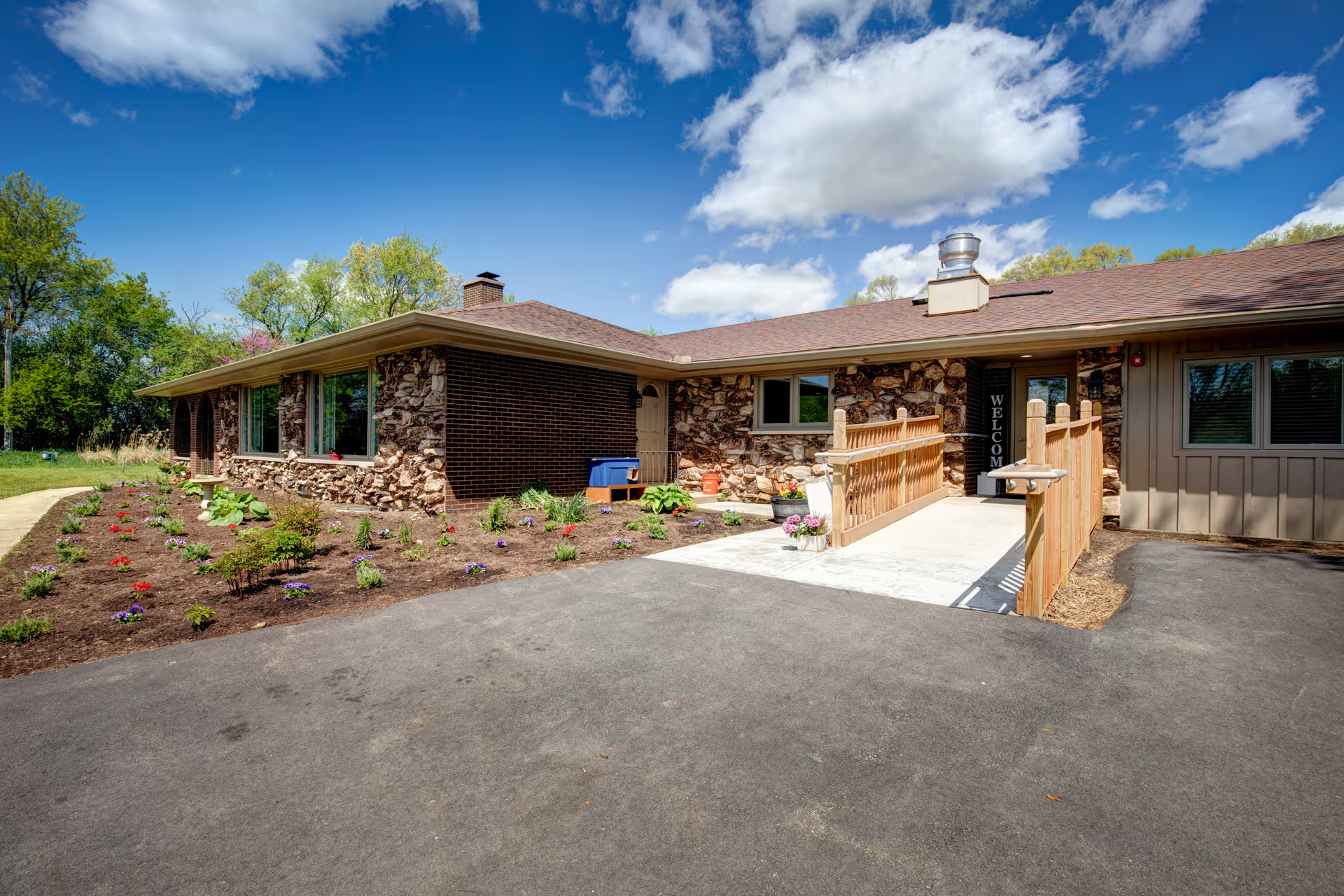
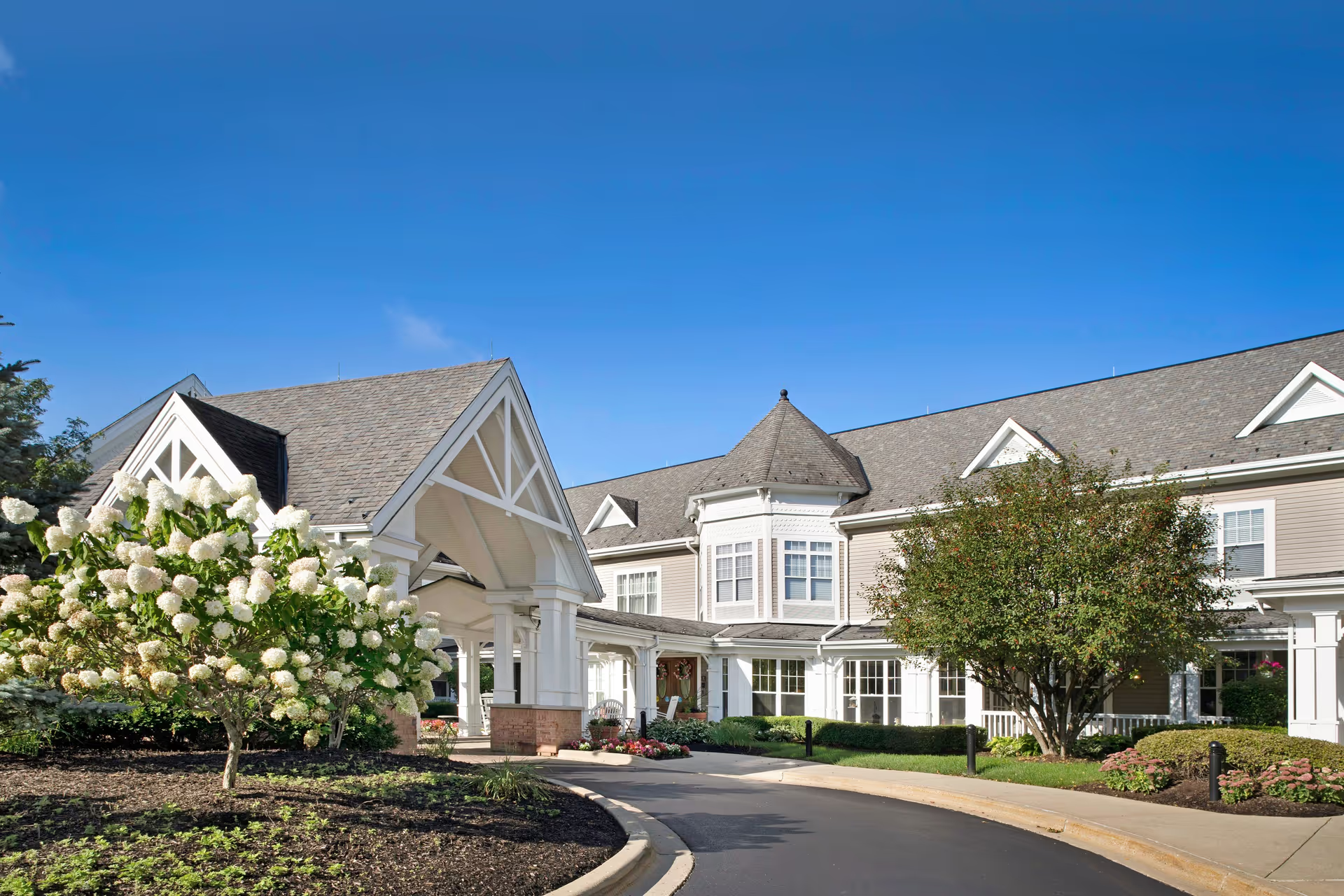
Overview: The Cottages of Fox Lake operates on a small‑cottage model that many families describe as home‑like, intimate, and well landscaped. Multiple reviews emphasize renovated single‑story cottages, private bathrooms and kitchenettes, broad outdoor amenities (porches, walking paths, courtyard, gazebo, fenced yards for memory care), and an aesthetic that guests find pleasant and less institutional than larger facilities. The campus configuration — separate buildings for different care levels and an emphasis on small groups — is a recurring strength for residents who value familiarity and quieter living areas.
Care and staff: Staffing and caregiving are central to the facility’s reputation. A large number of families praise compassionate, engaged caregivers, continuity of assignments, and leadership by an active executive team. On‑site clinical supports (physician, physical therapy, podiatry, and regular gerontologist visits) and inclusion of hospice services are cited as contributors to peace of mind for families. At the same time, reviewers also report operational weaknesses: fluctuating staffing levels and periodic turnover, variable responsiveness on some shifts, and several accounts that indicate gaps in medication administration or documentation. These patterns suggest generally strong relational care but with occasional operational lapses that families should review closely during a tour.
Dining and nutrition: Dining is described in mixed terms. Many reviews compliment the in‑house chef, special event meals, and the restaurant‑style approach to dining; others describe inconsistent meal preparation, specific instances of poorly prepared entrees, and requests for fresher vegetables or better adherence to dietary restrictions (e.g., low‑sodium preparations). Overall, dining appears to be a visible strength when well staffed and supervised, but reviewers advise confirming current menu variety and special‑diet accommodations during intake.
Activities and social life: The facility offers an active calendar with music, games, bus trips, outings, gardening, and family‑inclusive events. Memory‑support programming and coping groups for families are also noted. Many residents are described as thriving and highly engaged; however, engagement is not uniform — some residents do not participate or would benefit from more individualized stimulation. Prospective families should ask about activity tailoring for residents with lower participation or different interests.
Facilities and safety: Physical plant strengths include accessible bathrooms, wide doorways, low shower thresholds, single‑floor layouts, and well‑maintained grounds. Families report effective maintenance, housekeeping services, and comfortable common spaces. Conversely, several reviews describe congestion in common areas, limited maneuvering space for larger mobility devices, and occasional uneven housekeeping in individual apartments. There are isolated but serious allegations concerning privacy, coercive placement practices, and safety that warrant direct inquiry. Given the mix of positive and concerning statements, families should review safety procedures, transfer protocols, and the facility’s approach to resident autonomy in person.
Management and operations: Many reviewers praise the executive leadership, clear family communication, and visible improvements following management changes. Others experienced inconsistent admissions/tour experiences, slow call responses, and concerns about rent increases or affordability. Patterns in reviewer feedback point to variability in operational consistency: the facility can provide high‑quality, family‑focused care, but performance appears sensitive to staffing levels and management oversight.
Notable patterns and recommendations: The dominant impression is of a small, caring community that delivers warm interpersonal care and attractive, accessible living spaces. Recurrent operational weaknesses center on staffing consistency, medication handling, variable meal preparation, and occasional housekeeping inconsistencies. A balanced approach for prospective families is recommended: visit during activity time, observe dining service and common‑area traffic, ask about current staffing ratios and turnover, review medication‑administration policies and incident reporting, and inquire about personalization of activities and dietary accommodations. Raise any concerns about autonomy, safety protocols, or past serious allegations directly with management and verify responses in writing before making placement decisions.