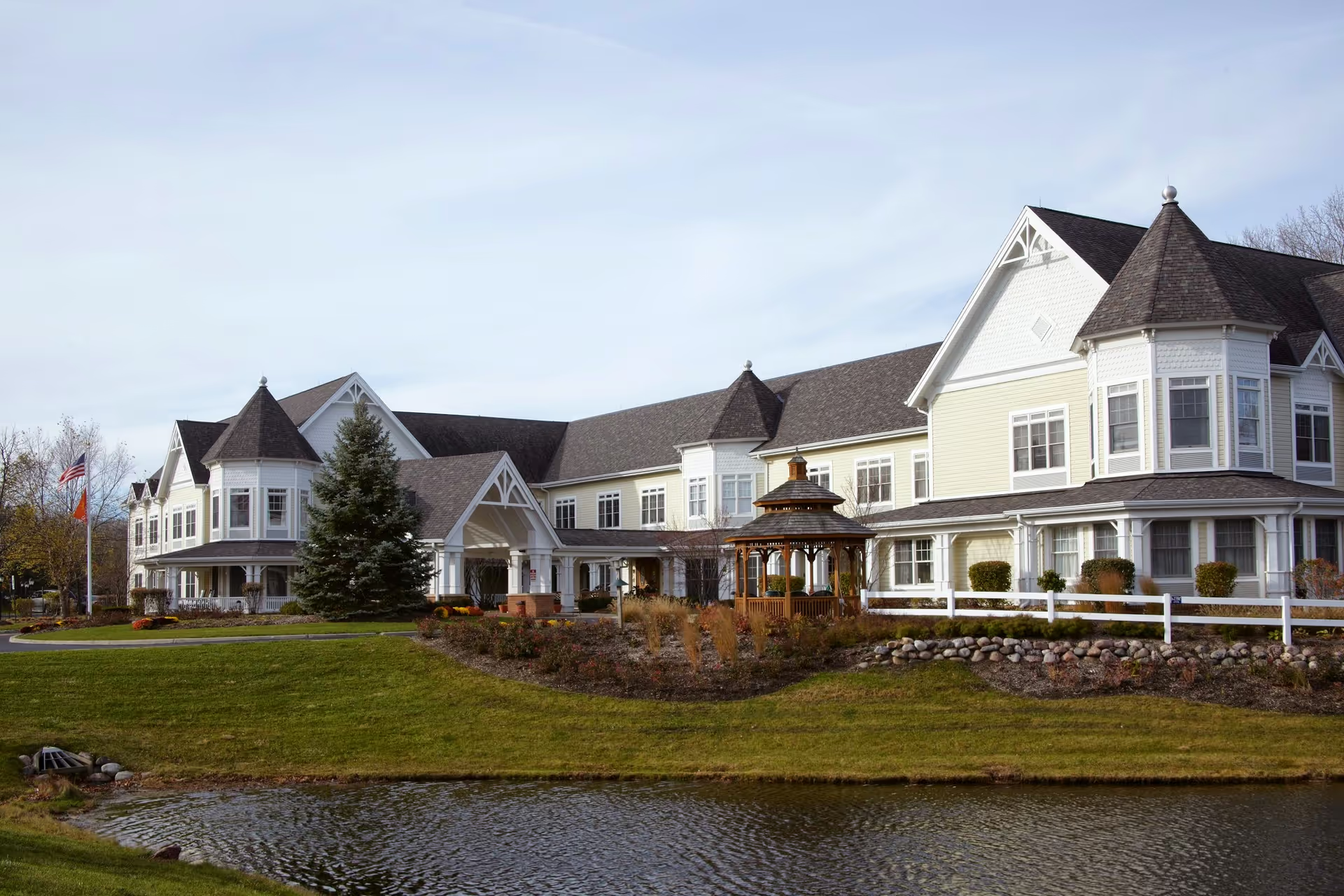
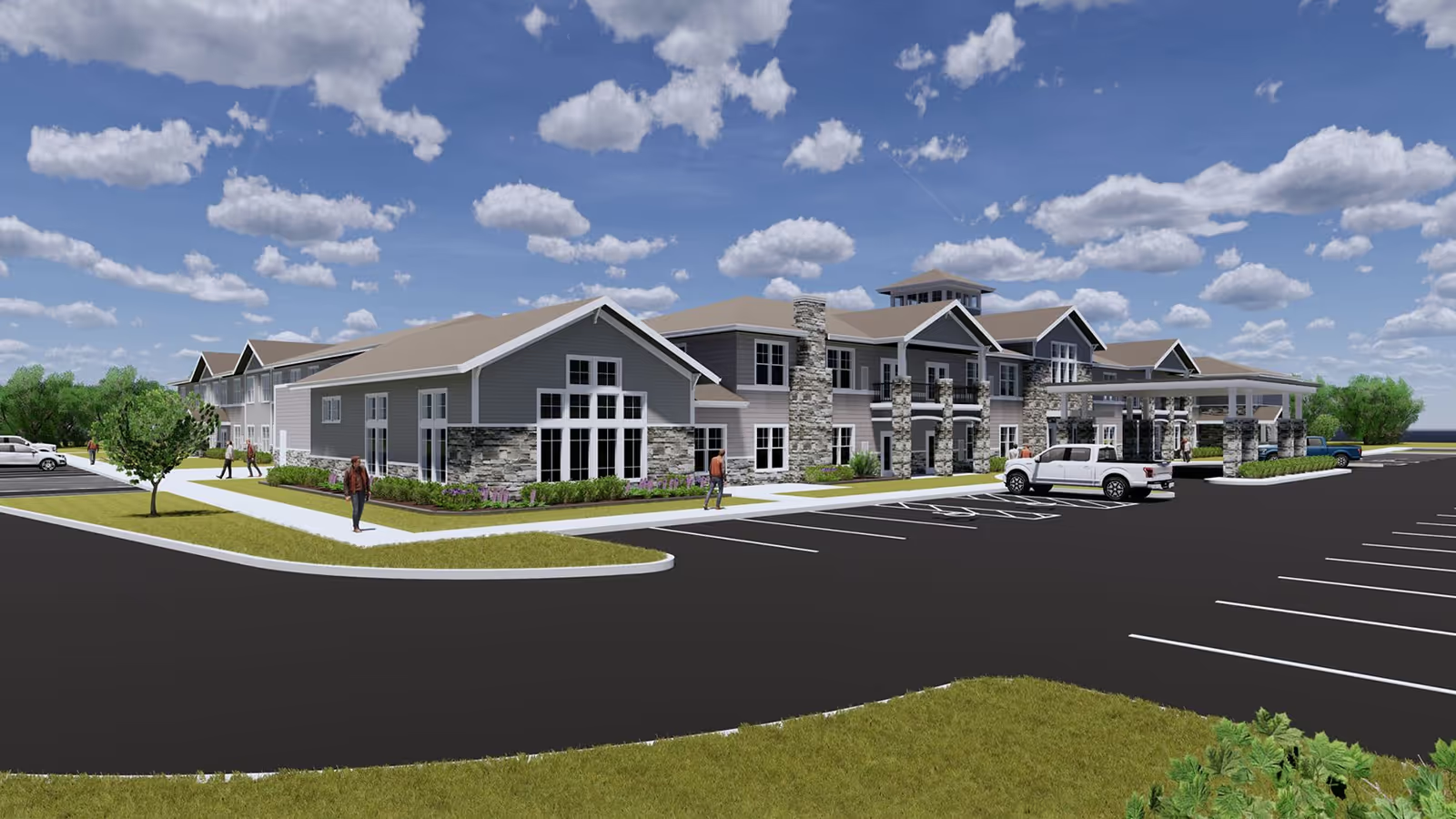
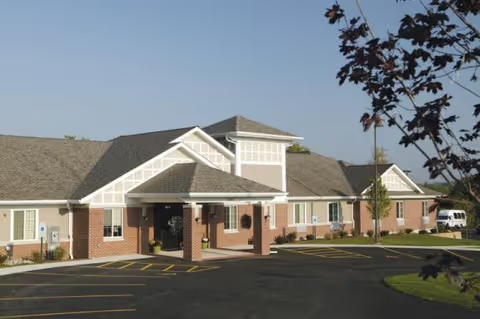
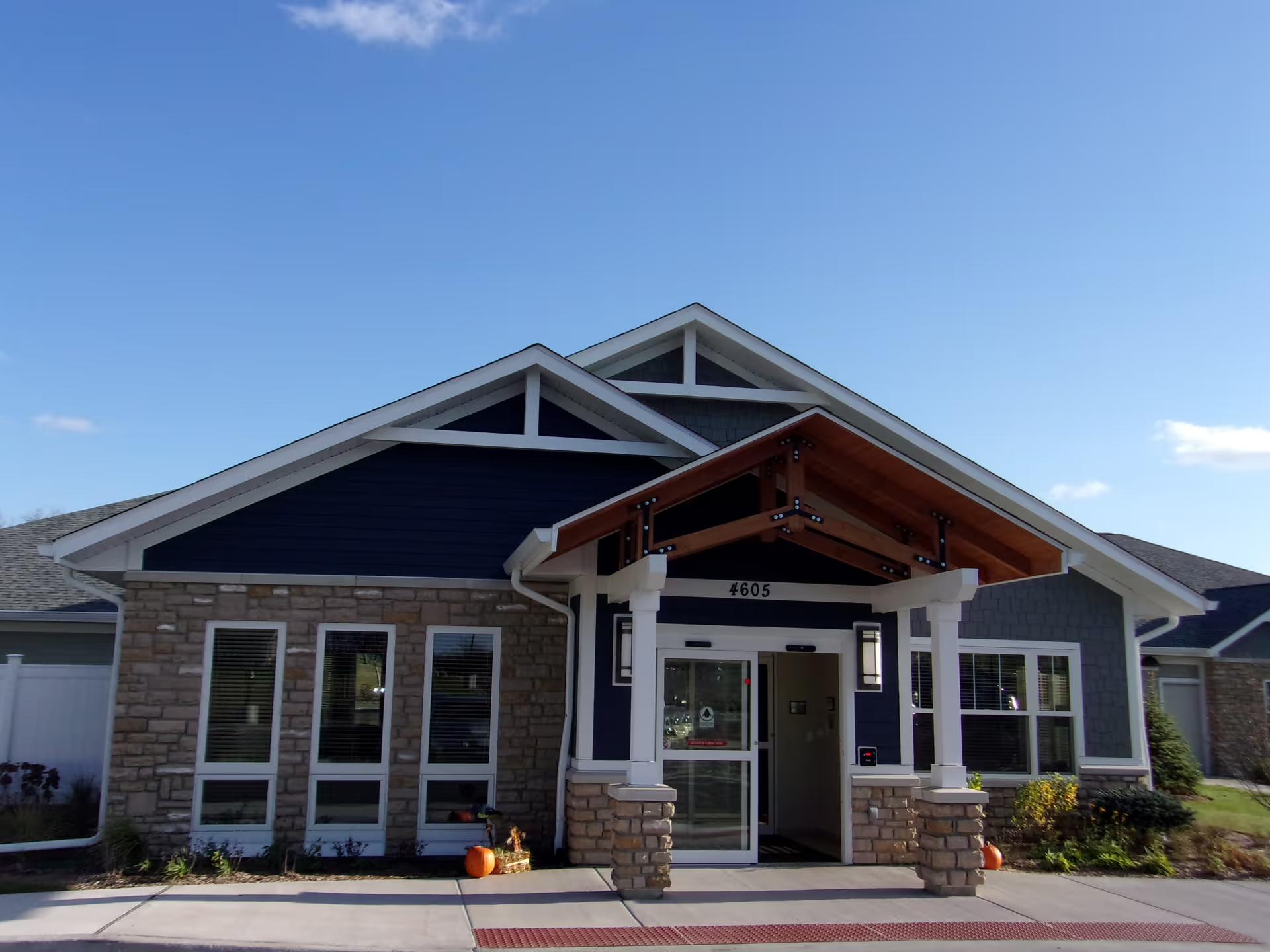
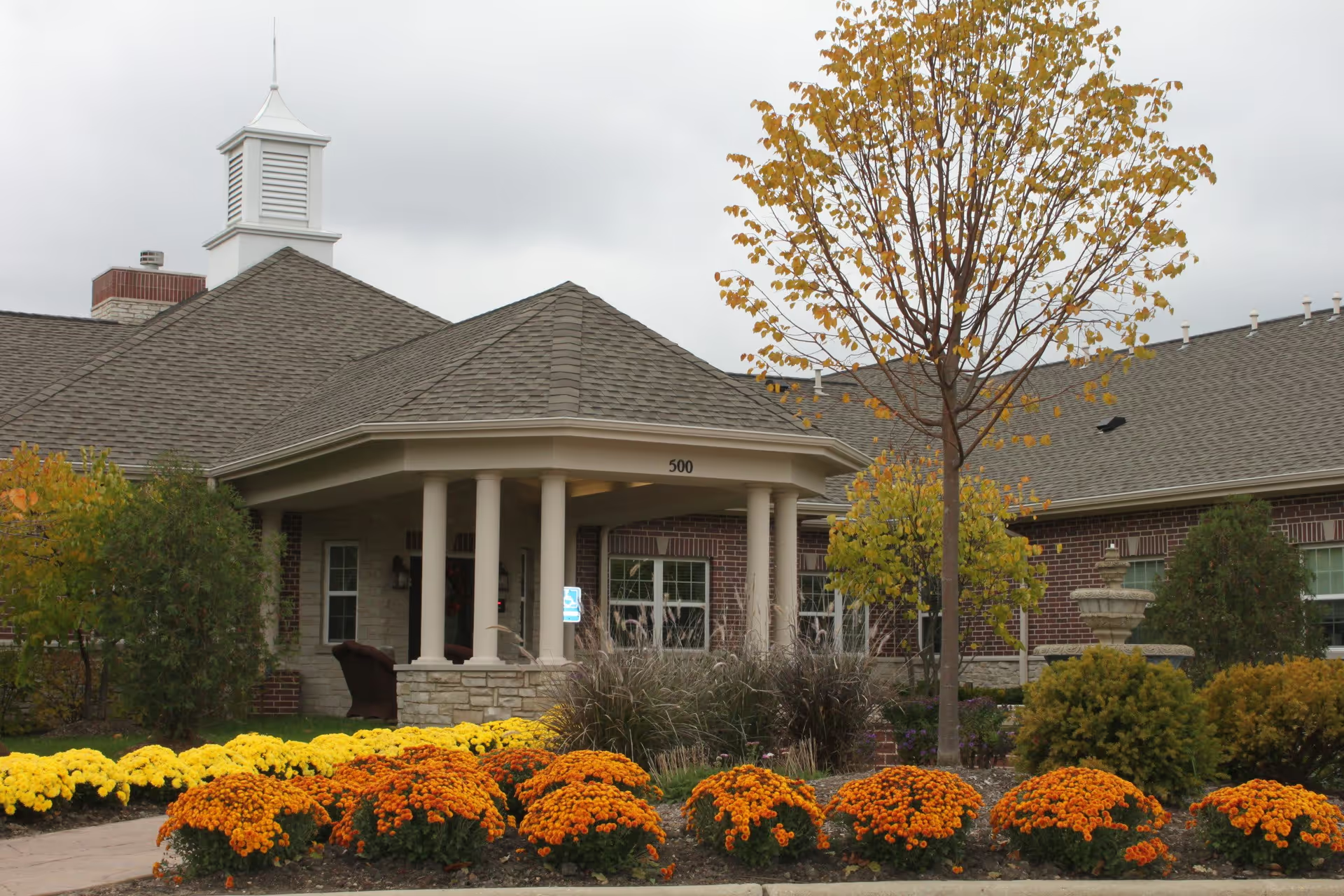
Overall impression: Oak Hill presents as an active, well-equipped assisted living community with many features families value: a bright, well-maintained common environment, extensive indoor and outdoor amenities (greenhouse, gardens, theater, patios), and a broad activity calendar that includes regular outings, holiday events, and on-site programming. Many families describe a smooth move-in experience and proactive maintenance support after move-in.
Care and staff: Reviews consistently highlight empathetic, attentive caregiving staff — RNs and CNAs who are described as knowledgeable, approachable, and familiar with residents. Several accounts emphasize staff who know residents by name, provide person-centered attention, and support transitions from prior facilities. There are also positive notes about 24/7 nursing-assistant coverage and an administrative team that facilitates admissions and Medicaid-related processes. At the same time, some operational concerns emerged around staff conduct and accountability; one or more serious staff-related allegations are present in the feedback and appear as an important outlier that families should clarify during visits.
Dining: Dining is generally viewed positively: restaurant-style service, menu choices, and plentiful, fresh items are praised. Multiple reviewers appreciated special meals and holiday dining. There are, however, intermittent comments about inconsistent food quality, so prospective residents may want to sample meals and ask about menu rotation and quality-control procedures.
Activities and social life: Activity programming is a clear strength. The community offers frequent events (bingo, arts, live entertainment), organized outings, exercise classes, and gardening opportunities that many residents participate in daily. The social environment is frequently described as lively and friendly, supporting companionship and engagement.
Facilities and apartments: The physical plant is often described as clean, bright, and well-maintained, with attractive communal spaces and gardens. Units range from studios to one-bedrooms and include basic kitchen appliances and accessibility features (grab bars). Some reviewers noted that apartment kitchens do not include full stoves and that unit sizes can vary; a minority of comments described certain areas or units as dated or worn, indicating variability in condition across the campus.
Management and operations: Admissions and move-in processes are commonly reported as smooth and well-organized, and several staff members (including the sales director and shuttle driver) receive specific praise. Areas for operational improvement include phone-access and family communication responsiveness, clarity around pricing and room availability/timing, and consistent housekeeping schedules. Staffing levels overnight and during certain tasks were flagged as potential constraints; families with residents who have higher clinical or security needs (for example, those prone to wandering) should discuss memory-care options and safety protocols, since the community may have limited memory-care/security measures compared with specialized memory-care facilities.
Notable patterns and recommendations: The dominant themes are strong, person-centered caregiving; robust social programming; and attractive amenities that support quality of life. Counterbalancing these strengths are operational gaps — notably around housekeeping consistency, communication/phone access, occasional food-quality variability, and the serious but isolated nature of staff-conduct concerns that warrant direct inquiry. Prospective residents and families would be well served to tour multiple unit types, sample meals, meet nursing leadership, review overnight staffing and memory-care protocols, and ask for written policies on incident reporting and financial safeguards before committing.