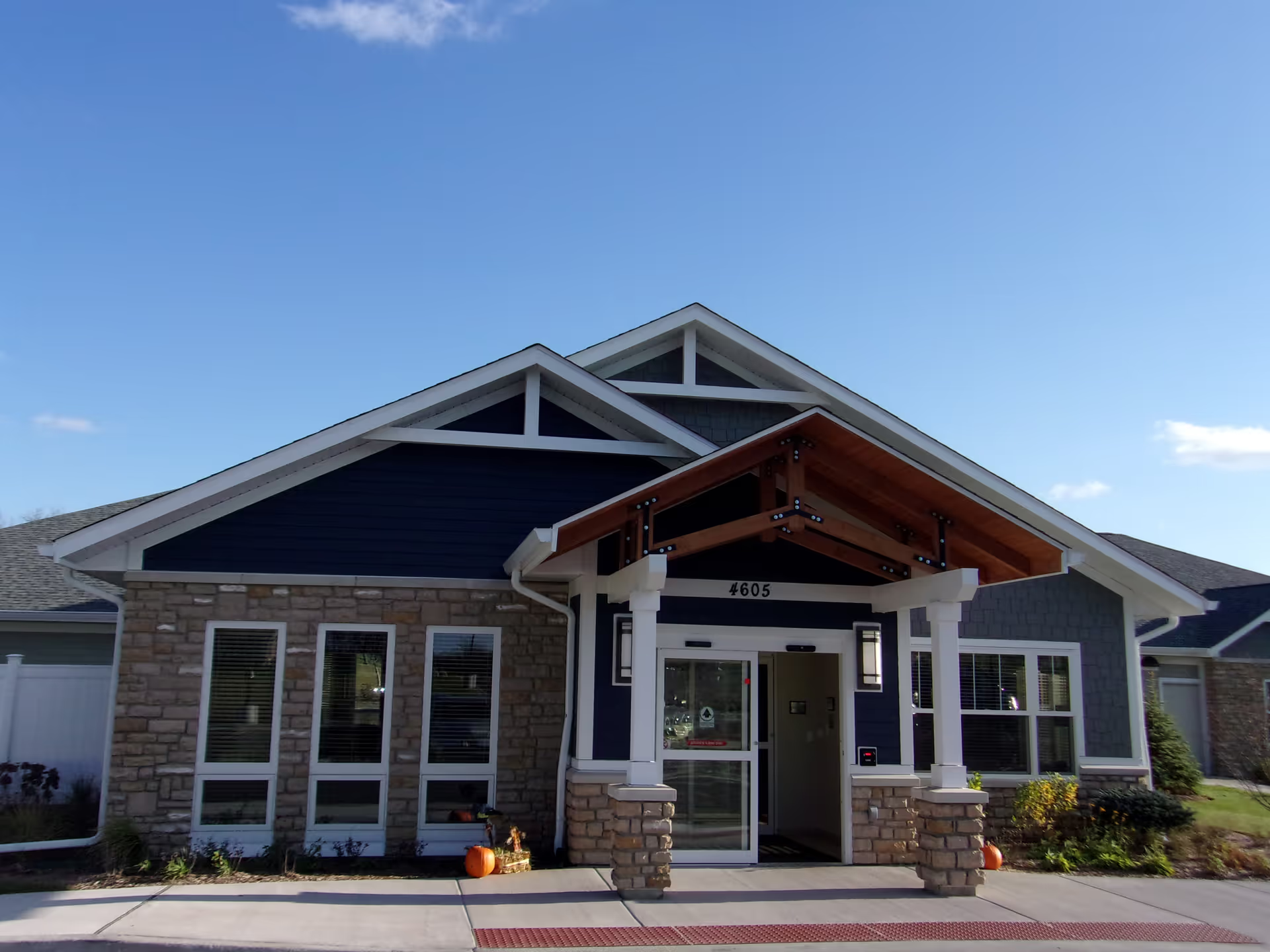
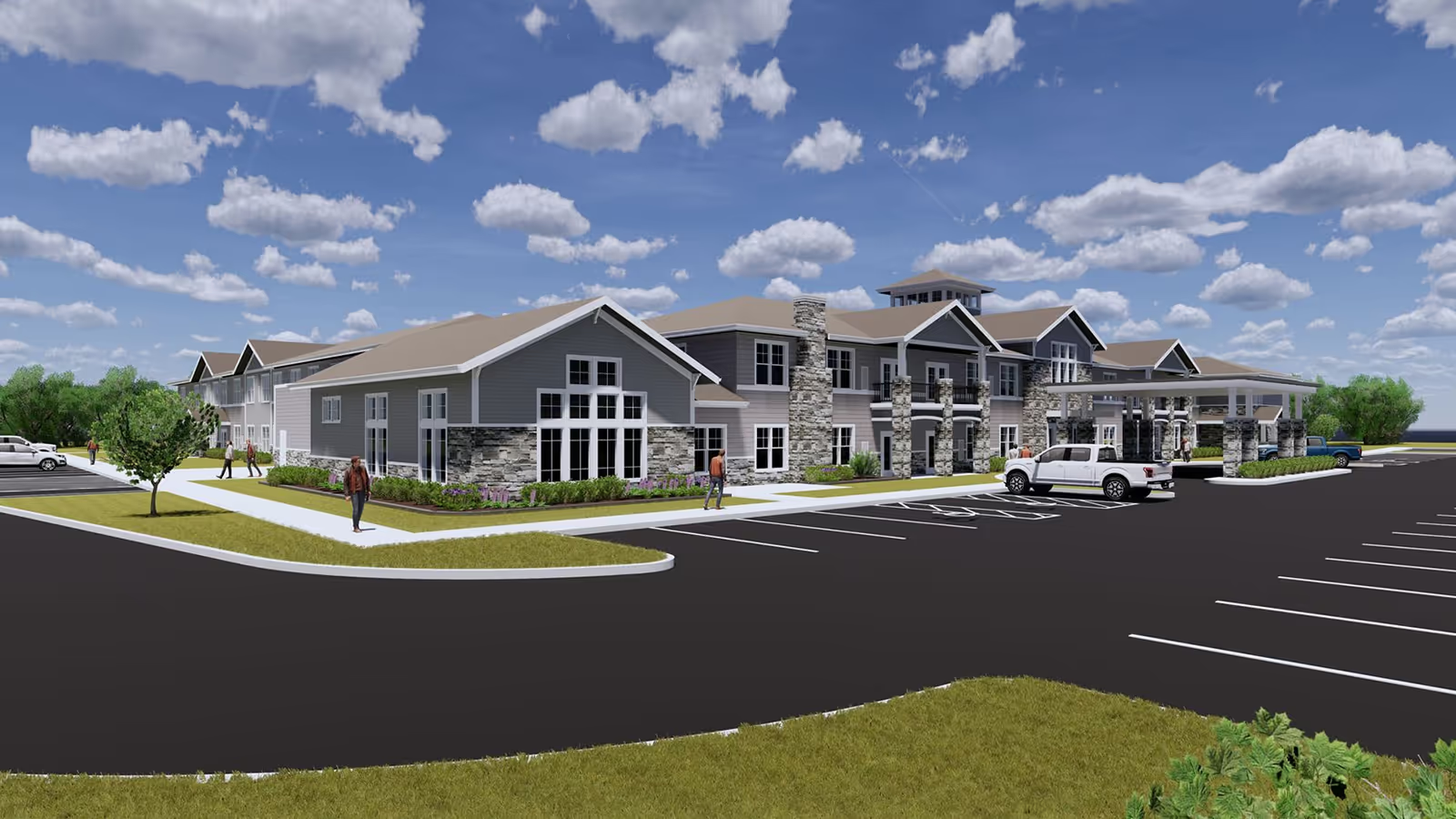
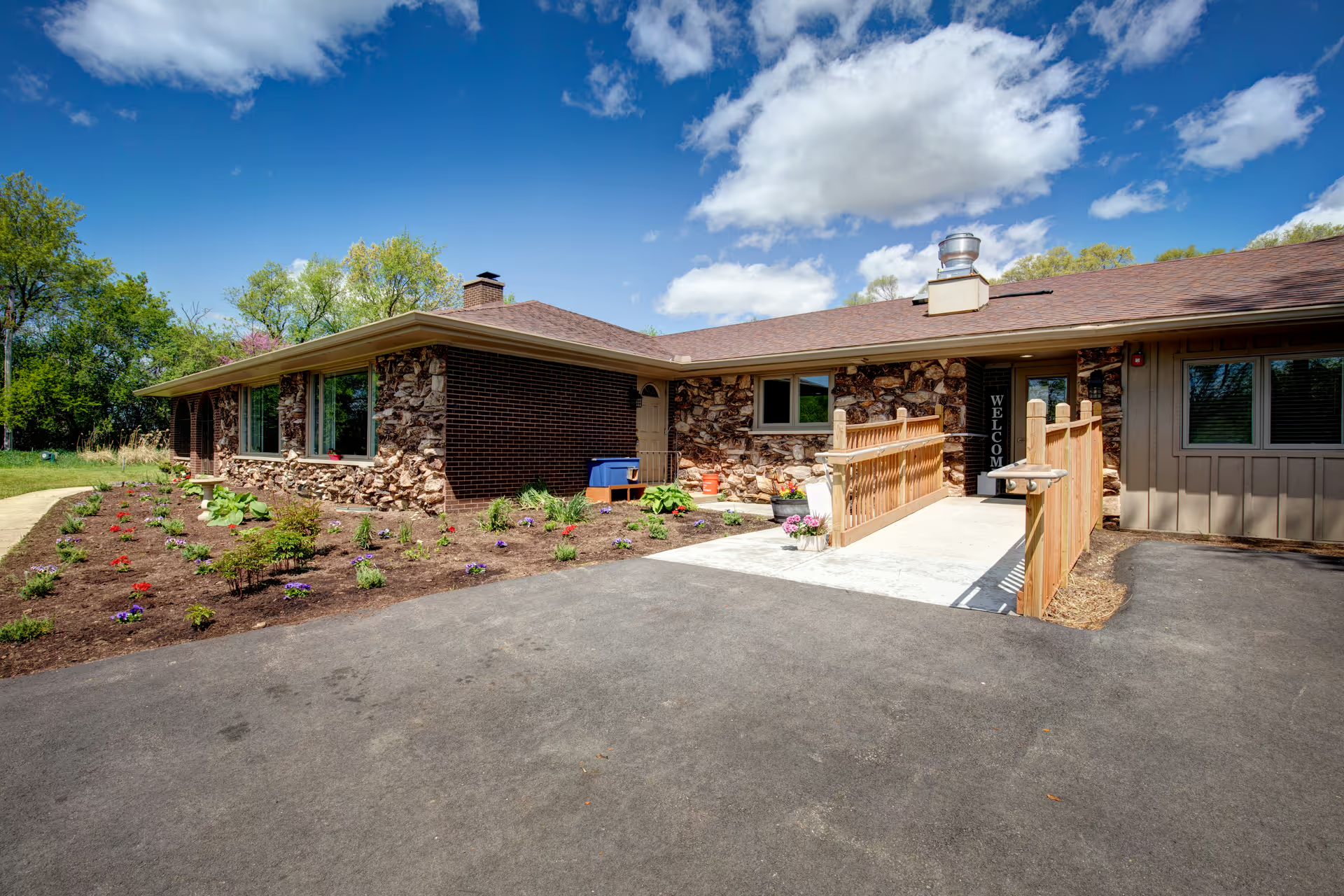
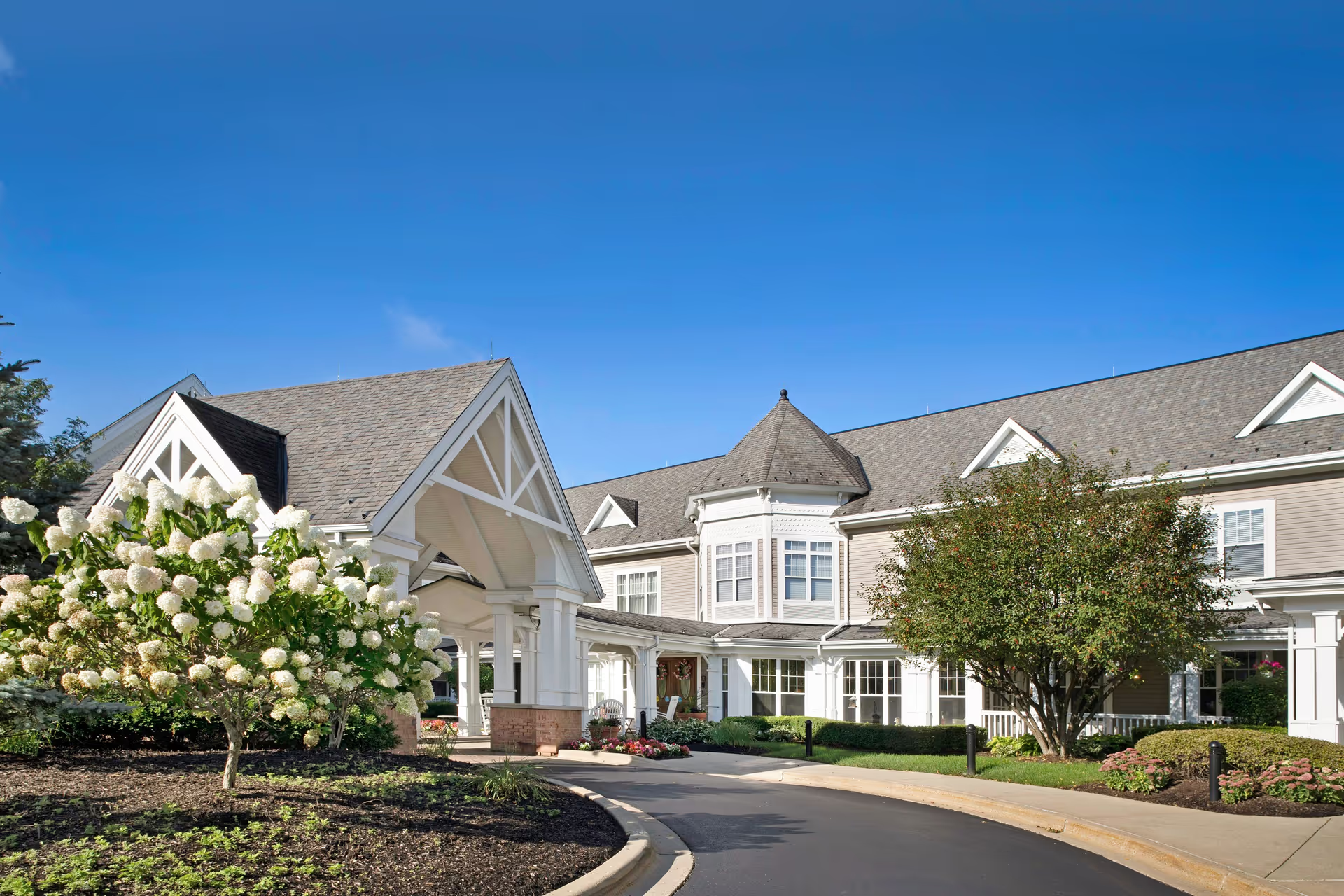
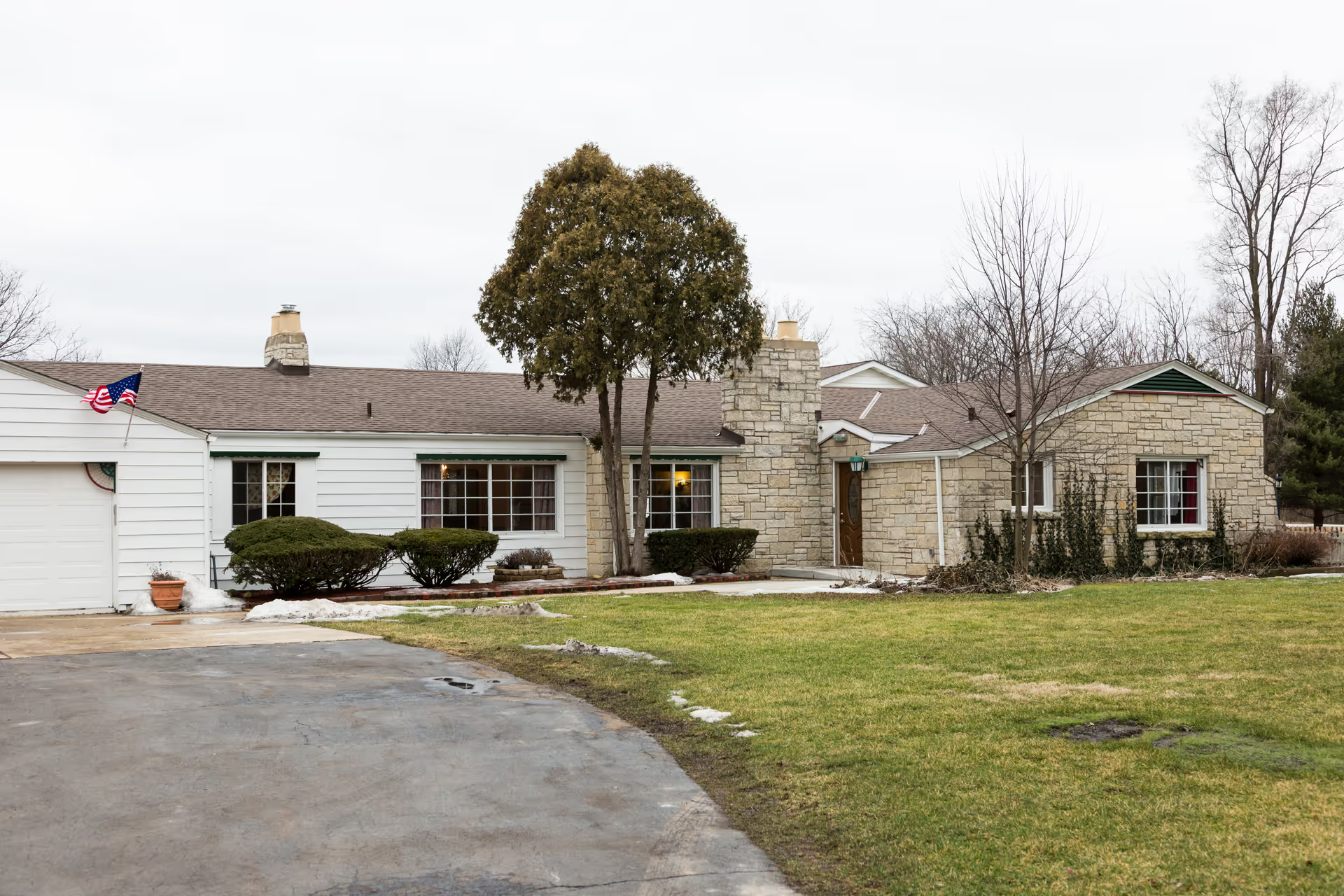
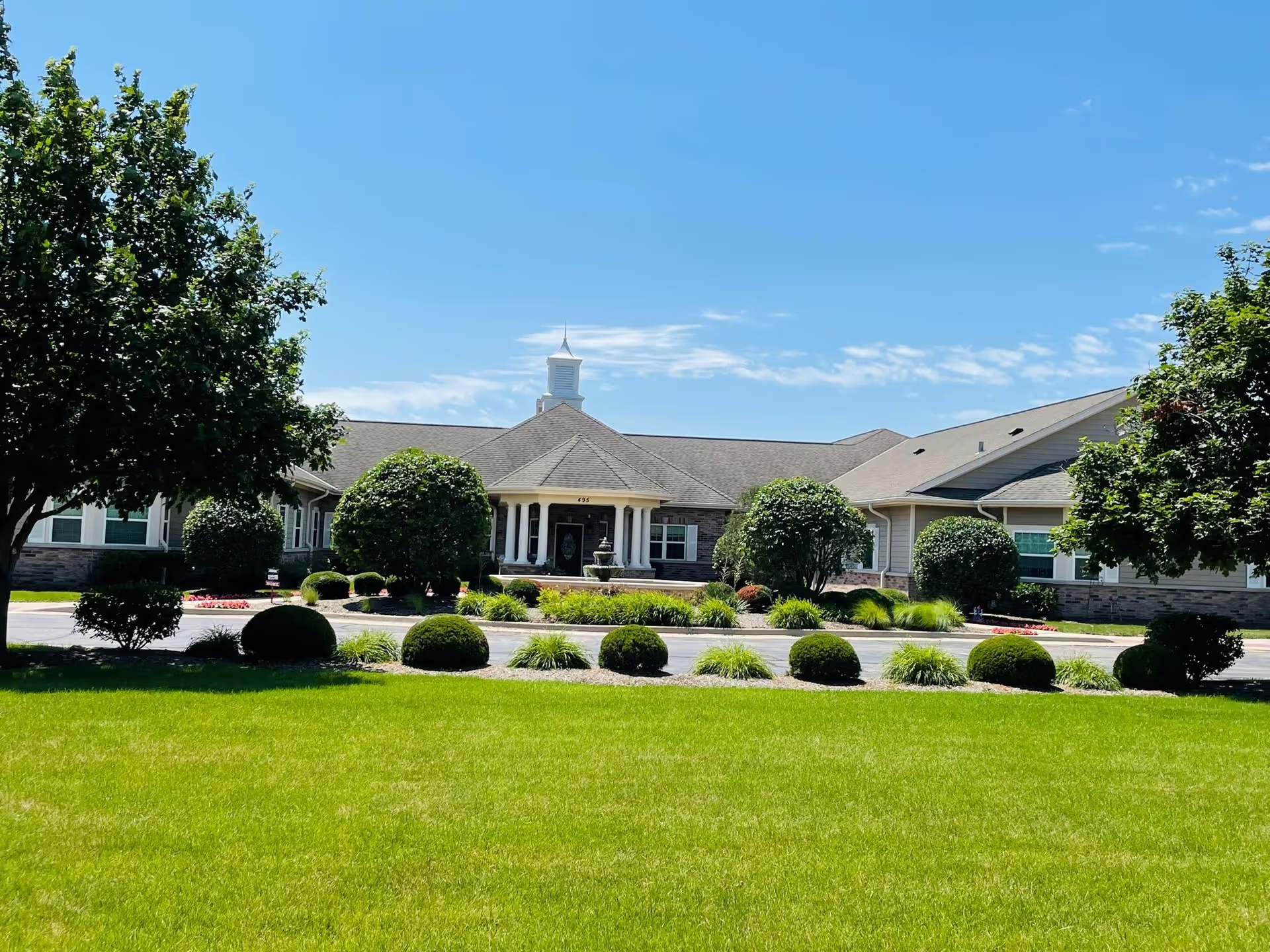
Overall impression: The Courtyard at McHenry presents as a community with many strengths in day-to-day resident life: families consistently praise caring, professional staff; an active social calendar; educational programming; and comfortable, apartment-style residences with bright windows and pleasant common areas. Many reviewers highlighted effective move-in support, visible leadership in marketing and outreach, on-site clinical services (PT/OT), and amenities such as a fitness center, salon, indoor parking and garden space that support resident independence and quality of life.
Care and staff: A dominant theme is strong, compassionate caregiving and approachable nursing and administrative personnel. Reviewers describe staff who learn resident names, provide personalized attention, and support families through transitions and end-of-life care. At the same time, several accounts point to operational strain: high turnover, routine understaffing, and use of agency personnel can produce inconsistent staffing patterns and variable training levels. Families should clarify current staffing ratios, turnover trends, and contingency staffing plans during a tour.
Dining and activities: The activity program is a clear asset — bingo, exercise, outings, church trips, educational seminars (including dementia-focused presentations) and frequent social events contribute to a lively atmosphere and resident engagement. Dining feedback is mixed: many praise generous portions and social dining, while others describe fluctuating food quality and limited diabetic/vegetarian/vegetable-focused options. Prospective residents should sample meals and ask about current menus and accommodations for specific dietary needs.
Clinical operations and safety: The community offers memory-care capability and secure units, and reviewers note comfort with medical follow-up and in-house therapy. However, some reviews point to concerning operational gaps around medication handling and incident escalation; these translate to a facility-level need to confirm medication-storage protocols, clinical-incident procedures, and hospital-readmission policies. In addition, families concerned about advanced dementia behaviors should discuss behavioral-care approaches and unit readiness for complex needs.
Management, billing, and maintenance: Positive comments about welcoming sales and marketing staff and frequent décor updates contrast with reports of uneven leadership performance and occasional communication breakdowns. There are also multiple mentions of billing disputes and contract/fee inconsistencies; these suggest the importance of reviewing the contract terms, deposit/refund policies, and billing practices in writing. Finally, while much of the building and grounds are described as clean and attractive, a subset of comments raised maintenance and appearance issues (for example older carpeting or overgrown exterior areas) — inspect high-traffic areas and recent renovation status during a visit.
Bottom line: The Courtyard at McHenry offers many of the elements families seek — engaged staff, strong activities, on-site therapies, and comfortable apartments — and many residents report improved wellbeing and satisfaction. At the same time, recurring operational themes (staffing stability, medication controls, dining consistency, billing clarity, and dementia-care capacity) warrant specific, documented discussion during tours and decision-making. Asking for current staffing data, sample menus, medication-safety protocols, and a clear written contract will help families weigh the community’s strengths against the operational risks noted by reviewers.