Overall impression: Snyder Village presents as a well-resourced, community-oriented senior living campus with a broad continuum of services and many features families value. Reviewers consistently praise the rehabilitation and therapy services, the variety of dining options (including a Bistro and meal delivery), comprehensive campus maintenance, and move-in supports such as relocation assistance and handicapped accommodations. The facility’s cottages, attached garages, freshly updated units, organized appearance, and small-campus rural setting are repeatedly identified as positive attributes. Many families describe compassionate, engaged staff and a robust activities program that supports social life and mobility.
Care quality and clinical concerns: Clinical strengths include visible therapy resources and generally positive skilled-care and rehab outcomes for many residents. However, a number of reviews describe operational weaknesses that affect day-to-day care. These include inconsistent performance in routine assistance tasks, gaps in medication and allergy-check verification, challenges with equipment upkeep (notably oxygen-related equipment handling), and delayed responses to call buttons. Several families recounted serious downstream consequences tied to these operational gaps; this pattern suggests the facility may benefit from stronger clinical documentation, equipment-maintenance protocols, and post-incident communication practices.
Staff and management: Staff are frequently characterized as warm, helpful, and dedicated; CNAs and nursing staff receive many commendations for compassion and individualized attention. Concurrently, reviewers note persistent staffing shortages, turnover, and workload strain. Those workforce pressures are linked in reviews to uneven care delivery and delays. Comments about management are mixed: some reviewers praise the administrative organization, move coordination, and resident-centered policies, while others describe rigidity around scheduling, limited flexibility for employees and families, and insufficient recognition or support for frontline staff. These mixed assessments indicate strengths in operational systems but room for improvement in workforce stability and managerial responsiveness.
Dining and activities: Dining is generally seen as a strength—home-style meals, varied menus, and affordable pricing are frequently mentioned. There are, however, occasional concerns about meal-service consistency (temperature and dining-room ambiance) and variability in food satisfaction. The activities program is a clear asset: a busy calendar, transportation for outings, on-campus social events, and recreational programming that can function therapeutically are commonly cited. At the same time, some residents and families describe loneliness or limited engagement for particular residents, indicating a need for more proactive outreach to ensure participation across the community.
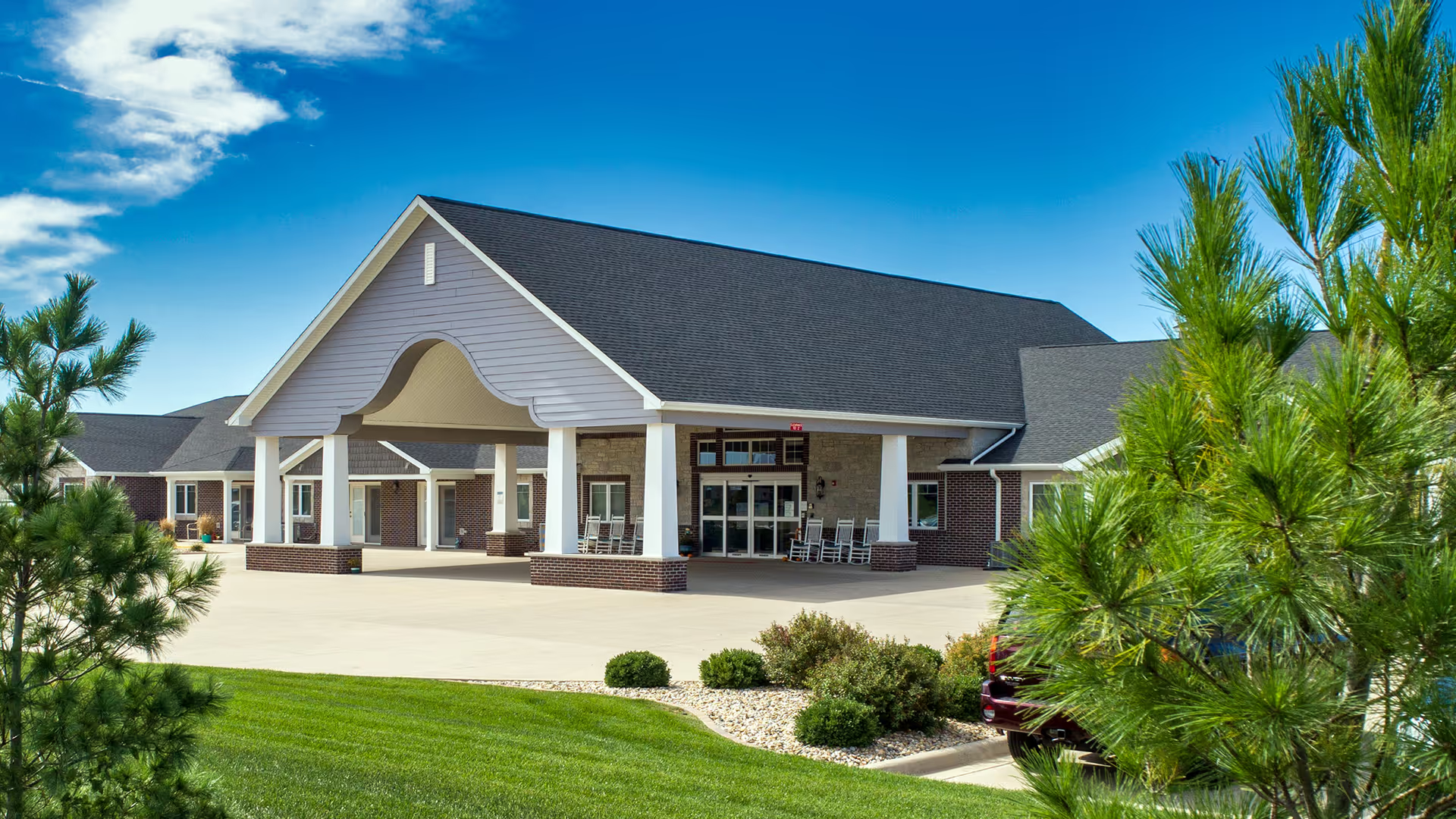
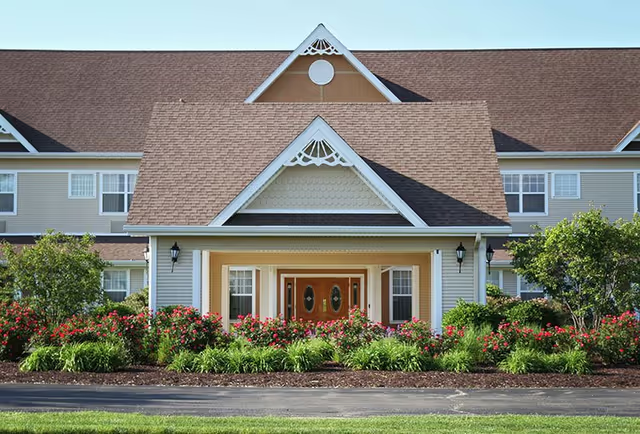
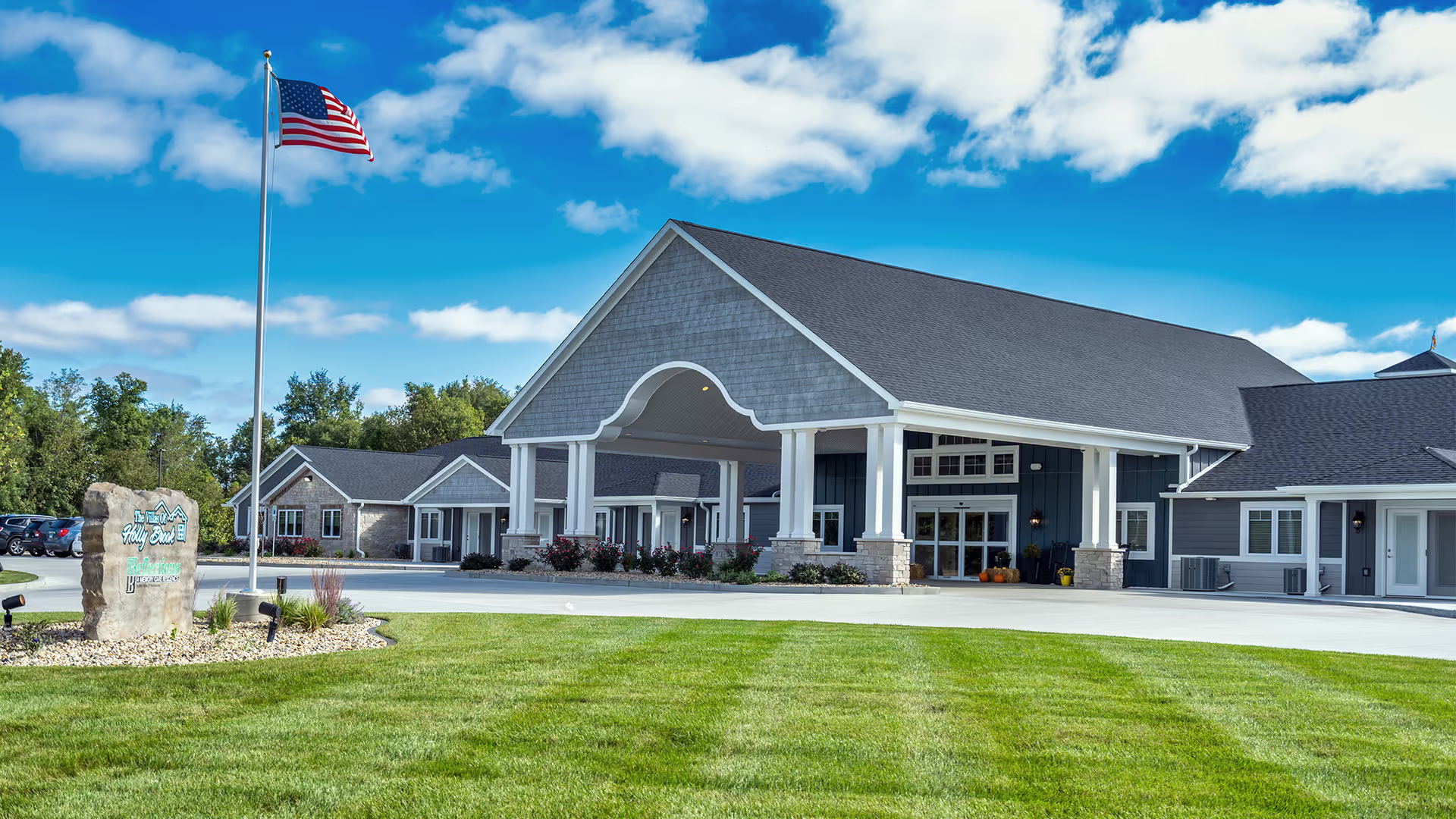
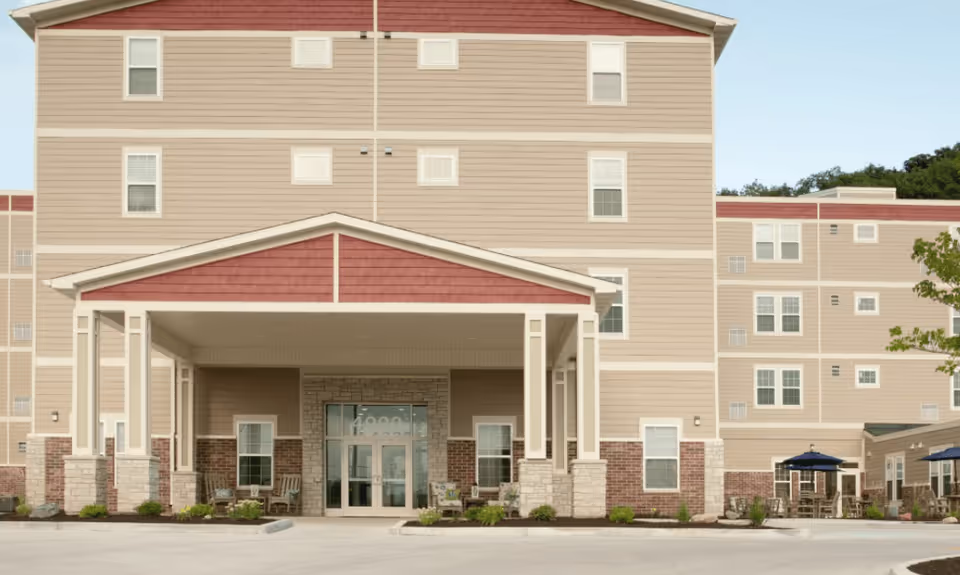
Facilities and campus life: Physical plant and campus amenities are strong points: clean, updated interiors, cottage-style living, and exterior maintenance services contribute to a comfortable environment. Shared spaces can become crowded or noisy at times, and some reviewers wished for more quiet or private common-area options. The rural setting and proximity to town amenities are positives for residents who value community life.
Notable patterns and recommendations for prospective families: The overall pattern is polarized—many very positive long-term experiences coexist with a set of significant operational concerns that have led to adverse outcomes in individual cases. Prospective residents and families should weigh the strong therapy, maintenance, and social resources against documented issues tied to staffing levels, equipment maintenance, medication/allergy verification, and emergency-response processes. Recommended questions to ask during a tour include: current staffing ratios and turnover, protocols for call-button response and post-fall monitoring, formal procedures for medication/allergy reconciliation, equipment maintenance schedules, dining service policies for temperature and special diets, and how the community identifies and engages residents at risk of isolation. Those measures will help determine whether Snyder Village’s strengths align with a given resident’s clinical and social needs.