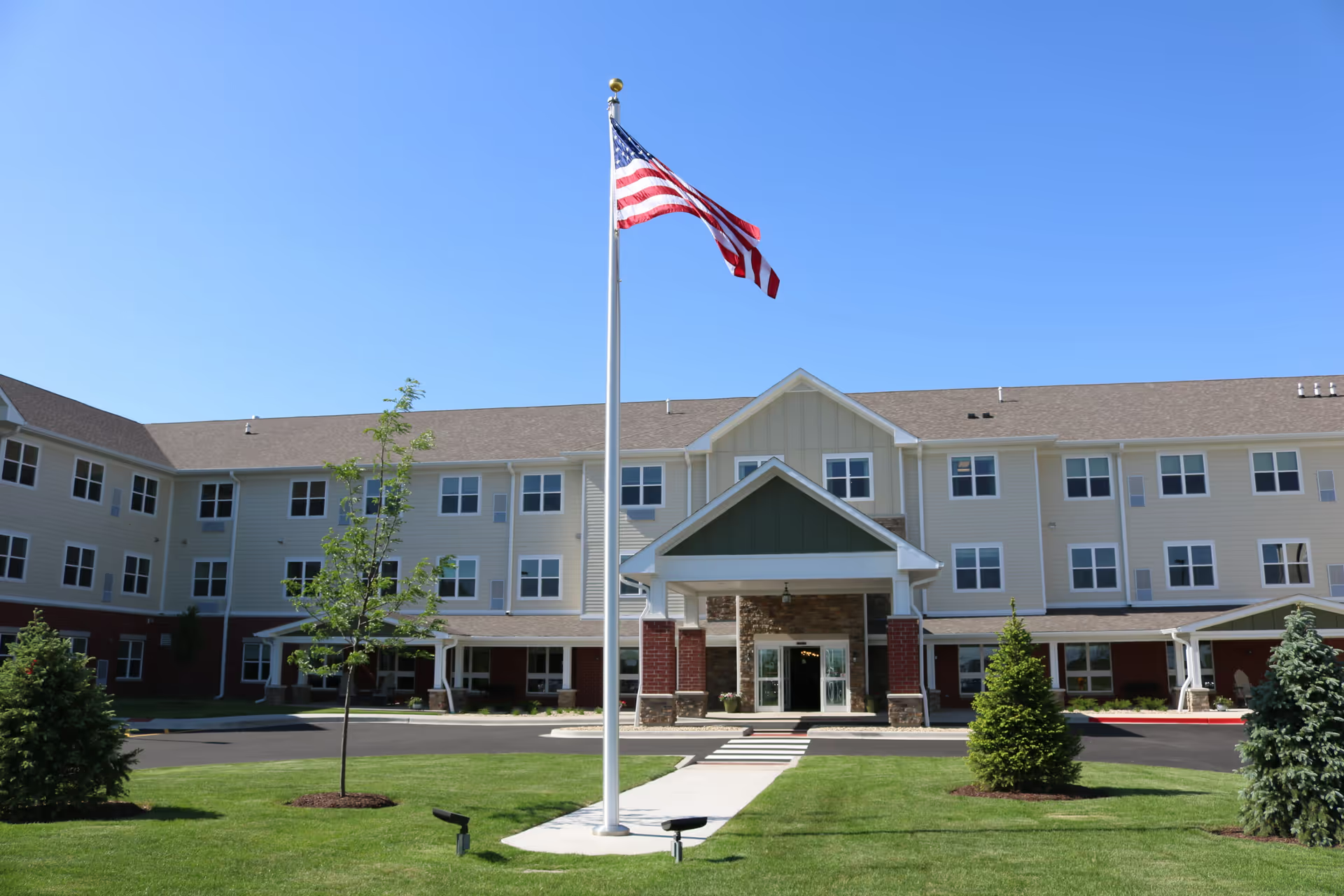
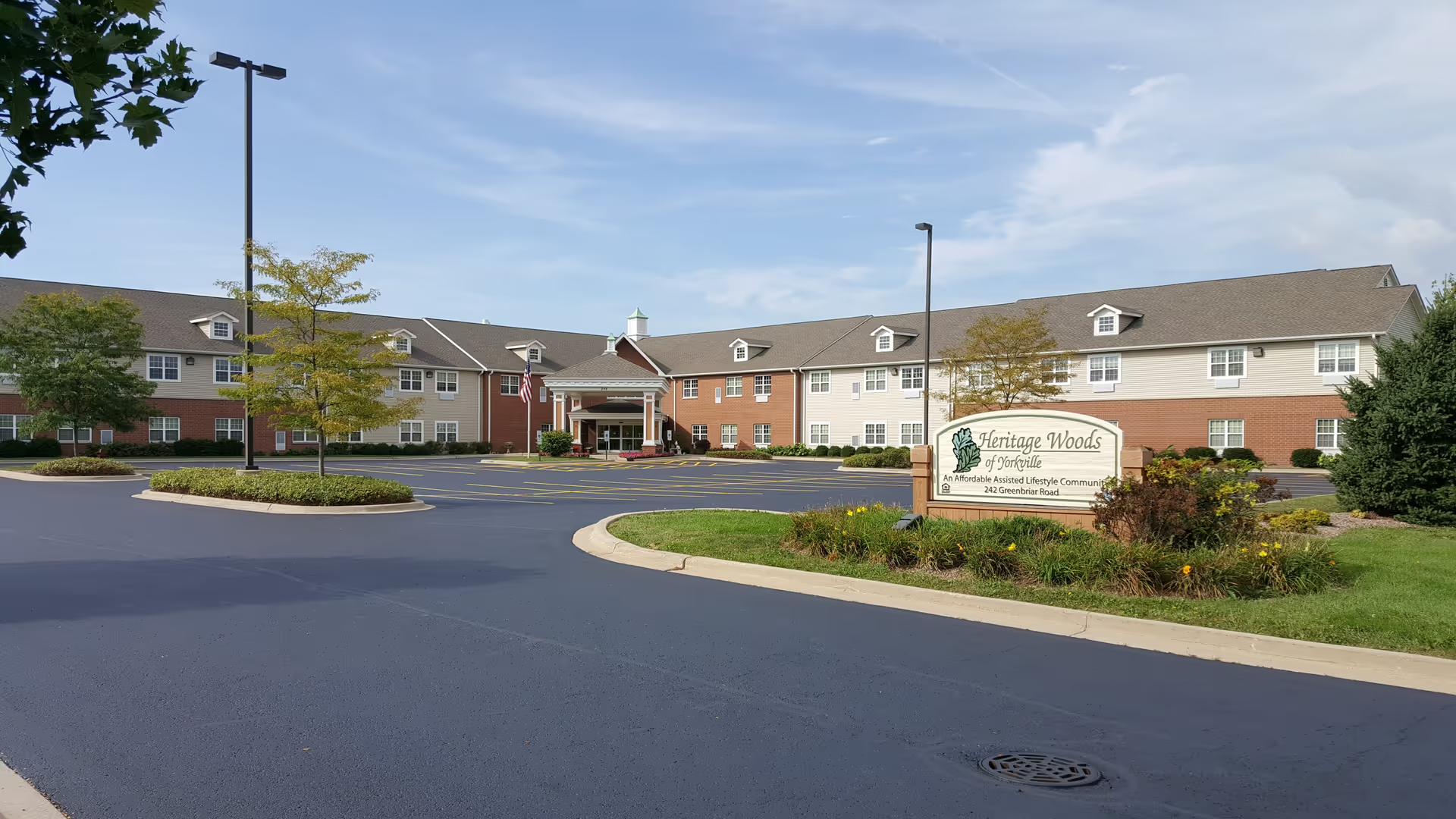
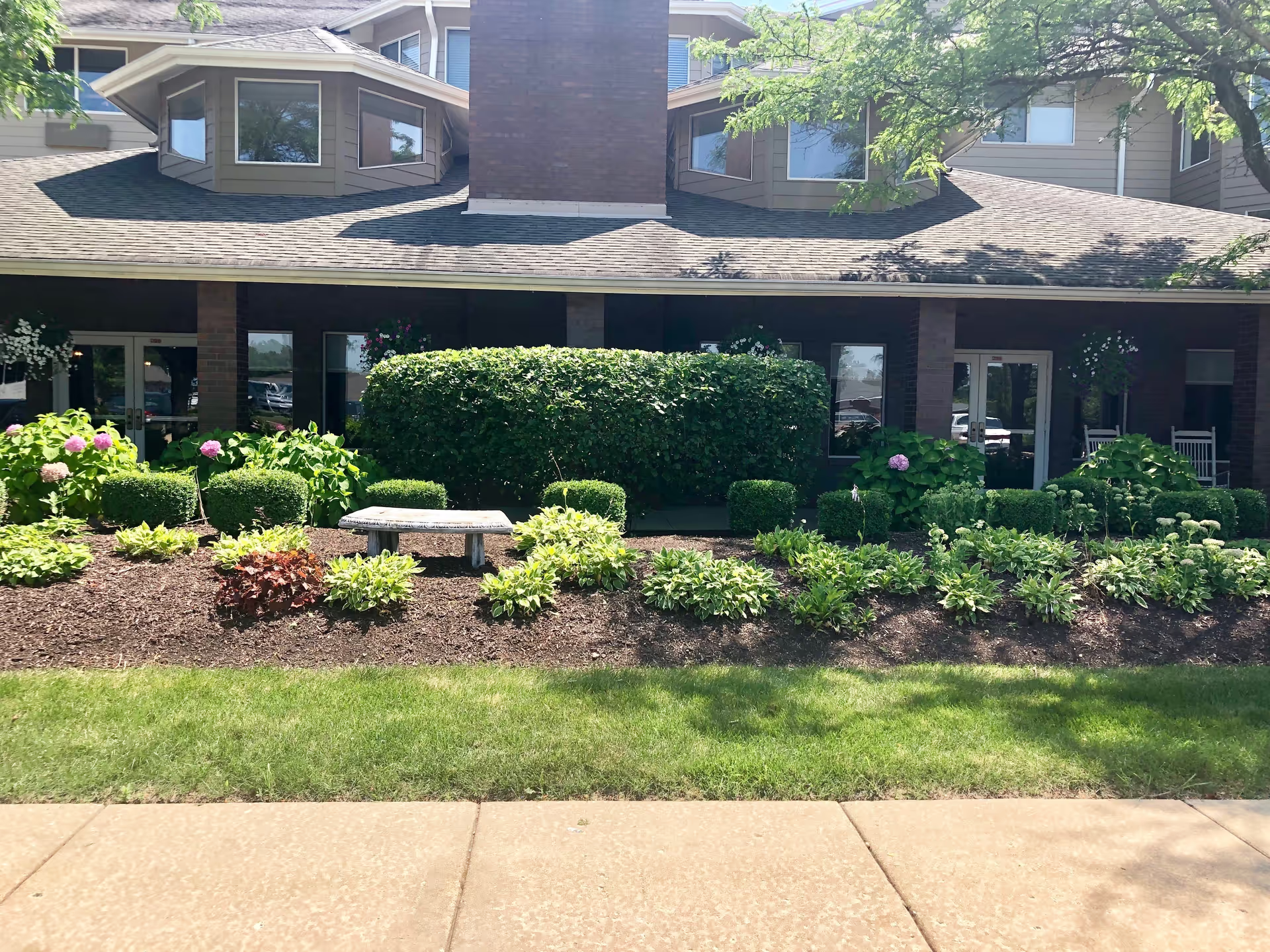
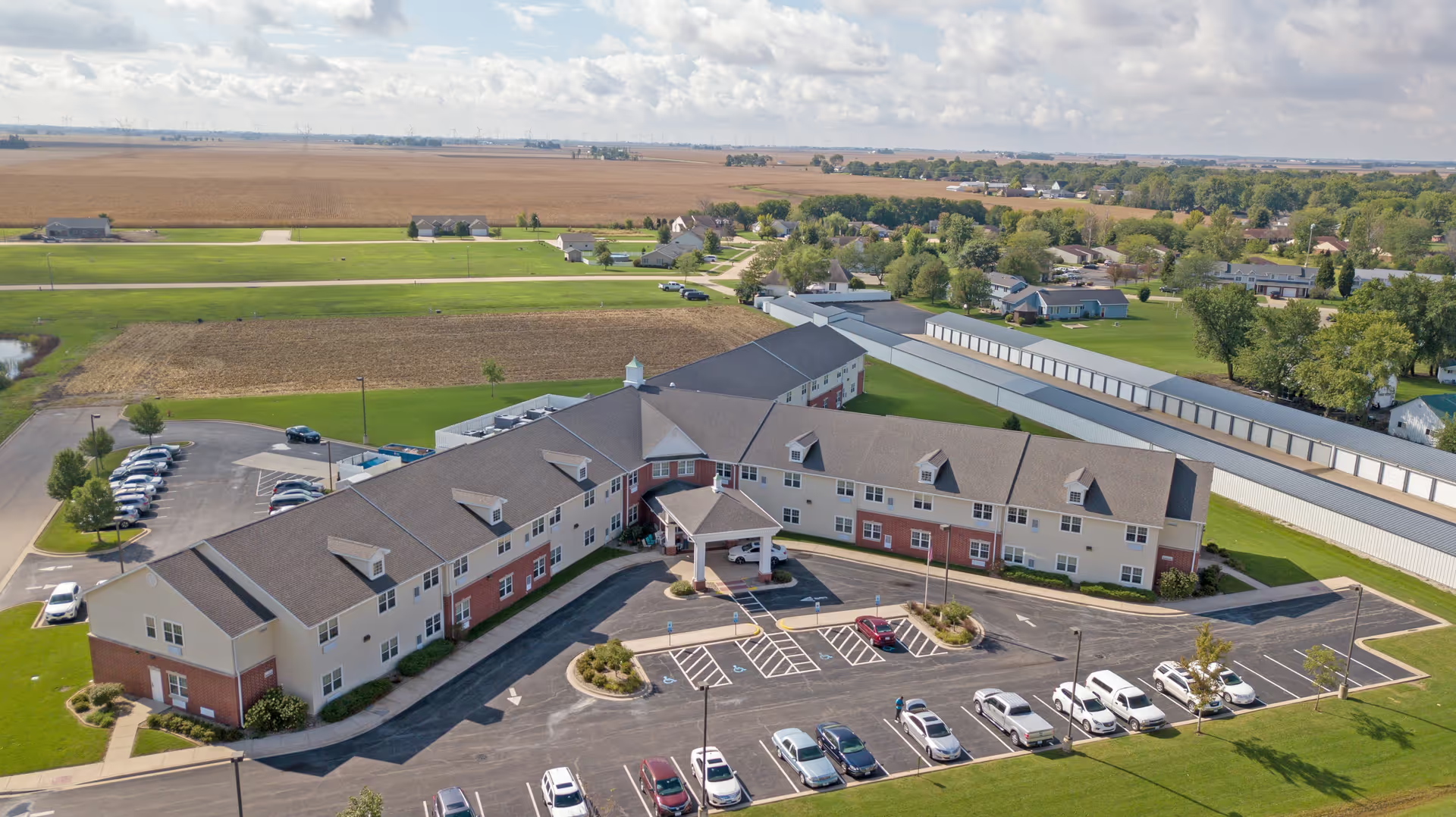
Reviews of Serenity Estates of Morris describe a facility with clear strengths alongside recurring operational weaknesses. Many families and patients praised the compassion and professionalism of direct-care staff and specific administrative personnel; commenters highlighted attentive end-of-life support, respectful resident interactions, and positive short-term rehabilitation outcomes. Multiple accounts also note thoughtful family gestures, timely floral arrangements, and a generally well-maintained public appearance and rooms when care met expectations.
At the same time, a number of reviews describe patterns that indicate operational instability. Staffing levels and coverage are cited as inconsistent, which reviewers link to long wait times for assistance, delayed medication administration, and delays in clinical follow-up such as bloodwork or infection evaluation. These issues contribute to concerns about resident safety monitoring and fall-prevention practices. Several families reported difficulties with care coordination, missing supplies, and prolonged unresolved paperwork during transitions of care.
Housekeeping and resident personal-care practices emerge as a major area of variability. While some reviewers found the facility clean and odor-free, others described sanitation concerns and incontinence-care delays in specific units or shifts. Dining experiences are similarly mixed: the chef and some meals receive praise, but other accounts describe inconsistent meal quality and service disruptions.
Communication and management practices present a mixed picture. Positive comments about helpful administrative leadership and individual staff members coexist with criticisms of poor responsiveness, curt or disrespectful communication from business-office staff, and a sense that management changes have sometimes reduced accountability. Several reviewers expressed frustration that serious clinical or safety concerns were not addressed quickly, and a small number referenced concerns following a resident's death and limited follow-up from leadership.
Overall impression: Serenity Estates appears to offer capable, compassionate care in many cases—notably for short-term rehab and end-of-life support—and benefits from dedicated caregivers and some strong administrative staff. However, prospective residents and families should be aware of recurring operational weaknesses: inconsistent staffing, variable sanitation and personal-care practices, gaps in clinical follow-up and medication timeliness, and uneven management responsiveness. Those considering the facility would benefit from asking targeted questions about current staffing ratios, medication and lab follow-up protocols, housekeeping standards for the specific unit, and how leadership handles and documents incident follow-up and family communication.