American House Cedarlake presents a mixed but clear pattern: operational strengths in facility upkeep, resident-focused programming, and frontline caregiving, alongside recurring operational weaknesses that materially affect day-to-day resident experience.
Care and clinical services: Many reviewers describe competent, caring CNAs and an available nursing presence that provides attentive hands-on care and responsive communication with families under routine circumstances. At the same time, several accounts indicate periods when clinical and support staffing were thin in assisted living, which affected basic services and infection-control continuity. Prospective families should ask about current nurse and CNA staffing ratios, recent turnover, and contingency plans for periods of staff shortage.
Staff and management: Frontline employees — dining servers, life-enrichment staff, maintenance teams, and many caregiving staff — are frequently characterized as friendly, helpful, and engaged. Conversely, there are repeated references to weaknesses in upper-management responsiveness, inconsistent front-desk conduct, and instances where management direction was perceived as unclear or absent. Multiple reviewers cite high staff turnover and payroll/morale pressures; these operational issues appear to drive several of the service inconsistencies noted elsewhere.
Dining and housekeeping: Dining impressions are polarized. Numerous reviews praise the chef, pastry offerings, cafe service, and menu items when kitchen staffing and supply chains are stable. However, there are also recurring complaints about kitchen staffing gaps, meals temporarily served in disposable containers, limited menu availability, small portions, and food running out. Housekeeping is similarly variable: many residents report clean, well-maintained apartments and common areas, while others describe reduced room-cleaning frequency. Clarify current kitchen staffing, meal-service schedules, and housekeeping contracts when you visit.
Activities and social life: The facility offers a broad set of life-enrichment options — exercise classes, crafts, games, outings, worship services, and special events — and many residents find the schedule active and engaging. That said, some reviewers experienced limited activity programming at specific times, which suggests variability depending on staffing and pandemic-related restrictions. Ask for a current activity calendar and examples of typical weekly offerings.
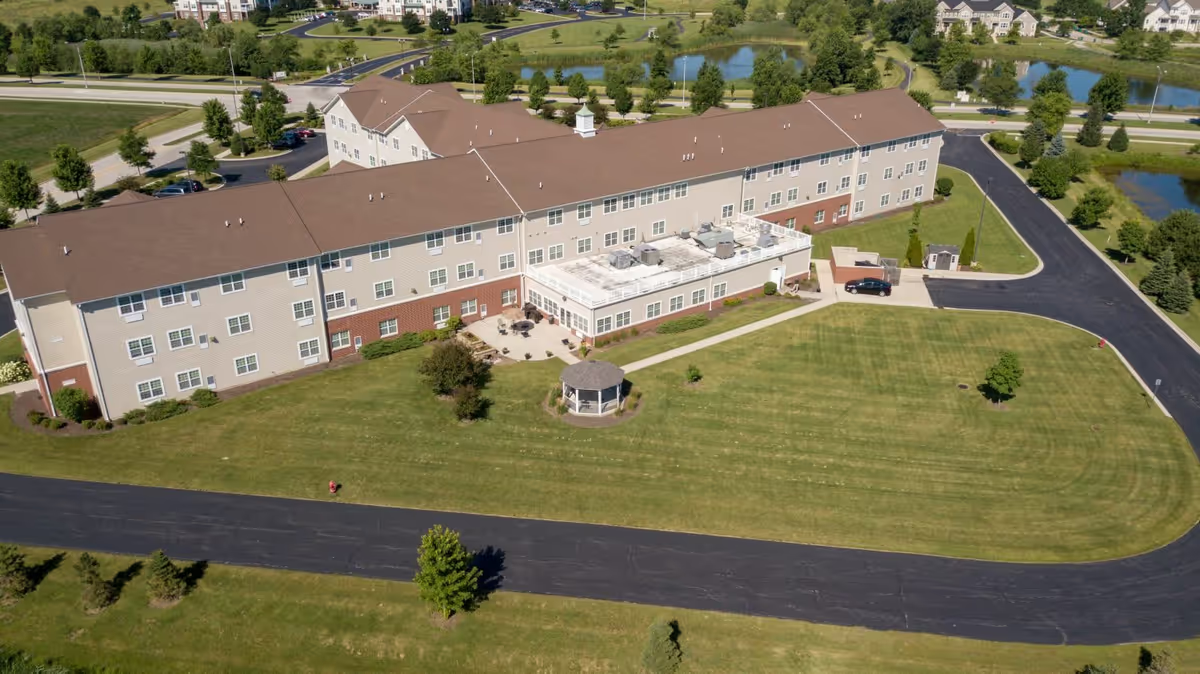
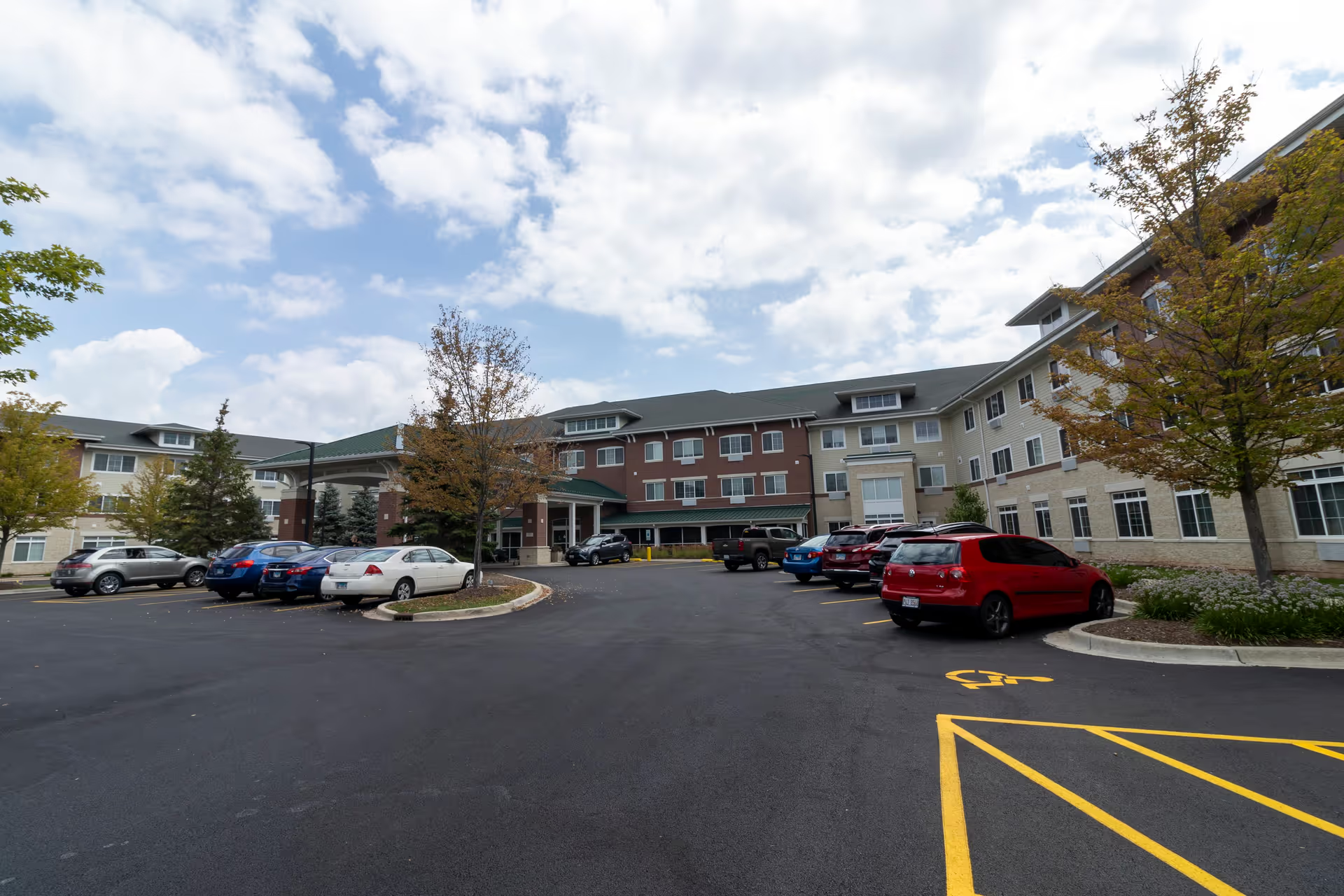
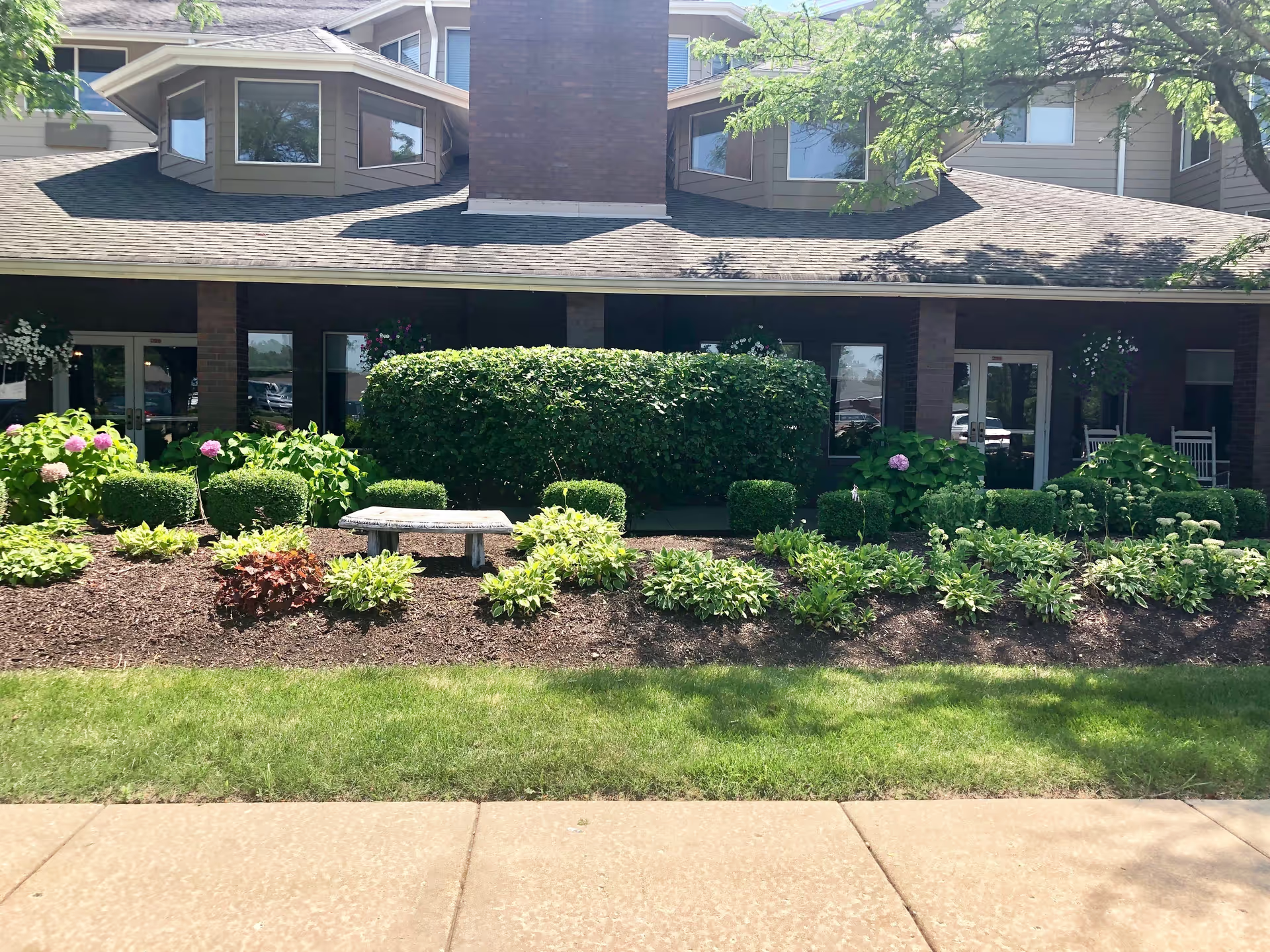
Facilities and amenities: Physical plant strengths include spacious floor plans, in-unit laundry options, secure heated parking, attractive grounds with walking loops and a pond, and multiple common rooms (library, activity rooms, bistro). Some infrastructure gaps were noted intermittently, such as limited building-wide Wi‑Fi and inconsistent central air in certain units. Memory-care options are limited or not available on site, which may be relevant for long-term care planning.
Notable patterns and considerations: A clear pattern is temporal and operational variability — many positive experiences coexist with accounts of service breakdowns that appear tied to staffing, management turnover, and pandemic-era pressures. Financial concerns such as rent increases during COVID and perceived value for cost are recurring themes. For prospective residents and families, key questions to pursue during a visit include current staffing levels and turnover, housekeeping frequency, kitchen staffing and meal continuity plans, family-notification procedures for clinical events, memory-care transition options, and specifics about billing and rent-increase policies. A guided observation of meal service, an activity session, and a tour of multiple unit types will help assess consistency between the facility’s strengths and the operational challenges highlighted in reviews.