Overall impression: Reviews describe a facility with many institutional strengths alongside recurring operational weaknesses. Strong, compassionate caregiving and a robust life-enrichment program are the most consistent positives: staff who know residents by name, frequent organized activities, abundant common areas and hotel-like finishes receive frequent praise. The community also lists substantial on-site clinical and wellness resources (PT/OT, visiting physicians), a range of apartment sizes, and housekeeping/linen services — features that support both independent and assisted residents.
Care and clinical oversight: Families and visitors frequently highlight attentive aides and nurses, smooth transfers between independent and assisted levels when those transitions occur, and effective rehabilitation services. At the same time, a recurring pattern includes understaffing, scheduling instability, and variable clinical oversight. Reported operational gaps include delays responding to care needs, inconsistencies in medication administration and documentation, and occasional lapses in routine checks. Memory-care and behavioral-health capability are described as uneven; some reviewers felt the community lacked sufficient specialized staffing or protocols for residents with behavioral or complex psych needs.
Staff and management: Many reviewers name individual staff and praise frontline responsiveness and warmth. However, reviews also reflect notable staff turnover, shifting front-desk coverage, and variable supervisor visibility. Several families described difficulties with management responsiveness, billing clarity, and sales/marketing practices. These management-level issues create variability in the day-to-day resident experience despite generally positive comments about many frontline employees.
Dining and activities: Dining is regularly cited as a strength in terms of taste and menu variety, and the community offers frequent entertainment and outings. Operational problems noted by families include long meal wait times, menu items running out, and occasional service inconsistency. Similarly, the activity calendar is extensive and varied, but engagement and appropriateness of programming vary; some residents find the calendar stimulating while others report low participation for certain offerings or a mismatch with residents’ interests and abilities.
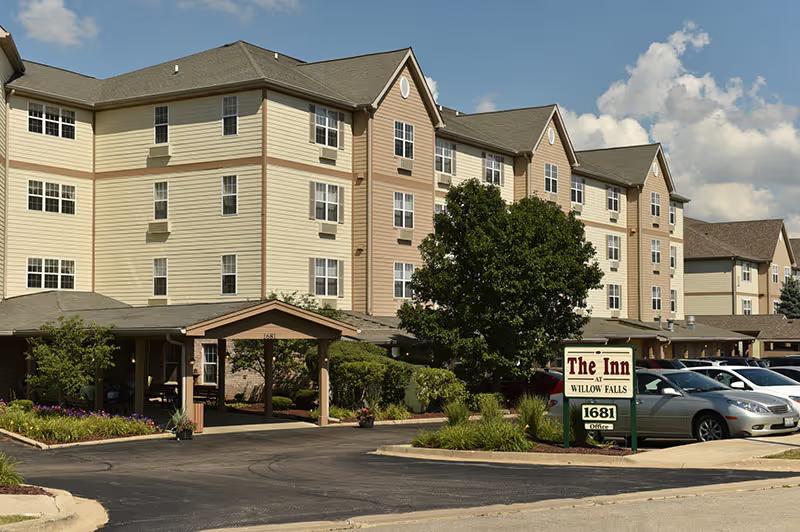
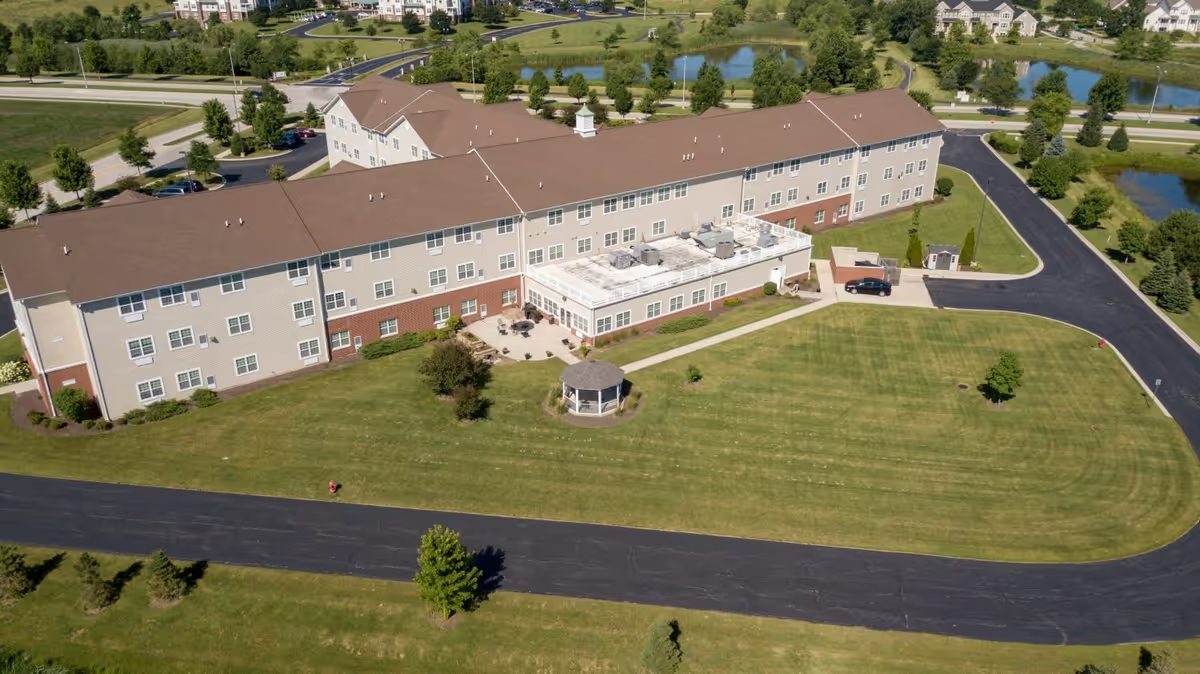
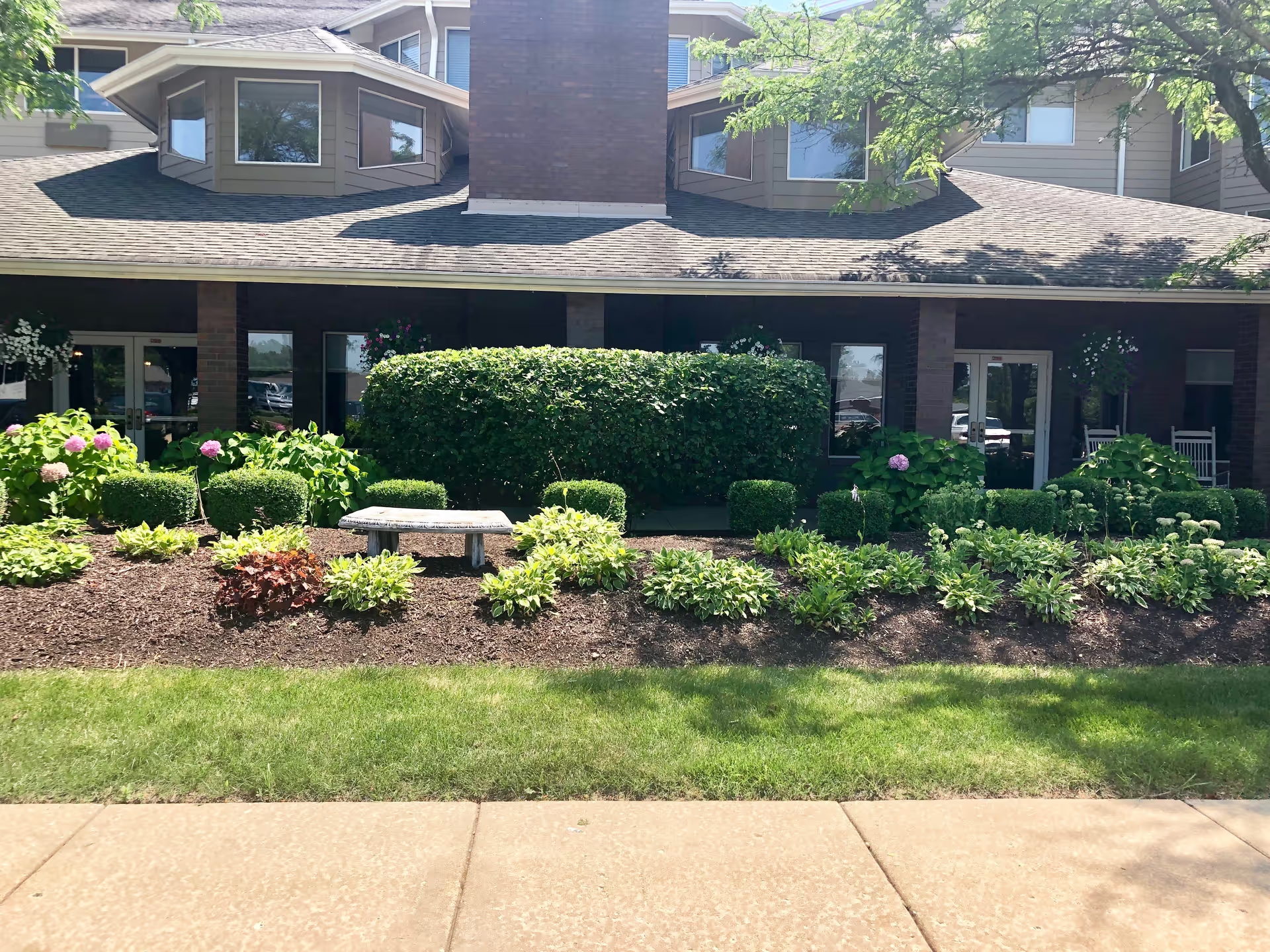
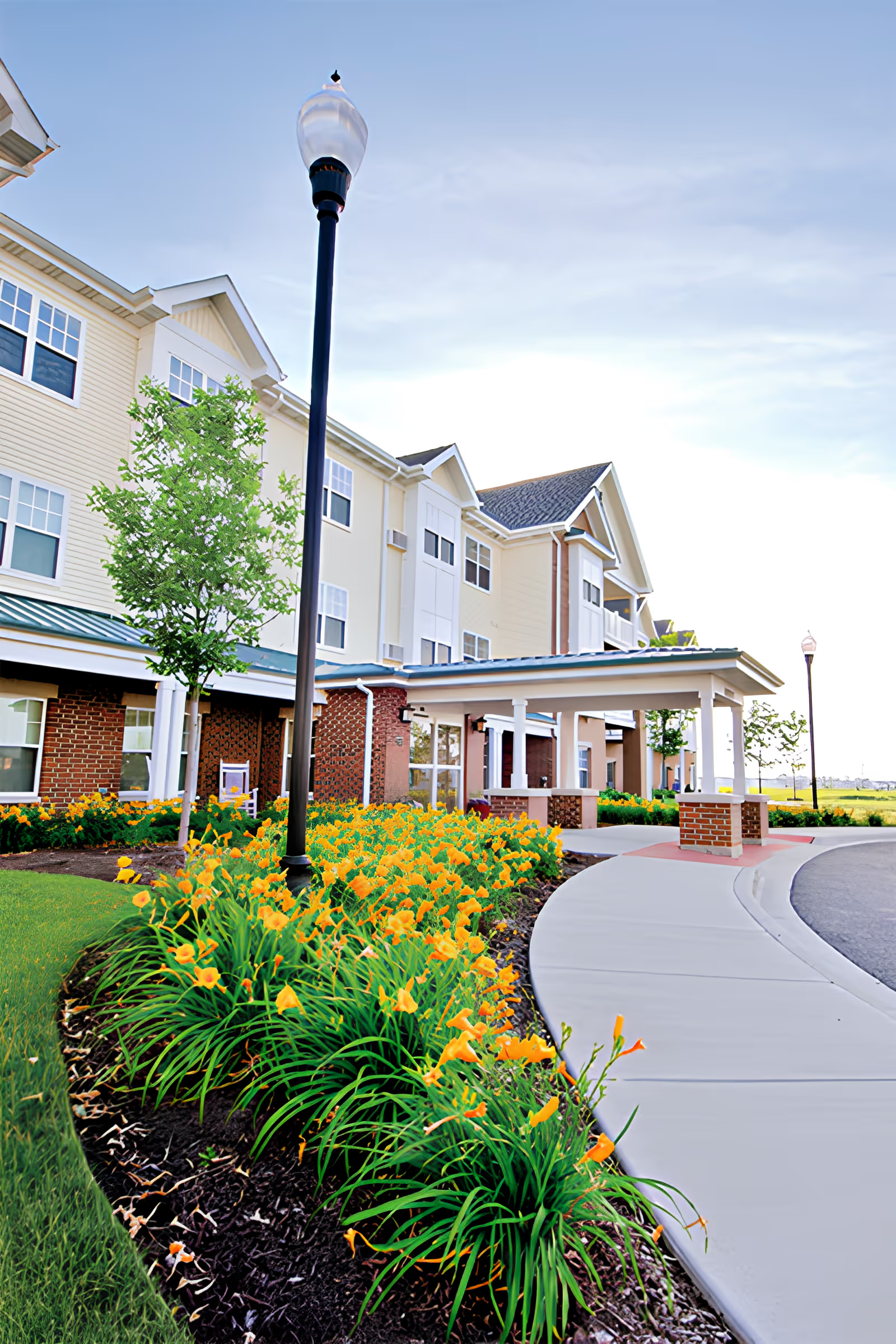
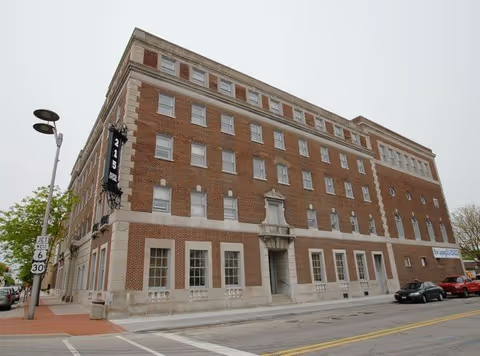
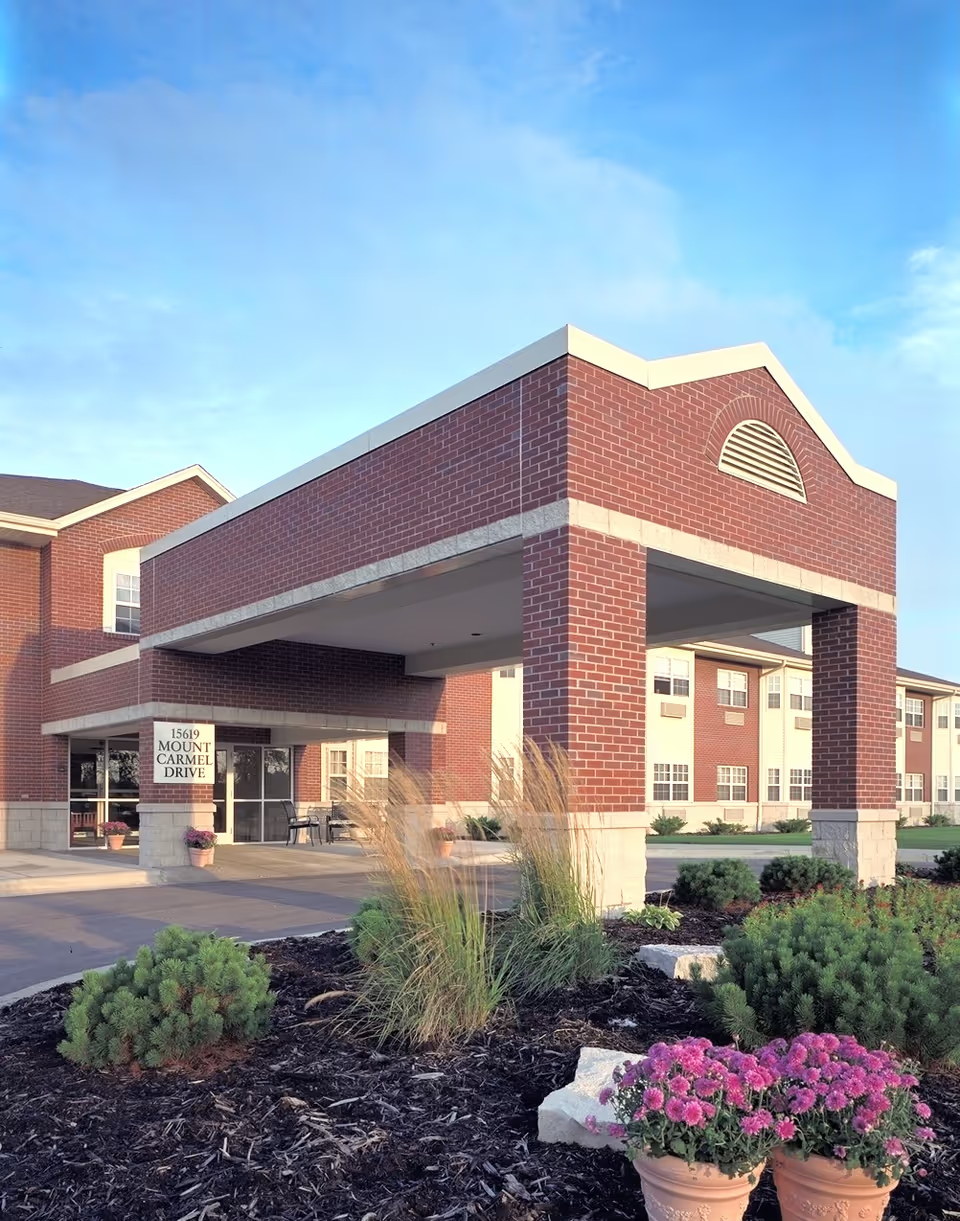
Facilities and amenities: The building and common spaces are widely described as clean, modern, and attractively appointed. Amenities such as a pool/exercise room, salon, therapy spaces, and underground parking appeal to prospective residents. The facility’s size and layout, however, can pose wayfinding and accessibility challenges for some residents and families; parking or garage use may carry additional monthly fees. Apartment sizes vary considerably across the community, with some units noted as particularly large and others described as cramped.
Notable patterns and recommendations for families: Prospective residents are likely to appreciate the social environment, broad activity offerings, and onsite therapy/medical access. At the same time, reviewers point to operational areas worth clarifying during a tour: current staffing ratios and turnover trends, medication-administration protocols and incident reporting, behavioral-health resources in the memory-care neighborhood, sanitation and laundry procedures, billing practices (including extra fees), transportation accessibility, and preparedness for higher-acuity needs. Given documented allegations of financial exploitation in some accounts, families should also ask about resident-asset protections, credit-card/check controls, and incident investigation procedures.
Bottom line: StoryPoint Romeoville presents as an amenity-rich, social community with many caring staff and strong programming. However, recurring themes of staffing instability, inconsistent clinical practices, management and billing concerns, and a handful of serious safety/security allegations introduce variability in the resident experience. A focused, in-person assessment that verifies current staffing, clinical leadership presence, and financial protections will help determine whether the facility’s strengths align with an individual resident’s care and safety needs.