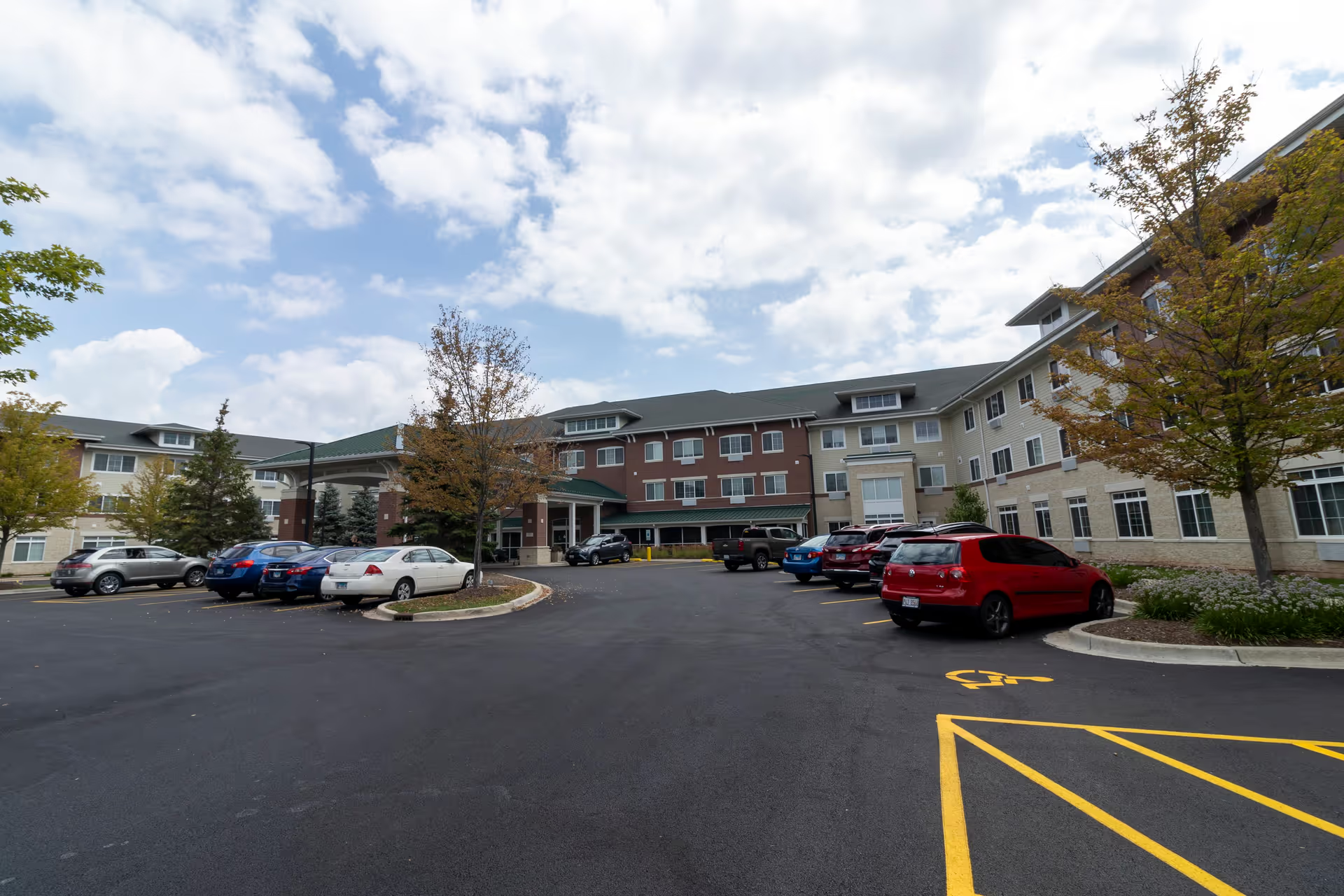
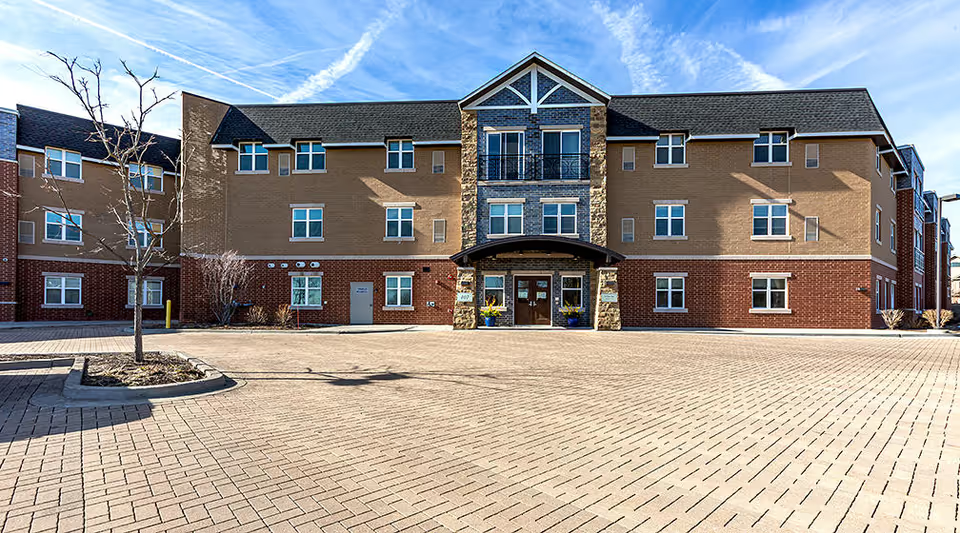
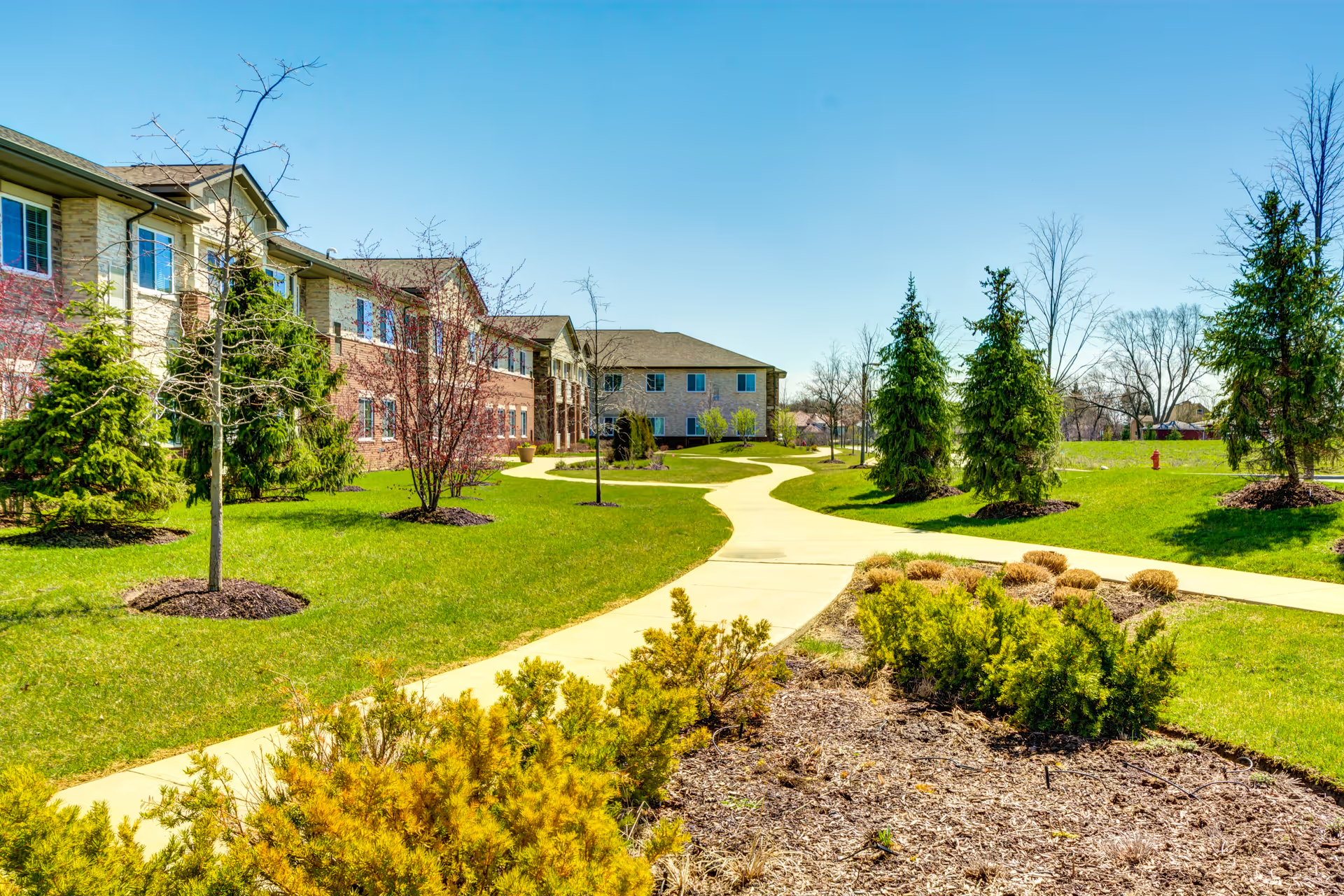
Encore Memory Care at Bolingbrook presents as a small, well-appointed memory-care community with many features families value. The facility's physical environment is consistently described as clean, fresh, and thoughtfully furnished, with a one-story layout, library, activity rooms, indoor patios and outdoor garden space. Amenities such as an on-site barber/beauty salon, a large activities area, and on-site physical and occupational therapy—and reported physician presence—support both daily living and clinical needs for residents living with memory impairment.
Care and staffing are mixed but trend positively in many accounts. Numerous families describe caregivers as warm, patient, and attentive; staff–resident interactions are frequently characterized as respectful and family-like. Reviewers cite timely move-in assistance and many examples of staff going beyond routine duties to support residents during hospitalizations or transitions. At the same time, there are recurring operational concerns tied to staffing stability: reviewers describe periods of understaffing, turnover, and resultant reductions in group activities or visible supervision. These staffing issues are connected in some accounts with lapses in supervision and fall-prevention practices, which is a material consideration for prospective residents with mobility or wandering risk.
Dining and programming receive generally favorable remarks. Food is often described as varied, appropriately portioned, and resident-friendly; several reviewers also appreciated accommodations such as staff and residents eating the same meals and adjustments to dietary offerings. The activity program is a clear strength when fully staffed—arts and crafts, music, gardening, themed events, and motor-skills–focused sessions are regularly mentioned. However, families reported variability in how consistently group programming is delivered, and some found certain activities insufficiently stimulating for residents with higher cognitive function.
Management and communication are areas with divergent experiences. Many families praise responsive administration and clear updates about resident progress; others note slow responses to concerns, perceived defensiveness when complaints are raised, and discontinuities following management changes. Issues that surfaced in a minority of accounts include inconsistent housekeeping or personal-care follow-through, lapses in coordination of medical appointments or follow-up, and occasional handling errors related to resident belongings or billing. A few reviewers expressed that the community may have limitations caring for higher-acuity dementia cases and encouraged careful assessment of fit before placement.
Overall, Encore Bolingbrook combines strong environmental and programmatic assets with an engaged caregiving culture in many instances. Prospective families should weigh the facility's strengths—specialized memory-care focus, robust activities when staffing is stable, clinical resources on site, and a small, home-like atmosphere—against operational risks tied to staffing continuity, supervision practices, and occasional communication shortfalls. Recommended due diligence: ask about current staffing ratios and turnover, fall-prevention and wandering protocols, recent management changes and their impact on programming, housekeeping schedules, meal-choice flexibility, and the facility's process for communicating clinical incidents and billing adjustments to families.