Sunrise of Westmont presents as a modern, program-forward senior living community with particular strengths in memory-care programming and communal life. The facility's Montessori-style approach, strengths-based pairing, and specialty 'gems' programming are repeatedly cited as preserving resident skills and easing transitions into memory care. Families and visitors also highlight coordinated hospice support and an emphasis on dignity at end of life.
Care and staffing generate mixed but actionable signals. Many accounts praise direct-care staff as compassionate, personable, and attentive — staff often know residents by name, provide timely fall follow-up, and facilitate family involvement. At the same time, persistent operational concerns recur: inconsistent staffing coverage, limited RN availability during some shifts, and gaps in medication administration and documentation. Those patterns suggest the facility can provide strong person-centered care when staffing is stable but may experience service variability during staffing shortages or organizational changes.
Dining and activities are frequently noted as community highlights. The dining program is described as social and accommodating, with options for picky eaters, themed events, and improved menu offerings since reopening. However, families note occasional long meal wait times and uneven food quality over time, so meal-service timing and consistency appear variable. Activity programming is a clear strength: residents have access to a broad mix of on-site offerings (live music, lectures, exercise classes, resident-led sessions, happy hours), outdoor events, and periodic bus trips. Some residents, particularly those unfamiliar with the layout or new to the community, report difficulty accessing certain outings or regularly scheduled activities.
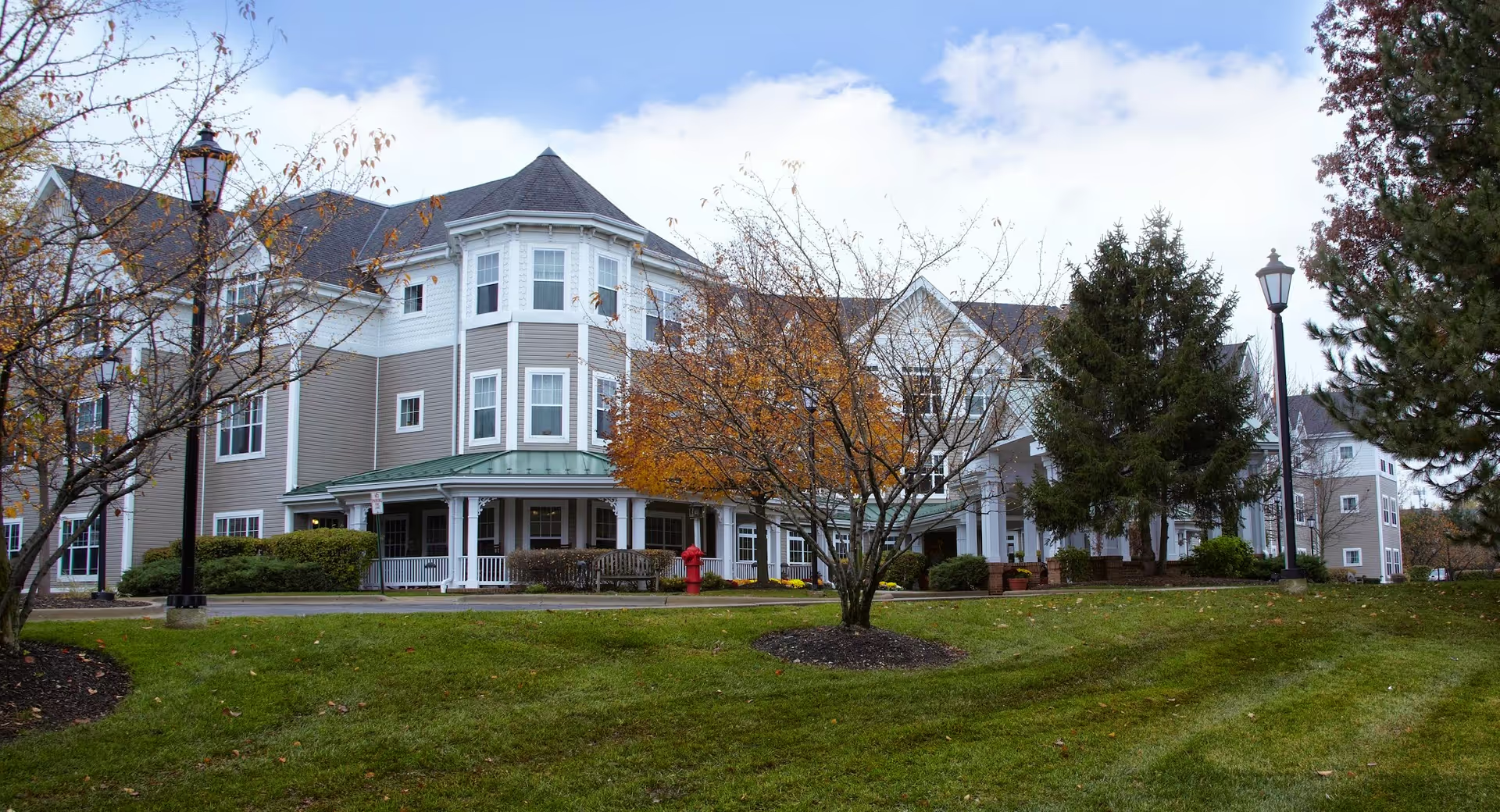
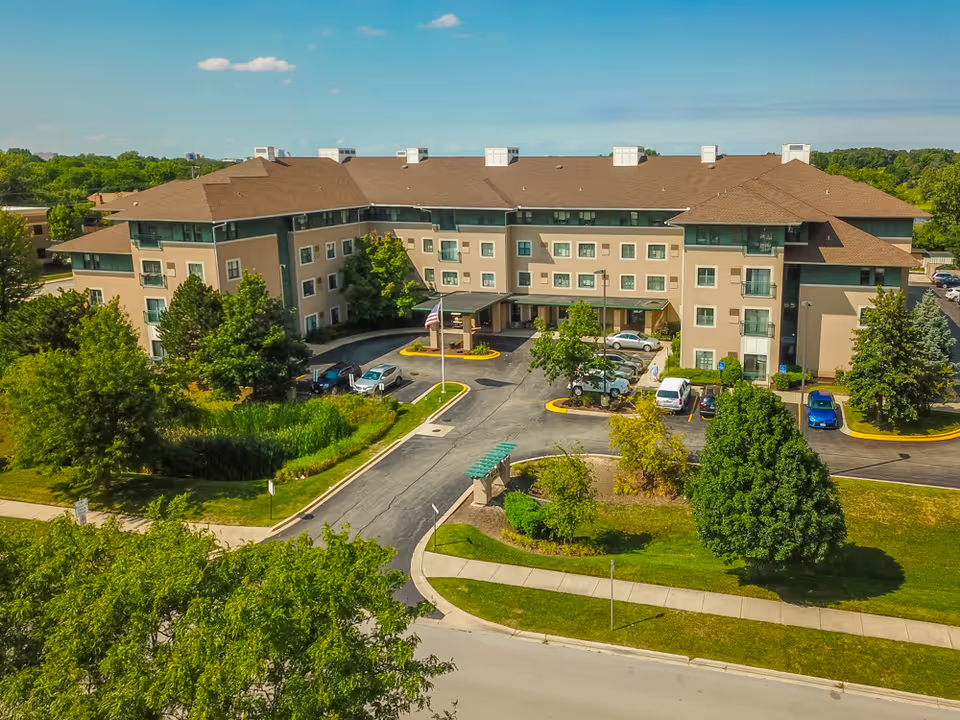
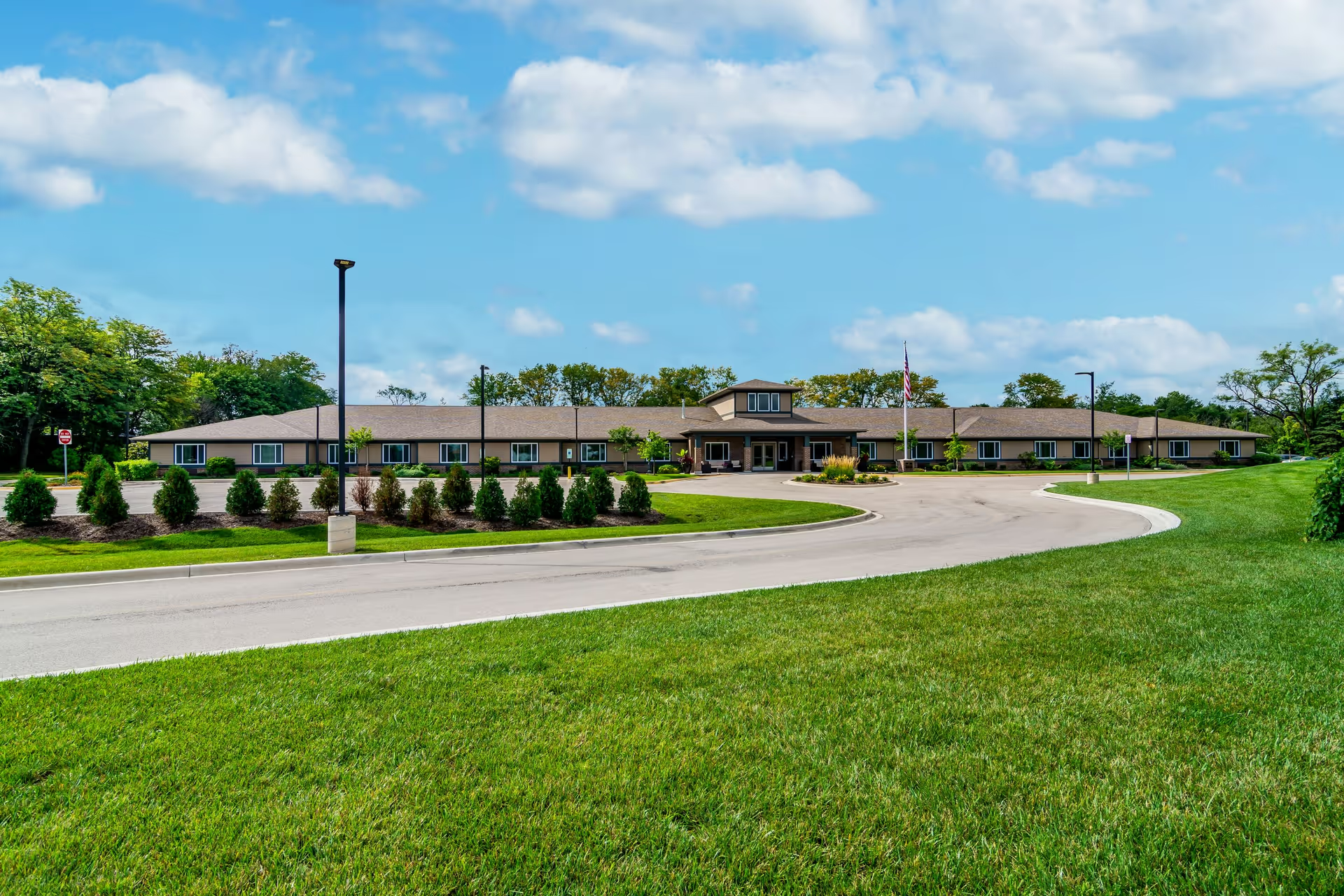
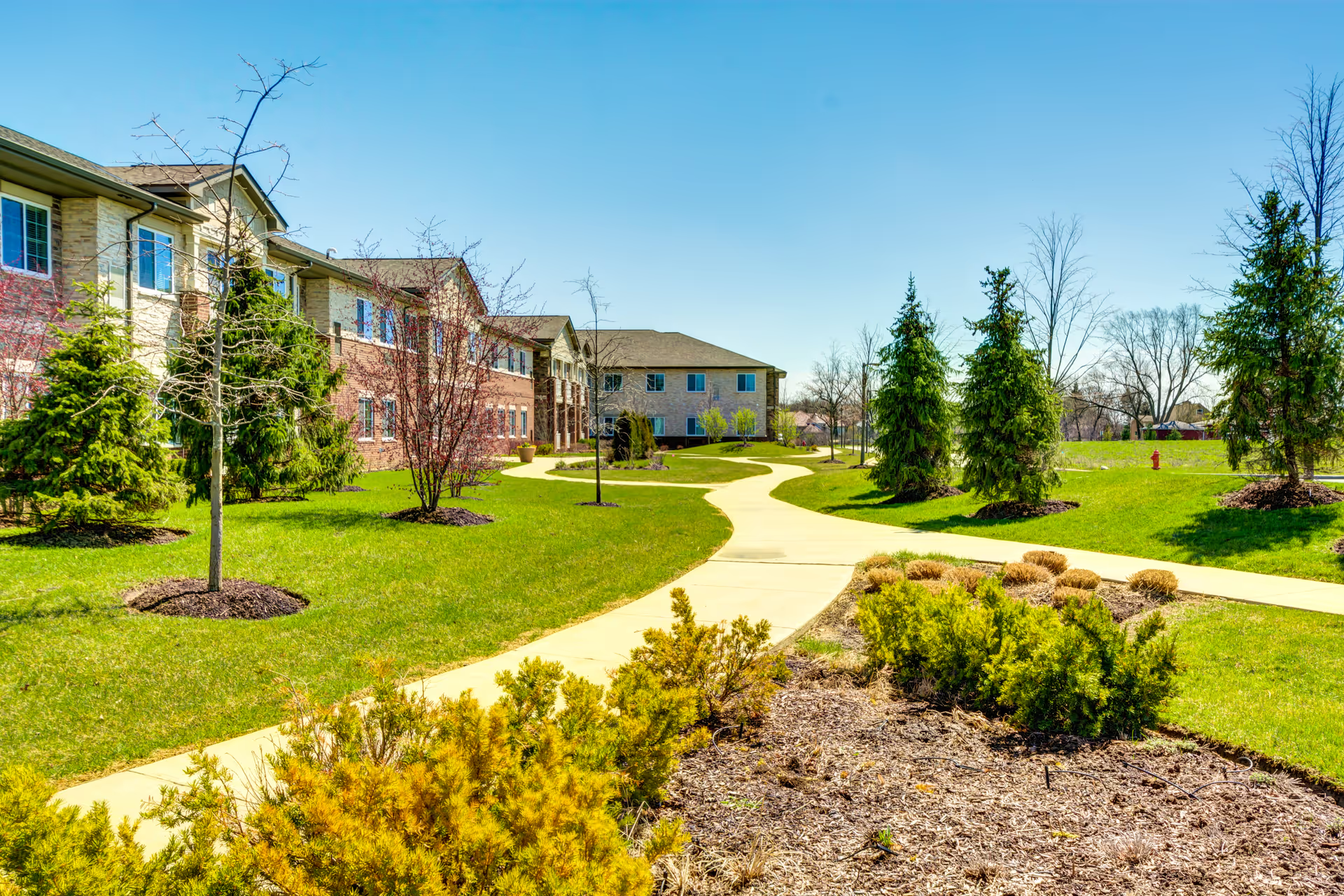
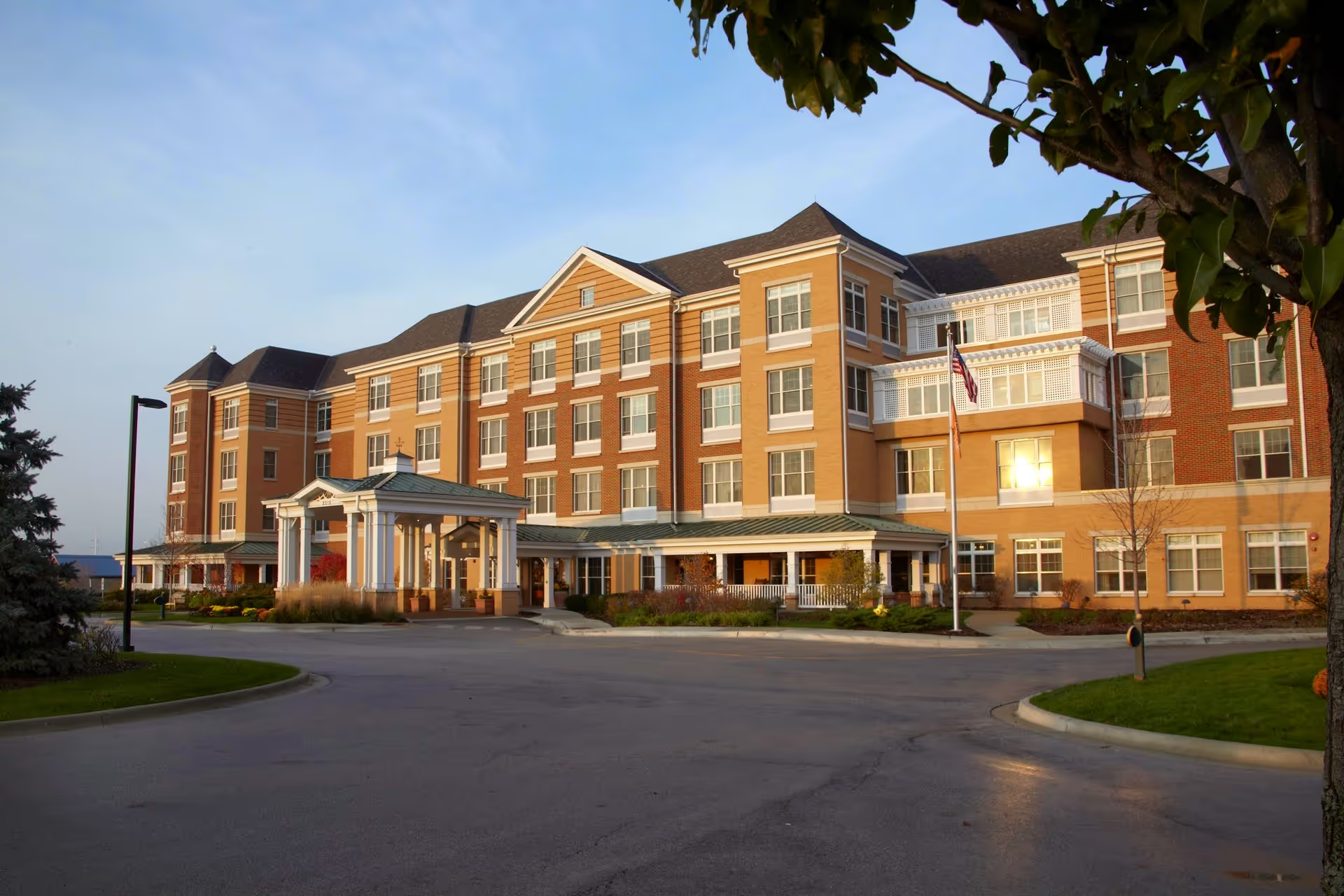
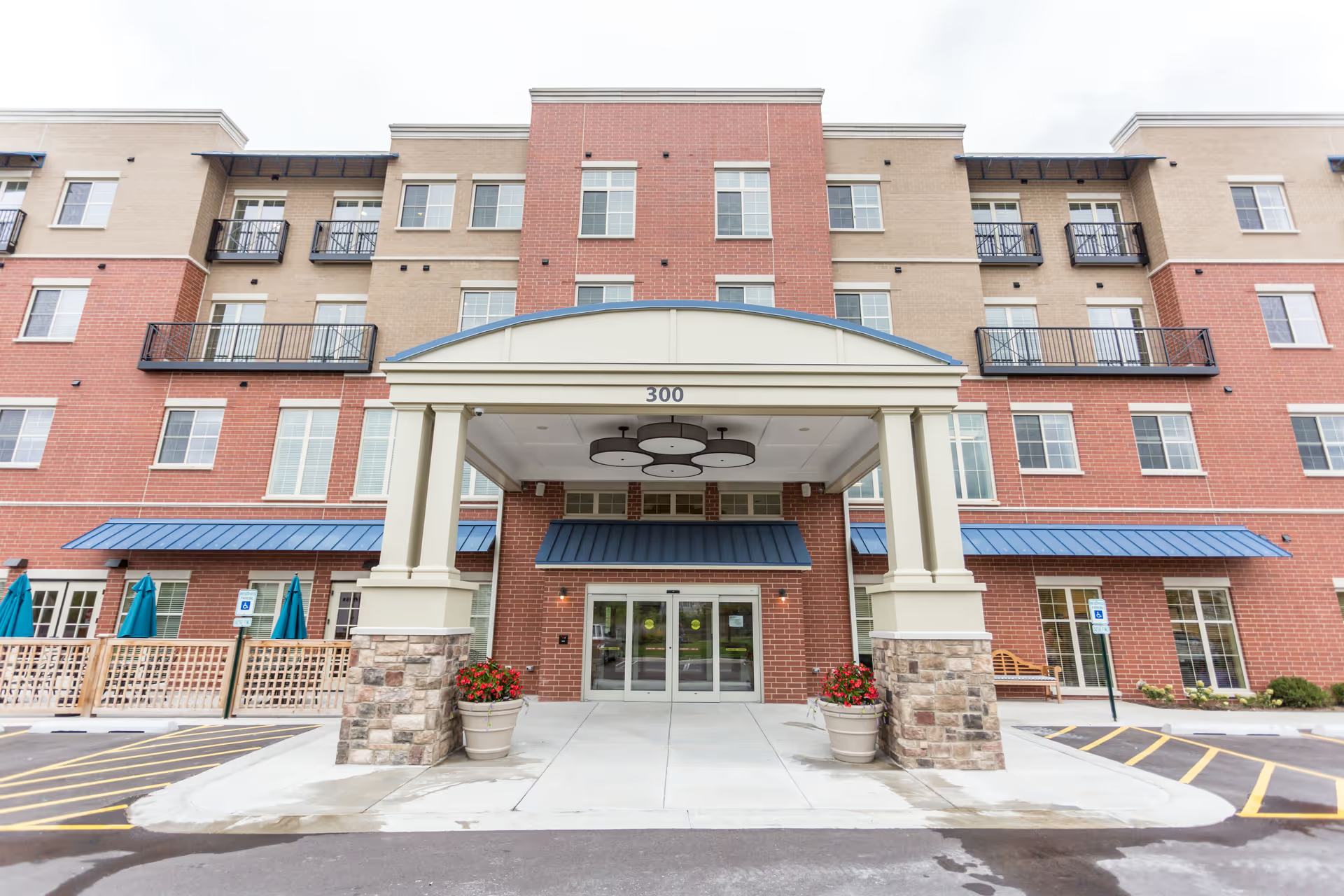
The physical environment is a strong selling point. Reviewers describe a newly built, clean, well‑laid‑out facility with attractive common areas, patios on each floor, a theater, salon, gym, and accessible corridors. Apartments are generally described as spacious and ADA‑friendly, though a minority of remarks indicate some units are smaller, darker, or have layout quirks (for example, a bathroom configuration lacking a door). Housekeeping appears consistent in public spaces, but there are intermittent sanitation concerns focused on resident rooms and occasional lapses in room-level housekeeping.
Management and operational leadership perceptions are mixed. Admissions and move‑in teams are frequently praised for smooth transitions, helpful placement support, and accommodating short‑notice needs. Conversely, some families note uneven leadership responsiveness, higher turnover, and instances of poor follow-through that contribute to inconsistency in daily operations. Language access is another operational issue: families recommend increasing Spanish‑language staffing to improve communication and care planning for non‑English speakers.
Bottom line: Sunrise of Westmont offers a high-quality physical environment and robust programming, especially for residents needing memory-care supports. Its strengths are most evident when staffing is stable and leadership is proactive. Prospective residents and families should prioritize assessing current clinical staffing levels, medication‑management controls, housekeeping consistency in individual units, and language-access resources during tours to ensure that operational practices meet their expectations over time.