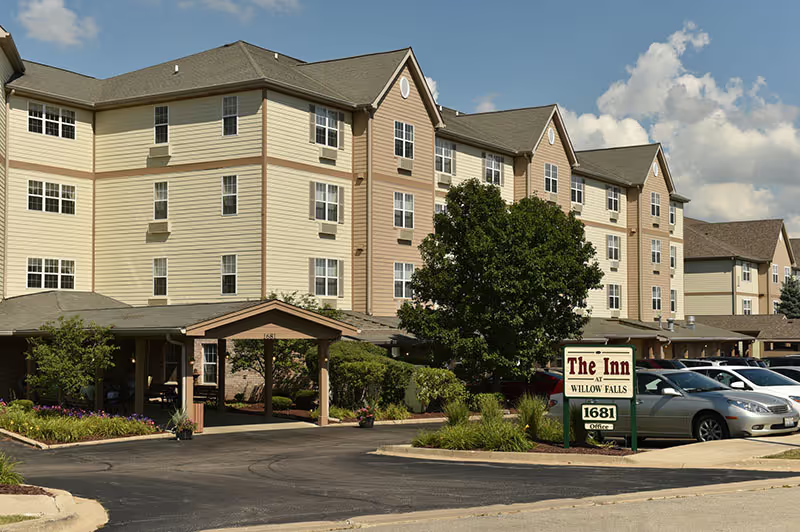
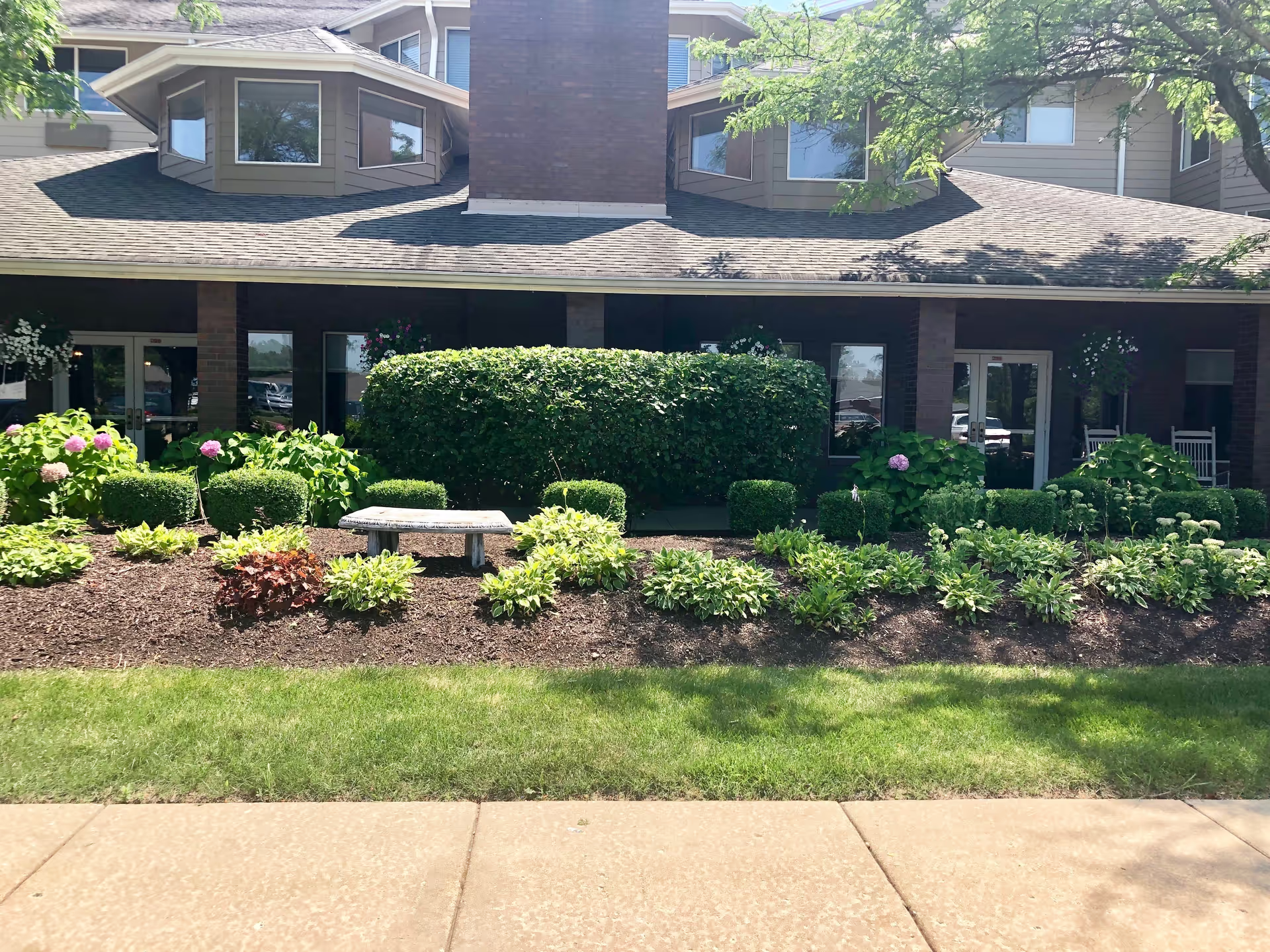
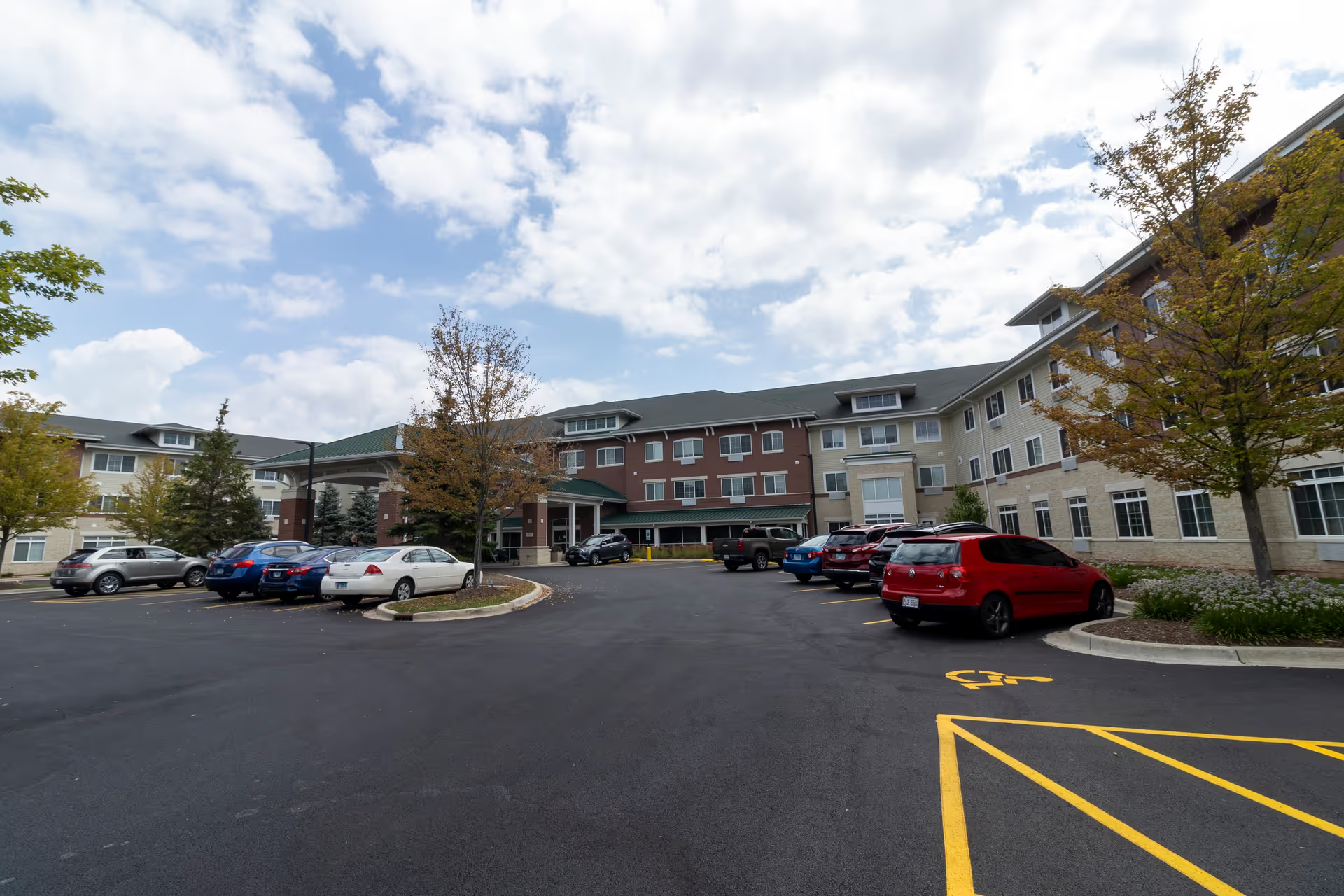
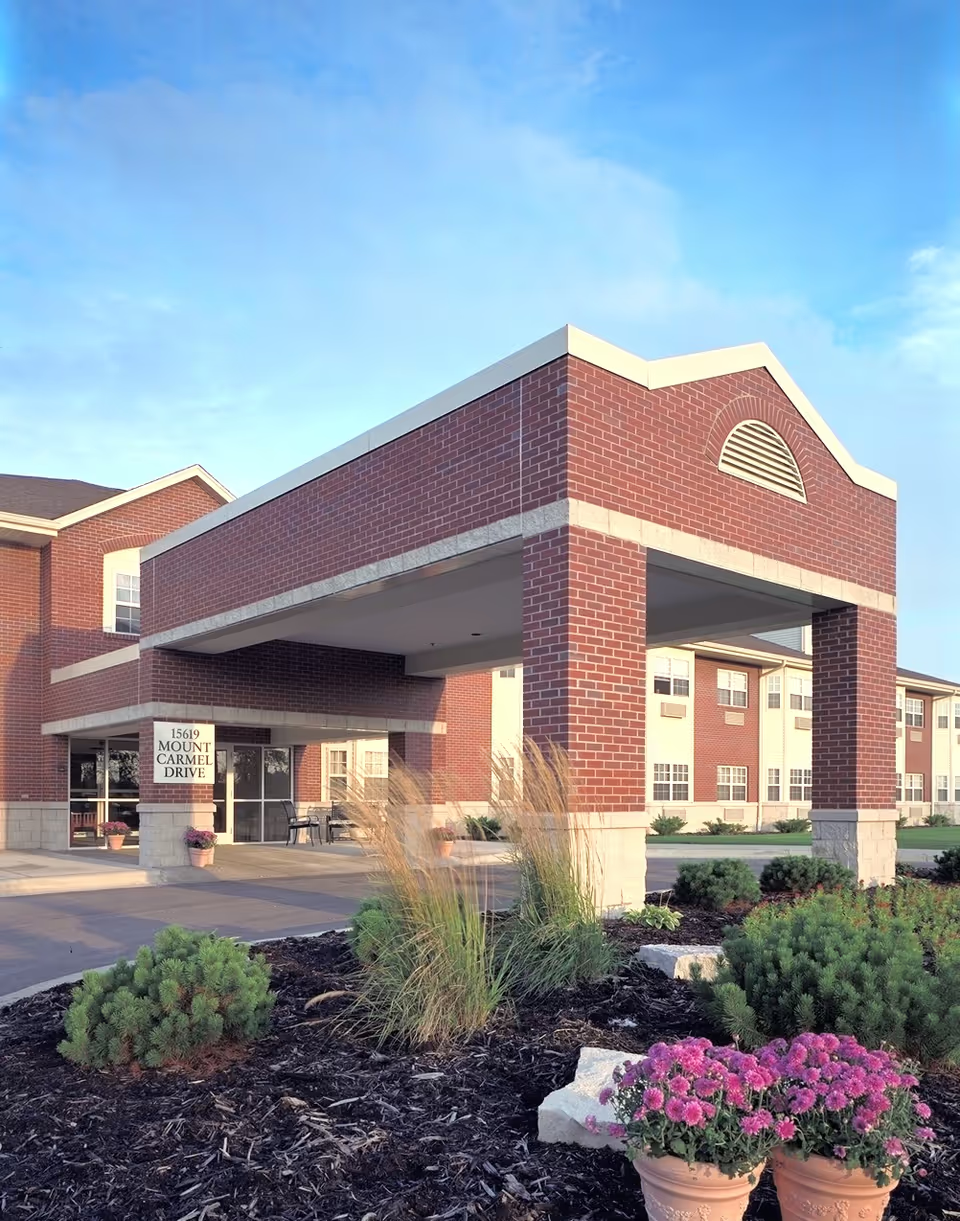
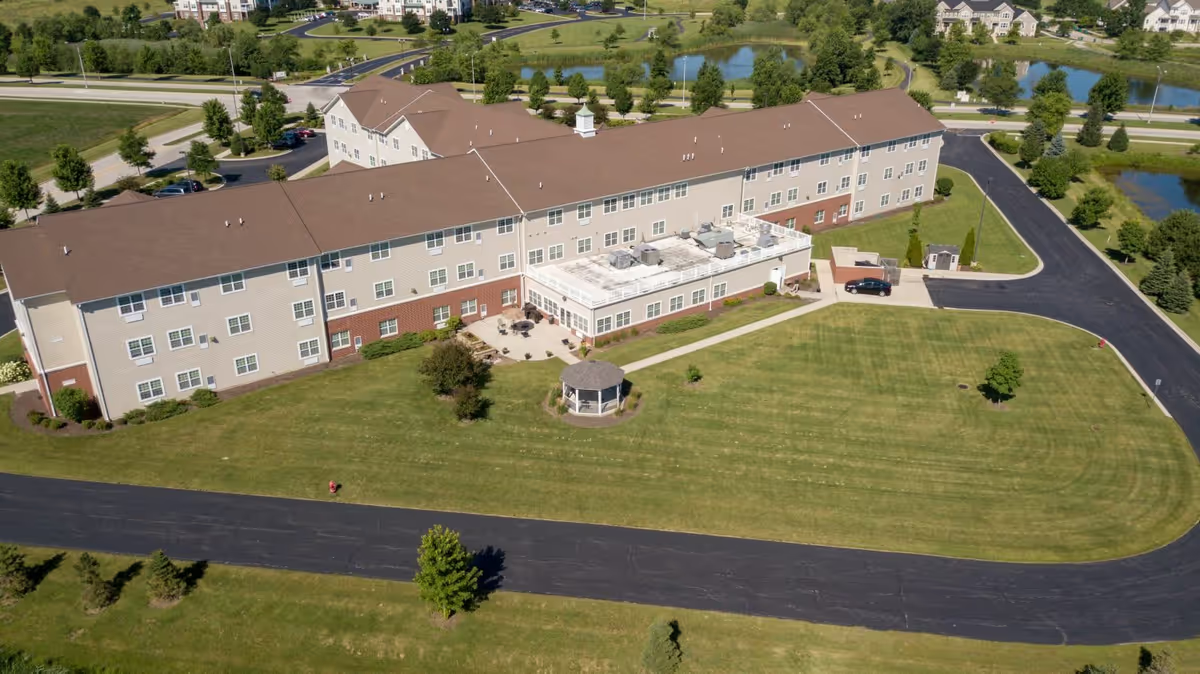
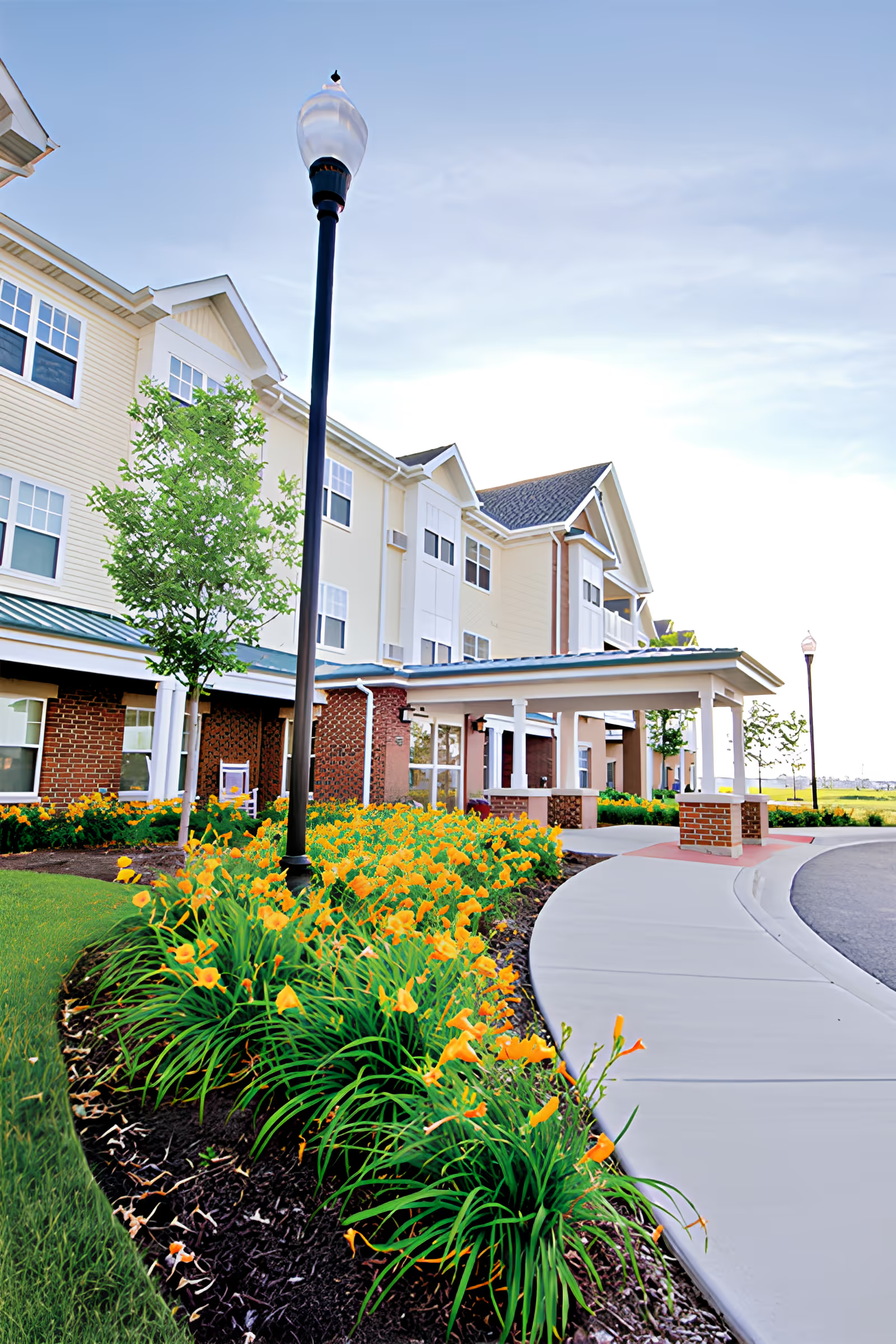
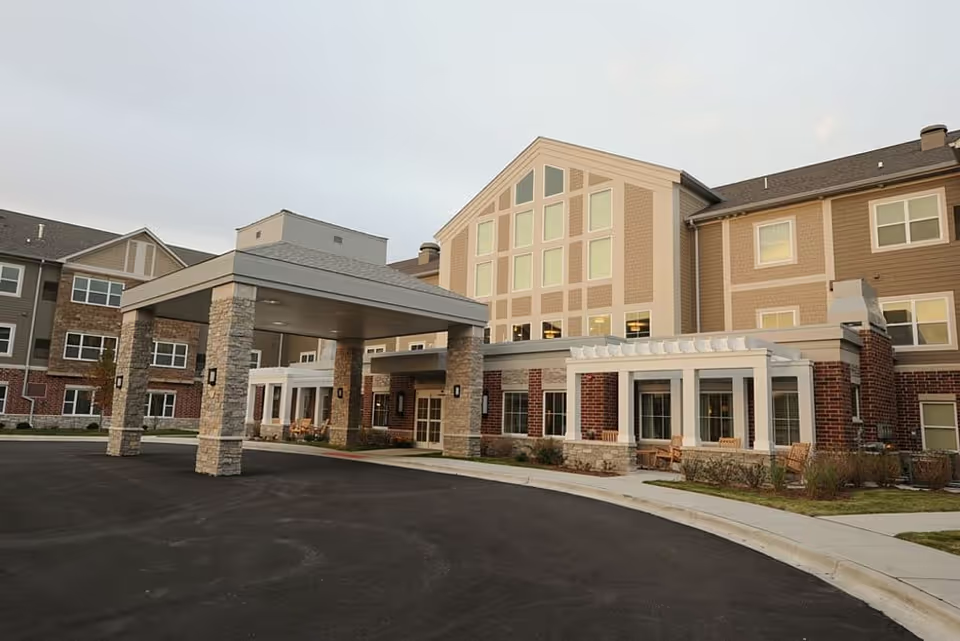
Senior Suites of Joliet presents as an apartment-style independent living community with a substantial number of positive attributes and a few recurring operational concerns. The community emphasizes independent living: most units include full kitchens and private baths, utilities are frequently included, and laundry facilities are available on each floor as well as periodic in-apartment cleaning options. The building is large with a mix of older and renovated wings, a variety of floor plans, and multiple common spaces such as a TV room, small library, large community room, and a fireplace area. Its downtown location near bus lines, Metra, restaurants, and local services is repeatedly cited as convenient for residents who want access to city amenities.
Care and medical services: This community is organized around independent living and does not provide on-site clinical or nursing staff. Families and prospective residents should plan for external homecare or private aides if clinical support or regular medical oversight is needed. Reviewers did note emergency response features such as pull cords and occasional paramedic response; however, the absence of on-site medical personnel is a consistent operational characteristic.
Staff and management: Many reviewers describe staff and maintenance personnel as friendly, helpful, and prompt with repairs, and sales staff are frequently praised for informative, patient tours. At the same time, there are recurring complaints about management communication, delays in decision-making, and inconsistent follow-through during application or move-in processes. Several comments indicate staff shortages or turnover that have affected service continuity. There are also serious safety-related concerns raised by some reviewers; these include allegations of resident-on-resident incidents and perceived lapses in security or behavior management. Prospective residents should ask specific questions about current security measures, staff coverage, and incident-response protocols when touring.
Dining and daily living: The facility does not provide a central meal program; residents are responsible for their own meals and many apartments include stoves and refrigerators. Alternative arrangements such as grocery-shopping charters, delivered meals from nearby restaurants, and occasional off-site dining outings are available. This model supports independence but may not suit people who prefer or require structured meal service.
Activities and social life: The community offers an active calendar for many residents, including weekly games, monthly outings, birthday celebrations, movie nights, morning coffee service, and resident meetings. Reviewers describe a friendly, village-like atmosphere and strong peer relationships. That said, there are notes that activity options can be limited for less-mobile residents or that programming varies by season and staffing levels; families should inquire about accessibility of events and support for residents with reduced mobility.
Facilities and logistics: Strengths include secure controlled entry, elevators (including a move-in elevator), accessible laundry, and convenient parking in many areas. Unit quality is mixed: renovated units receive praise for new carpeting, appliances, and open layouts, while other units in older parts of the building may need updating. A small number of reviewers noted climate-control problems and delayed air conditioning repairs, so confirm unit heating and cooling arrangements during a visit. Accessibility for residents with mobility limitations (e.g., parking distance, elevator reliability) should be evaluated in person.
Notable patterns and guidance: Reviews are polarized — many residents and families express high satisfaction with staff, community life, and value, while others report significant concerns about management responsiveness, cleanliness consistency, security, and availability. Given those divergent experiences, prospective residents should tour multiple unit types, ask for written policies on security and incident response, verify current staffing levels, review the waiting-list process and any additional fees, and confirm whether external homecare is permitted and supported. These steps will help match individual care needs and preferences to the operational model of an independent-living community that prioritizes autonomy but does not provide on-site clinical care.