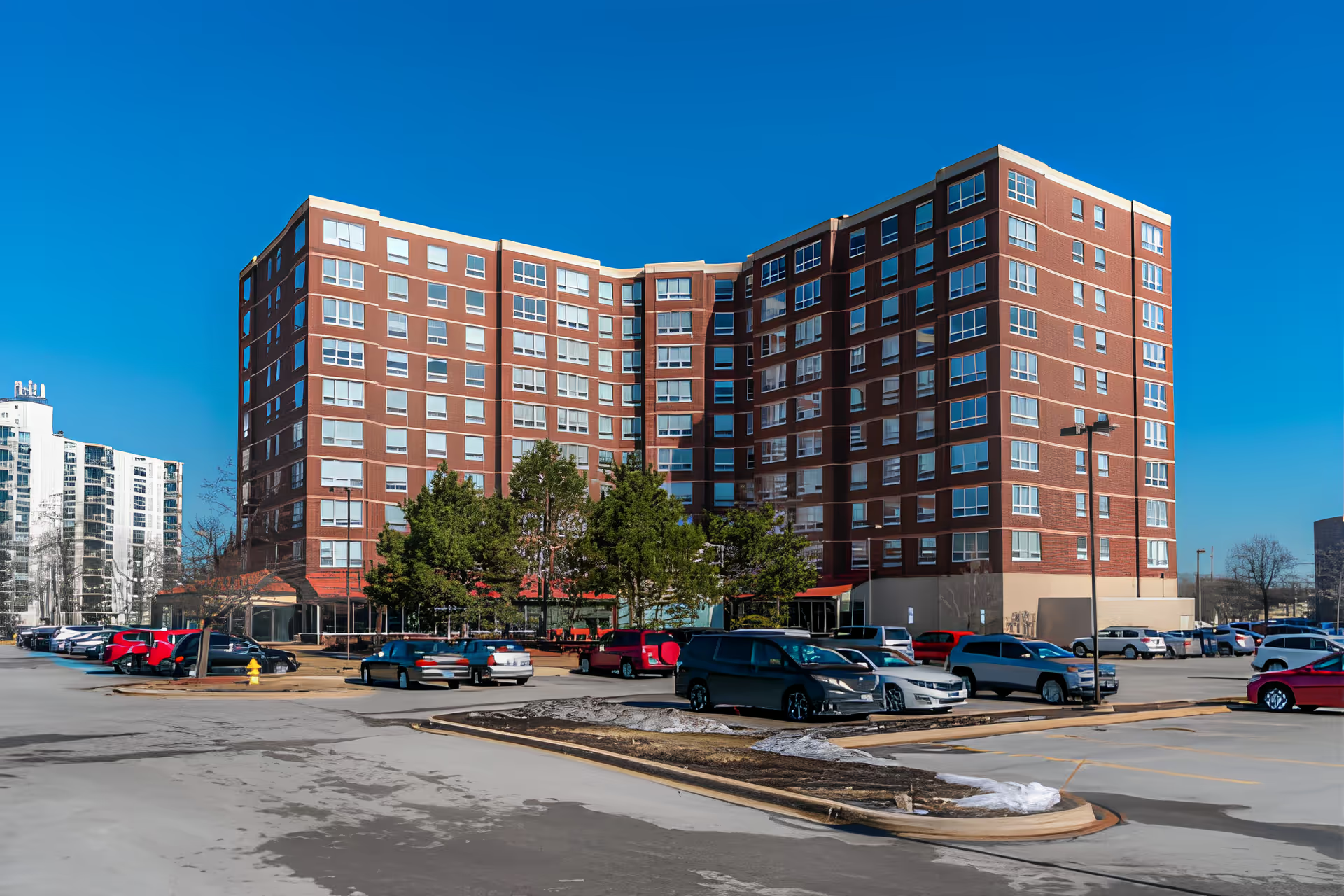
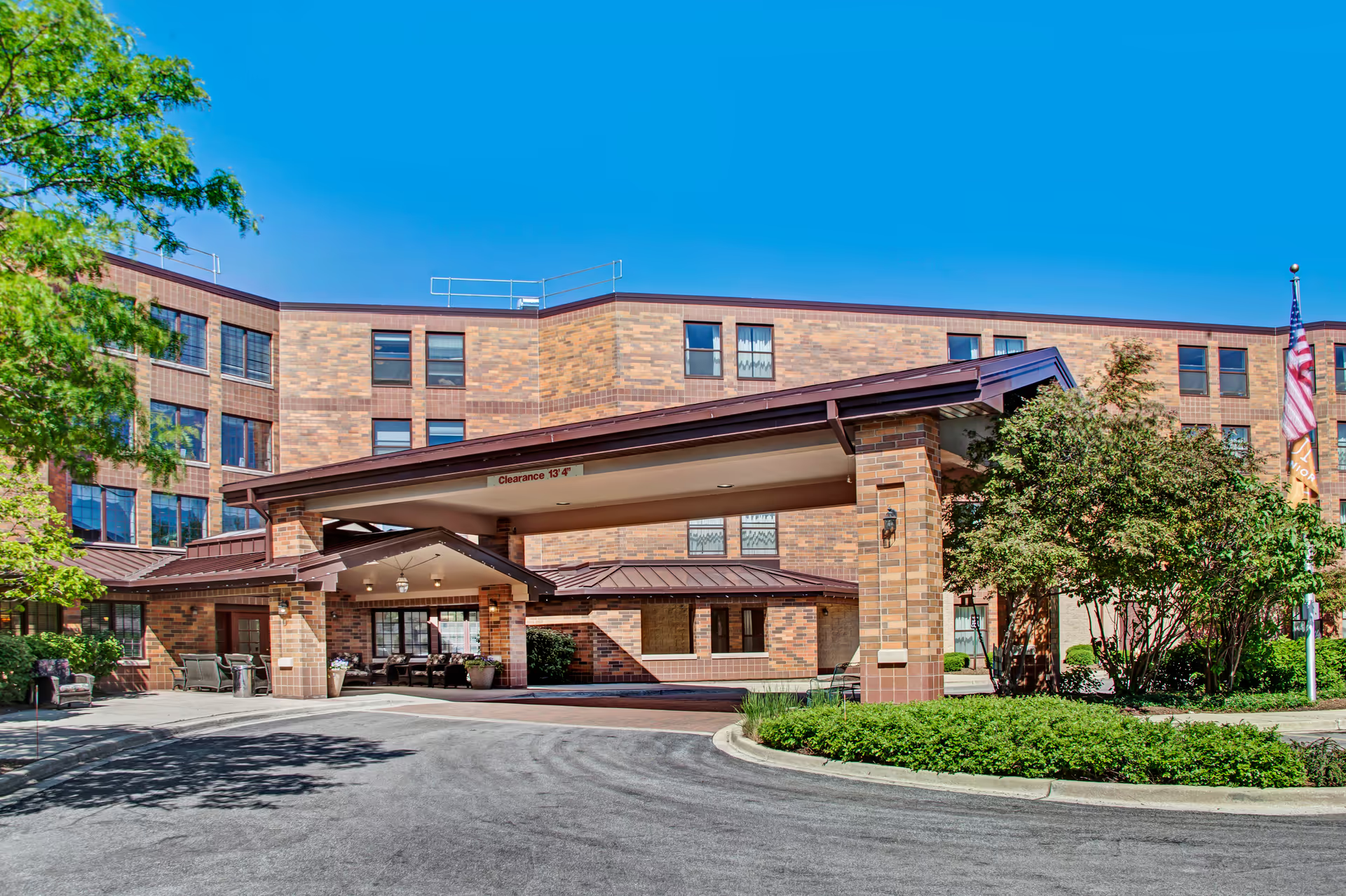
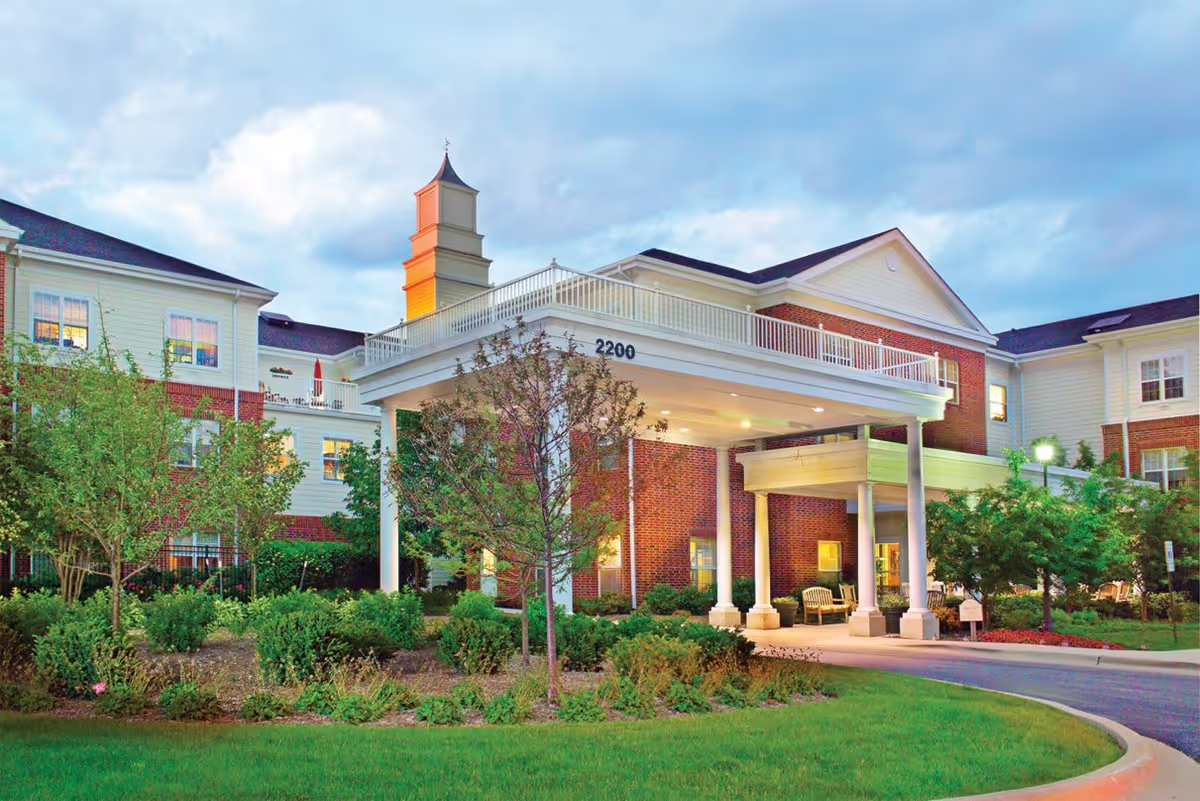
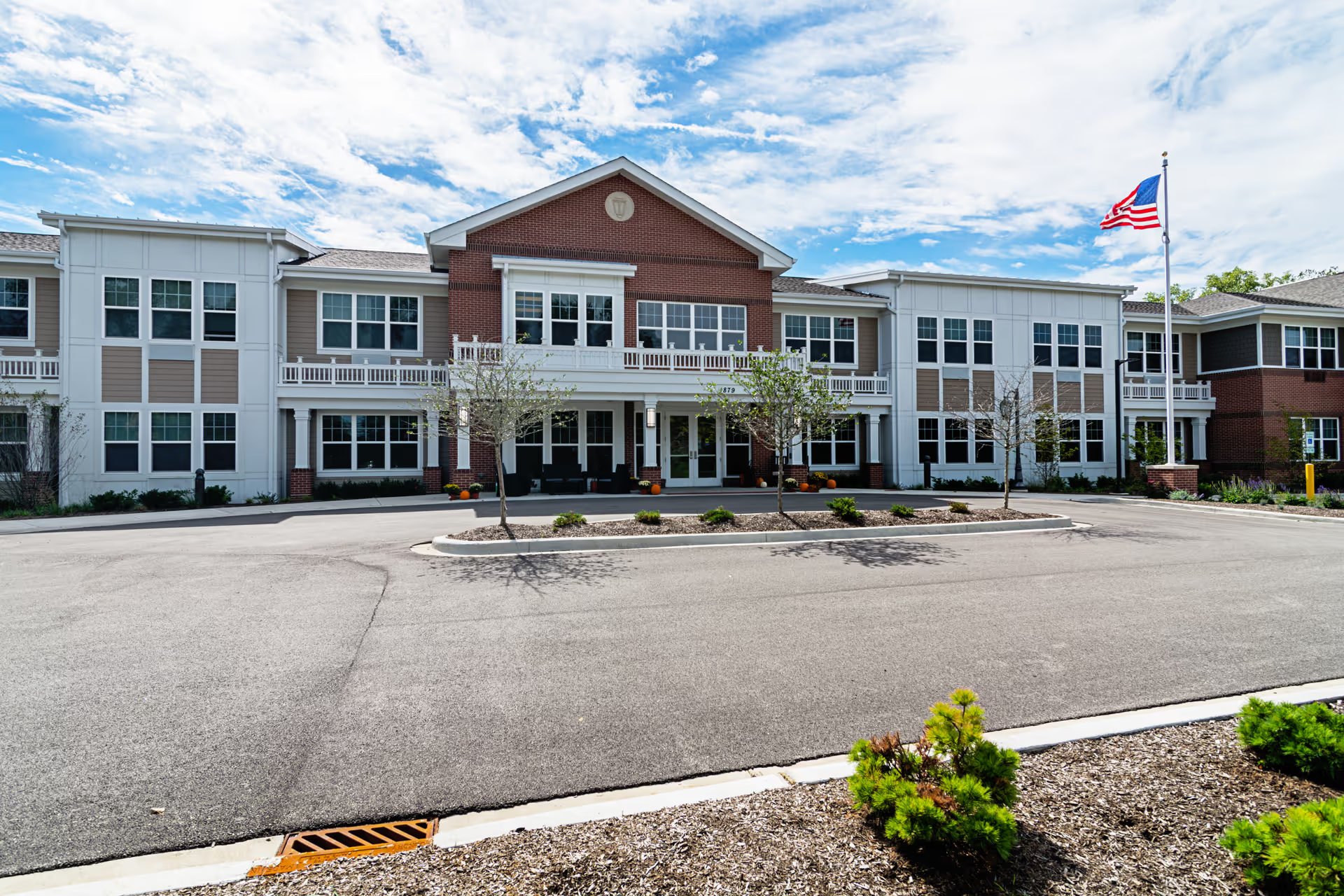
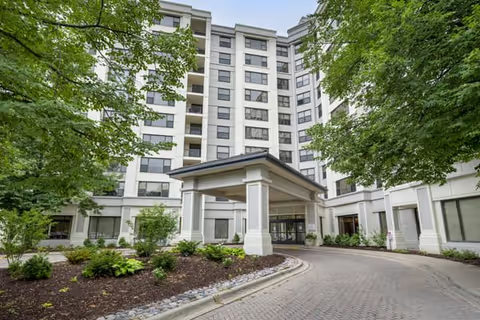
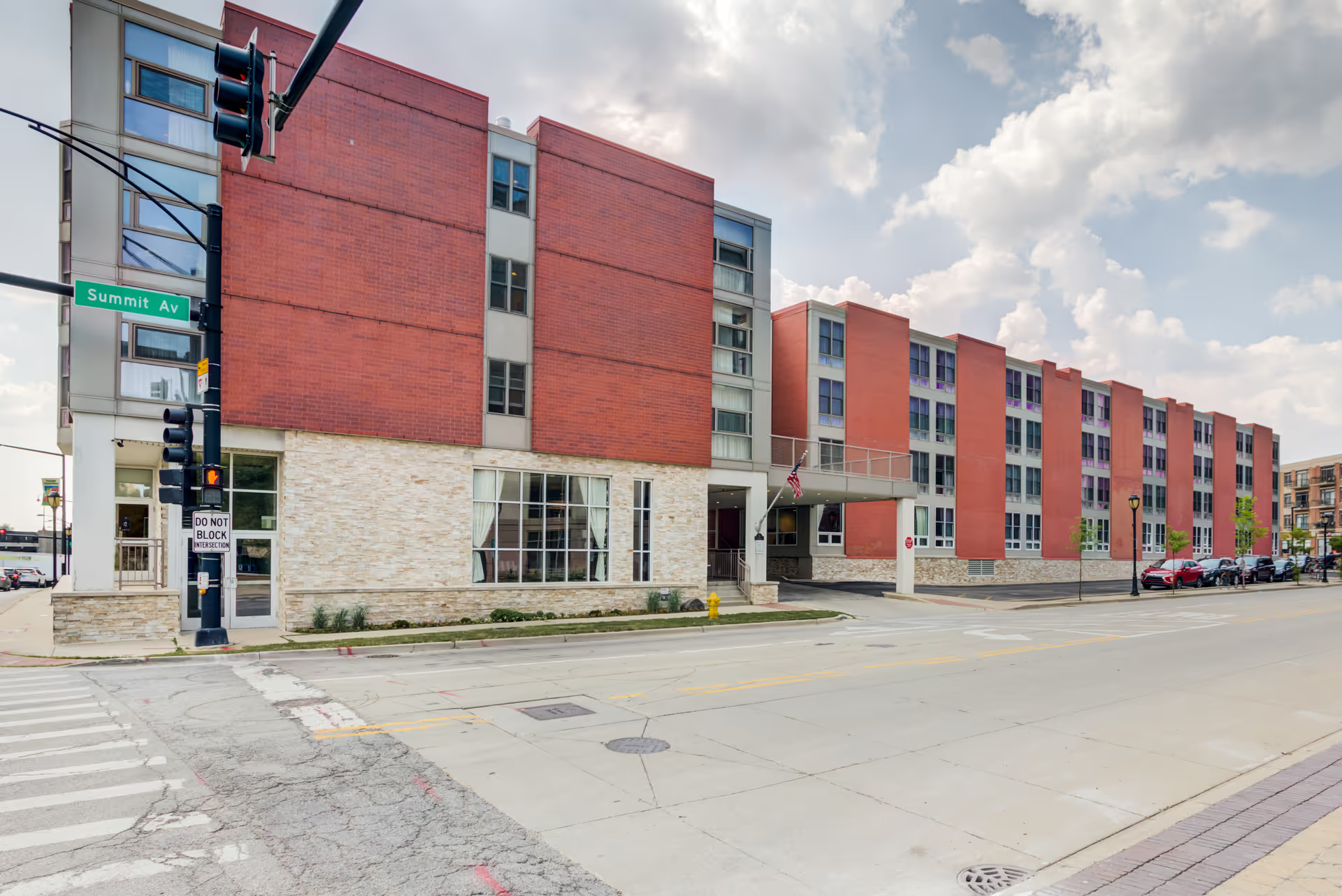
Elevate Care Niles elicits a wide range of experiences. A substantial portion of families praised direct-care staff, therapy teams, and social work: commenters described compassionate CNAs and nurses, effective respiratory and wound-care specialists, and rehab therapists who produced measurable functional gains. The facility’s Korean-language department and culturally relevant meal options are repeatedly noted as a strong asset for Korean-speaking residents and families. Several reviewers also highlighted an active activities program, remodeled memory-care spaces, attentive front-desk staff, and hospice teams that provided comfort and coordination at end of life.
Counterbalancing the positive comments are recurring operational concerns. Staffing levels and coverage—particularly on weekends and holidays—were frequently described as variable, which reviewers linked to delayed responses to call lights, slow assistance with feeding or hygiene tasks, and uneven supervision. Families described inconsistent clinical communication: delays or absence of timely updates, difficulty reaching clinicians and administrators by phone, and gaps in conveying critical information about changes in condition or ventilator/ dialysis status. Several reviewers raised concerns about medication and clinical-management inconsistencies and about emergency-response processes, including delays in obtaining paramedic support or transporting residents.
Facility-maintenance and logistics issues also appear as a pattern. Comments contrast remodeled, clean floors with older units that reviewers said had sanitation and odor concerns and pest-control issues. There are repeated references to belongings being lost, mixed, or returned in original packaging after long delays, and to billing or Medicaid-processing errors that families found difficult to resolve. Dining quality and diet accommodations were described as inconsistent; some families praised meals while others found portioning, variety, or therapeutic-diet implementation inadequate.
Staff behavior and training emerged as a polarized theme: many families named individual employees and supervisors for excellent communication and advocacy, while others described rude or unprofessional interactions and requested better training and oversight. A few reviews reference regulatory scrutiny and legal actions; there are serious allegations related to financial misconduct and clinical incidents that families believe warrant investigation. These are distinct from the facility’s commonly noted strengths but important for prospective families to consider.
Taken together, Elevate Care Niles shows strengths in clinical specialty teams, rehabilitation outcomes, cultural-linguistic supports, and social-work engagement, with notable successes in specific units and among particular staff members. At the same time, reviewers consistently point to operational variability across shifts and units: staffing reliability, timely clinical communication, property controls, and consistent sanitation and dining standards are areas of concern. Prospective residents and families should consider touring multiple units, meeting the social-work and clinical teams, asking about staffing ratios and weekend coverage, reviewing property-inventory and billing policies, and requesting documentation of infection-control and emergency-response procedures before admission.