Niles Nursing & Rehabilitation presents a mixed profile: many families and referral sources describe strong, compassionate caregiving and a therapy program that achieves measurable rehabilitation outcomes, while other accounts raise significant operational concerns. The facility is frequently praised for its caregiving staff — CNAs, nurses, therapists, and a medical director receive repeated commendations for kindness, attentiveness, and clinical competence. Admissions and family communication are commonly cited as strengths, with staff facilitating video visits (Zoom/Duo), providing regular updates, and offering culturally specific supports through a Korean program director and bilingual personnel.
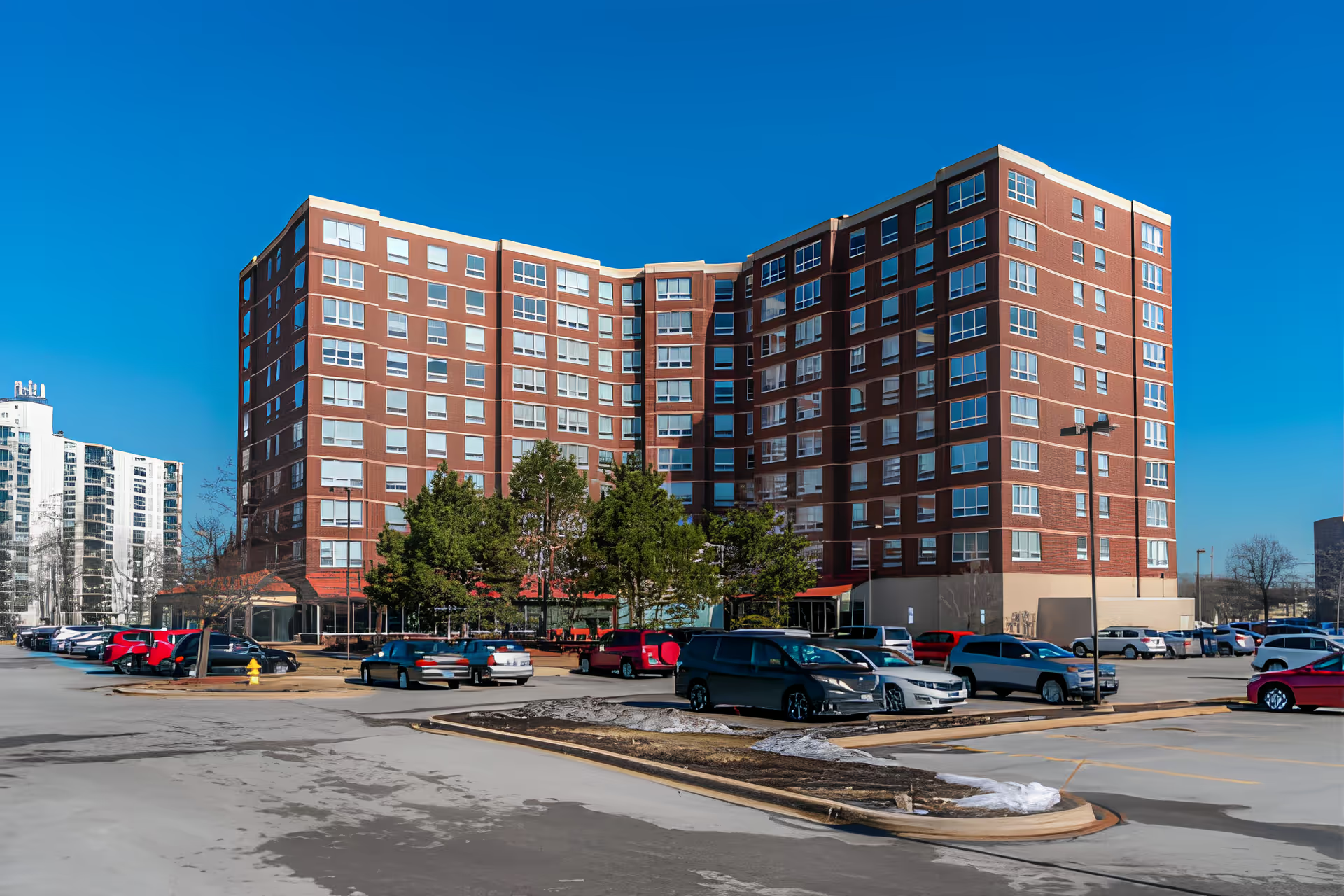
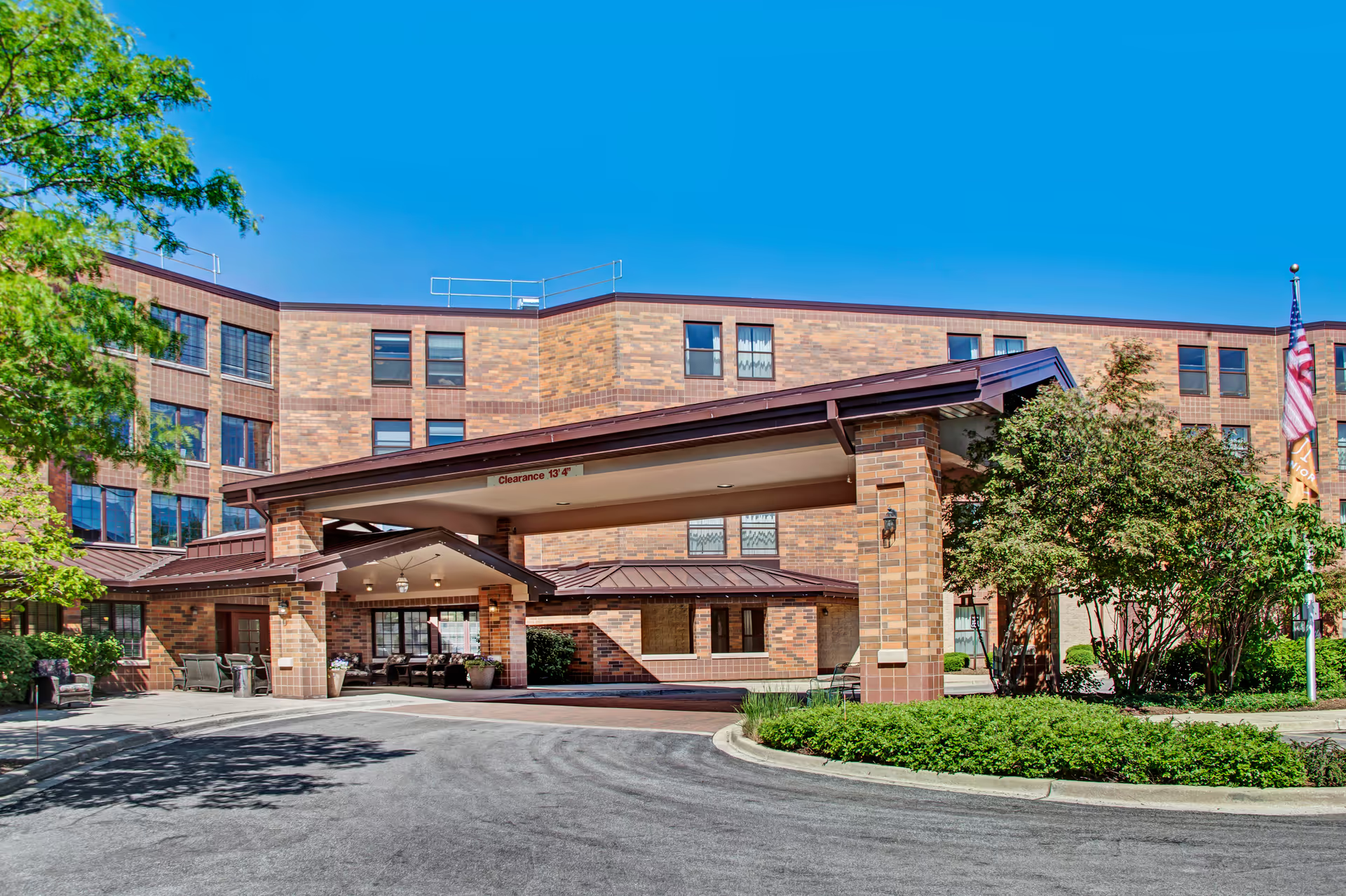
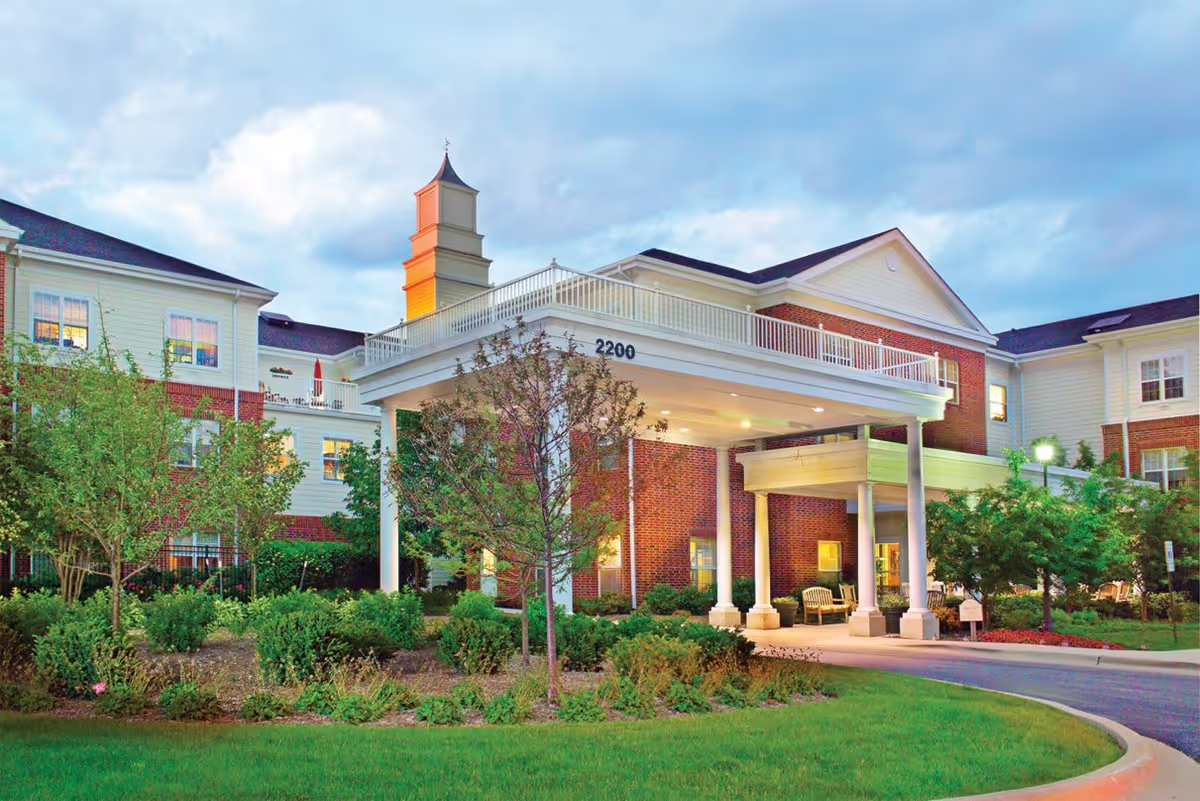
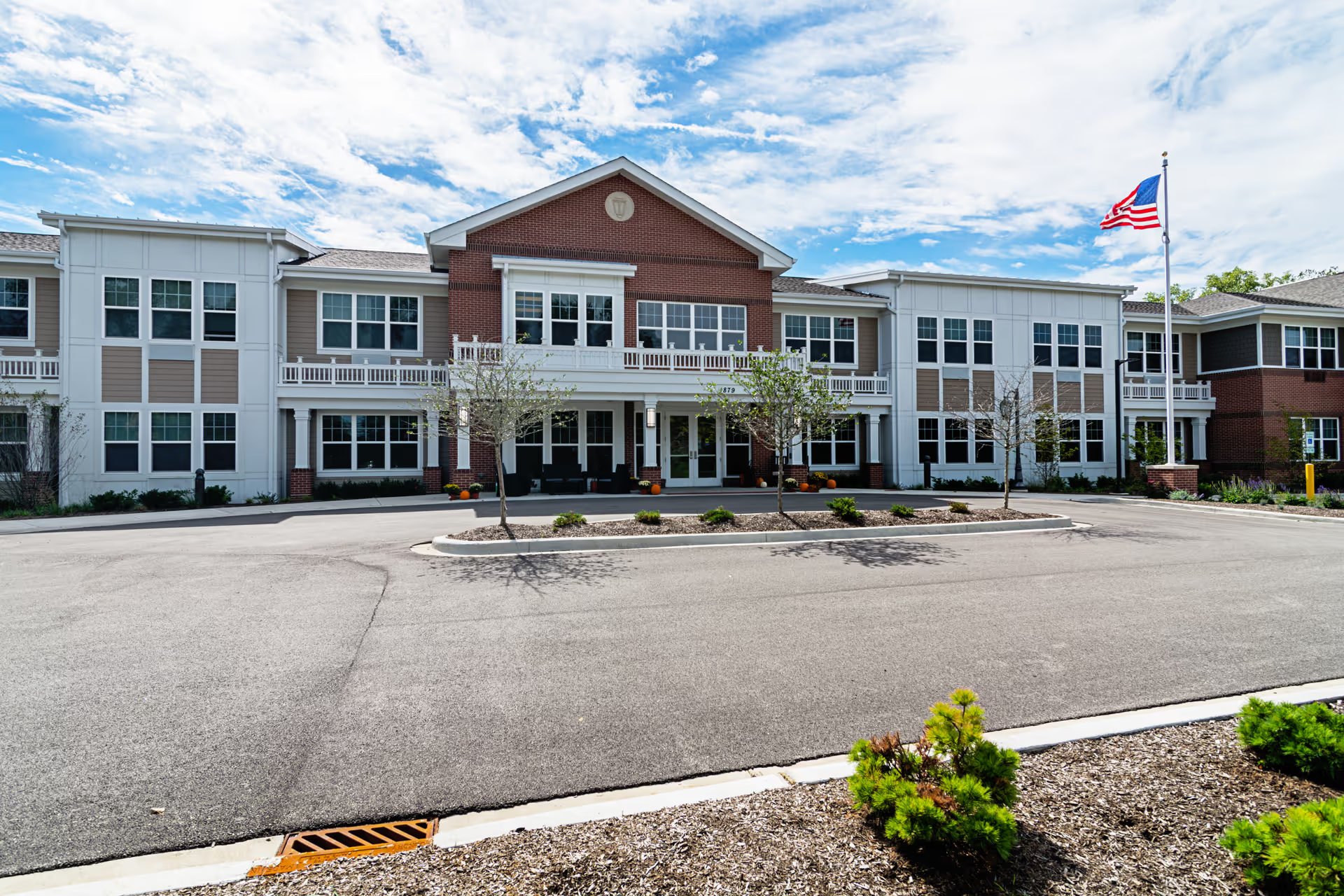
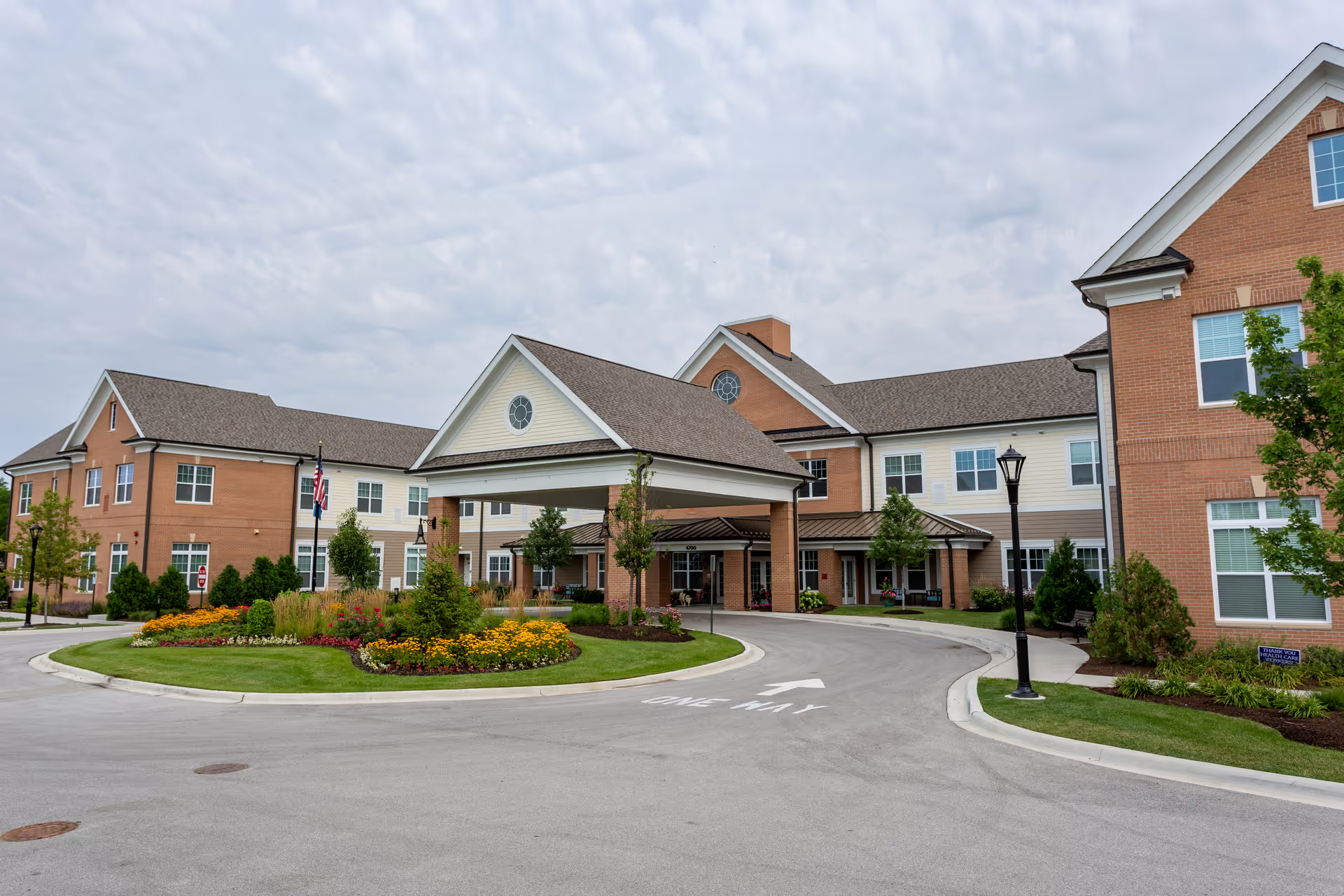
A defining feature of the facility is its Korean cultural emphasis. Multiple reviewers highlight daily Korean meals, culturally themed events (for example, harvest-moon and centenarian celebrations), Korean-language activities and television, and active engagement from Korean staff and activity coordinators. The activity program appears robust, with regular social, religious, and recreational offerings and an active therapy department that many families credit with functional improvements. The physical environment includes an outdoor courtyard and walking paths, ample parking, and generally maintained common areas, which contribute positively to resident quality of life.
However, review content indicates uneven performance in several operational domains. Accounts suggest variability in day-to-day care quality and responsiveness: while some families describe round-the-clock attention and rapid clinical responses, others report delayed assistance, missed clinician visits, and difficulties coordinating hospital transfers. There are repeated cleanliness and sanitation concerns tied to specific rooms and bathrooms, along with pest-control issues noted in some units. Resident rooms are often described as small and primarily shared, and portions of the building and interiors appear dated with renovations in progress.
Administrative and safety-related patterns are mixed. Several reviewers praise particular administrators and the Korean program director for expedient paperwork and advocate-style support; conversely, other families report inconsistent administrative follow-through, slow problem resolution, and failures in belongings management. There are also serious, though uneven, allegations including theft of personal items and lapses in infection-control outcomes during COVID-19 periods; these claims are juxtaposed with accounts of thorough COVID communications and strong precautionary protocols. Concerns about medication and pain-management practices and gaps in clinical coordination were raised and merit careful review by prospective families.
For prospective residents and families, the salient pattern is variability: the facility can provide culturally attentive, rehabilitative, and compassionate care for many residents, particularly those benefiting from the Korean-specific programming and active therapy services. At the same time, the facility exhibits operational weaknesses—room size and condition, intermittent sanitation and pest-control issues, occasional staffing and responsiveness problems, and administrative inconsistency—that could affect vulnerable residents. Visitors touring the facility should observe current room conditions, ask for recent infection-control and staffing metrics, review incident- and belongings-management policies, and meet directly with clinical and administrative leaders (including the Korean program director) to assess fit with the prospective resident’s clinical and cultural needs.