Overall impression: Sugar Creek is consistently described as a dementia-focused community with many strengths in day-to-day resident experience. Reviewers emphasize a caring, engaged caregiving team with specific training in Alzheimer’s and dementia care, a busy activity schedule tailored for memory-care residents, and a bright, well-kept physical environment. Many families highlight positive social outcomes — residents appear groomed, active in programs, and comforted by individualized attention. The facility offers on-site therapy and hospice services, which families cited as supportive during advanced-illness stages.
Care and staff: The dominant theme is a compassionate, hands-on staff who form close relationships with residents and provide frequent reminders and prompts that help keep residents’ days structured. Nursing and caregiving personnel receive repeated praise for responsiveness in routine care and for dementia behavior management. At the same time, reviewers note operational challenges: staff turnover and intermittent staffing shortages have been reported and appear to affect continuity of care and staff morale. Some accounts raise concerns about clinical-incident handling and the speed or thoroughness of follow-up after adverse events; prospective families should ask about current staffing ratios, recent turnover, and incident-response protocols.
Dining and activities: Dining is generally described as a clear strength — meals are well-presented, varied, and able to accommodate resident needs, and several reviews singled out positive experiences such as special meals and attentive dining staff. The activity program is robust and dementia-friendly, with frequent daily activities, outings, on-site events, and opportunities for social engagement. A notable limitation is program fit: while many residents benefit from offered activities, there are comments that higher-functioning residents sometimes lack sufficiently challenging options. Caregivers and family members frequently credited the recreation staff for enhancing quality of life.
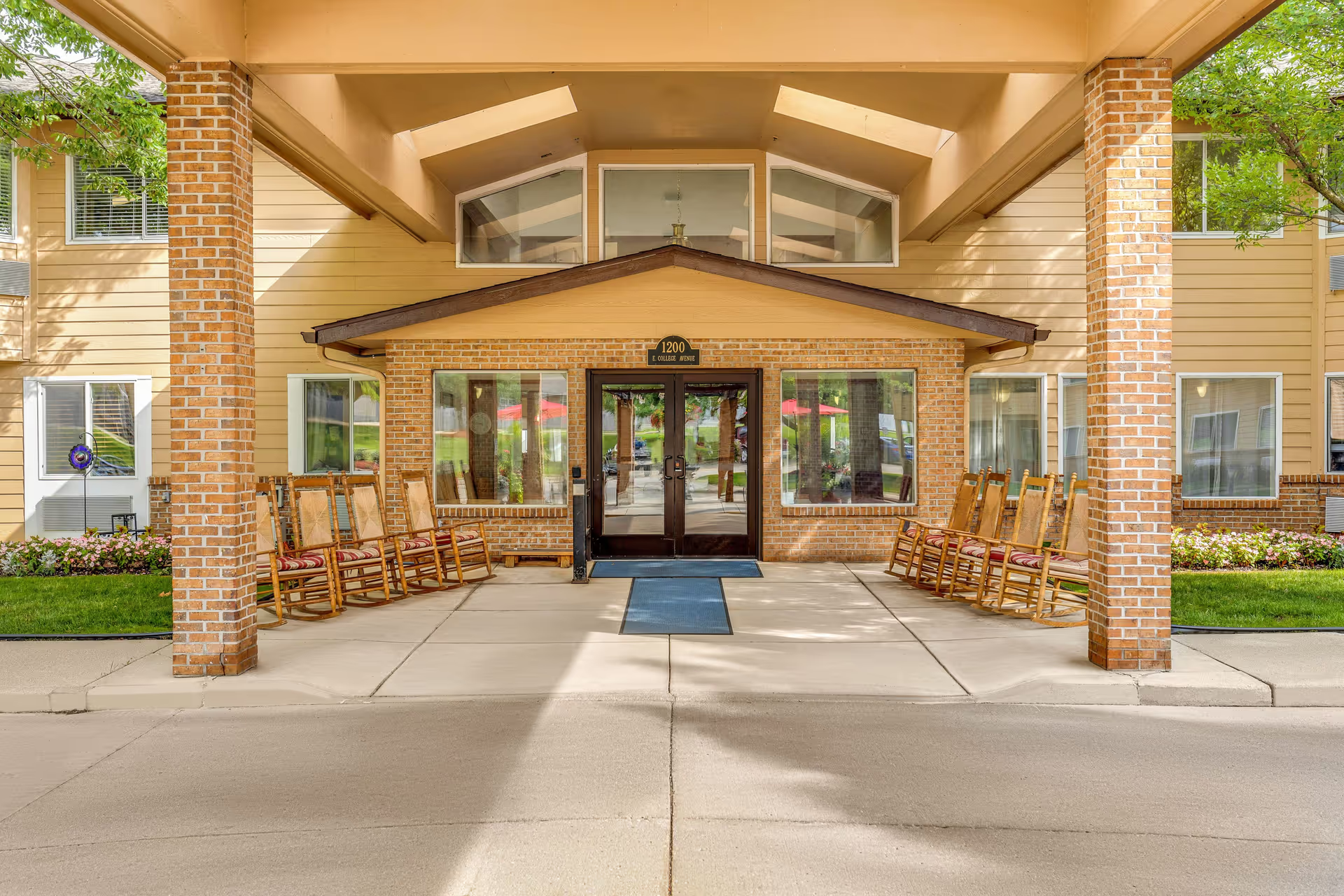
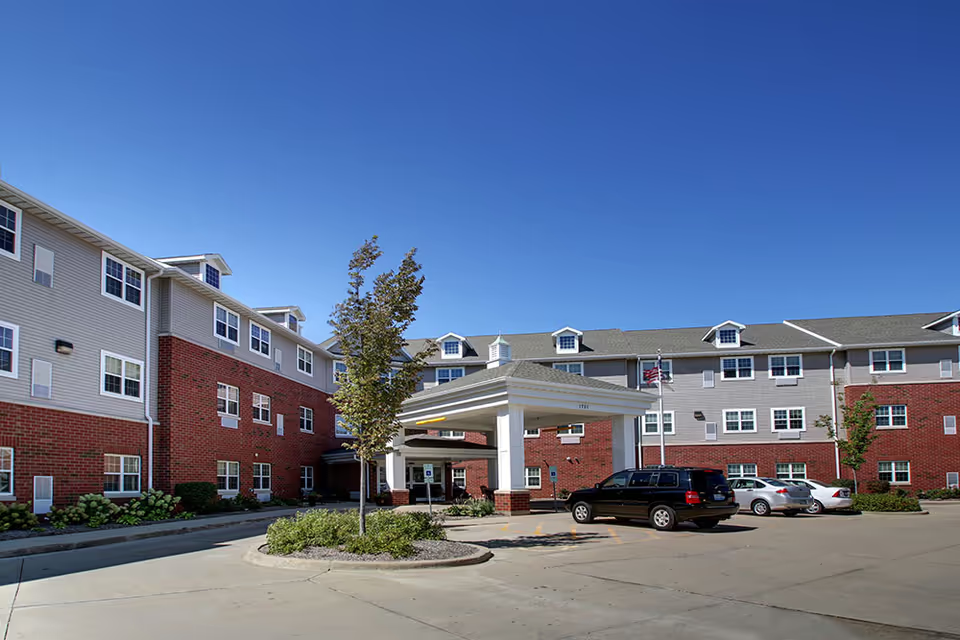
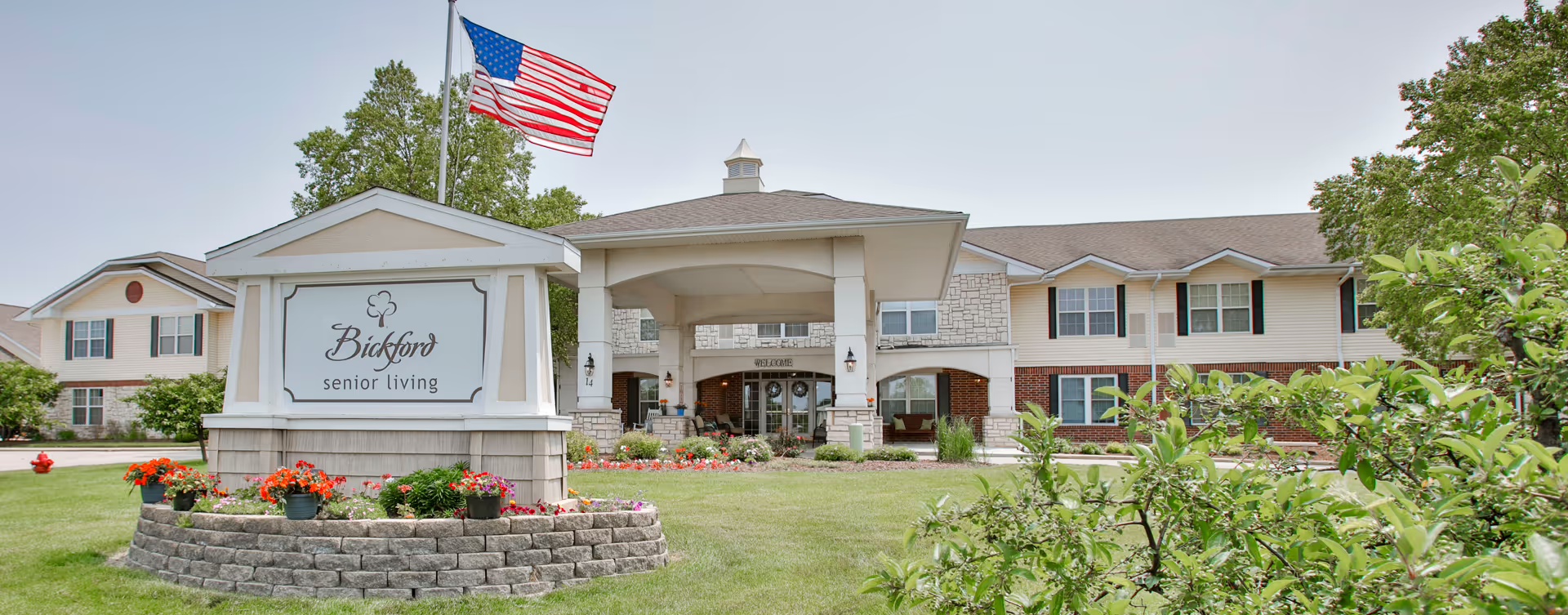
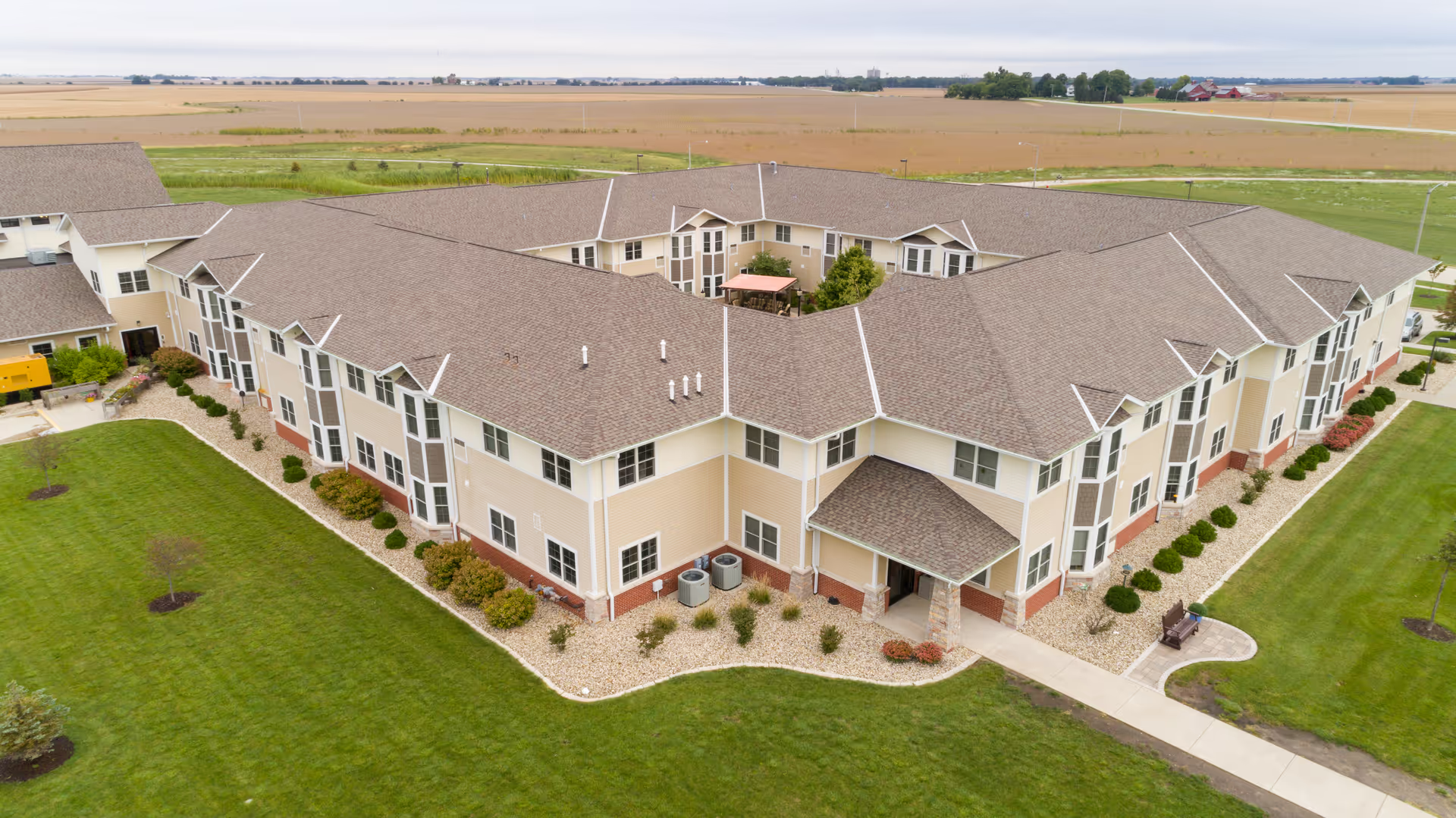
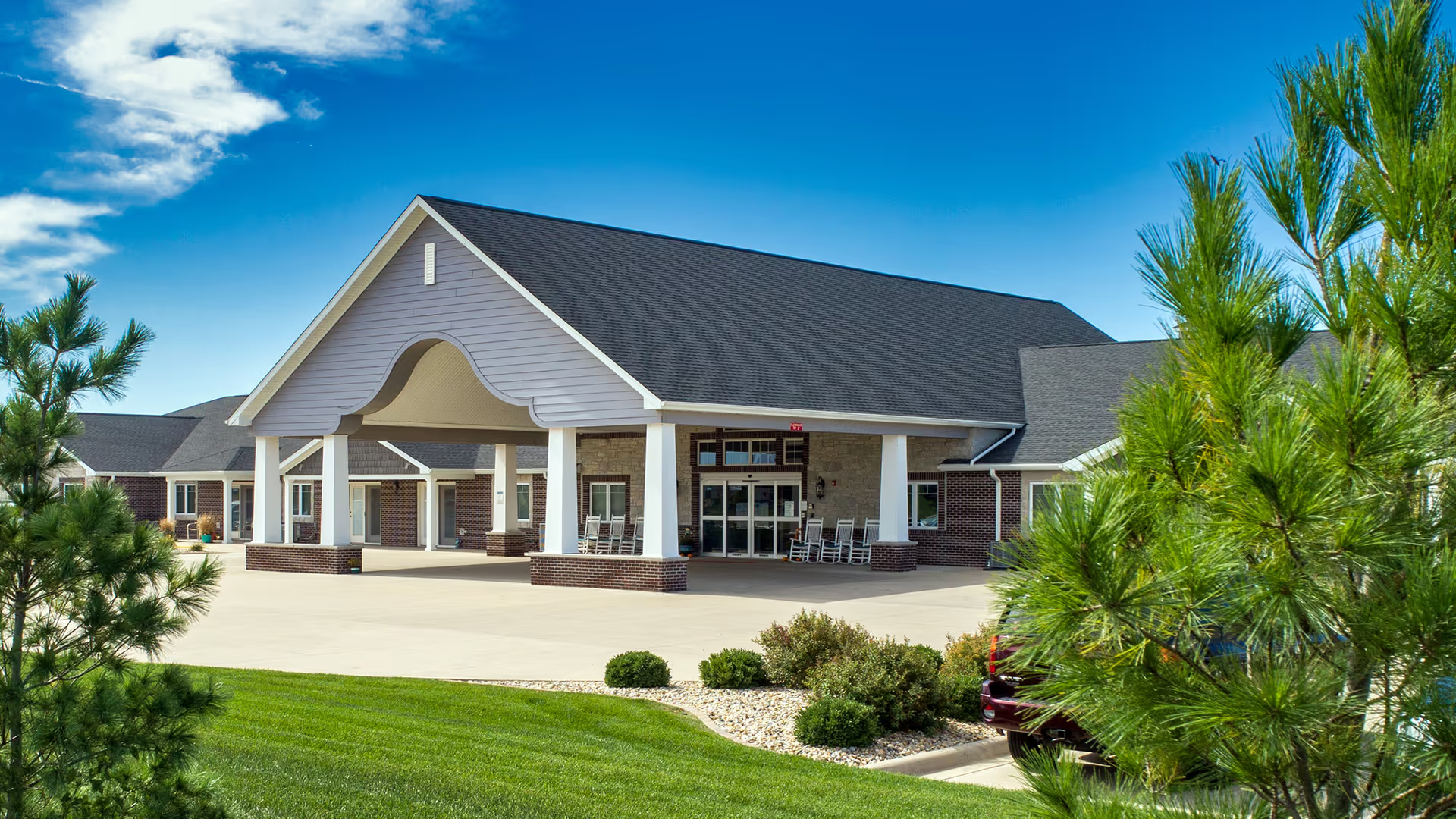
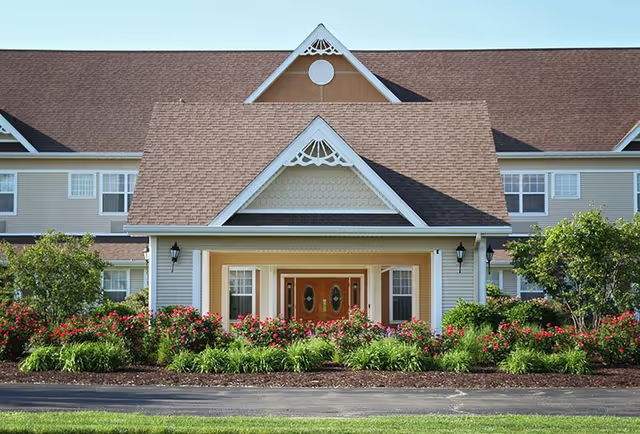
Facilities and cleanliness: The building and resident rooms are often described as clean, cheerful, and well-maintained, with pleasant communal spaces including a courtyard and activity center. However, there are intermittent sanitation and laundry-management concerns that families raised, indicating variability in how consistently those services are delivered. Prospective visitors may wish to inspect laundry procedures, storage, and incontinence-care protocols during a tour and ask about housekeeping schedules.
Management and administration: Reviews present a mixed picture of leadership. Many families praised administrators for responsiveness, professional tours, and supportive partnerships with families; others cited inconsistent management professionalism, unfilled administrative positions, delayed administrative follow-through, and workplace-culture issues that can affect staff retention. These administrative inconsistencies are a recurring theme and are linked in several accounts to variable communication and occasional operational lapses.
Notable patterns and guidance: There is clear consensus that Sugar Creek provides strong, dementia-focused daily living with engaged staff, good dining, and meaningful activities — factors that many families say justify the cost. Counterbalancing that are recurring operational concerns: staffing stability, administrative consistency, sanitation/laundry reliability, fall-prevention practices, and communication consistency with families. For prospective families, recommended areas to clarify on a tour include current staffing levels and turnover, fall-prevention protocols (including alarm/use policies), laundry and housekeeping procedures, incident-response and family-notification processes, and a clear breakdown of fees to evaluate affordability and value.