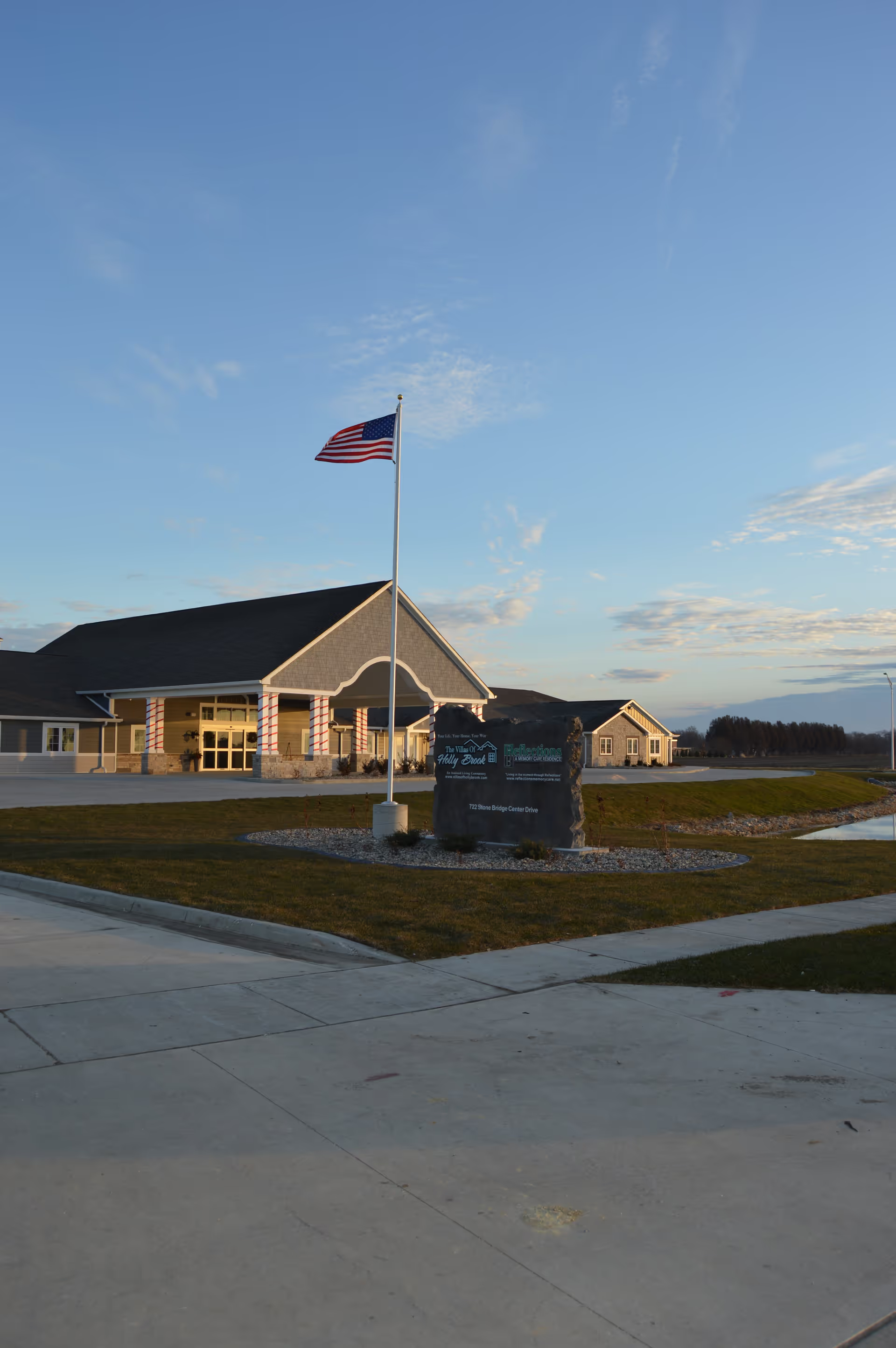
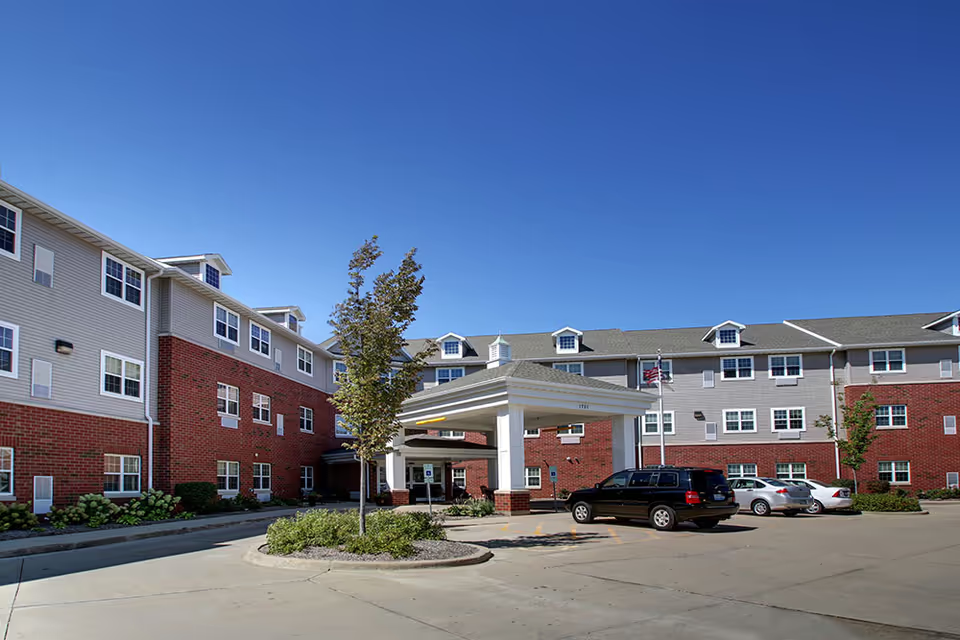
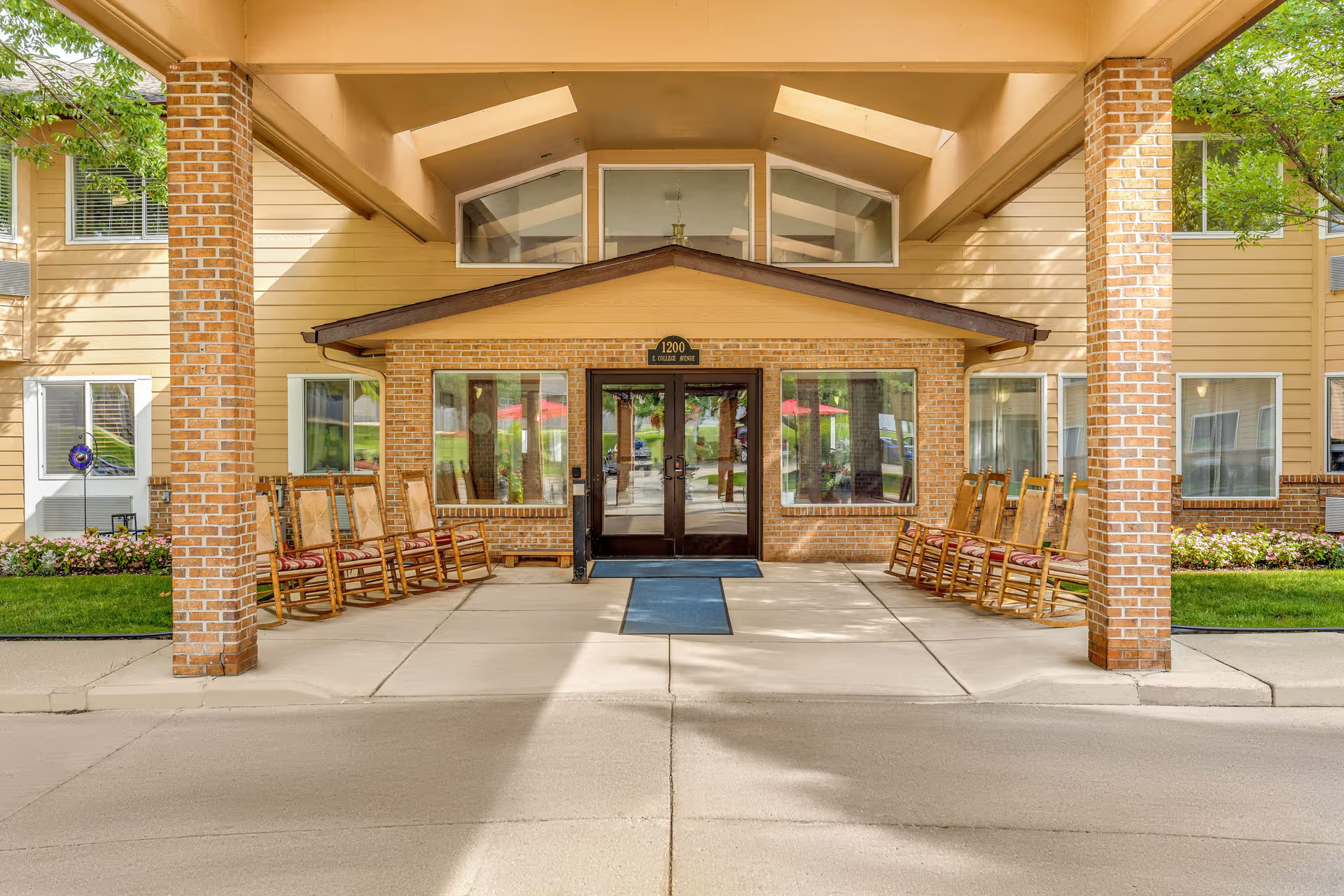
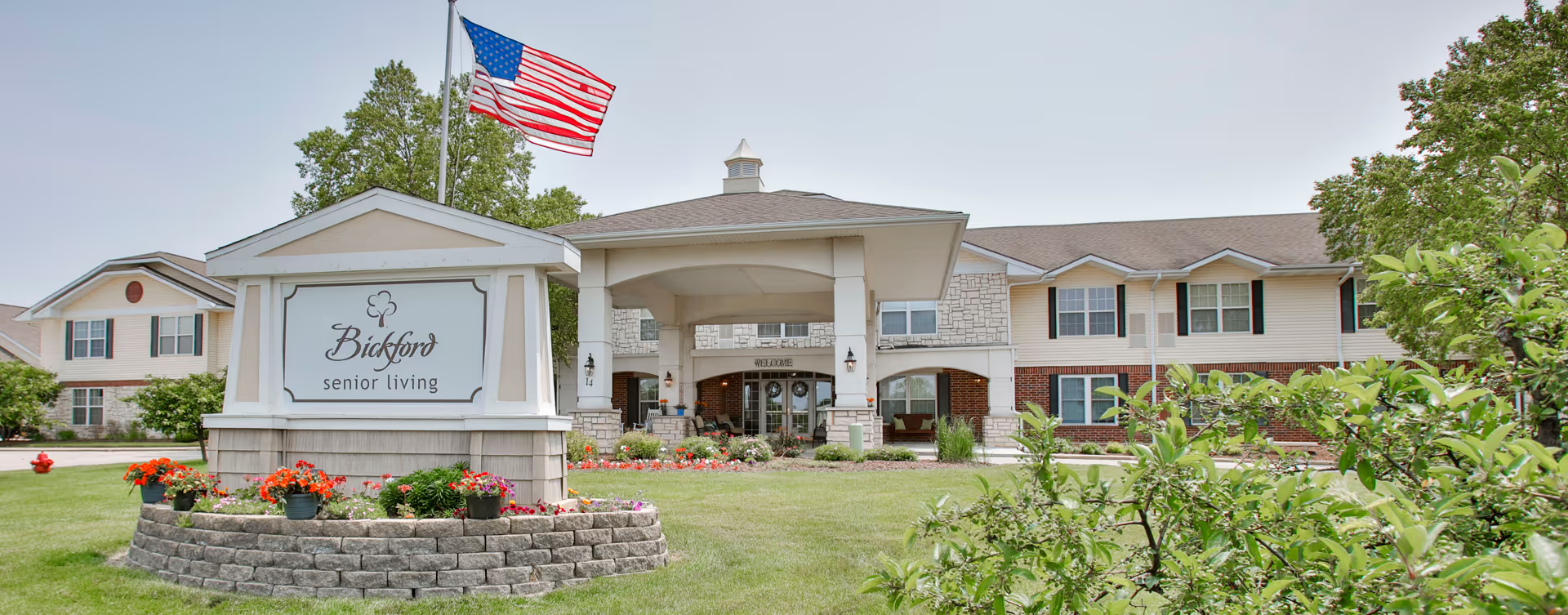
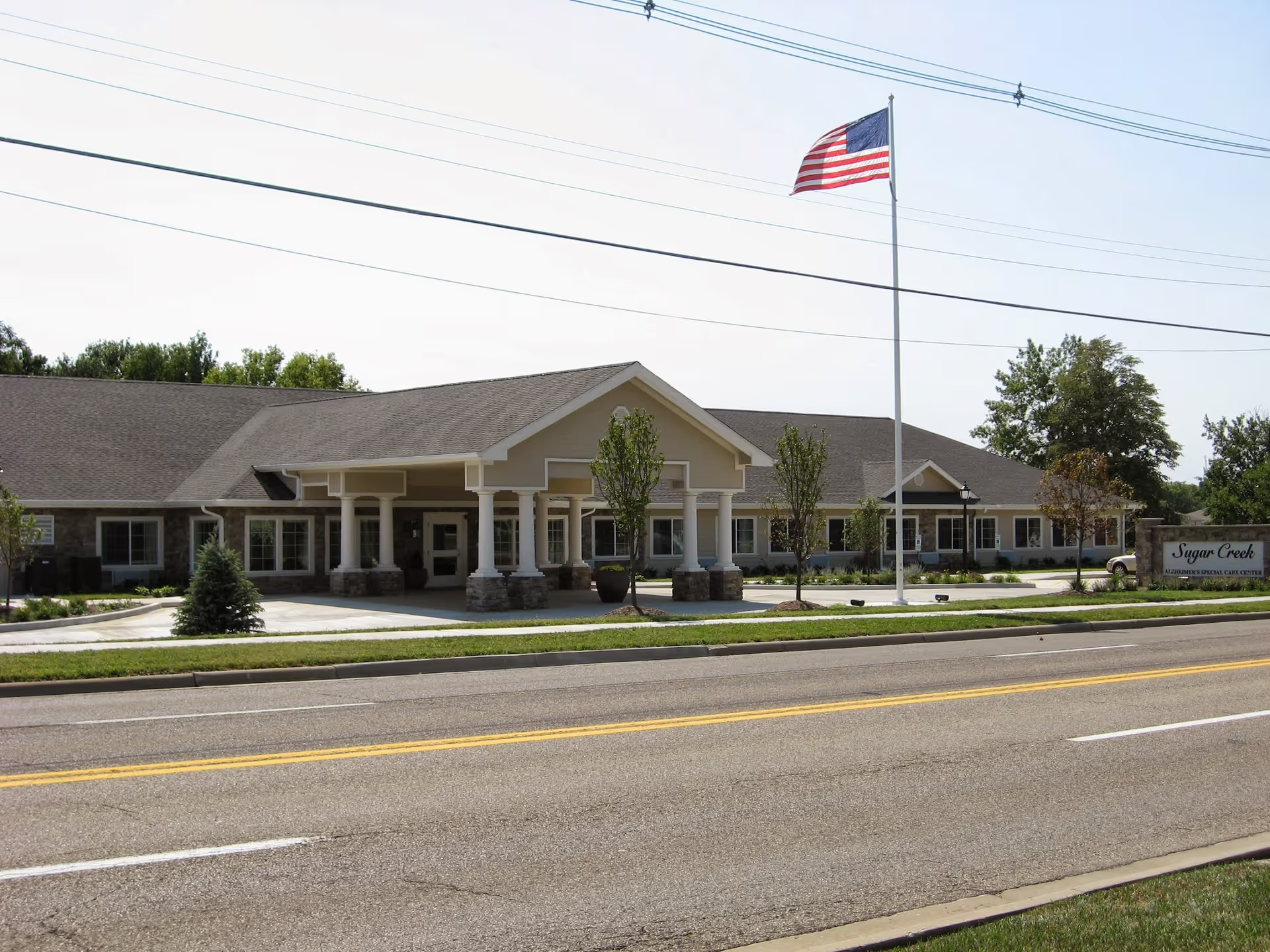
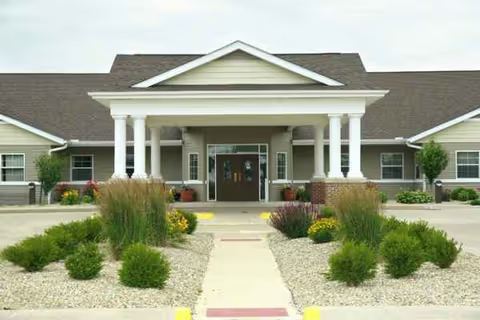
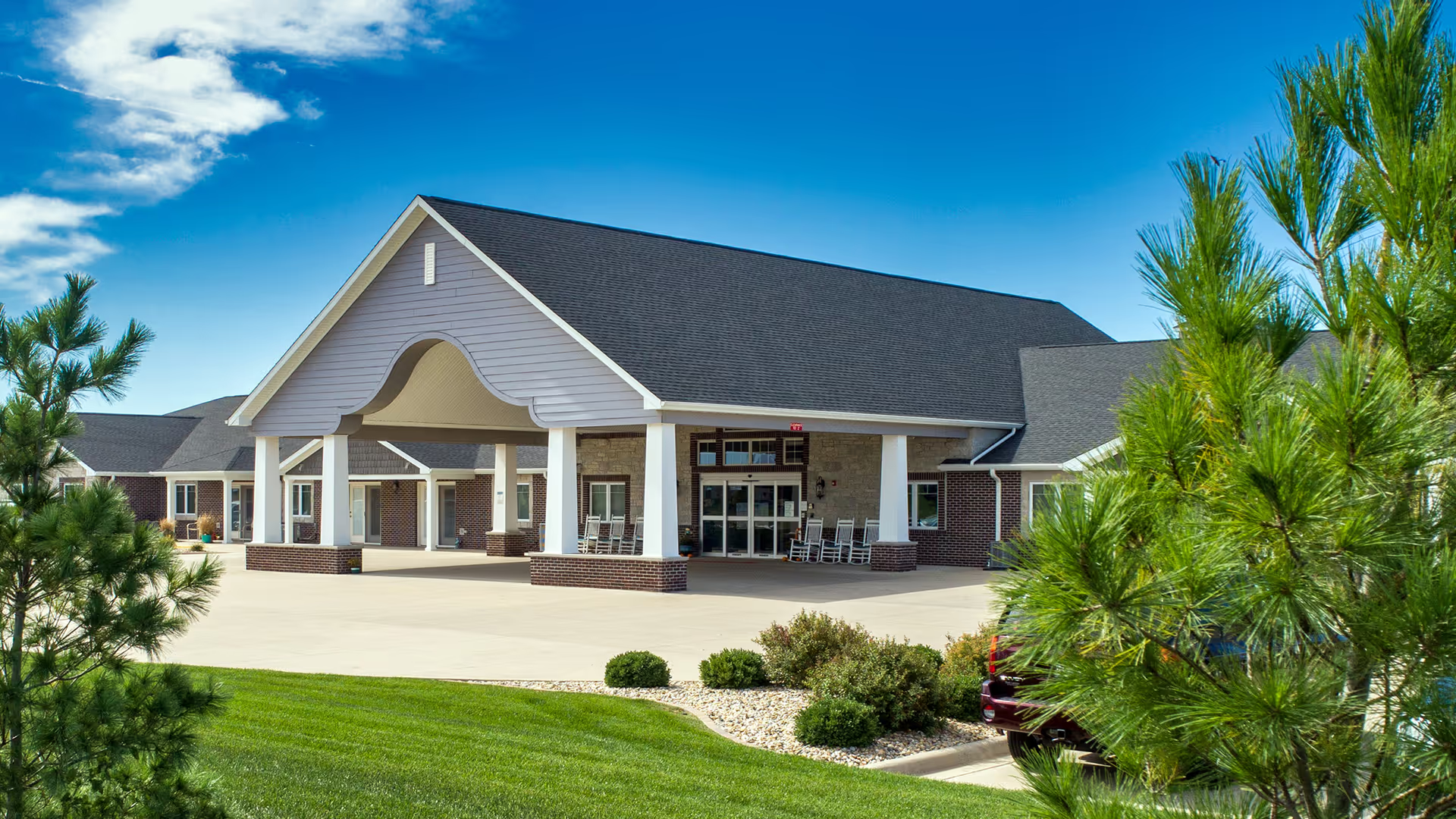
The Village at Mercy Creek presents as a well-appointed, nonprofit senior living community with strengths in environment, dining, and programming. Reviewers consistently highlight the facility's attractive, modern design, well-kept grounds and protected courtyard, and a range of onsite amenities including a salon, library, movie theater, and meeting spaces. Apartment choices include large single units and two-bedroom options suitable for couples, and many residents and families described the space as clean, fresh-smelling, and homelike.
Dining and activities are recurring highlights. The community emphasizes a made-from-scratch dining program under an involved chef, and multiple accounts note high-quality meals and a varied menu. Life-enrichment offerings appear broad and active: a daily activities calendar with painting, card games, bingo, concerts, guest speakers, exercise classes, and regular outings on a staff-operated van. Families describe frequent opportunities for socialization and tailored activity options, and staff are often identified by name and as personally engaged with residents.
Care and staffing portray a mixed but improving picture. Care is described as person-centered with the ability to tailor services and with capable CNAs and nursing support; several reviewers noted increases in nursing staffing and improved responsiveness over time. At the same time, there are recurring operational concerns: staffing turnover, variable continuity of care during ownership or management transitions, and early gaps in clinical responsiveness as the community ramped up. These trends suggest improvement but also indicate the facility may be best suited for residents with assisted or independent needs rather than those requiring intensive medical or higher-acuity care.
Staff culture and management receive generally positive marks for compassion, helpfulness, and coordinated operations; administration is described as organized and responsive in many accounts. However, there are isolated but notable concerns about staff conduct, communication tone with visitors or family members, and inconsistent experiences during tours and admissions. Policy features such as smoking restrictions on the grounds were mentioned as a limiting factor for some families.
Overall pattern: the dominant themes are strong dining, attractive facilities, active programming, and a caring staff culture that many residents and families recommend. Caveats include variability in staffing continuity and service during transitions, and limitations in high-acuity care capacity. Prospective residents and families should weigh the community's amenities and social environment against their clinical needs, verify current staffing levels and clinical capabilities, and request multiple interactions (a tour plus a meeting with nursing/administration) to assess fit.