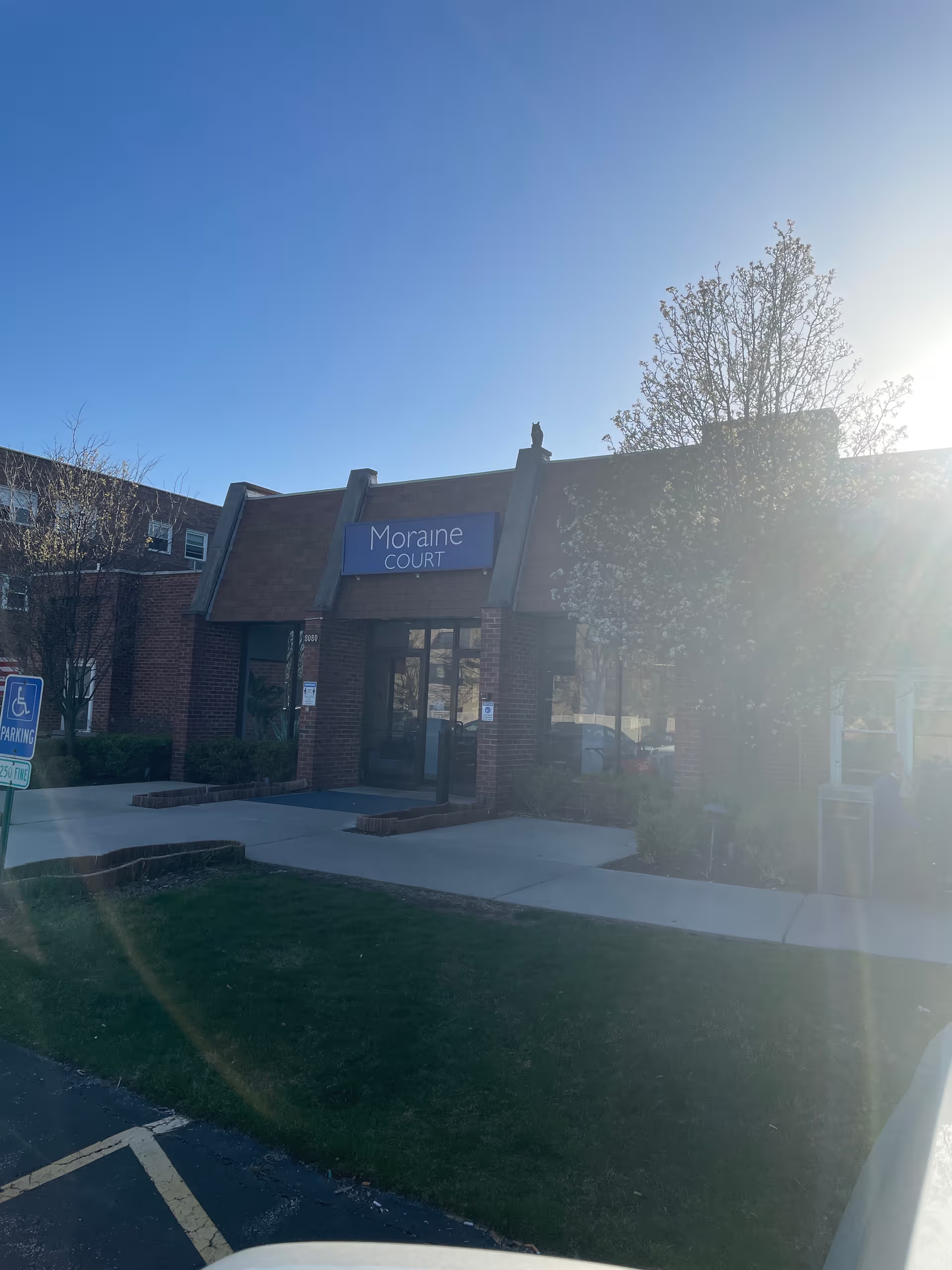
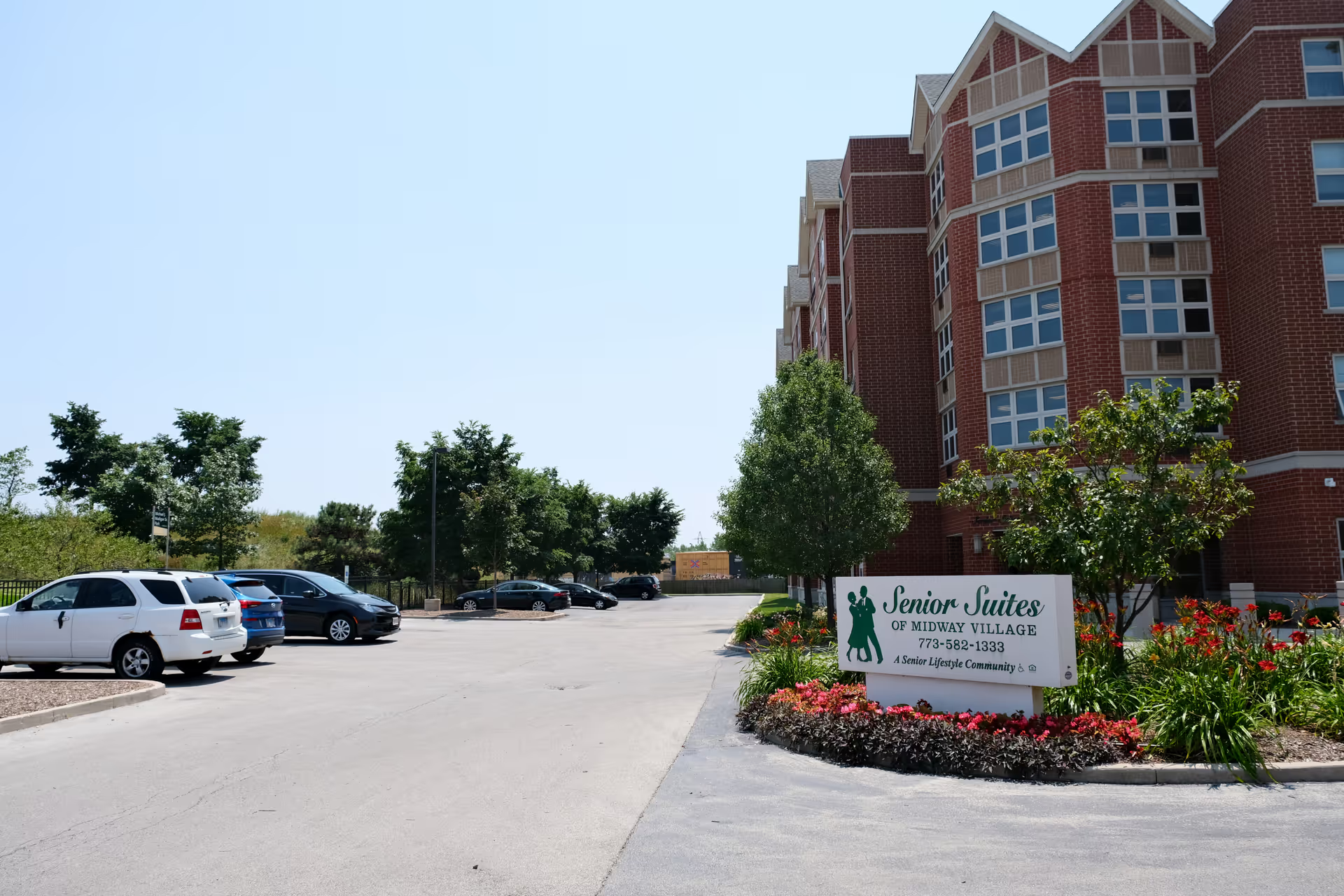
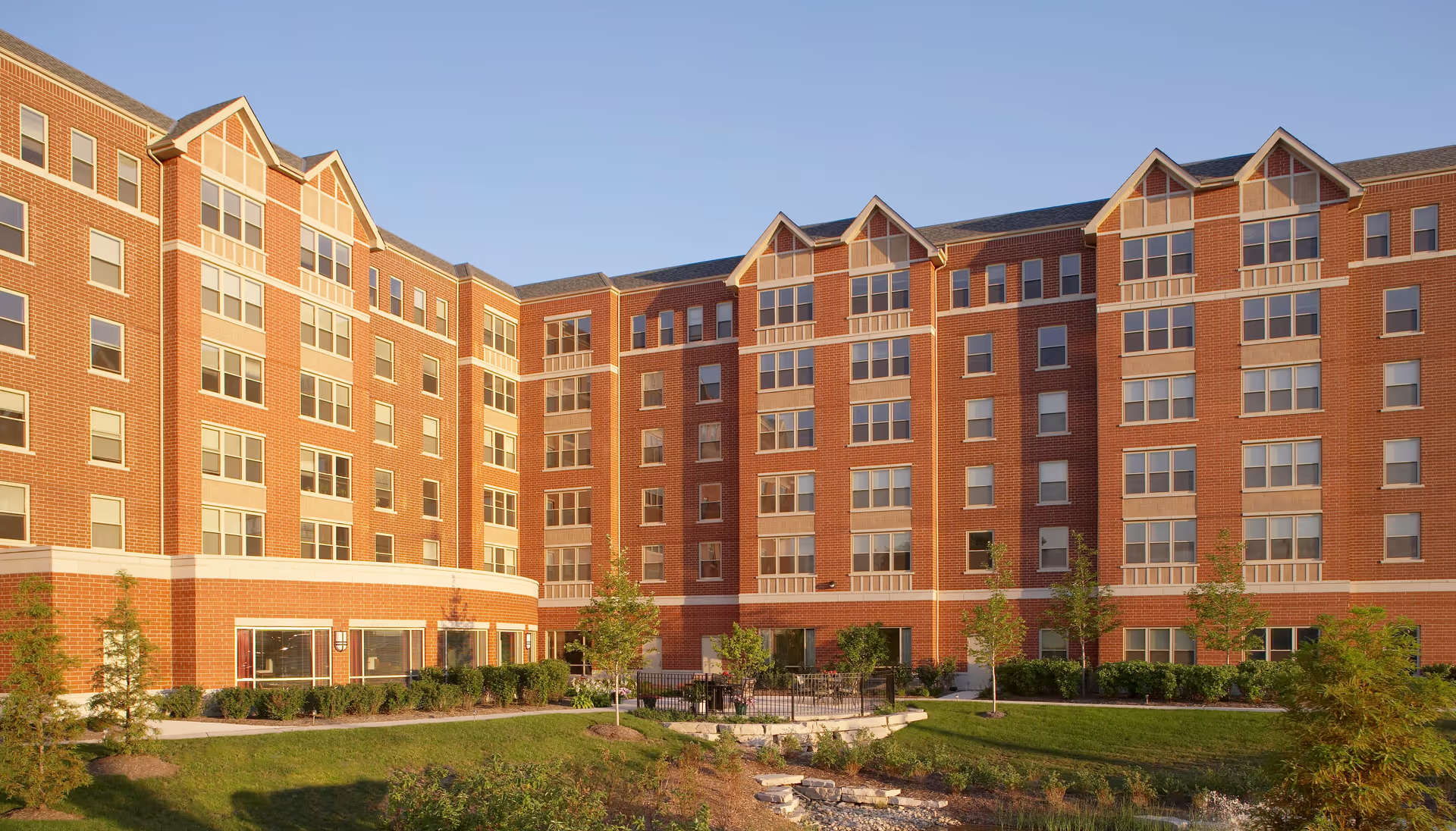
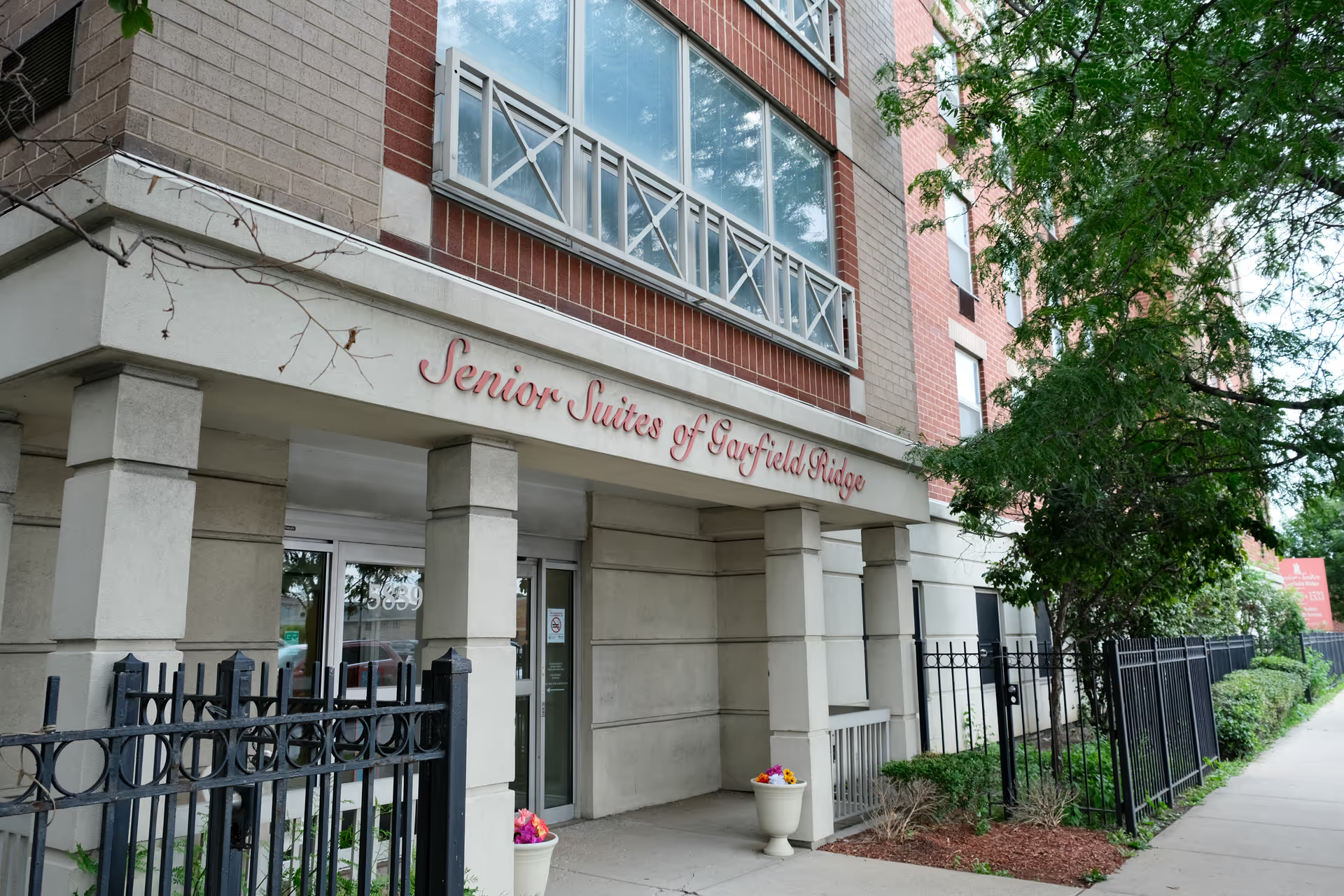
The reviews for this facility are sharply mixed, producing a polarized portrait in which clear strengths coexist with recurrent operational weaknesses. Positive feedback centers on the interpersonal and rehabilitative aspects of care: multiple families praised compassionate nurses, attentive CNAs, and effective physical/occupational therapy teams. Admissions and certain administrative leaders are frequently described as responsive and helpful, and coordinated activities, social programming, and social‑services support are noted as beneficial for resident engagement. The facility’s smaller scale is highlighted as an advantage by several families who experienced more individualized attention and proactive fall‑risk monitoring.
At the same time, consistent themes indicate systemic gaps in clinical and operational reliability. Medication‑management concerns (missed doses, errors, and difficulties obtaining medications or respiratory supplies) recur across reviews and point to weaknesses in pharmacy or nursing processes. Staffing shortfalls and uneven staff responsiveness were frequently cited, including delayed call‑light responses and variability in aide competence and tone. These staffing issues appear to underlie several care‑delivery problems, including inconsistent bathing and linen changes, delays in incontinence care, and limited availability of therapy or assistance during peak periods.
Dining and nutrition present a mixed picture: some families reported acceptable meals and pleasant dining spaces, while others described cold trays, meal delays, overcrowded dining during restrictions, and general dissatisfaction with food quality. Rehabilitation services receive many positive mentions for producing measurable progress, but reviewers also described periods (for example during lockdowns or staffing constraints) when therapy frequency or intensity was reduced.
Facility condition and environmental management are another area of variability. Several reviewers described clean, welcoming common areas and well‑kept social spaces, yet others reported sanitation concerns, odor problems, stained or worn linens, pest‑control issues, and maintenance shortfalls such as dated rooms, broken furniture, or HVAC problems. These inconsistencies suggest uneven housekeeping and maintenance practices between units or shifts.
Communication and management responsiveness are uneven: several administrators and staff members were singled out for exemplary responsiveness and family engagement, while other reviews describe automated phone lines, difficulty reaching a live person, and poor follow‑up about clinical events. There are also serious process concerns raised around personal‑property handling, lost or misdirected laundry, and at least some allegations of theft and financial‑practice irregularities; these claims have been framed by families as sufficient to prompt regulatory reporting in isolated cases.
Notable patterns are the strong positive impact of committed therapy and admissions teams and the recurring operational themes tied to staffing, medication controls, and environmental management. Prospective residents and families would be wise to assess current staffing ratios, medication‑administration protocols, infection‑control procedures, laundry/property protocols, and recent regulatory history during a tour. Asking specific questions about call‑light response times, frequency of therapy, housekeeping schedules, and how the facility documents and communicates clinical incidents can help clarify whether the local unit and shift patterns align with the positive experiences reported by some families or with the operational shortcomings noted by others.