Overall impression: Arden Courts Palos Heights receives extensive praise for its compassionate, memory-care–focused environment and for the attentiveness of many frontline caregivers and clinical staff. Numerous families describe a warm, family-like atmosphere in which staff quickly learn resident preferences, preserve dignity, and engage residents in daily life. Leadership and admissions personnel are frequently cited as welcoming and informative, and several reviews note coordinated end-of-life support and helpful transition assistance.
Care quality and staff: The predominant theme across reviews is strong interpersonal care: nurses, aides, and activity staff are regularly described as kind, patient, and knowledgeable about dementia needs. Reviewers frequently single out individual staff and leaders for hands-on involvement and clear communication. However, there is a consistent counterpoint: several reviewers raised operational concerns that affect clinical reliability. Key issues include inconsistent staffing levels, use of temporary agency personnel who may be less familiar with residents, and specific allegations of missed medication administrations and related clinical lapses. These concerns point to gaps in medication-administration controls and variability in supervision that prospective families should discuss with management.
Dining and activities: Dining is generally viewed positively — meals are described as tasty, nutritious, and offered with flexible timing. Some reviewers cited coordination problems between dietary orders and clinical directives; families should confirm how dietary restrictions and physician orders are managed in practice. Activities are a clear strength: the facility offers frequent programming, live music, crafts, memory-based engagement, and family-friendly events. The activity program is often highlighted as a major contributor to resident well-being.
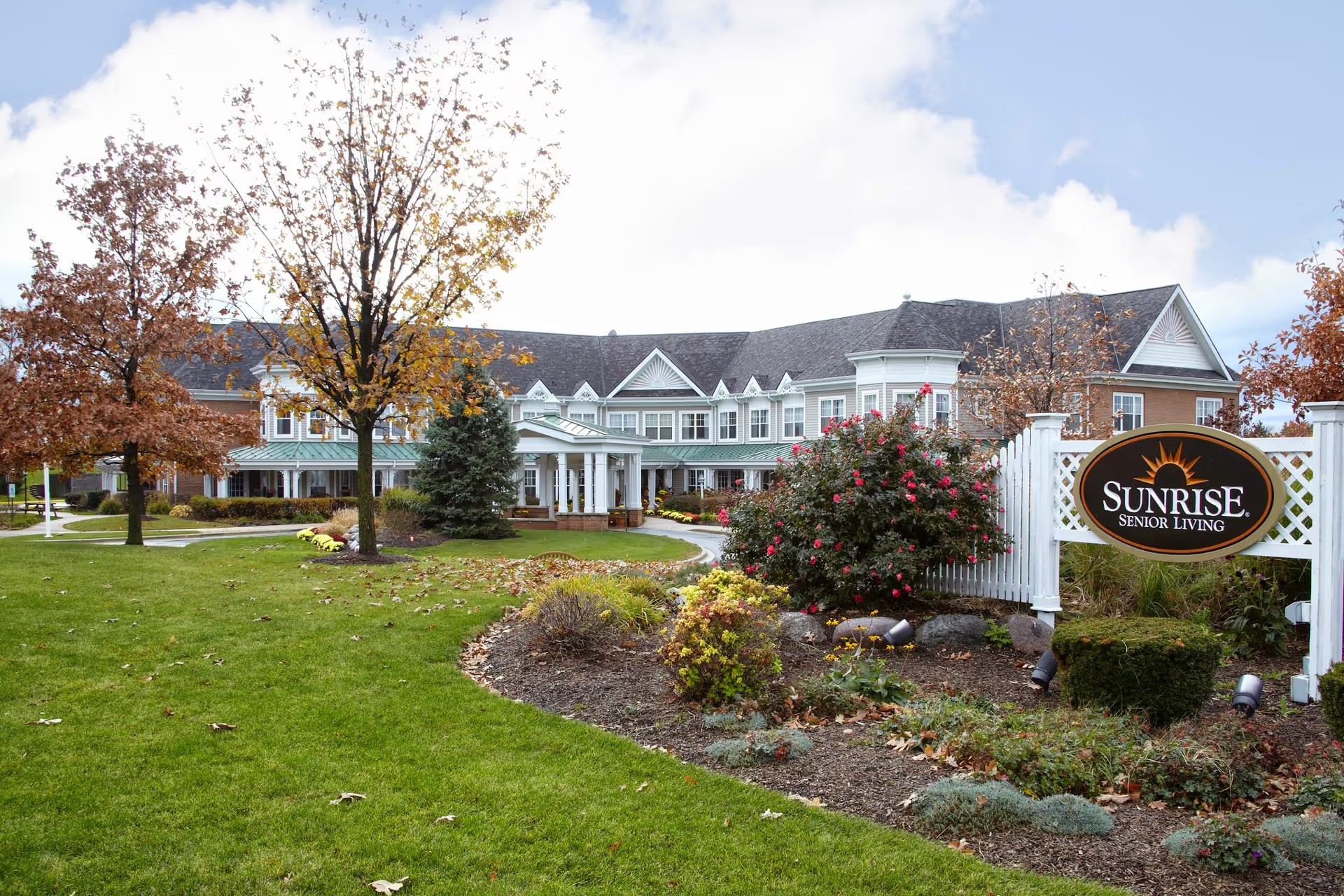
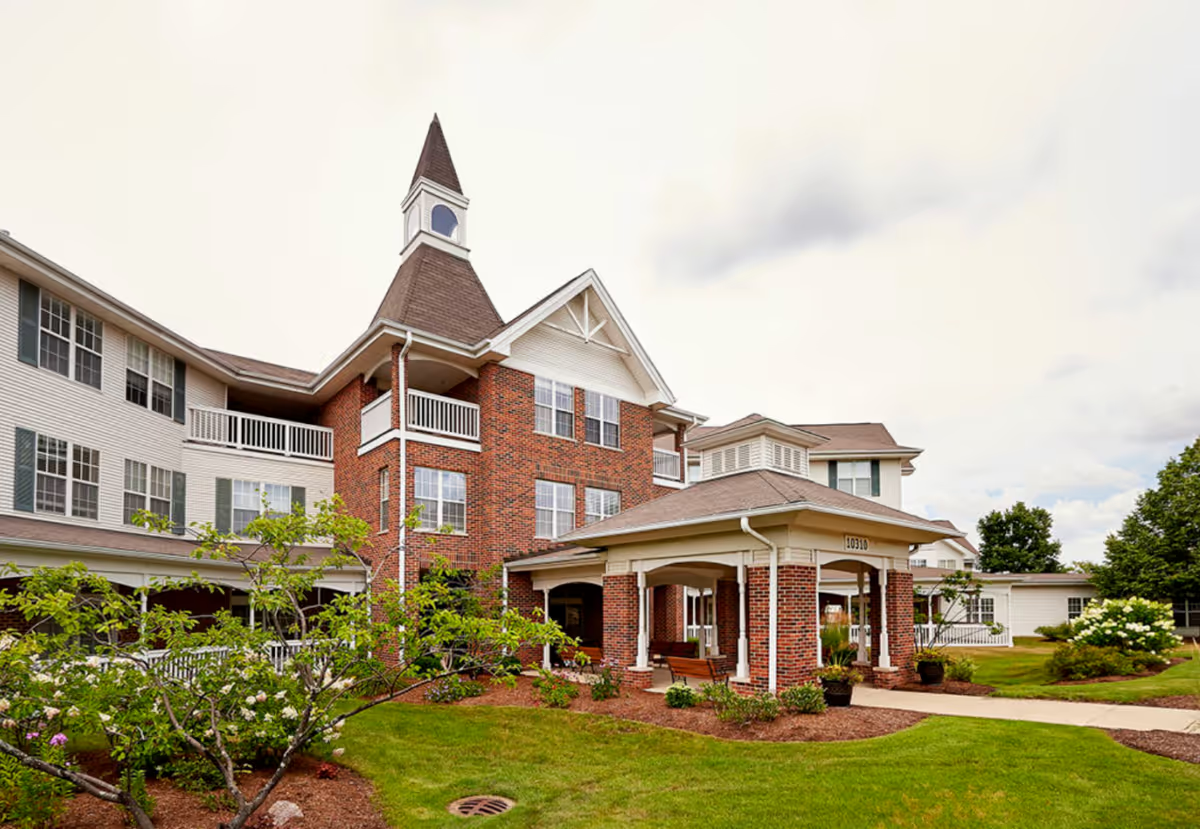
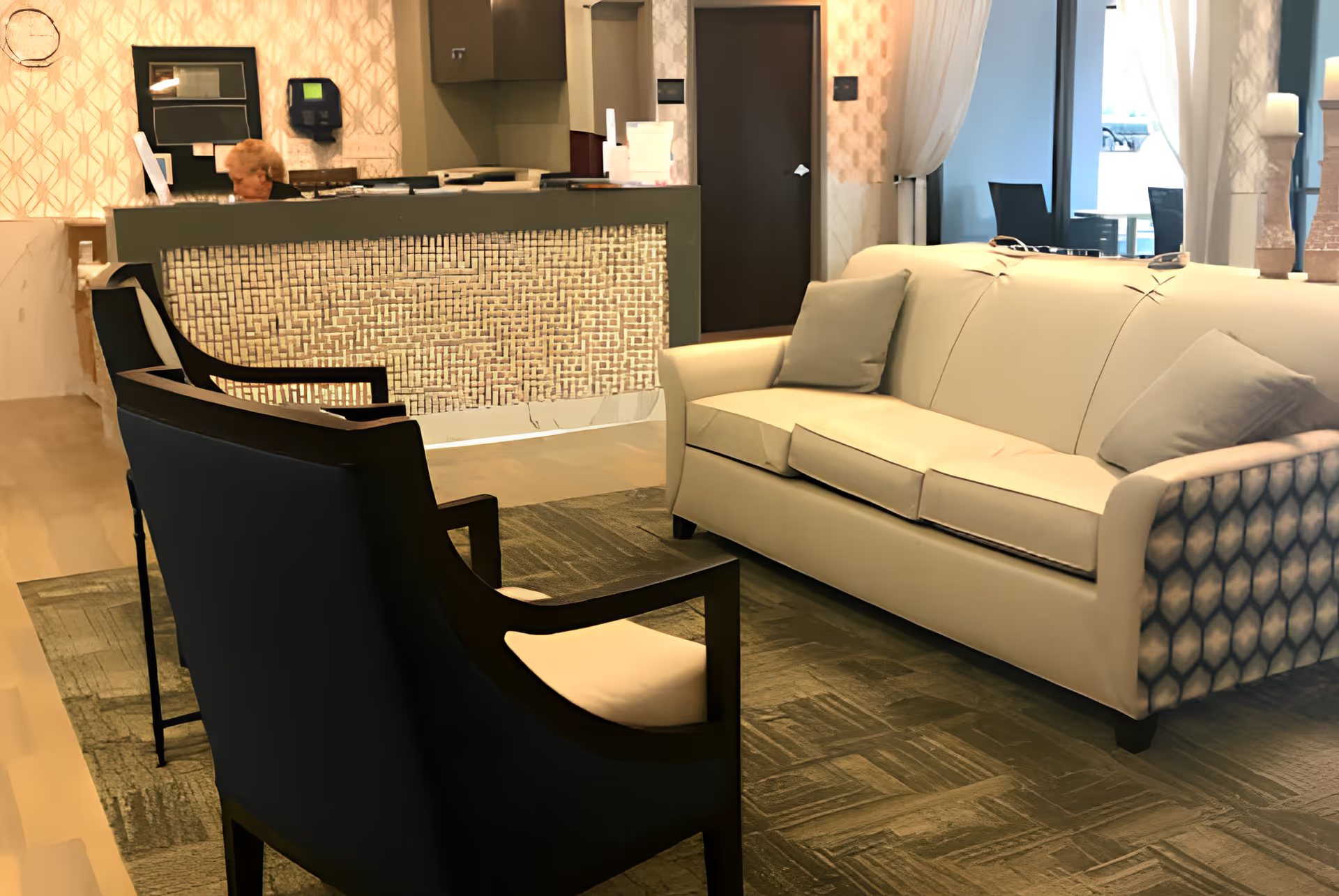
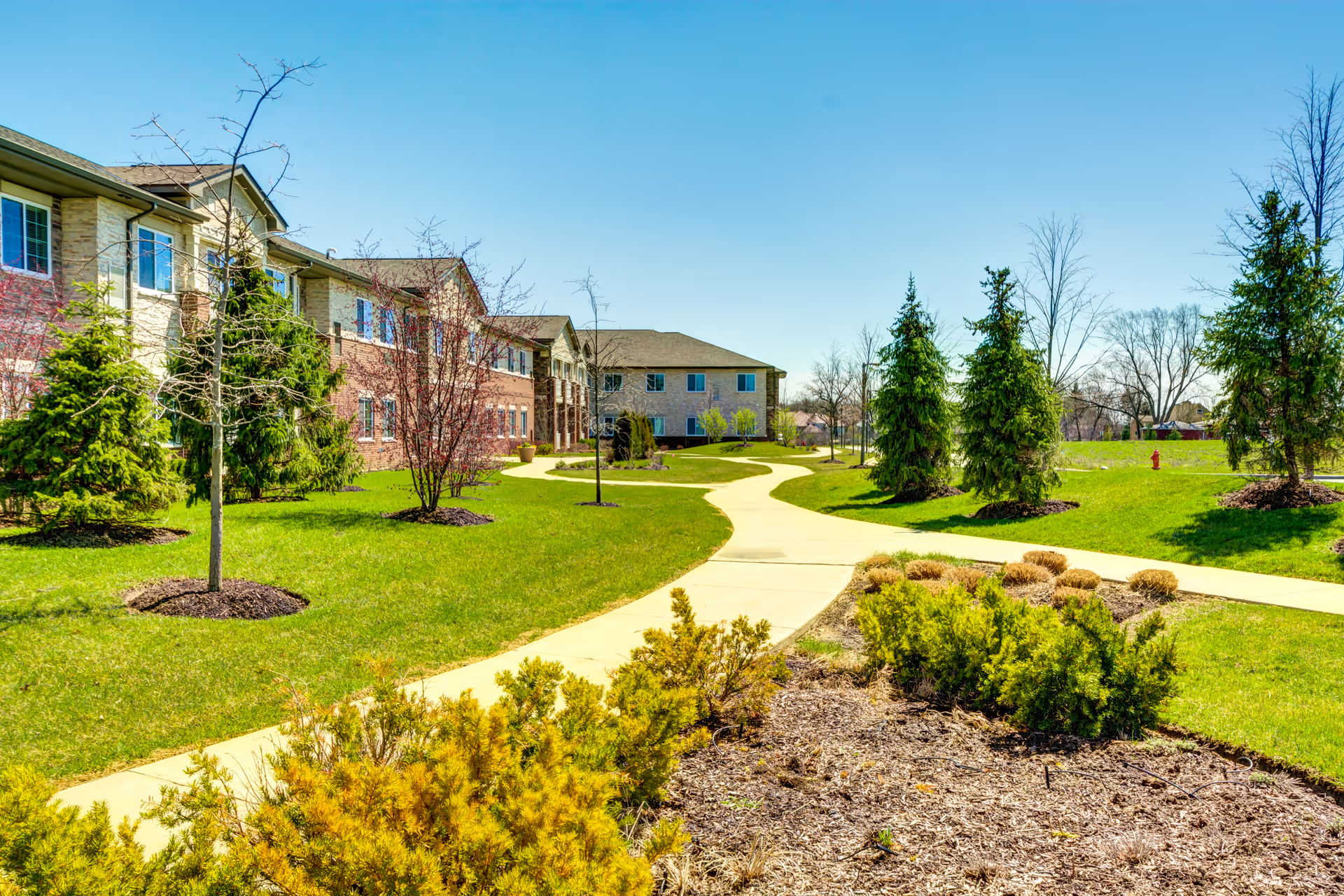
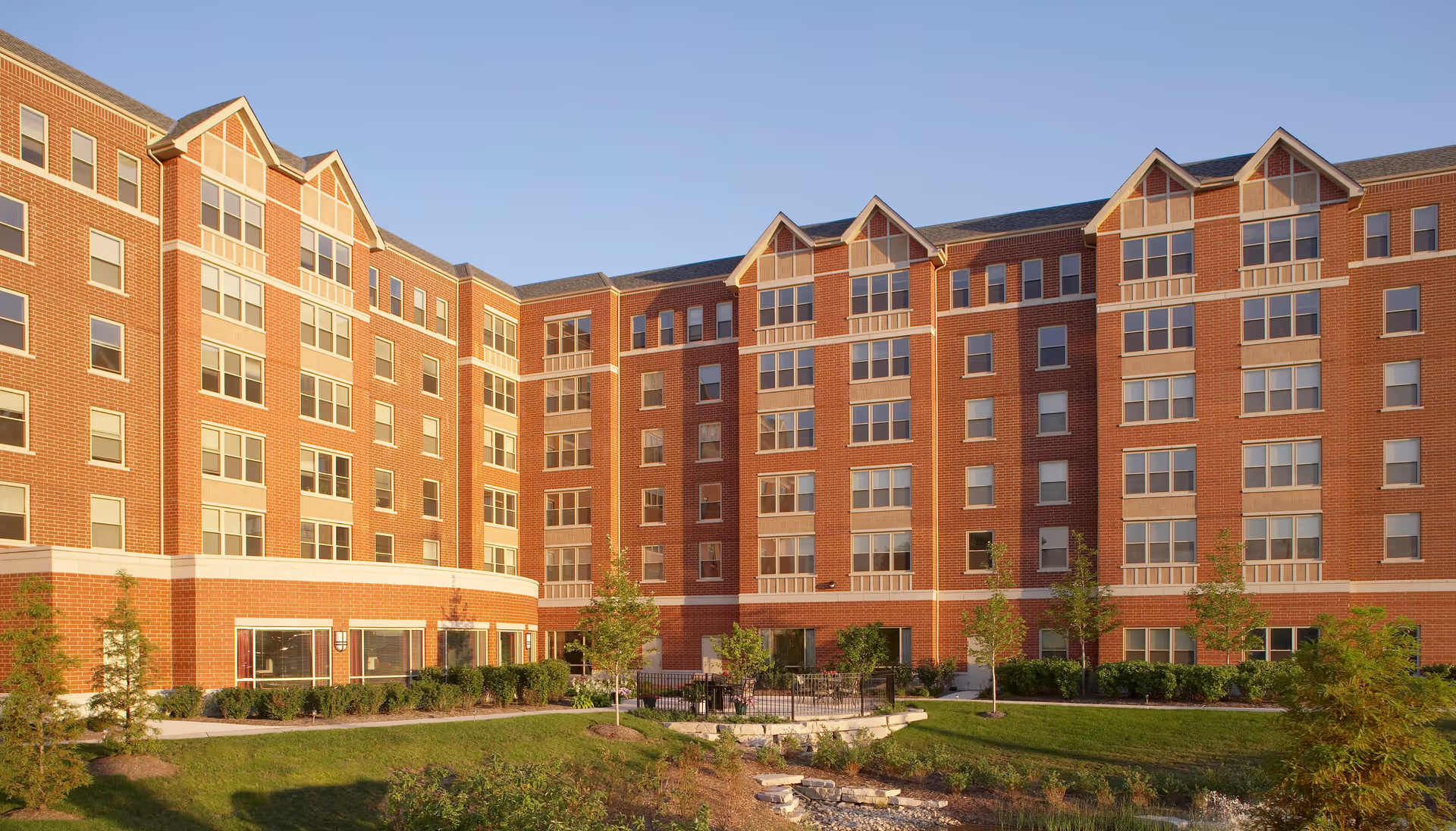
Facilities and cleanliness: Many reviews praise the community as clean, well-decorated, and homelike, with private rooms and pleasant outdoor spaces. At the same time, there are documented variabilities in maintenance and sanitation in certain areas according to reviewers — including concerns about incontinence care and inconsistent housekeeping standards. Some reviewers also described portions of the building or furnishings as dated and in need of refresh.
Management and patterns: Strong, supportive leadership is repeatedly praised; yet several reviewers associate administrative turnover or recent leadership changes with declines in care consistency. Communication patterns are mixed: while many families receive timely updates and good interaction from staff, others describe lapses in communicating significant changes or safety incidents. A prior state survey deficiency was mentioned in at least one review, suggesting prospective families should inquire about regulatory history and corrective actions.
What to watch for and questions to ask: Prospective residents and families should balance the facility’s strengths in dementia-centered programming, resident engagement, and compassionate staffing against the operational concerns noted above. Recommended topics for a tour and follow-up include current staffing ratios and contingency plans for agency staff, medication-administration protocols and audit results, examples of recent corrective actions following any regulatory findings, housekeeping and incontinence-care procedures, nurse-call response times, and how dietary orders are reconciled with clinical instructions. Seeing the community during an active day (not during restricted visitation times) and requesting references from current families can help clarify whether the facility’s operational controls align with the positive caregiving culture many reviewers describe.