Discovery Commons Orland Park presents as a modern, well-appointed senior living community with many operational strengths alongside notable weaknesses that prospective residents and families should evaluate.
Care and staff: The dominant pattern across feedback is strong praise for caregiving staff and memory-care leadership. Caregivers, CNAs, and named staff members were frequently described as compassionate, patient, and attentive; families highlighted personalized attention, grooming and closet assistance, and emotional support. Nursing and therapy services are present on-site and are viewed positively by many families. That said, there is a countervailing pattern of inconsistent care delivery: reviewers cite variability in responsiveness, missed or delayed tasks, and uneven competence across shifts. Staffing instability and turnover appear to contribute to these inconsistencies, and reviewers advise confirming staffing levels and continuity, particularly for overnight coverage.
Clinical safety and medication: Several reviews raise concerns about medication management processes and timing, and about staff training for transfers and other clinical tasks. These indicate gaps in medication-management controls and in transfer-safety practices that could affect resident safety. Additionally, limited overnight staffing and mixed accounts of monitoring systems (for example, lack of alarms in some areas) suggest families should ask about overnight response protocols and emergency/evacuation planning. There are also a small number of serious allegations, including theft and harmful conduct; the presence of those claims means families should review incident logs, background-check practices, and facility responses during touring and decision-making.
Dining and activities: Dining receives generally positive comments — meals are described as well-prepared, chef-driven, and enjoyed by many residents. Positive notes include good portioning and a varied menu. Areas for improvement include meal presentation in some instances and access to regular menu choices for residents in memory care units. The activities program is a clear strength: organized, varied programming, daily morning meetings and active activities direction are often cited as enhancing quality of life. Memory-care programming is praised in many accounts but described as less focused or limited in others; families with memory-care needs should review specific programming and engagement approaches during a tour.
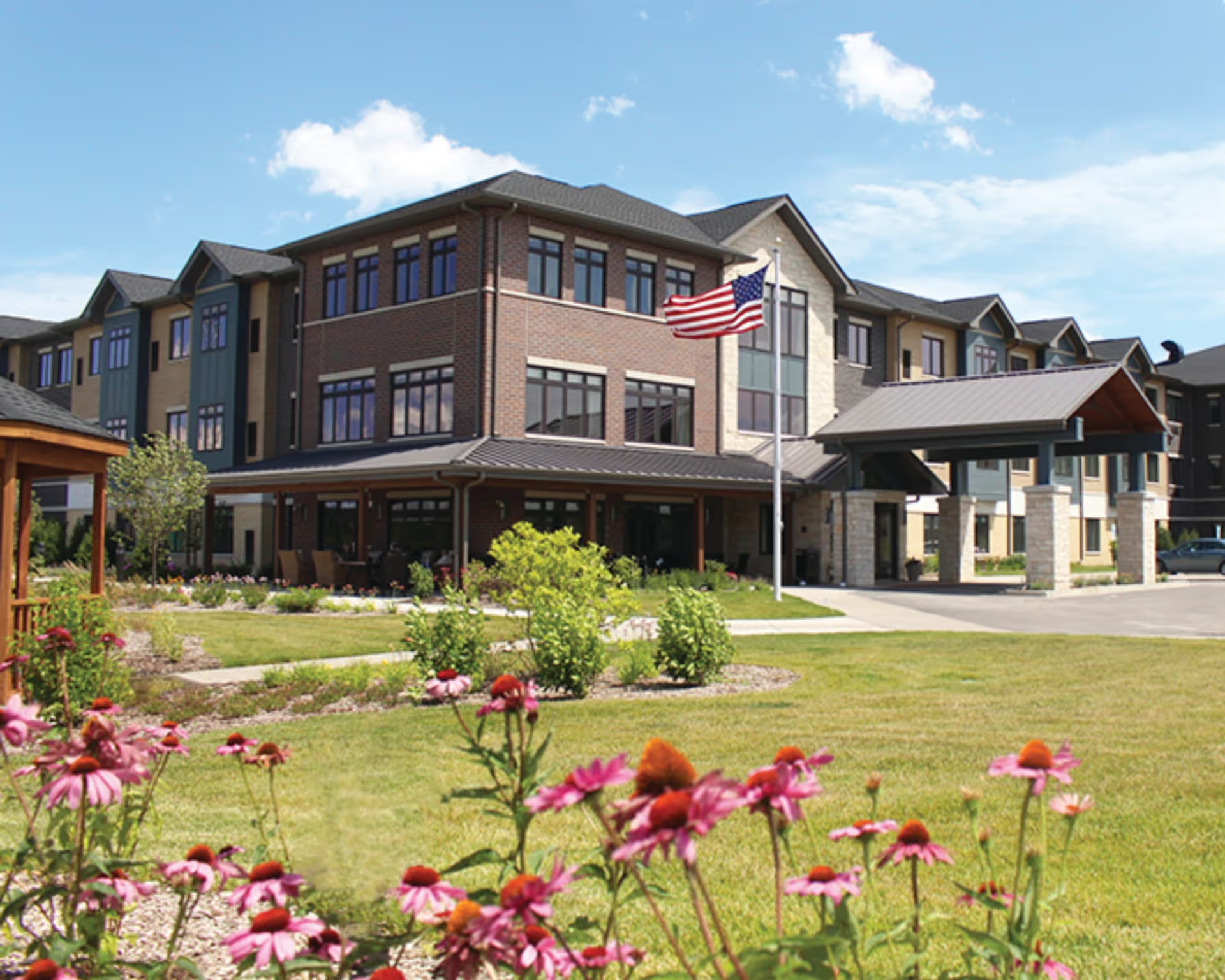
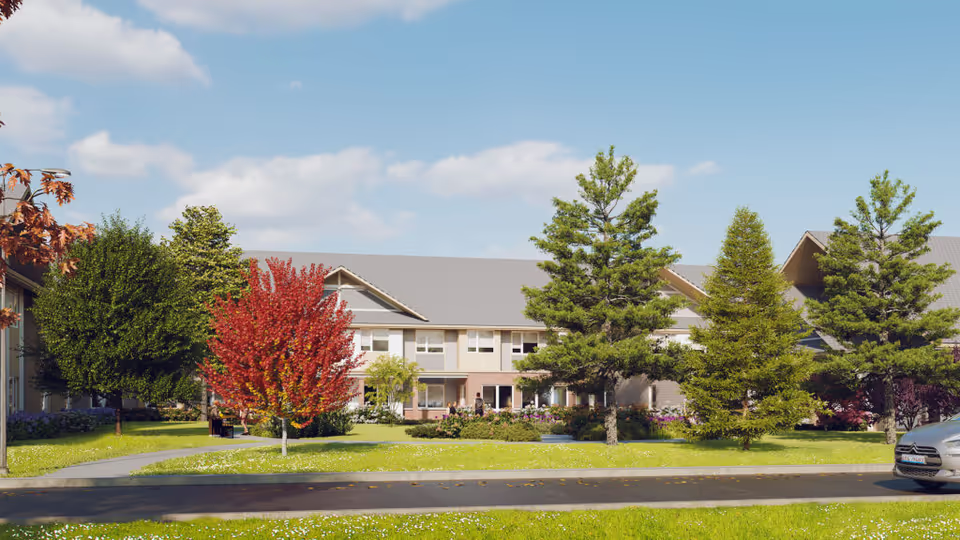
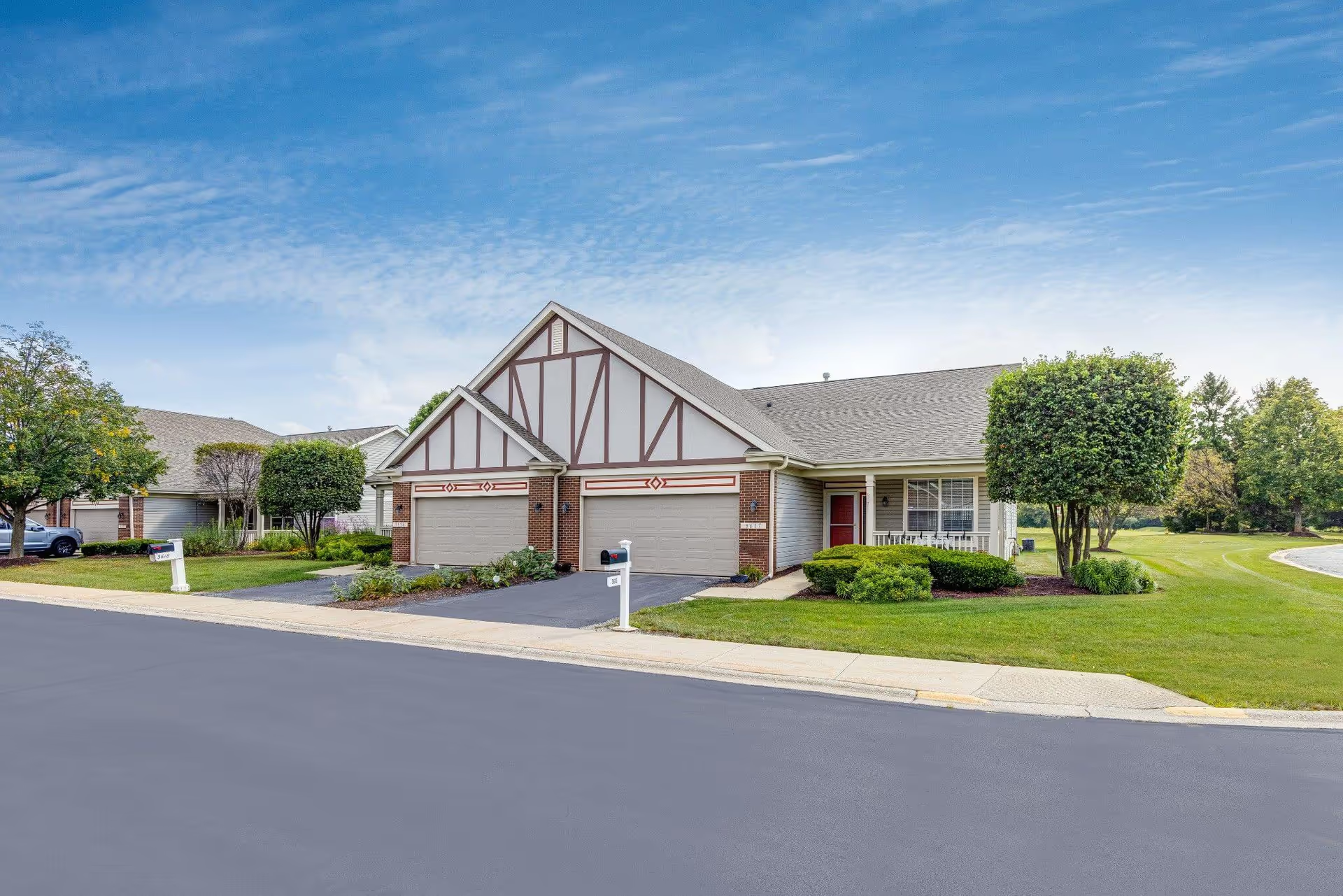
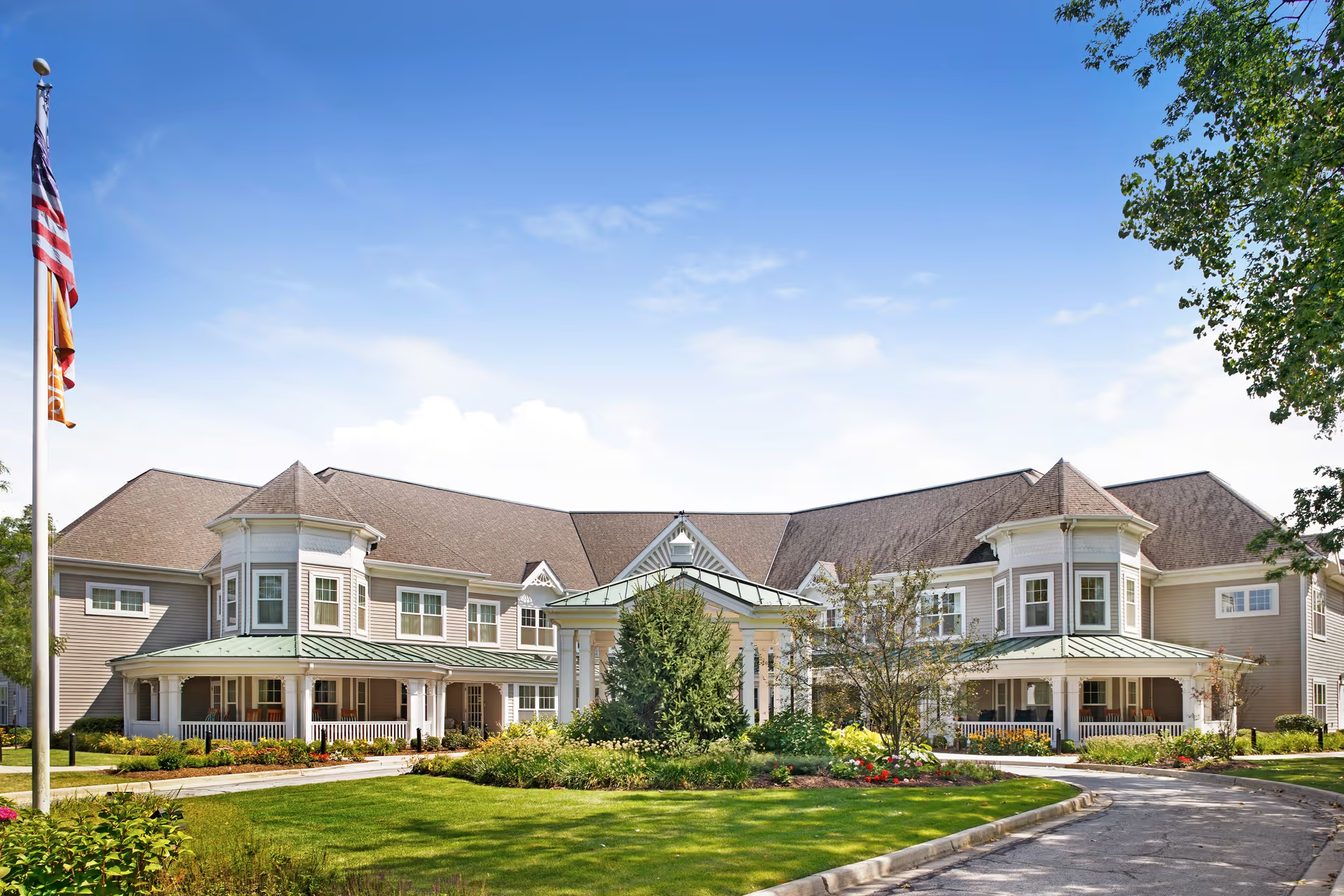
Facilities and amenities: The physical environment is widely praised: clean, bright, and new-feeling with attractive common areas, an outdoor courtyard, theatre, salon, exercise space, and accessible apartment layouts with walk-in showers. Housekeeping and maintenance are generally described as responsive. However, a few reviews note occasional sanitation lapses and slower response times for certain requests. Prospective residents should inspect unit finishes, noise/wayfinding (some found hallways confusing), and safety features such as motion detectors and emergency-call systems.
Management and communication: Communication from direct caregivers and some directors is often highlighted as a strength—families value daily photos and timely clinical updates. Conversely, reviewers also describe variability in leadership responsiveness, changes in management/ownership, and instances where sales or tours gave an overly optimistic impression. These patterns suggest evaluating the consistency of leadership, turnover history, and procedures for family communication before committing.
Notable patterns and recommendation: Overall, Discovery Commons Orland Park is frequently praised for its caring staff, robust amenities, and engaging culture. At the same time, recurring operational concerns—particularly around staffing stability, medication controls, overnight monitoring, and variable responsiveness—are important to consider. For families touring the community, recommended due diligence includes: asking for staffing ratios by shift (including nights), reviewing medication management and incident-reporting processes, confirming evacuation and emergency protocols, observing mealtime and activity engagement in the memory-care neighborhood, and requesting recent references from current residents’ families. These steps can help clarify whether the facility’s strengths align with a prospective resident’s clinical and lifestyle needs.