Care quality at the facility shows a pronounced split between strong rehabilitative services and inconsistent day-to-day nursing care. Therapy — particularly PT/OT and the on-site gym — receives frequent praise for measurable progress and effective discharge planning. Many families describe successful recoveries and strong handoffs to home. At the same time, there are repeated accounts of delayed responses to call bells, inconsistent medication administration practices, and lapses in routine personal-care tasks; these operational gaps appear to be an important driver of family concern.
Staff performance is similarly mixed. Numerous reviews highlight individual caregivers, nurses, therapists, and activity staff as compassionate, skilled, and supportive — several staff members are singled out for going beyond expectations and providing emotional support to families. Conversely, reviewers also describe episodes of inattentiveness, perceived brusqueness, and difficulties reaching nurses; staffing shortages and the presence of agency or very new staff are commonly mentioned as contributing factors to uneven care across shifts and units.
Dining and activities present a varied picture. The first-floor dining room is described as accessible and adequate, and some families praise mealtime monitoring in certain units and warm, appetizing meals in memory care. However, reviewers also note inconsistent food quality, meal mis-deliveries, and limited dining stimulation in other areas. Activity programming is a clear strength in parts of the building — with live entertainment, movies, pet visits, and engaging in-room options — but activity availability appears inconsistent by unit and has been constrained at times by infection-control policies.
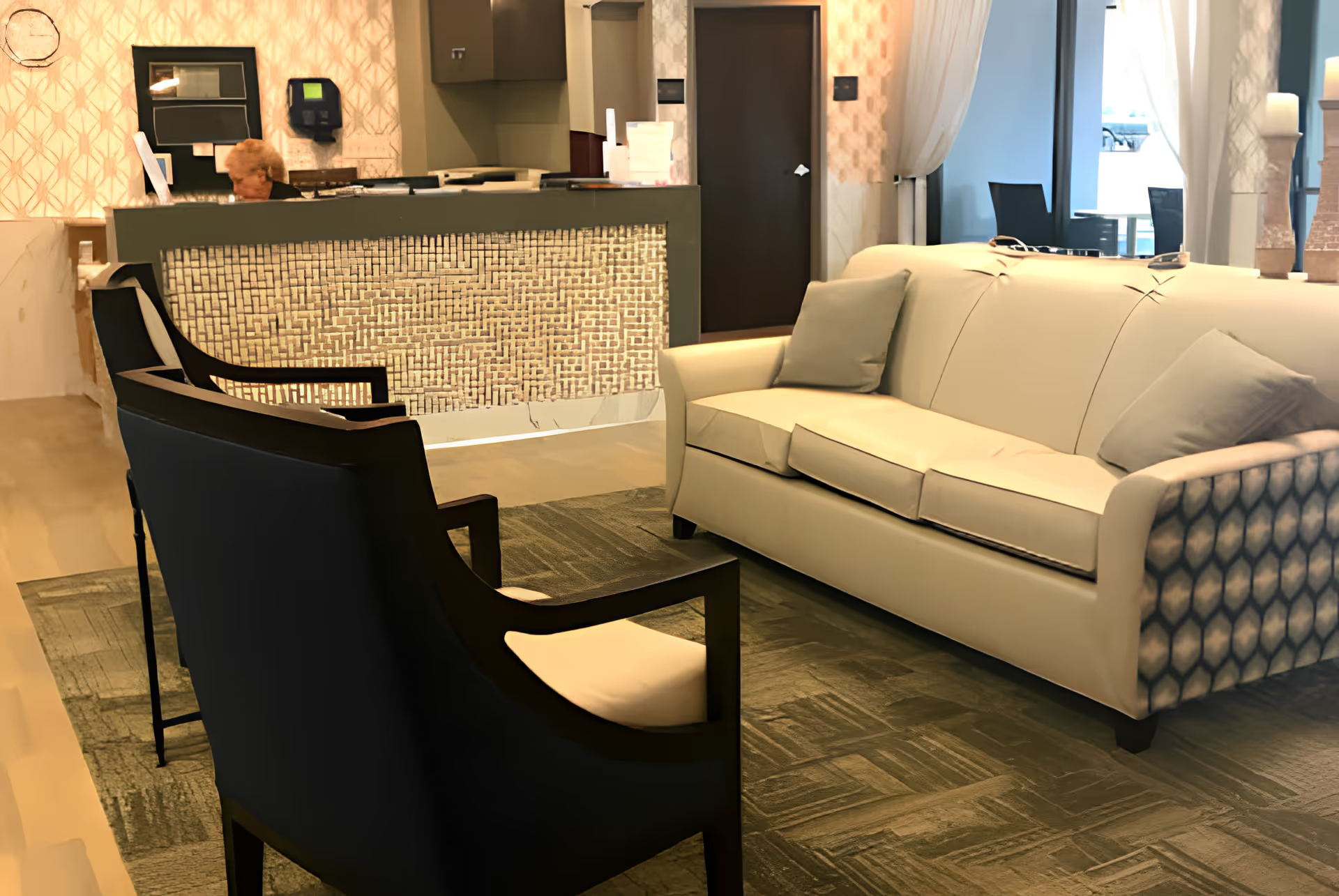
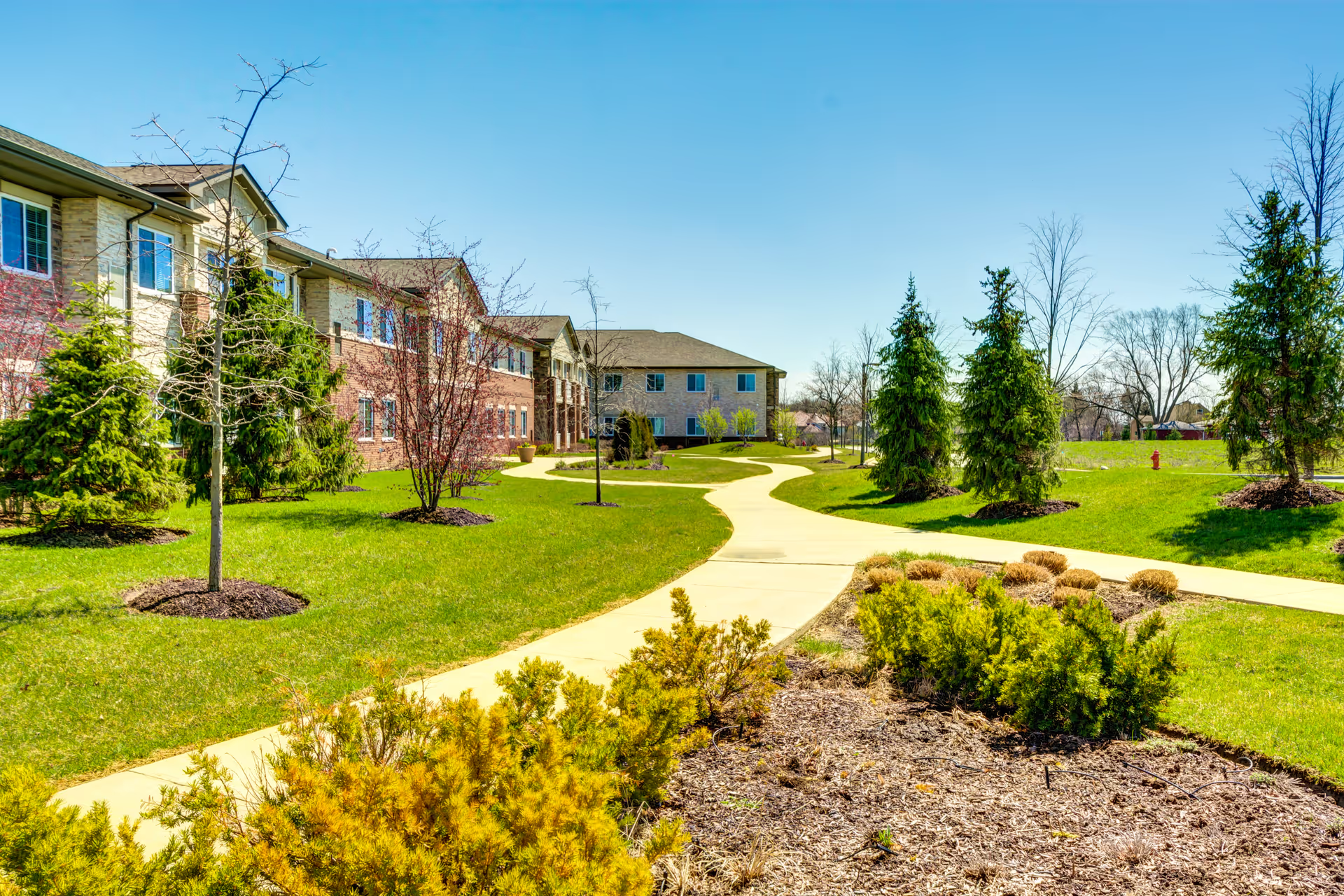
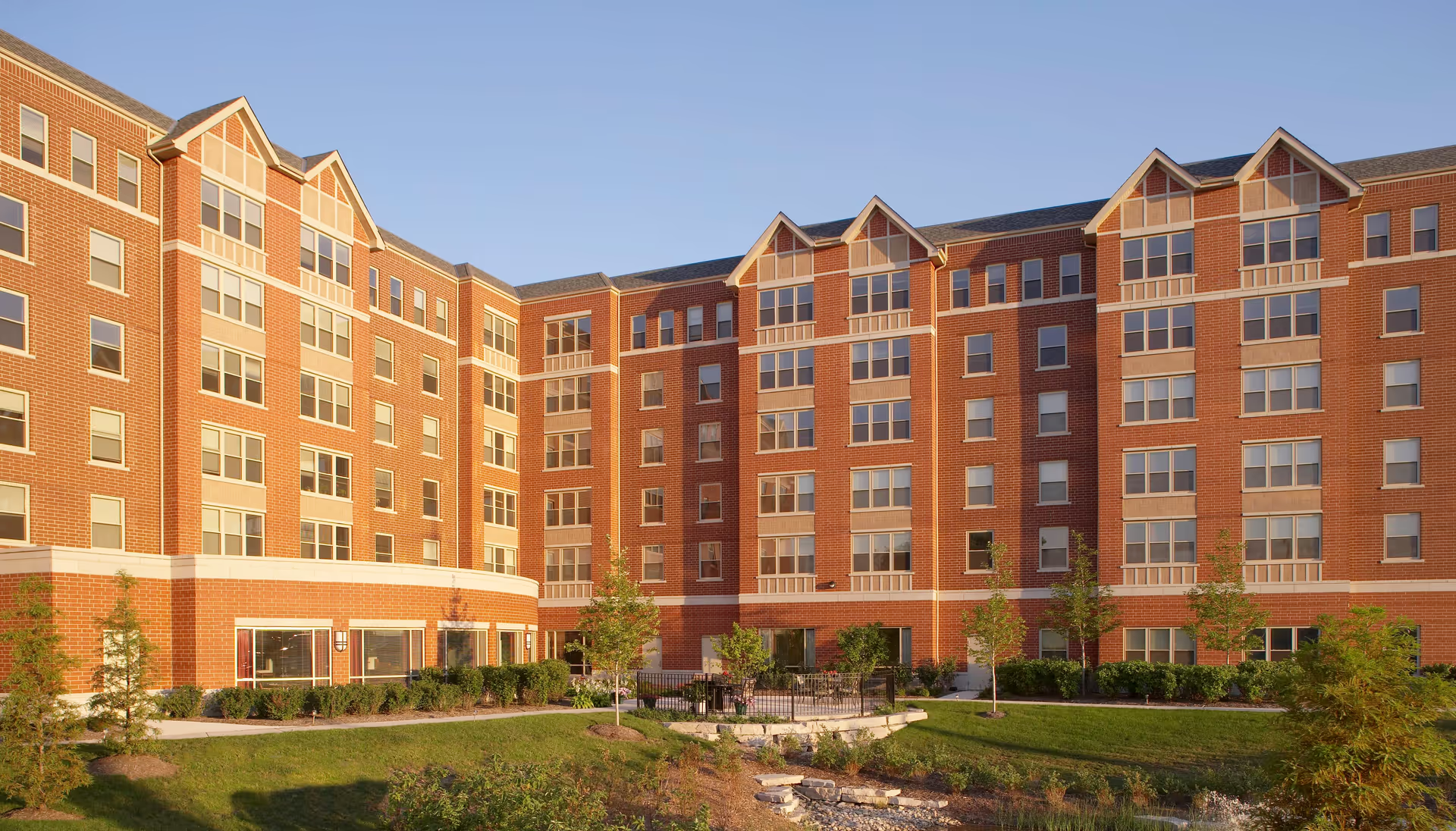
Facility condition and maintenance are mixed. Portions of the building and common areas are reported as clean and well-kept, while other areas show signs of deferred maintenance: peeling wallpaper, scratched furniture, and inconsistent housekeeping on upper floors. Several comments reference odor concerns in particular rooms or corridors and variable bathroom upkeep. Equipment repair and environmental maintenance issues have been raised as operational weaknesses when they occur.
Management and communication receive both positive and negative remarks. Some families commend administrators and discharge coordinators for clear intake, transition support, and responsiveness. Others describe charting errors, medication-billing pressure during hospice transitions, difficulty obtaining timely answers, and unsatisfactory complaint follow-up. These communication and record-keeping gaps compound families’ worries when clinical concerns arise.
Notable patterns across reviews: rehabilitative therapy is a consistent strength and often the reason families choose the facility for short-term recovery. Persistent operational concerns center on call-bell responsiveness, staffing variability, medication coordination, and inconsistent personal-care routines. Prospective residents and families should weigh the strong therapy capabilities and individual compassionate staff against variability in routine nursing responsiveness and facility maintenance; when possible, ask targeted questions about staffing levels, call-response protocols, medication oversight, and unit-specific activity calendars during admission visits.