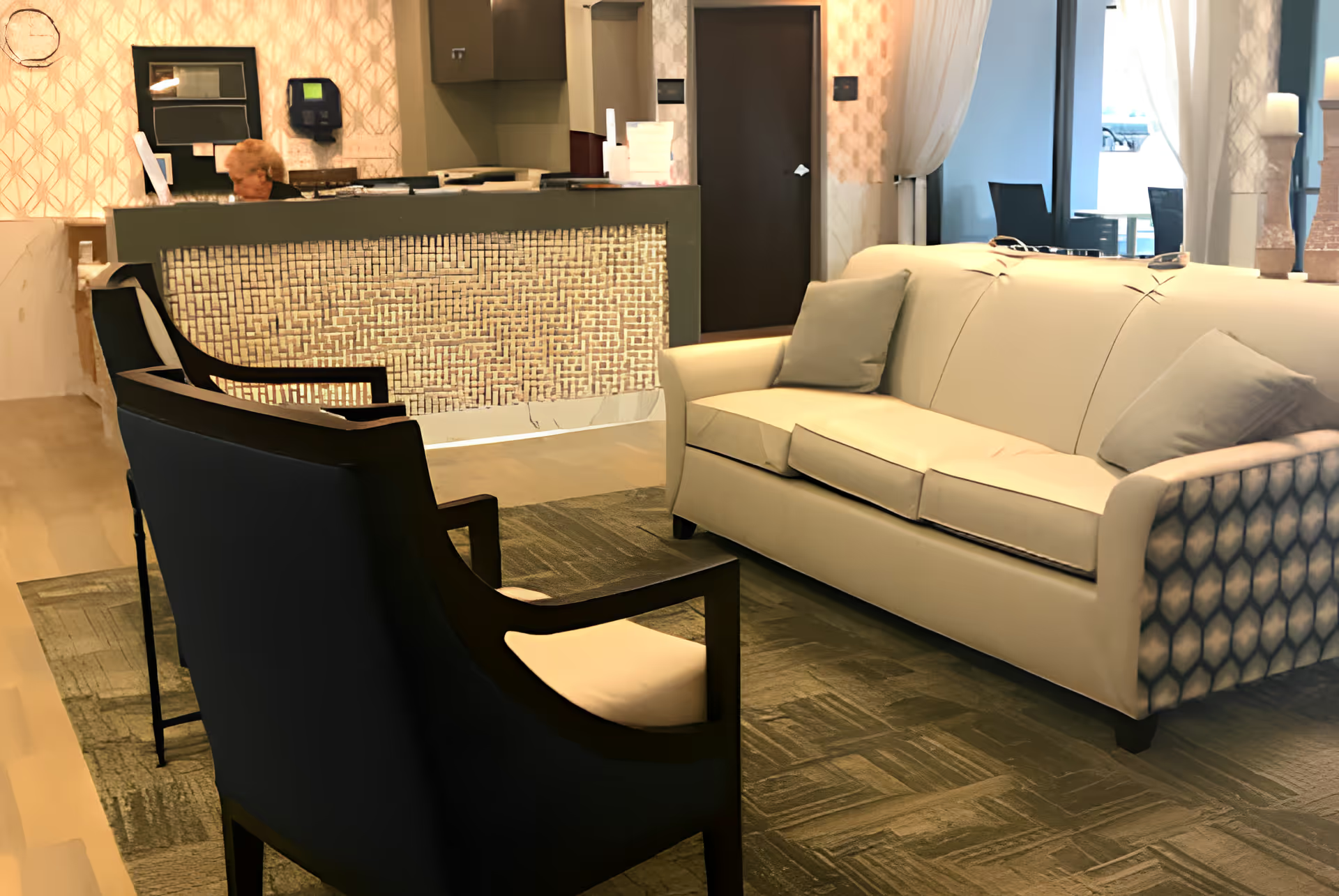
Elevate Care Palos Heights generates sharply mixed impressions. A consistent positive cluster centers on the short-term rehabilitation services: the renovated rehab wing is described as modern and hotel-like with private rooms, an ample therapy gym, and a strong PT/OT team that many families credit with good functional progress. Several admissions- and concierge-level staff and some administrators receive repeated praise for responsiveness, insurance coordination, and helpful onboarding. When staffing and leadership align, reviewers describe professional, attentive care, clean rooms in renovated areas, good housekeeping, and family-friendly amenities such as visiting spaces and video chat.
At the same time, a distinct pattern of operational weaknesses emerges, particularly on the older long-term wing and during evenings/weekends. The most frequent themes are chronic understaffing, inconsistent frontline competence, and slow response times to call lights and basic needs. These dynamics are linked to sanitation and odor concerns in older sections, delayed maintenance (for example, slow light replacements and broken call systems), and variable housekeeping consistency. Reviewers also describe gaps in incontinence care and hygiene assistance and cite long waits for help during off-peak hours.
Clinical and safety-related patterns warrant scrutiny. Families noted variable medication handling, incomplete or poorly managed discharge processes, delays in post-fall imaging or follow-up, and uneven communication from physicians and nursing leadership. These describe system-level gaps rather than single isolated events: inconsistent medication/discharge protocols, weak after-hours coverage, and inadequate incident notification pathways to families. Prospective residents should ask about on-call physician access, night/weekend staffing levels, medication reconciliation procedures, and protocols for transfers to acute care.
Dining and therapy experience is mixed. Several reviewers reported unappealing or inconsistent meal quality and limited menu choices, while others praised hot, well-presented meals. Therapy intensity and individualization are likewise inconsistent: some families report robust, daily rehab with clear home-readiness planning; others experienced minimal therapy or programs that were not well tailored to return-home goals. Dementia and mental-health capabilities are commonly identified as limited; the facility appears better suited to short-term post-acute rehabilitation than to higher-acuity memory-care needs.
Management and culture appear uneven. Multiple reviewers singled out individual staff and leaders positively, yet other families encountered slow management follow-through, delayed refunds, or perceived lack of accountability. There are also concerns about security controls for resident belongings and inventory processes. These contrasts suggest that outcomes can vary widely depending on unit assignment, shift, and which staff are on duty.
How to use this information: for short-term rehab needs, the facility’s renovated wing, therapy teams, and concierge services are strengths worth considering. For long-term placement—especially for persons requiring dementia care or consistent overnight support—families should perform targeted due diligence: tour both renovated and older units, ask for staffing ratios by shift, review incident and maintenance response policies, confirm dementia-care programming and staff training, and clarify medication/discharge procedures and belongings-security processes. Asking for references from recent families with similar care needs and for facility responses to specific concerns will help prospective residents set appropriate expectations.