Reviews of Paris Health & Rehab Center describe a facility with notable strengths in direct caregiving and rehabilitation but with operational inconsistencies that produce widely varying family experiences.
Care and staff: Many reviewers praised individual caregivers — nurses, CNAs, and therapy staff — for compassion, long tenure, and hands-on attention. Families repeatedly describe staff who form strong relationships with residents, provide personalized care, advocate for residents, and coordinate effectively with hospice and families. That positive experience coexists with recurrent descriptions of inconsistent staffing levels; when staffing is thin, reviewers note slower response times to call bells and delays assisting residents with basic needs. Therapy is characterized as highly effective when staff are present, but several accounts indicate that therapy coverage and scheduling are sometimes unreliable.
Dining and nutrition: Dining impressions are mixed. Numerous families and residents compliment the meals and find them satisfying, and others praise accommodating meal service for special needs. At the same time, there are consistent complaints about food temperature, lack of seasoning, cold trays, and occasional lapses in tray retrieval. Meal-service continuity and dietary-special-order management appear to be operational areas that affect satisfaction.
Activities and community engagement: The facility appears to provide a range of social programming and off-site outings; reviewers mention concerts, a busy gym, pampering services (nails, hair styling), and active volunteer involvement including transportation support. These activities are frequently cited as enhancing quality of life and family satisfaction.
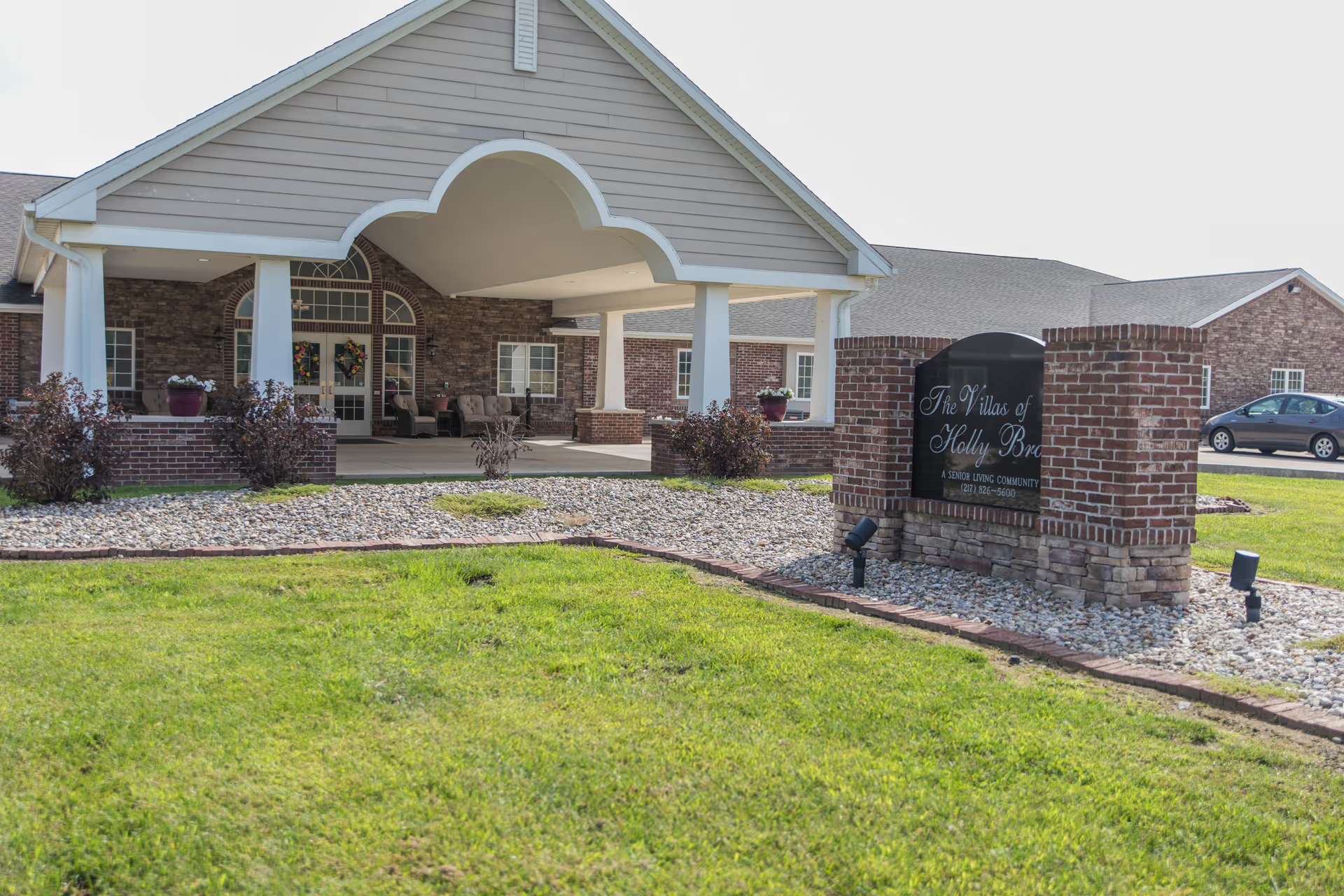
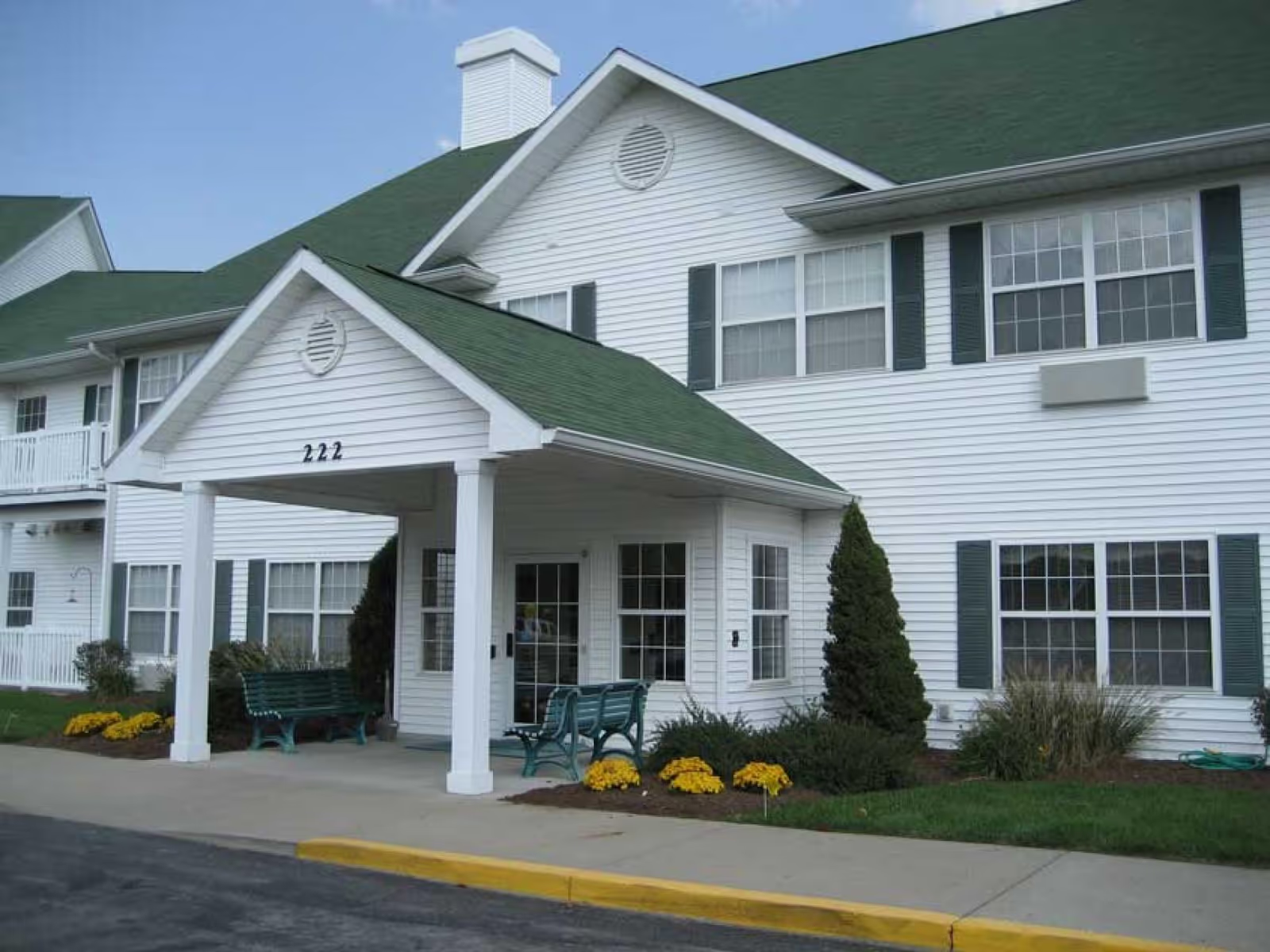
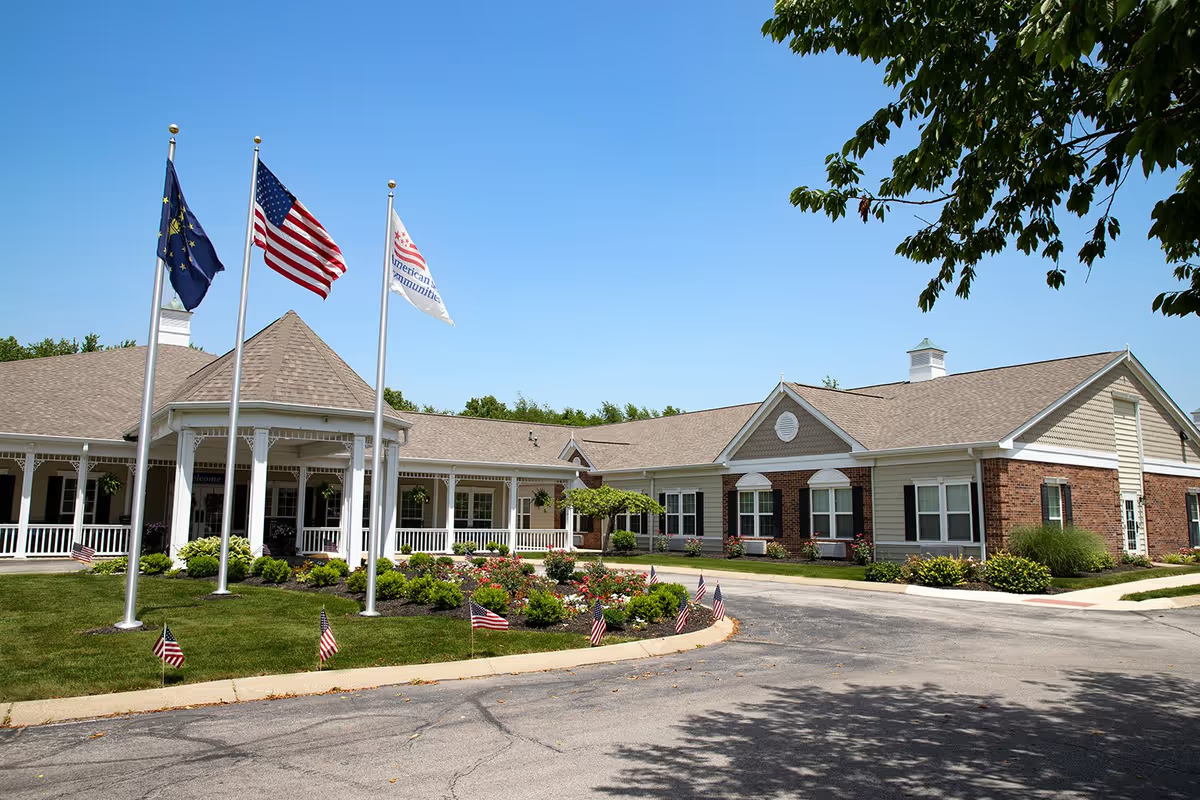
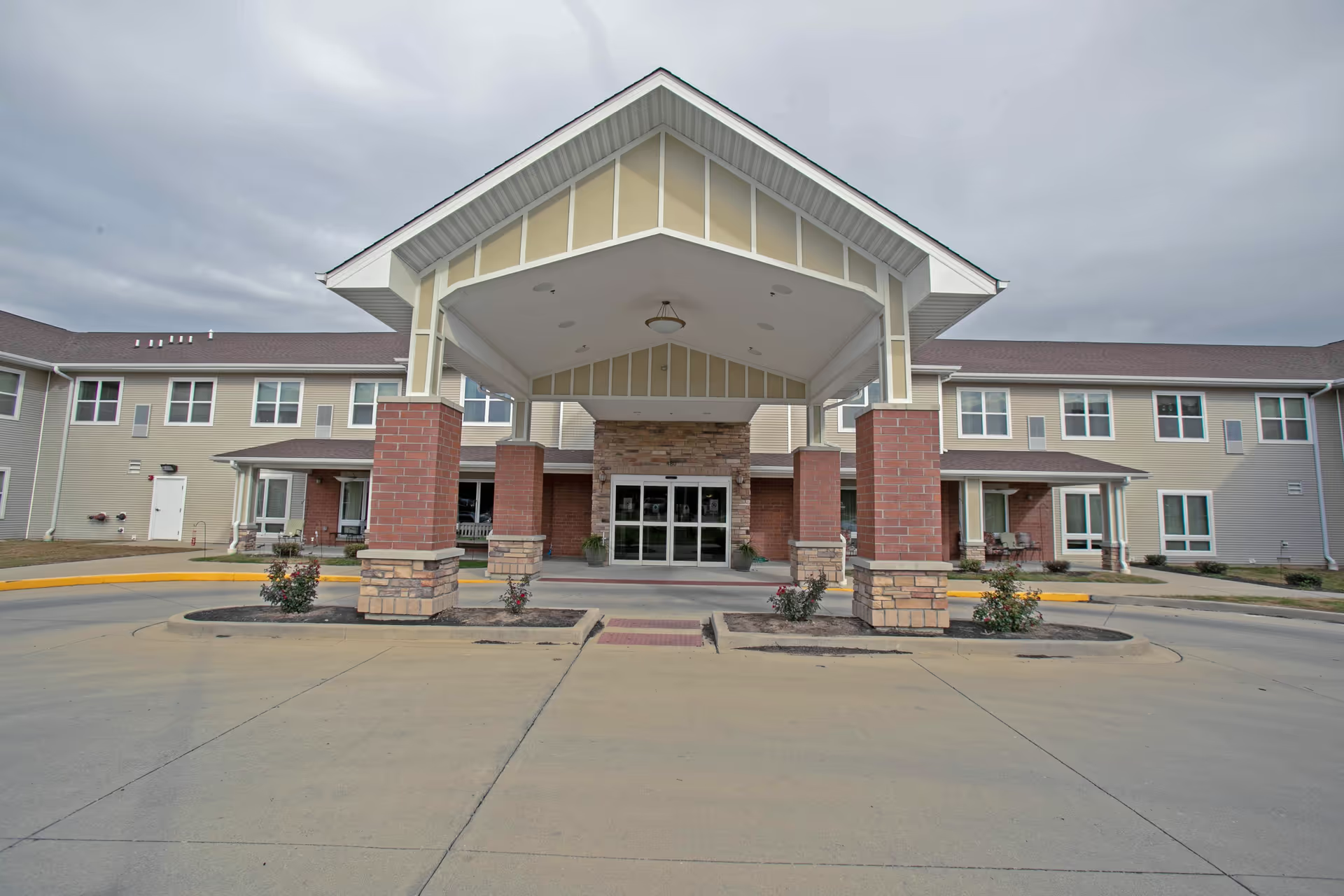
Facilities and environment: Interior cleanliness and maintenance of common areas receive positive comments — reviewers commonly note a clean, odor-free interior and pleasant activity spaces. However, the facility’s physical plant shows age-related issues: exterior upkeep and parking-lot conditions (potholes) and general signs of an older building are recurring concerns. Some reviews also mention limited modern assistive equipment.
Management and communication: Many families praise proactive outreach, a welcoming administration, and helpful social-services staff who keep families informed. Conversely, there are reports of unclear points of contact, occasional communication mix-ups, and inconsistency in who is responsible for follow-up. Operational processes (special orders, dietary requests, and call-bell response protocols) are cited as areas needing clearer systems.
Notable patterns and risk areas: The strongest consistent praise is for individual staff members and therapy outcomes; the most consistent concerns are operational — staffing levels, response times, meal-service reliability, and aging facilities. A small number of reviews raise serious concerns about staff conduct and regulatory compliance; these are distinct from everyday operational complaints and suggest families should review the facility’s regulatory history when making decisions.
Guidance for families: Prospective residents and families should consider visiting during different times of day to observe staffing and activity levels, ask about typical therapy schedules and staffing ratios, request clarification on the primary family point of contact, and review the facility’s recent regulatory records. Those who value strong, relationship-based caregiving and active programming may find strong, long-tenured caregivers and meaningful activities at this facility, while those prioritizing consistent operational performance (rapid call response, uniform meal service, and a newly updated physical plant) should seek specific assurances before placement.