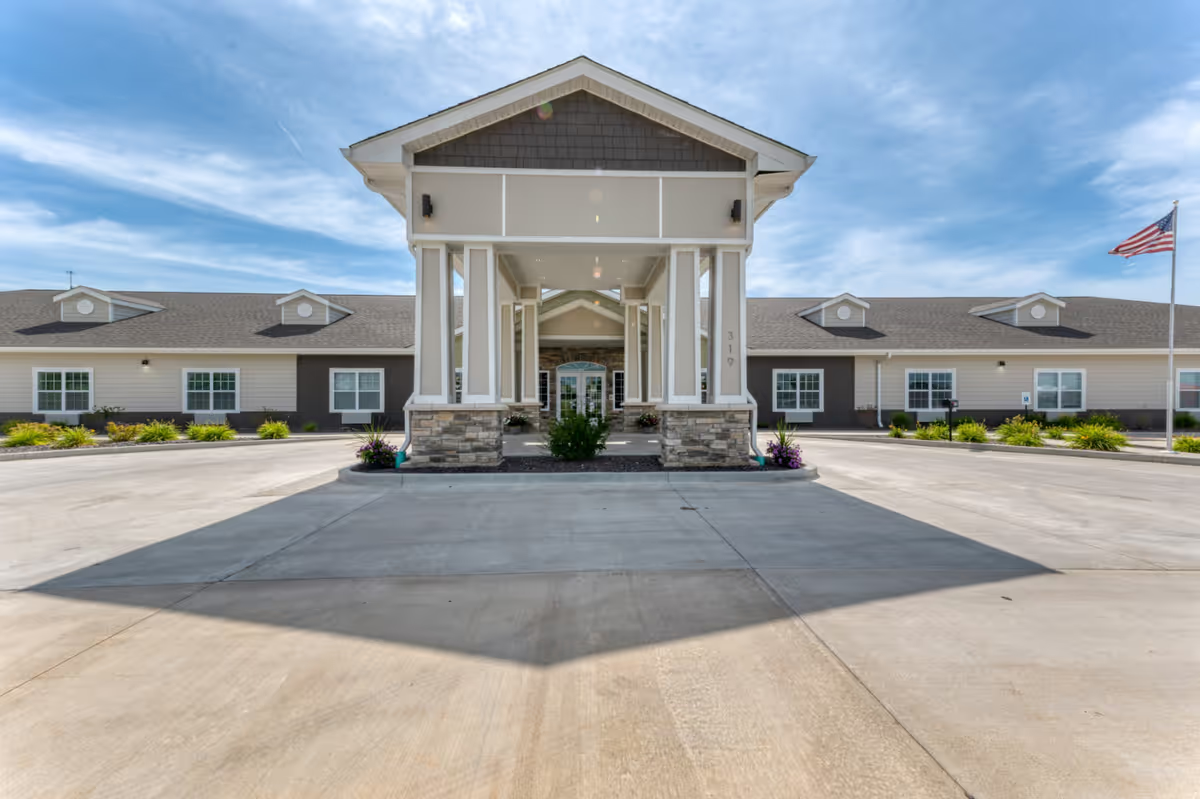
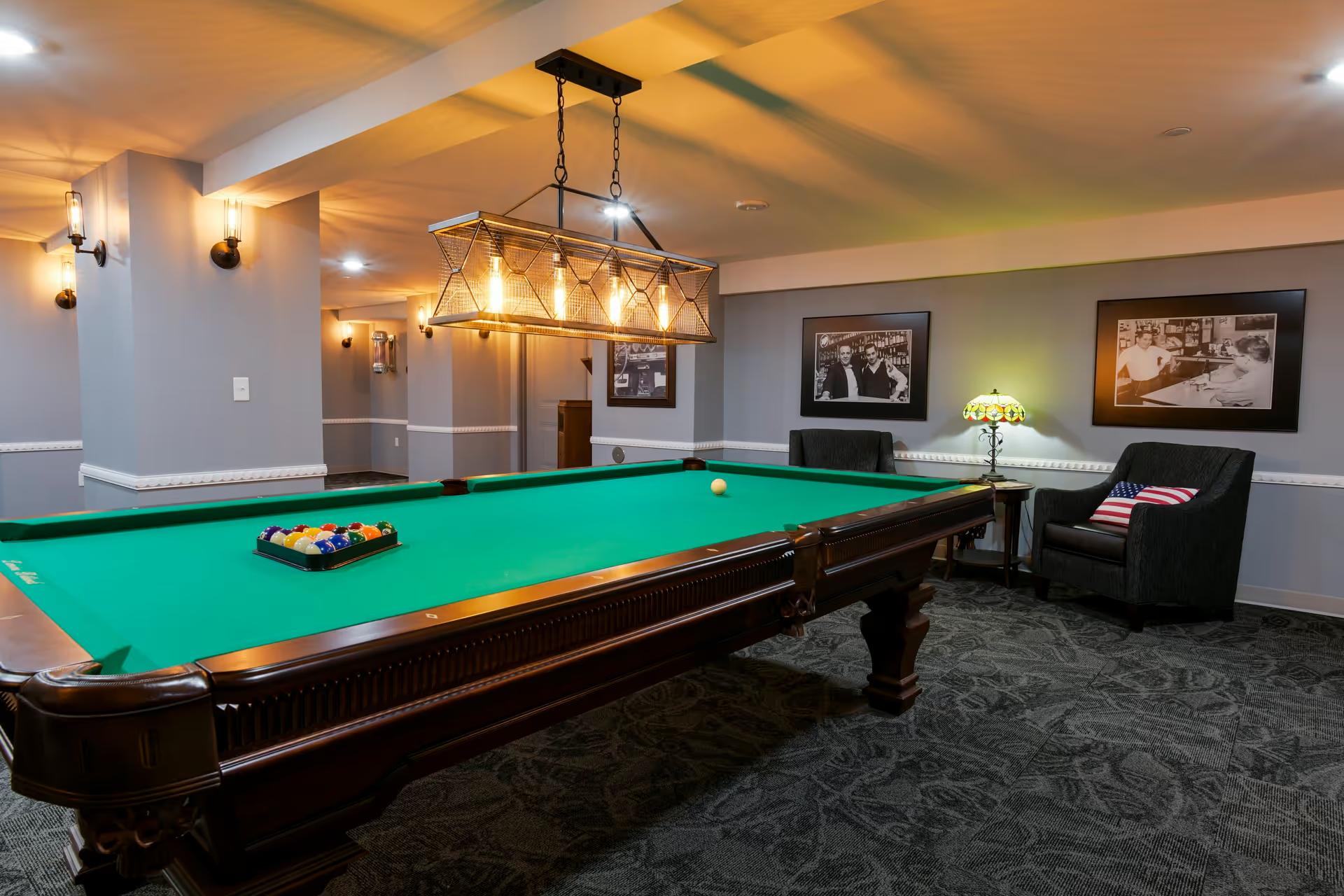
Overall impression Bickford of Quincy is consistently described as a small, home-like assisted living community with clean, well-decorated interiors and a family-oriented atmosphere. Families and visitors frequently highlight the facility’s comfortable common spaces, outdoor areas and social nooks (fireplace/garden), which support a warm, residential feel rather than an institutional one. The property offers a mix of studio apartment layouts with kitchenettes and private bathrooms, and many residents personalize units with their own furniture and belongings.
Care and staff Clinical care elements such as 24-hour nursing coverage, post-surgical support and medication administration are noted positively; reviewers described attentive after-surgery care and rehabilitation coordination with hospitals. Caregiving staff are commonly characterized as compassionate, knowledgeable and caring, and leadership and individual employees received specific praise for professionalism and family communication. At the same time, there are indications of uneven staff performance: some families described inconsistent responsiveness and concerns about staffing levels and employee workload. Relatedly, a few comments referenced staff working while ill, suggesting a need to review infection-control and sick-staff policies.
Dining and services Dining is a clear strength for many families: reviewers praised an on-site chef, attractive dining areas, and meals that are customized to individual dietary needs. Several people used terms like “almost gourmet” and noted reserved seating and attentive dining staff. A minority of comments indicate limited menu variety at times, so menu breadth and consistency may vary by day or shift. Routine services such as laundry, apartment housekeeping and assistance with transitions (move-in, discharge, hospital pickup) were described as well handled.
Activities and community life Activity programming is generally reported as varied and engaging, with daily offerings that include exercise, bingo, word games, crafting, live music, and themed or novel events (for example lighthearted competitions). The small-community scale supports frequent social opportunities and one-on-one interaction. There are also notes that activity availability can feel uneven on particular visits or in certain periods, suggesting variability in how robust programming is from day to day.
Facilities and design Physical facilities are mostly favorably described for cleanliness and maintenance. Some reviewers, however, characterized parts of the building as older, with narrower, darker corridors and a layout that is less open than newer properties. Apartment sizes range; studios are functional but can be compact, so prospective residents should verify dimensions and storage for personal needs. Accessibility features such as handicapped-accessible restrooms and ample closet space were noted positively.
Management and notable patterns Admissions and coordination with hospitals were singled out as areas of operational strength, with several families describing smooth transitions and clear communication during moves and discharges. Nonetheless, there are mixed impressions of management consistency — while many families praised leadership and staff responsiveness, there are isolated but substantive comments indicating variability in management performance and operational follow-through. Cost perceptions also vary: some families considered pricing reasonable for the level of service, while others cited higher private-pay costs.
Recommendation guidance Bickford of Quincy will likely suit families seeking a clean, comfortable, small-community assisted living option with strong dining and a varied activity schedule and who prioritize 24-hour nursing availability. Prospective residents and families should consider confirming current staffing patterns, infection-control policies, menu rotations, and exact apartment sizes during a tour. Asking specific questions about peak activity times, staffing ratios, and how the community handles staff illness and surge needs will help assess fit for individual care requirements.