Care and staff: Overall, families and residents describe a clinically attentive and compassionate caregiving culture. Reviewers consistently praised direct-care staff and nurses for individualized attention, frequent check-ins, and a warm, family-like approach. Long-tenured team members were seen as a stabilizing factor, and clinical offerings such as physical and speech therapy and a secure memory-care environment were noted as strengths. At the same time, several accounts highlight variability in leadership responsiveness and accountability; administrative follow-through on incidents and policy clarity were recurring concerns.
Dining and nutrition: The dining program is often described positively — meals are characterized as high-quality, with options for home-delivered meals and a family dining option for spouses. Residents and families frequently complimented the food and dining staff. However, there are operational limitations for specialized diets, notably diabetic-specific accommodations, which some families identified as insufficiently tailored.
Activities and social life: The community offers a broad, active calendar (crafts, baking, exercise classes, bingo, outings, reading groups, and social clubs) and visible social cohesion that many residents appreciate. Memory-care programming and therapeutic outings are also available. Areas for improvement include more targeted engagement for residents with mild cognitive impairment and more frequent or varied off-site outings; some families observed limited interaction during group time for certain residents.
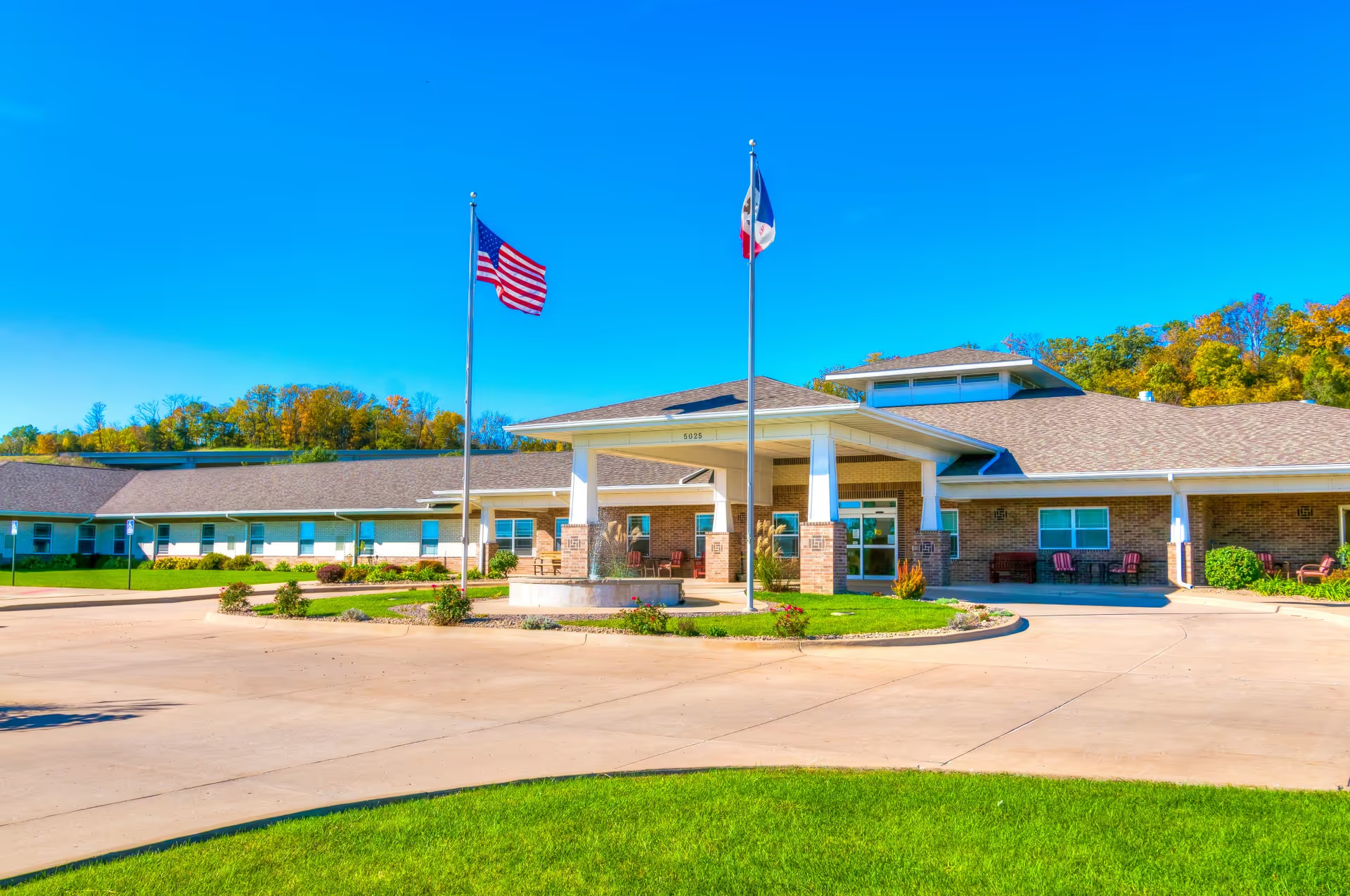
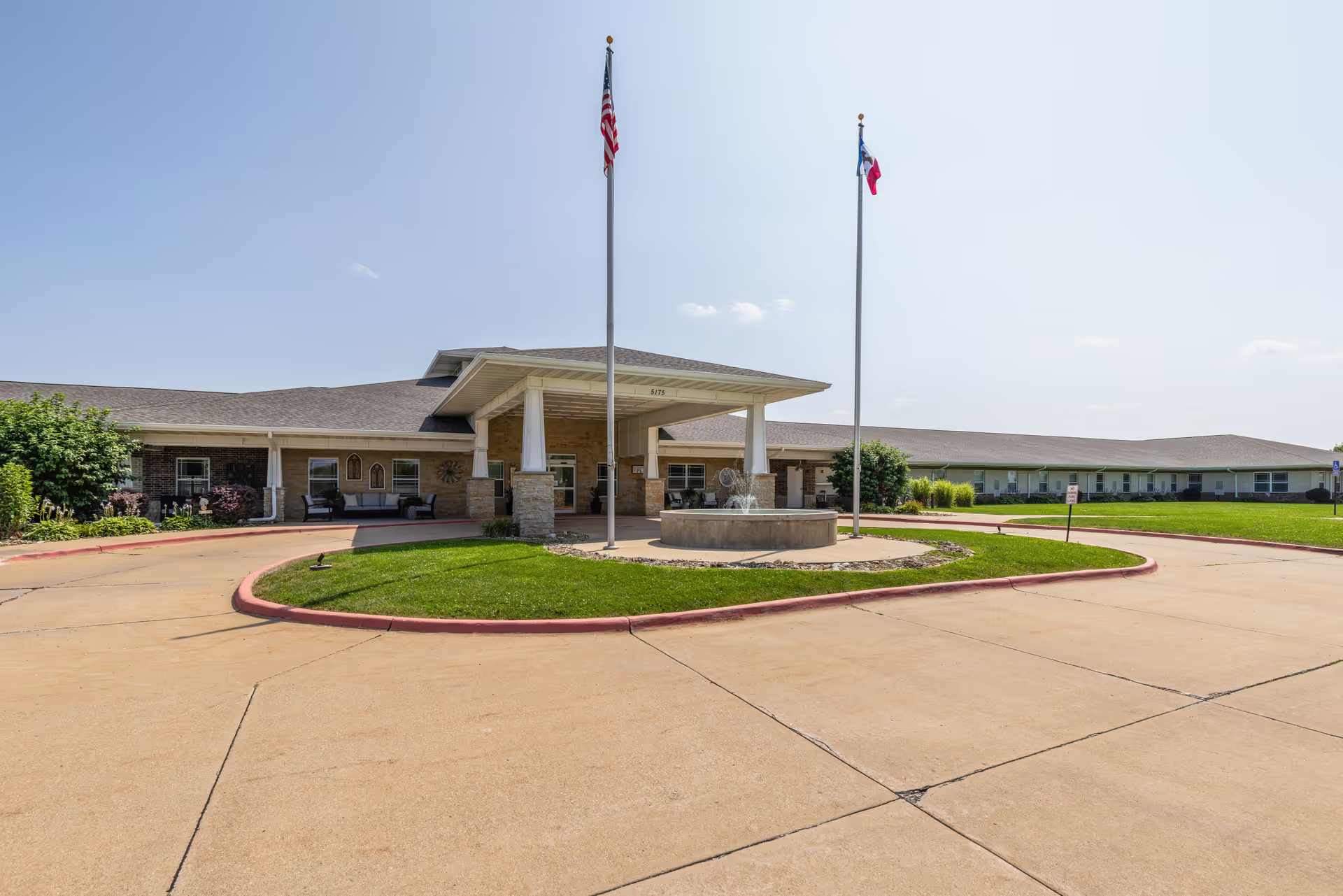
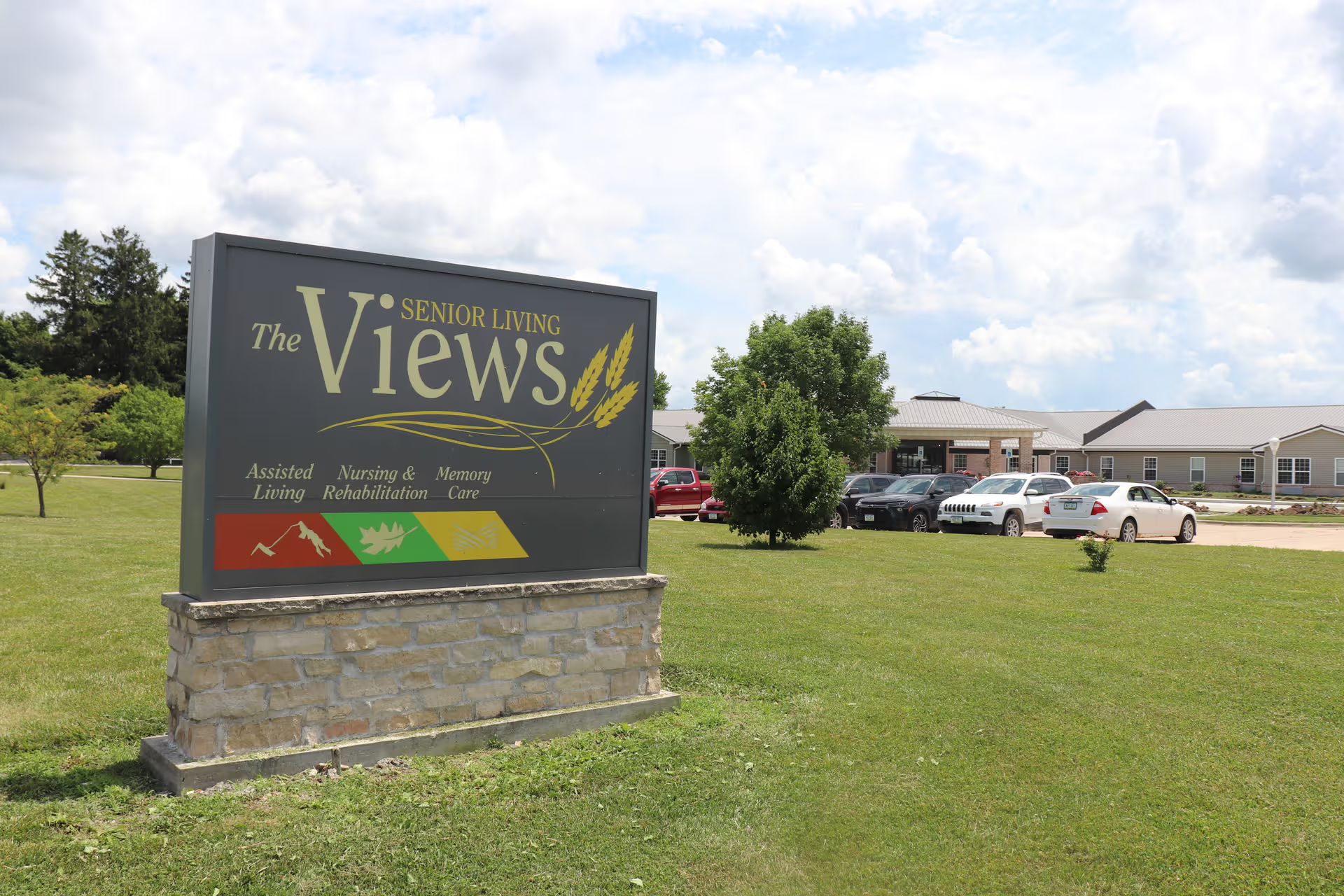
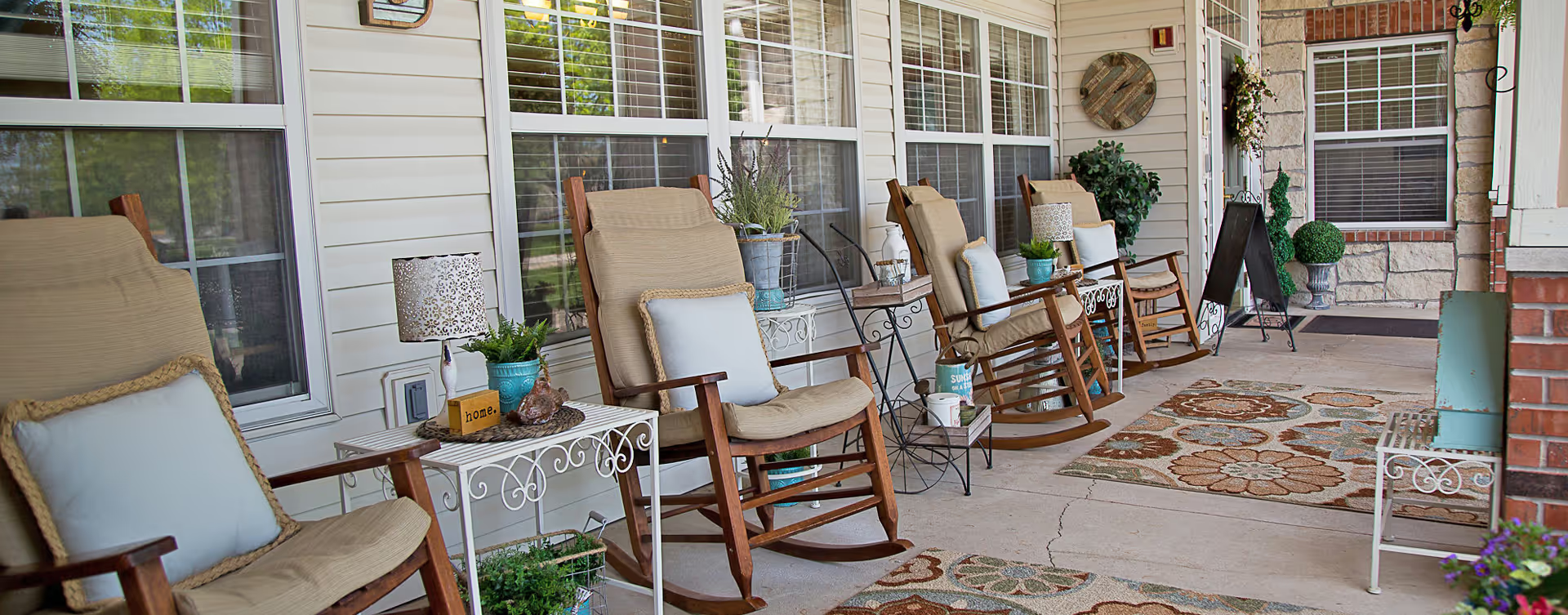
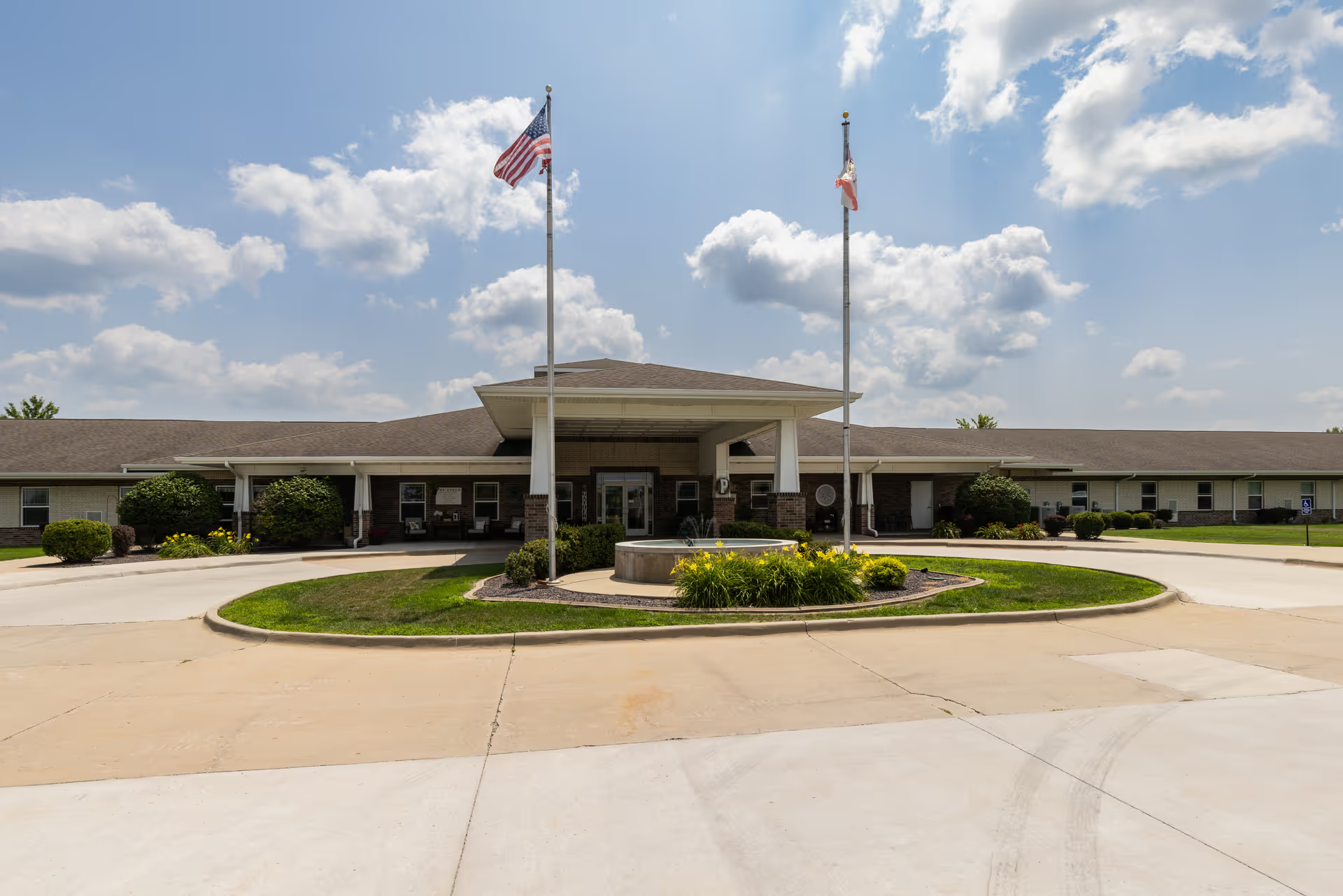
Facilities and environment: Physical spaces receive mixed but largely positive commentary: common areas are described as pleasant, hotel-like, and well-maintained, with prompt maintenance response and thoughtful amenities (salon, library, community rooms, secure walkout deck). Some units and apartments were characterized as simple or dated, and there are specific sanitation and pest-control concerns reported for resident areas that warrant attention. Additionally, privacy concerns were raised about the use of cameras in private rooms, which families felt needed clearer policy and consent practices.
Management and notable patterns: The dominant pattern is strong frontline caregiving coupled with operational weaknesses at the administrative level. Families praised direct-care staff and frontline teamwork but described gaps in incident handling, valuables security, and business-office communication. There were also accounts describing a defensive communication tone from marketing or administrative staff during complaints; one serious claim of missing valuables led to eventual reimbursement but highlighted systemic weaknesses in incident resolution. Staffing changes and variability were noted alongside optimism about staffing growth; consistent staffing levels would likely reinforce the positive care culture.
Overall impression: The Kensington – Fort Madison appears to offer compassionate, individualized care within a warm, activity-rich community and generally well-maintained facilities. Prospective residents and families should weigh these strengths against operational considerations — particularly management responsiveness, valuables-security procedures, pest-control follow-up, privacy policies for in-room monitoring, and diabetic meal accommodations — and discuss these specific items during tours and contract conversations to ensure alignment with their priorities.