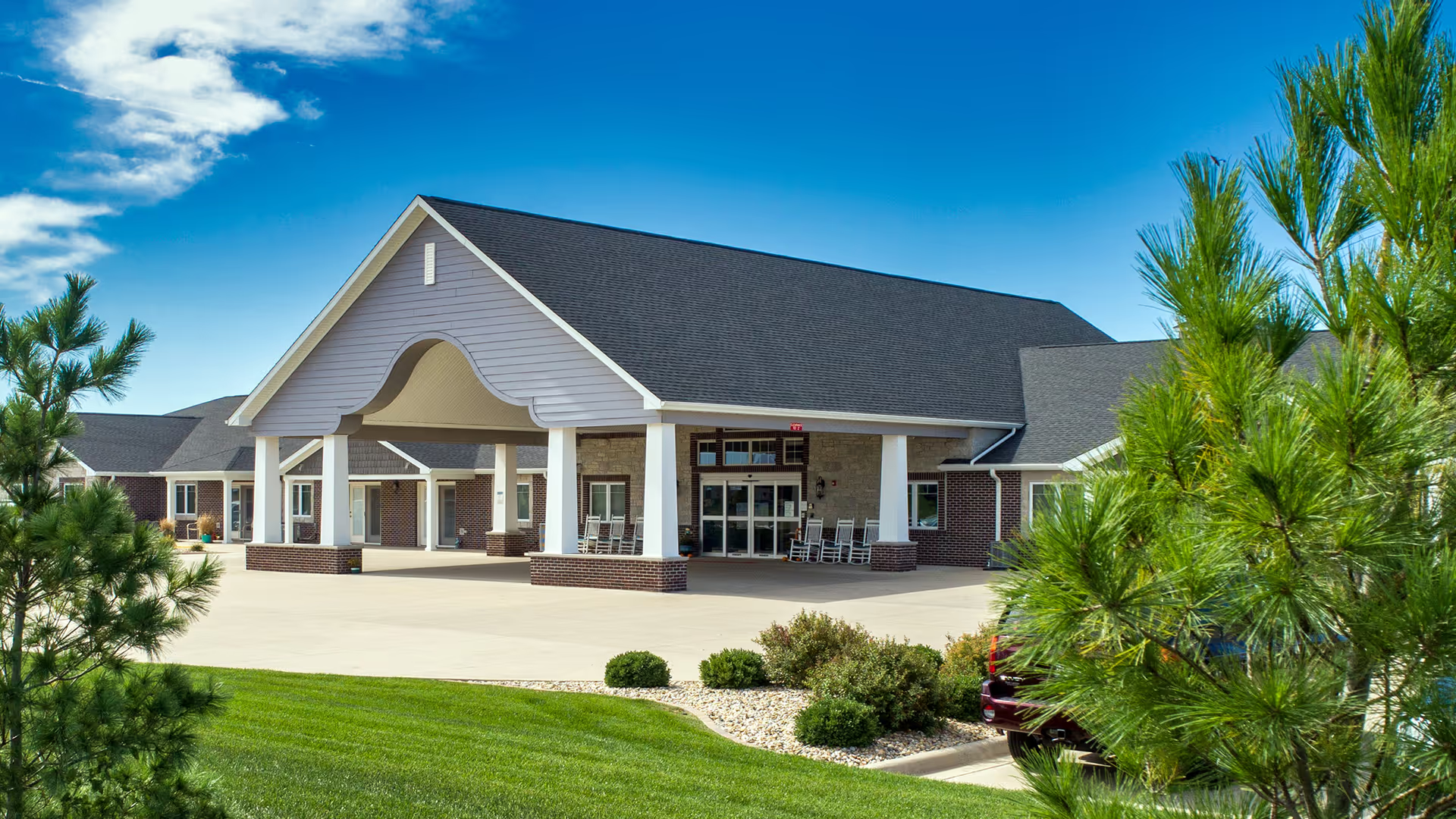
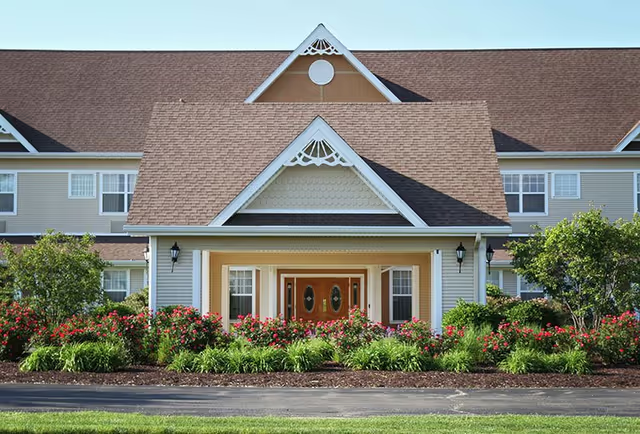
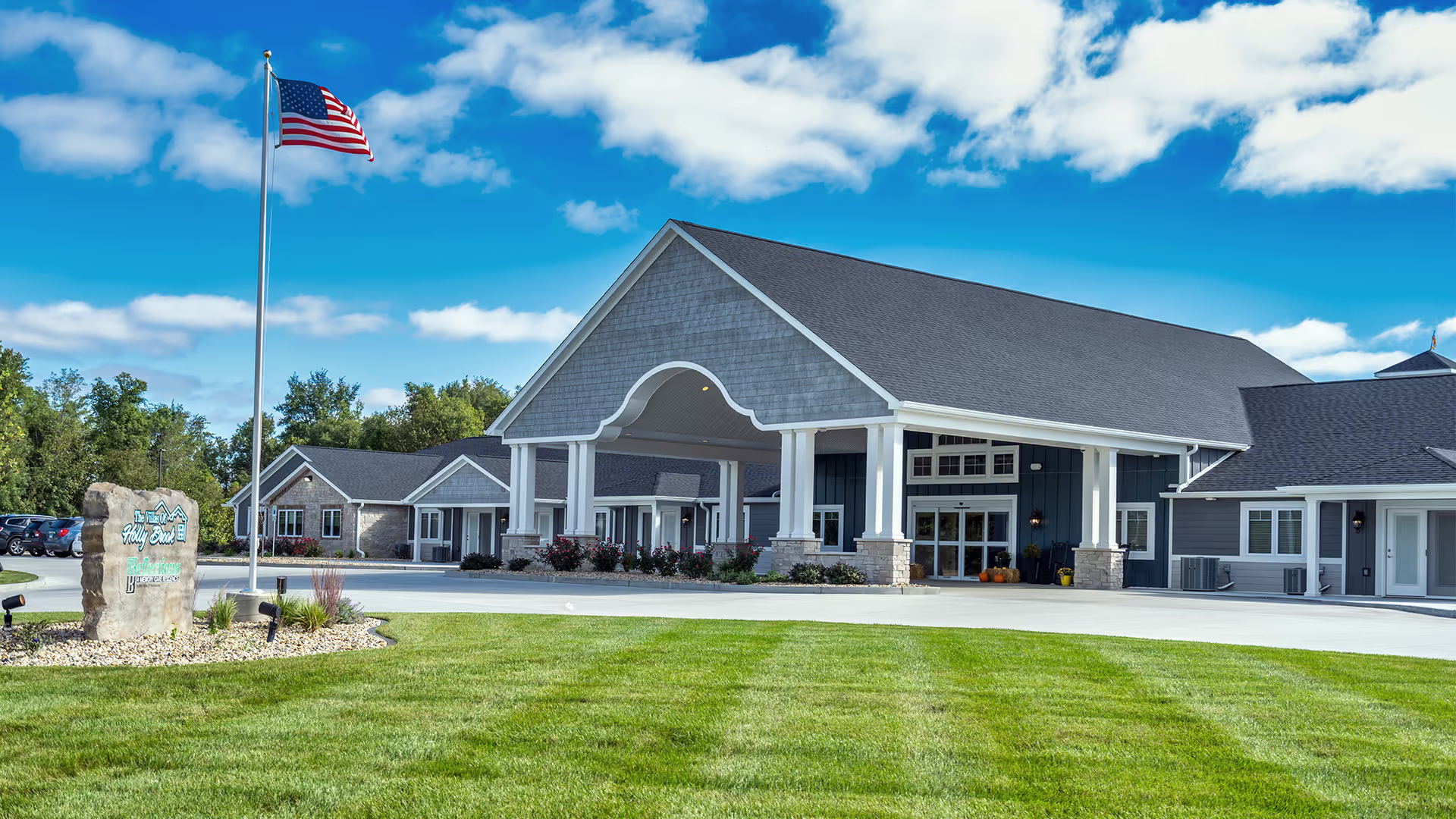
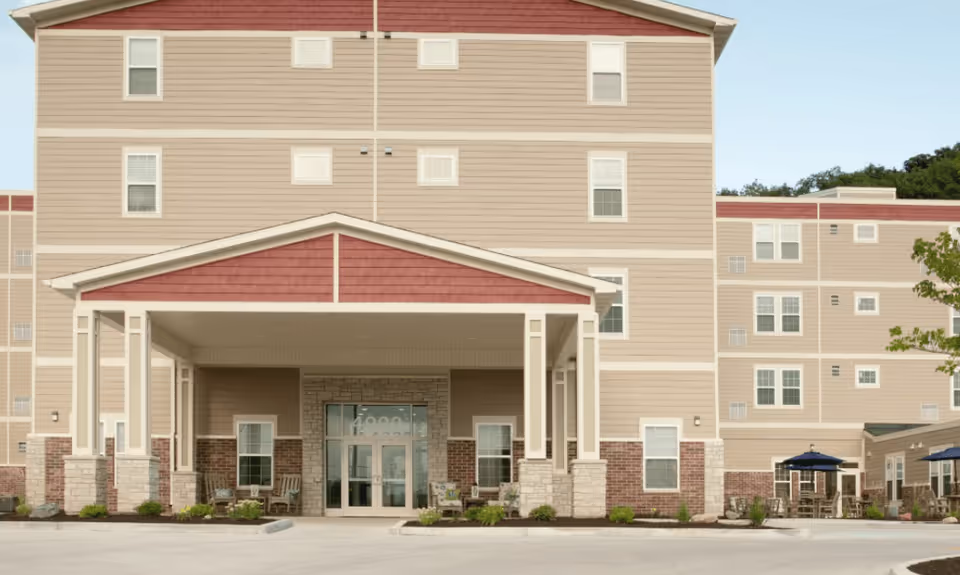
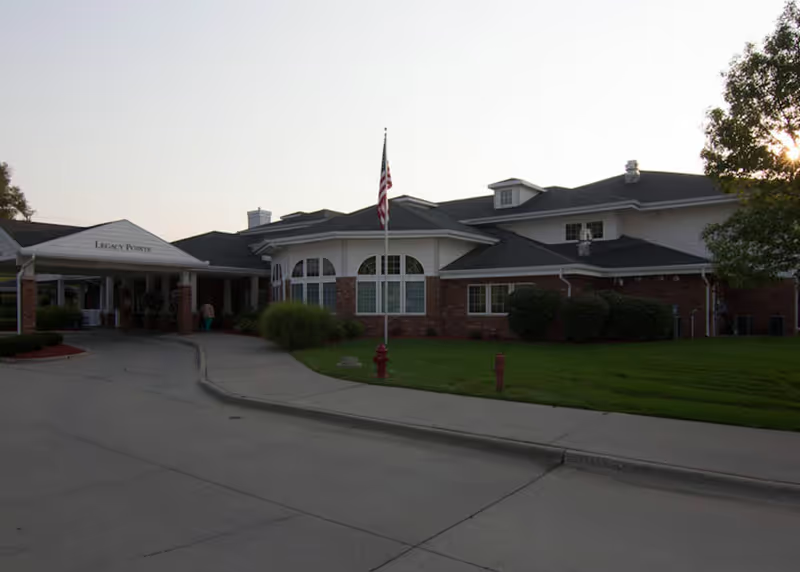
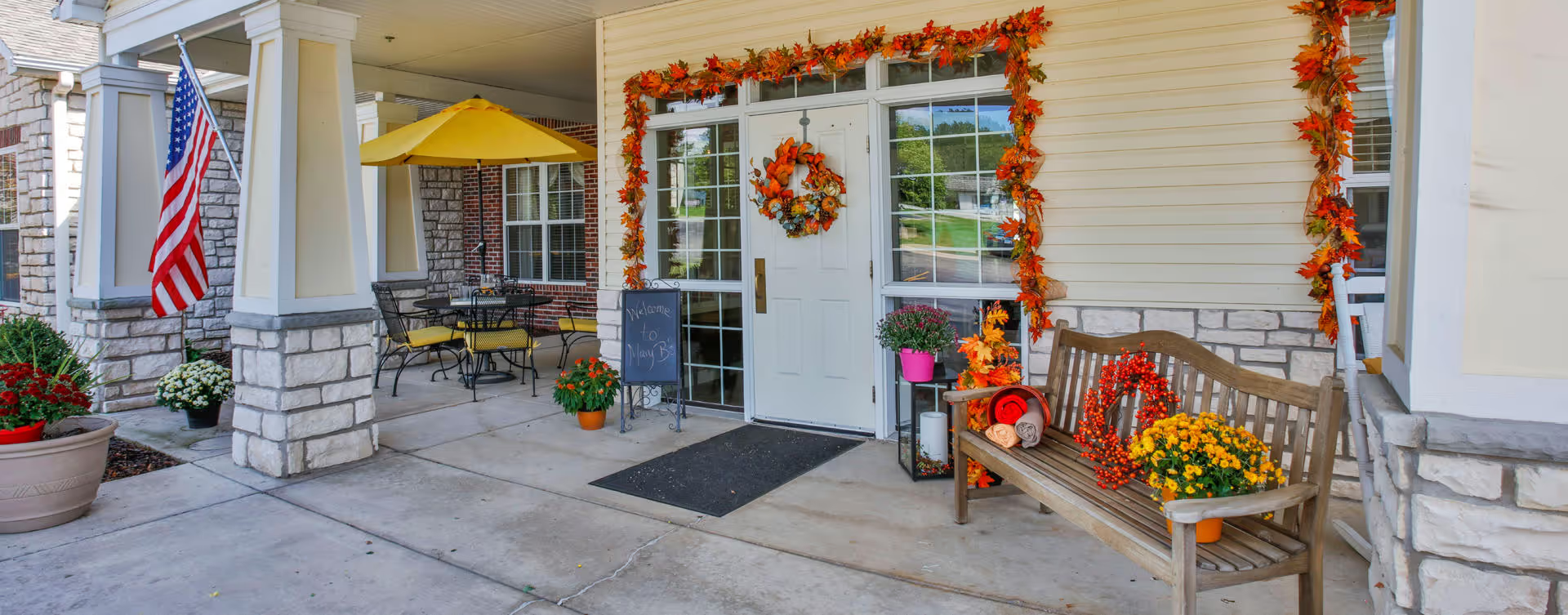
Overall impression: The facility is consistently described as clean, well-maintained and recently remodeled, with a faith-based, Christ-centered culture that many families find comforting. Positive themes include a welcoming environment for relatives, personalized interactions (staff commonly address residents by name), and an organizational emphasis on compassionate, resident-centered care. Several accounts highlight helpful rehabilitation services and a range of activities and volunteer involvement that contribute to a supportive daily environment.
Care and staff: Many families report attentive, friendly direct-care staff who provide compassionate and hands-on assistance and who help ease transitions into the community. That said, experiences with clinical staff vary: there are recurring indications of variability in nursing bedside manner and communication style. In addition, reviewers point to staffing shortages at times, which they associate with delays in responsiveness. These patterns suggest generally strong caregiving culture but inconsistent execution during staffing pressure periods.
Dining and support services: Dining is frequently described as pleasant with good food, and rehabilitation/therapy services are noted as helpful. At the same time, some comments raise concerns about professionalism among certain support staff in dining or related areas; this is framed as conduct and boundary issues rather than food quality per se. Prospective families may want to ask how the facility addresses staff training, supervision and visitor feedback related to dining and service interactions.
Activities and social programming: The facility offers a variety of scheduled activities and volunteer-run opportunities, which many residents and families appreciate. However, a subset of comments characterizes some programming as not well aligned with resident age or interests, describing it as juvenile or insufficiently engaging for certain residents. This suggests activity offerings are broad but may require individualization for optimal fit.
Facilities and living space: The building condition and cleanliness are strong points; reviewers emphasize neat common areas and recent updates. A recurring practical concern is room size—several families describe resident rooms as small or confining, which may affect comfort for those desiring larger private space or extensive equipment in-room.
Management and patterns to watch: The facility is often described as well-run with a welcoming, family-oriented leadership tone and a faith-based ethos. Nevertheless, patterns of inconsistent bedside manner, occasional staffing shortages, and uneven professionalism among support staff are operational weaknesses to probe. Ask about staffing ratios, staff training and turnover, how activity plans are individualized, room size options, and the facility's process for addressing family concerns.
Bottom line: Apostolic Christian Home of Roanoke presents a strong, clean, faith-based community with compassionate caregiving, effective therapy services, good food, and active volunteer engagement. Prospective residents and families should weigh these strengths against operational concerns—particularly staffing consistency, nursing communication style, support-staff professionalism, and room dimensions—and seek specific, up-to-date information from management on how those areas are managed.