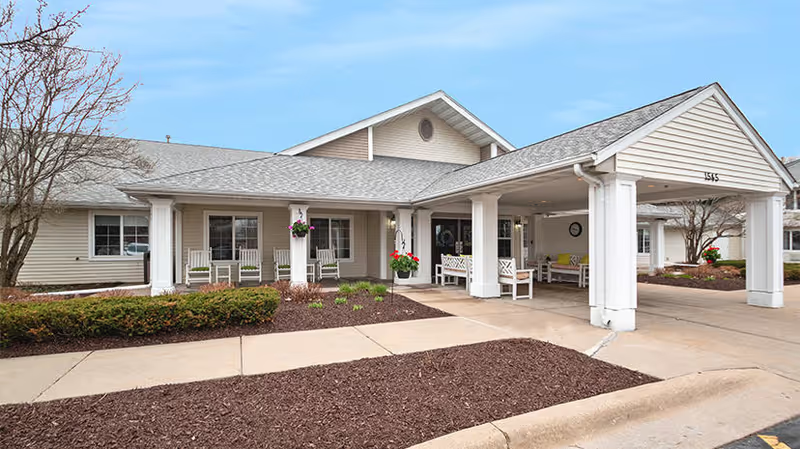
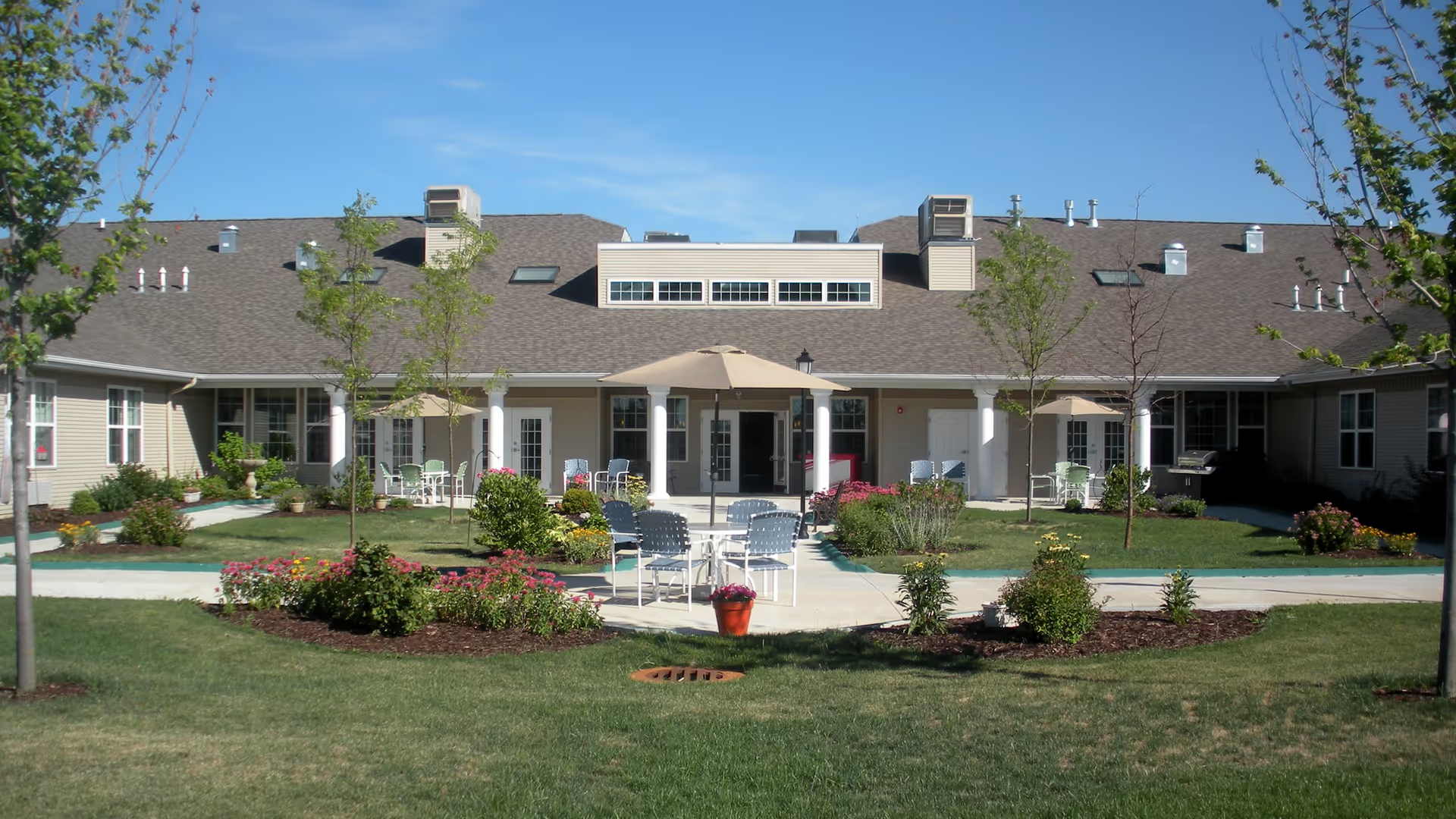
Anam Care presents as a small, family-operated memory-care provider with many strengths aligned to dementia-focused services. Families frequently praise the compassionate, familiar staff culture, individualized care plans, and administrators who convey dementia expertise. The facility emphasizes a home-like communal layout with shared living and dining areas, individual bedrooms, well-lit accessible bathrooms, and regular nursing oversight including medication management. Cleanliness, homestyle meals, and a varied activity calendar (live music, games, puzzles, cookie decorating, dog visits and garden parties) are recurrent positives that many families cited as contributing to resident engagement and quality of life.
Clinical and personal-care aspects are generally described positively: staff are commended for bathing and dressing assistance, toileting support, and preserving resident dignity. The facility’s focus on memory care, staff training in memory-care techniques, consistent routines, and small community size contribute to an environment where residents are socially engaged and families feel informed and connected. Two on-site buildings with different group sizes give families options, and several reviewers preferred the smaller building for lower noise and greater individualized attention.
However, reviews also surface operational weaknesses that warrant attention. Several families described inconsistent frontline staff organization, including scheduling and coordination gaps, and instances of misplacing residents’ personal effects such as hearing aids and glasses. There are concerns about supervision of resident-to-resident interactions and occasional conflicts that suggest gaps in resident-interaction oversight. Physical access is variable: some areas offer secure outdoor patios, while other comments indicate limited or no fenced outdoor space. Room configurations also vary — while many praise large private rooms, some units contain smaller shared rooms and a lack of en-suite bathrooms, which may affect privacy and fit for certain residents.
Administrative and systems-level issues appear as recurring themes. Billing and accounting processes have been described as problematic in a few accounts, including lost payments and disputes; appointment scheduling and administrative responsiveness were also noted as inconsistent. A subset of families reported health declines, weight loss, or perceived clinical deterioration during a stay, sometimes followed by improvement after a move; these comments point to variability in clinical monitoring and the need to confirm care-match for higher-dependency needs. There are isolated, serious allegations concerning staff conduct and restrictive practices; such claims are significant and should prompt direct inquiry during tours and discussions with leadership.
For prospective families: the facility offers clear strengths in dementia-focused, homelike care, strong communal activities, and a compassionate staff culture. When evaluating Anam Care, inquire specifically about staffing ratios and turnover, policies for safeguarding personal items, supervision practices for residents with behavioral needs, outdoor access/fencing, room configuration options, incident-reporting procedures, and billing/relocation policies. Multiple visits at different times of day, conversations with nursing leadership, and review of contract and discharge terms will help match expectations to the facility’s operational patterns.