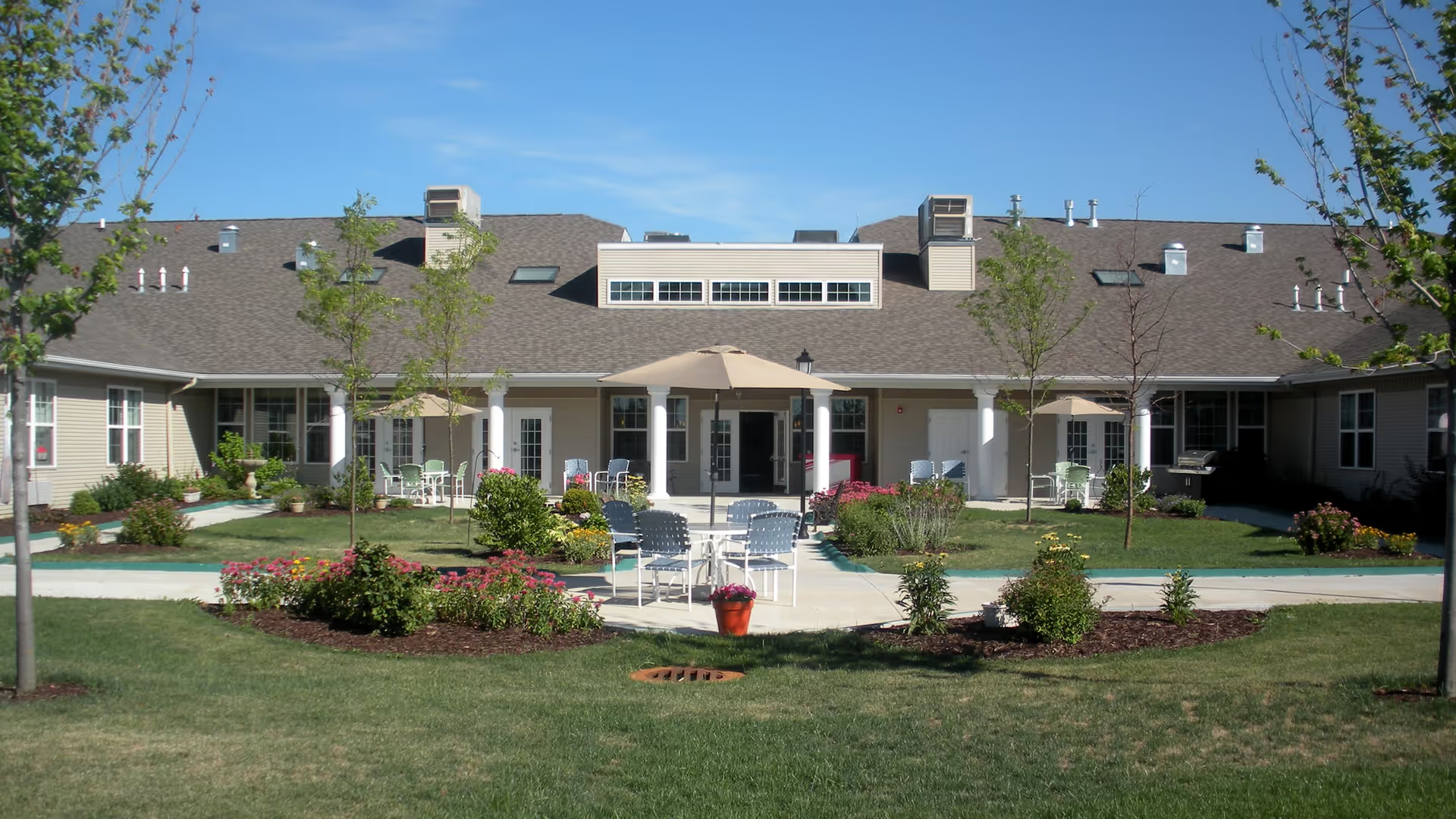
Ascension Living Cor Mariae Village elicits a mixed set of impressions. Positive comments center on an active, socially engaging environment with a wide range of activities — music, entertainers, games, arts and crafts, and family events — and amenities such as spacious dining, gardens and outdoor spaces. Several reviewers praised on-site clinical and therapy services, the availability of in-house dialysis, and individual staff members who are courteous, competent, and compassionate. The facility’s nonprofit affiliation and community-oriented programming contribute to a family-like atmosphere for many residents.
At the same time, there is a pattern of operational concerns that families should weigh carefully. Reviews indicate inconsistent staffing levels and turnover that appear to drive delays in responding to call buttons and clinical needs. Multiple accounts point to lapses in medication administration and monitoring, inconsistent assistance with bathing and toileting, and sanitation concerns in some resident rooms. These issues suggest uneven performance across shifts and units rather than uniformly poor care: some staff and departments are described as helpful and skillful, while others are characterized as undertrained or inattentive.
Dining and activities are often cited as strengths: residents frequently enjoy choice at meals, social dining spaces, and a robust calendar of events that supports socialization and recovery. Therapy services receive positive comments for promoting recovery after hospital stays. However, reviewers also raise concerns about diabetes and dietary management in practice, which may warrant specific questions for families of residents with chronic clinical needs.
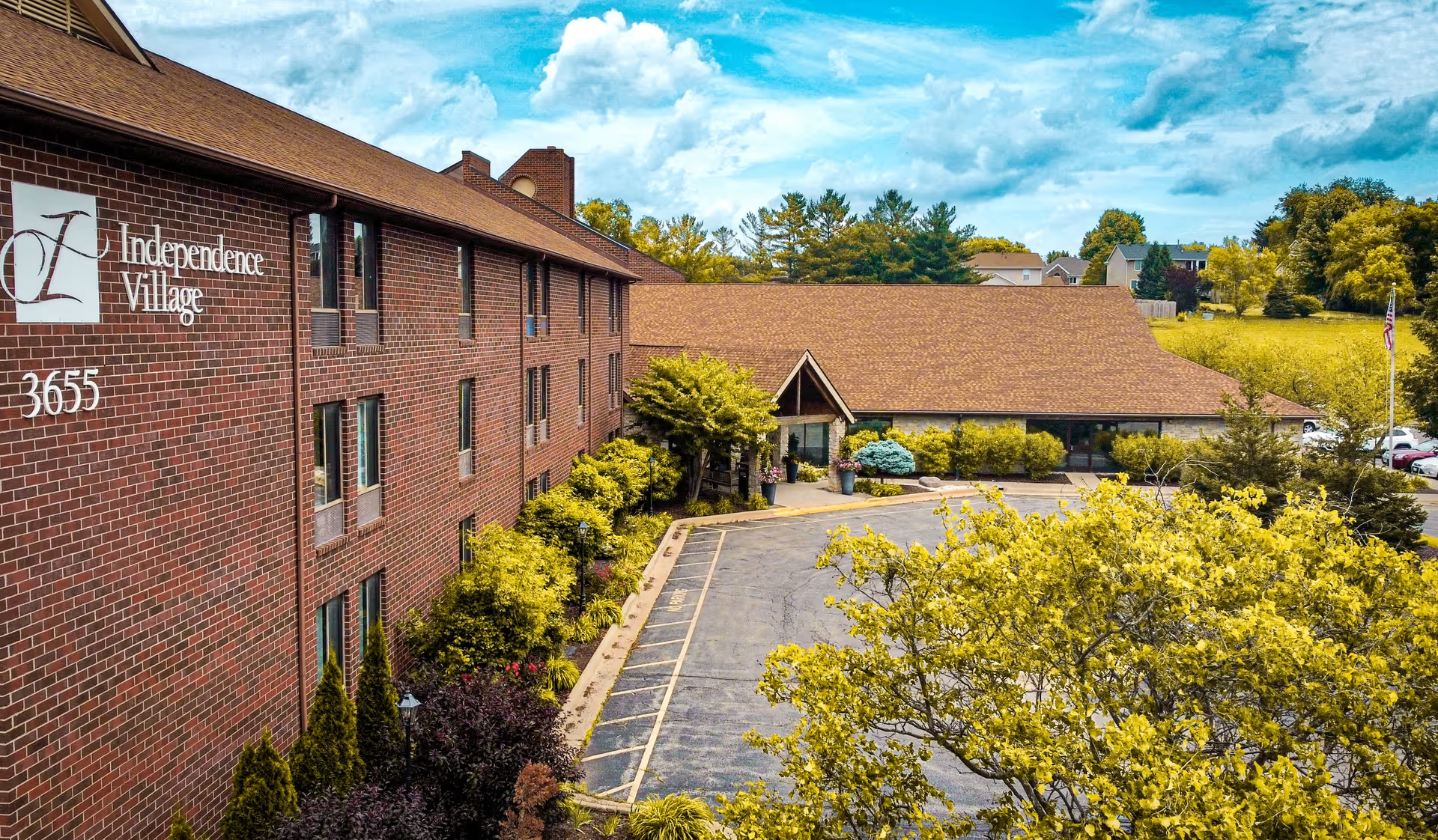
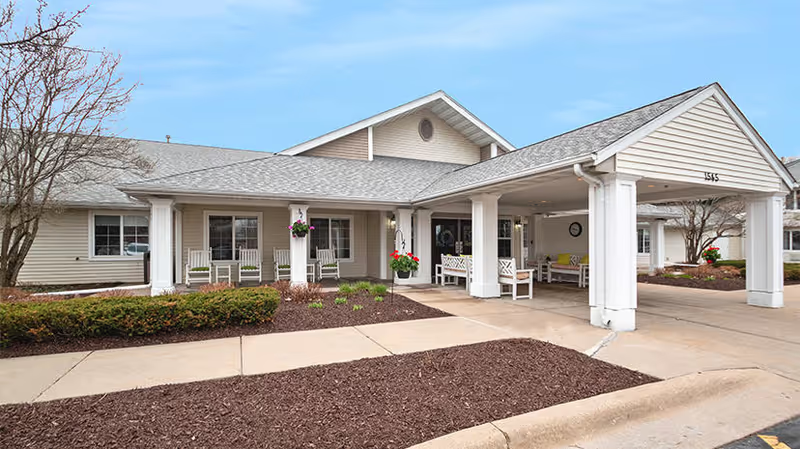
Facility and management issues recur in the feedback. The building is described as older and multi-story with smaller rooms and narrower corridors, and some reviewers note maintenance and aesthetic limitations compared with newer facilities. Several comments link operational problems to leadership and administrative priorities: families report inconsistent communication from management, policy changes after ownership transitions, and a perception that administrative emphasis can be more marketing- or revenue-driven than clinically focused. There are also specific concerns about memory-care supervision and behavioral-management practices on dementia-designated units.
For prospective residents and families: the facility offers strong social programming, therapy services, and some clearly compassionate staff, but there are recurrent concerns about consistency of basic care, responsiveness, medication practices, and facility upkeep. Visitors should ask targeted questions during a tour — including staffing ratios by shift, medication-administration protocols, bathing and toileting schedules, fall-prevention policies, diabetes-care practices, and how the facility handles family communication and grievances — and seek recent inspection or quality reports to corroborate current performance.