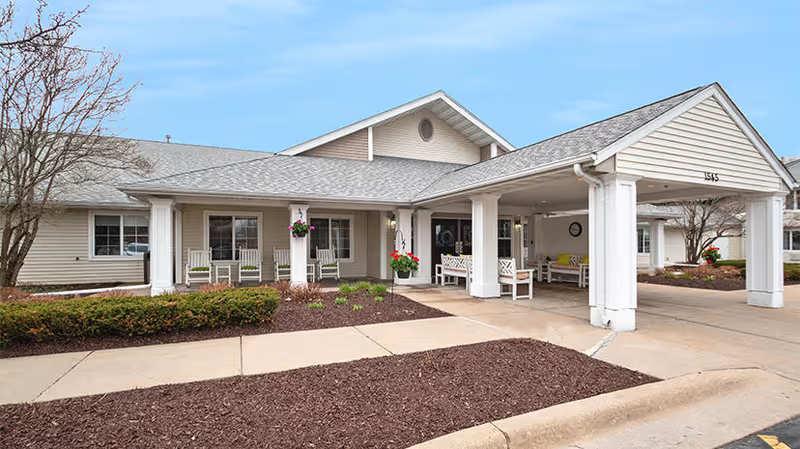
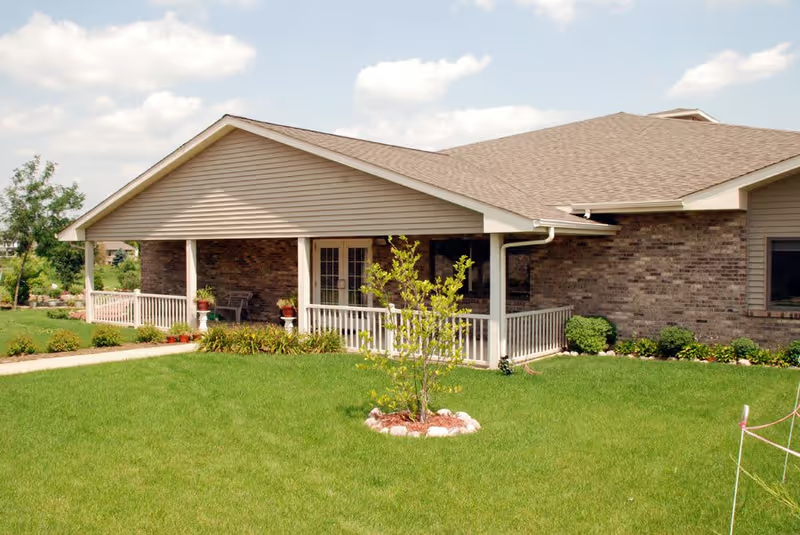
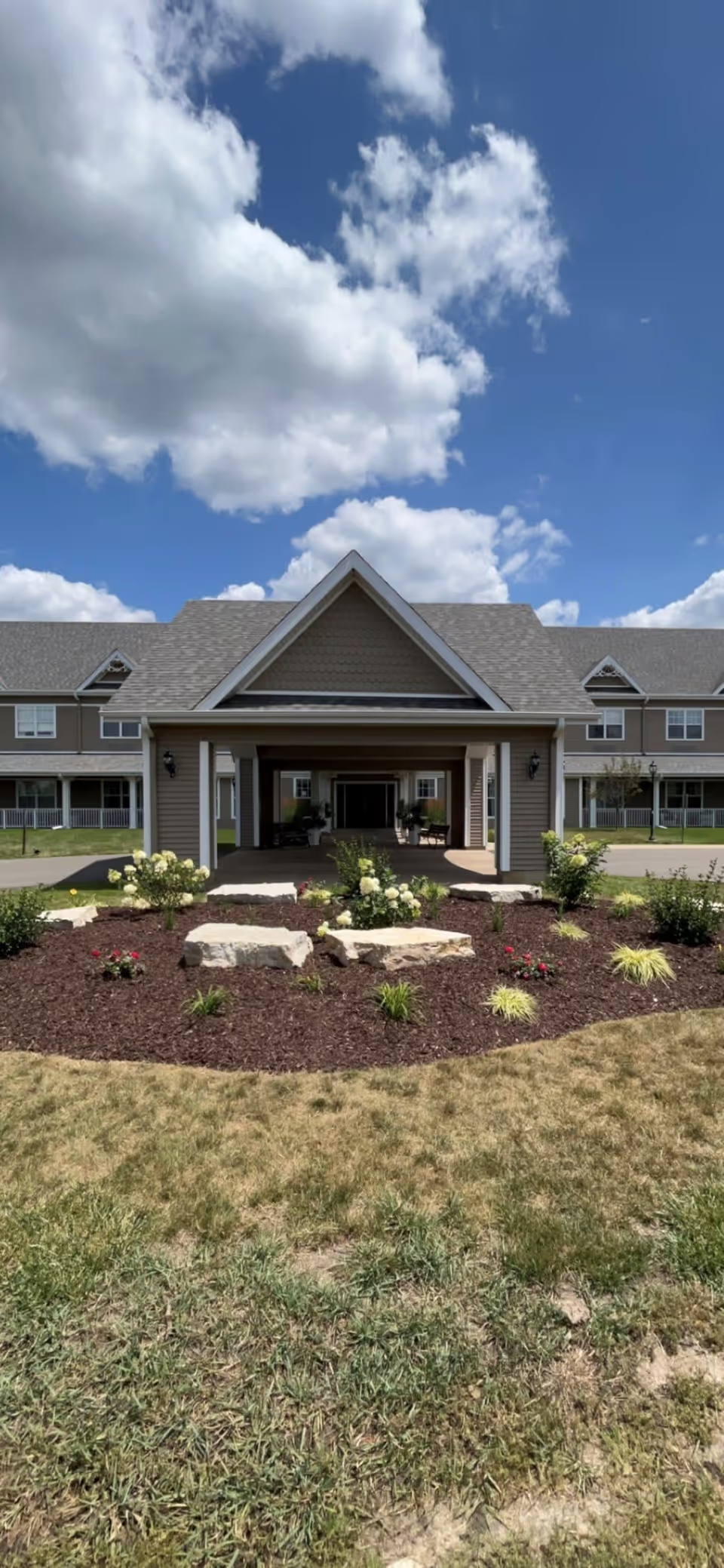
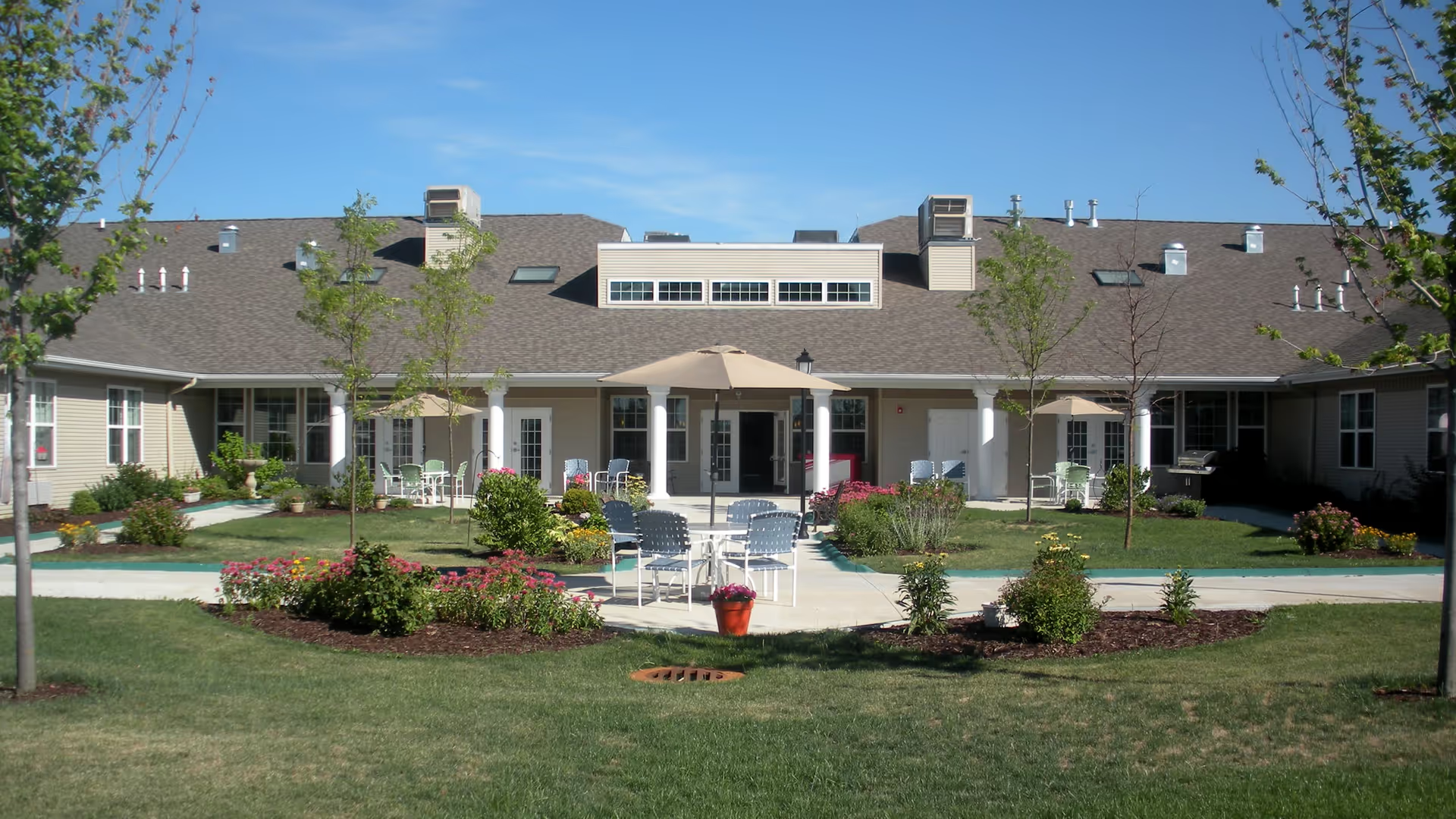
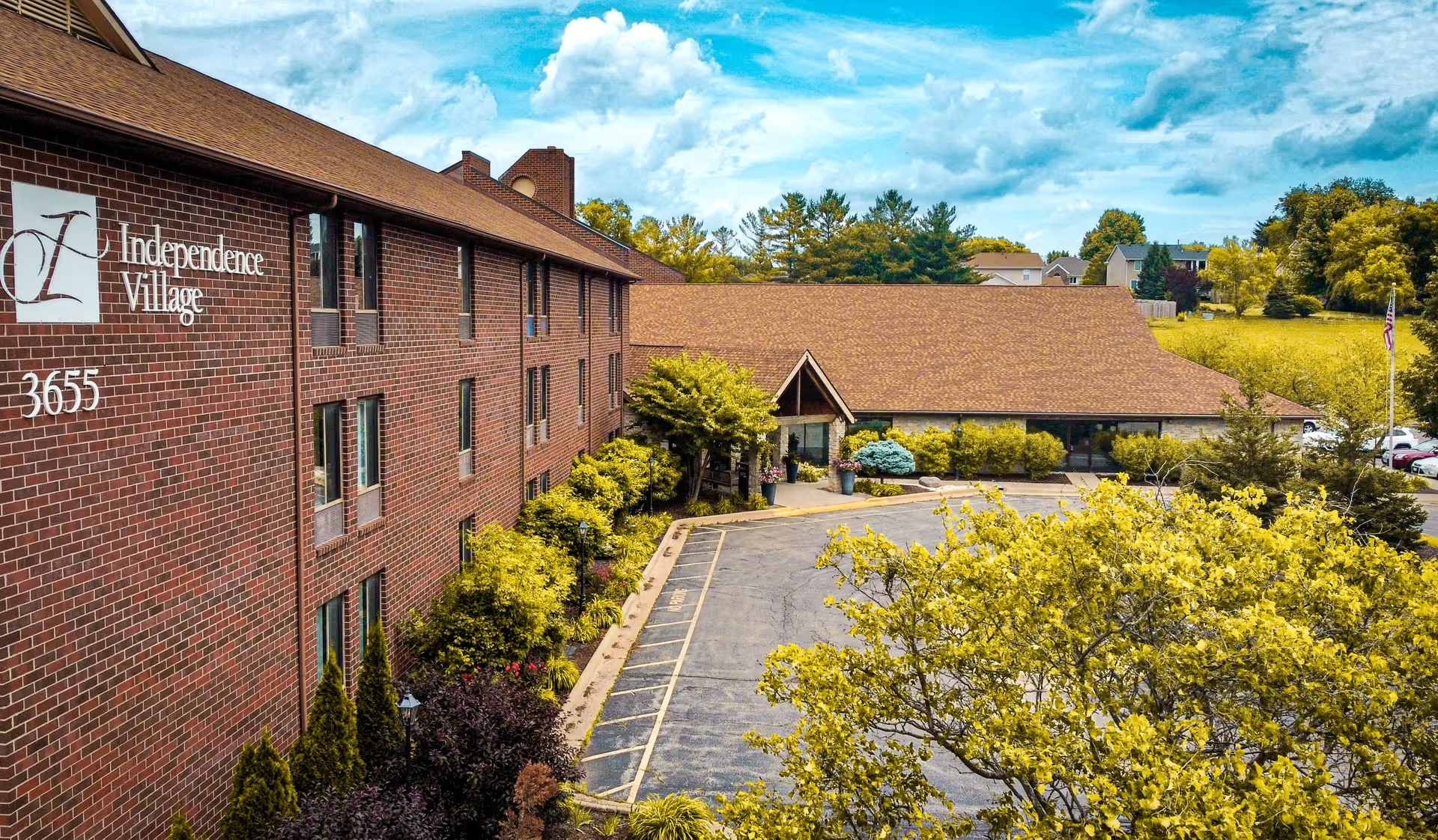
Charter Senior Living of Rockford elicits a mix of strong praise for front-line caregiving and recurring operational concerns. Many families and residents describe the direct-care staff — CNAs, nurses, and certain clinical leaders — as compassionate, attentive, and resident-focused. Positive clinical experiences include competent nursing leadership, an effective nurse practitioner, and successful coordination with hospice services. The facility’s smaller scale, private apartments, bright dining area, and outdoor courtyard are consistently cited as features that support residents’ sense of independence and safety.
Care quality is uneven across accounts. While numerous reports highlight caring, proactive staff and instances of life-saving attention, other accounts point to delays in clinical response, inconsistencies in medication-management practices, and episodes that families considered serious enough to involve emergency services. Staffing shortages, especially on nights, and frequent turnover (including use of agency nurses) are recurring operational themes that appear to affect continuity of care and bedside attentiveness.
Dining and activities present a split picture. The community offers structured social programming — bingo, outings, cookouts, spiritual groups, and special events — and many residents enjoy active participation. At the same time, some families find activities insufficiently tailored to individual preferences or intermittently under‑staffed. Dining is similarly mixed: some reviews praise well-prepared meals and accommodation of dietary needs, while others describe inconsistent meal quality, occasional substitutions or shortages, and a lack of fresh produce.
Facility and housekeeping issues are another pattern. The property’s physical amenities and common spaces receive favorable comments for being bright and home-like, yet there are multiple accounts of inconsistent housekeeping, delayed laundry services, and renovation-related mess or disruption. A small number of reviewers raised safety-related concerns specific to memory care (building security and programming), indicating that the community may not consistently meet the needs of residents with advanced dementia.
Management and administrative practices produce divided impressions. Marketing and some leadership figures are praised for helpfulness during move-in, but families also describe communication problems with upper management, billing confusion, extra charges for medication assistance, and difficulty obtaining refunds or clear explanations. Several reviewers advised prospective residents to ask direct questions about fees, housekeeping schedules, staffing patterns, and memory-care capabilities before moving in.
Notable patterns for prospective residents and families: the strongest, most consistent asset is the front-line caregiving culture — caring staff who often go above and beyond. The most consistent operational risks are staffing instability, housekeeping variability, and uneven management communication. For decision-making, consider confirming current staffing levels and turnover, written policies on medication-management fees, the security and programming available in memory care, and housekeeping/transportation schedules so you can assess whether the community’s strengths align with your loved one’s needs.