Overall impression: Forest City Rehab elicits highly polarized experiences. Many families and residents describe compassionate, attentive clinical care, strong therapy programs, and supportive administration and social services that contribute to positive rehabilitation and end-of-life experiences. Conversely, other accounts identify operational weaknesses that significantly affect trust and day-to-day safety perceptions. The facility appears capable of providing high-quality, patient-centered rehabilitation and hospice support in some cases, while in other cases consistency and operational controls are a concern.
Care and clinical services: Therapy and nursing receive frequent praise for responsiveness, rehabilitation progress, and individualized attention; several families described positive outcomes and respectful end-of-life care. At the same time, there are repeated accounts of delayed responses to nurse calls, missed medication or care events, and lapses in timely clinical communication. These patterns point to variability in day-to-day care delivery that can affect clinical reliability and family confidence.
Staff and communication: Reviewers describe a mix of dedicated, courteous staff and frontline employees who go above and beyond, alongside instances of poor communication, unresponsiveness, and concerning conduct by individual staff members. Administration and social-work functions are often cited as strengths when they are engaged, but other descriptions note inconsistent management visibility and follow-through. Families should expect variability in staff competence, attitude, and communication practices across shifts.
Dining and activities: Dining impressions are mixed. Several reviewers praised varied menus and enjoyable meals, while others complained about inconsistent food quality and service. Recreational programming and therapeutic activities (reading, journaling, proactive engagement) are highlighted as positive contributors to resident wellbeing when implemented. Therapy programming is frequently cited as effective and progressive for rehabilitation goals.
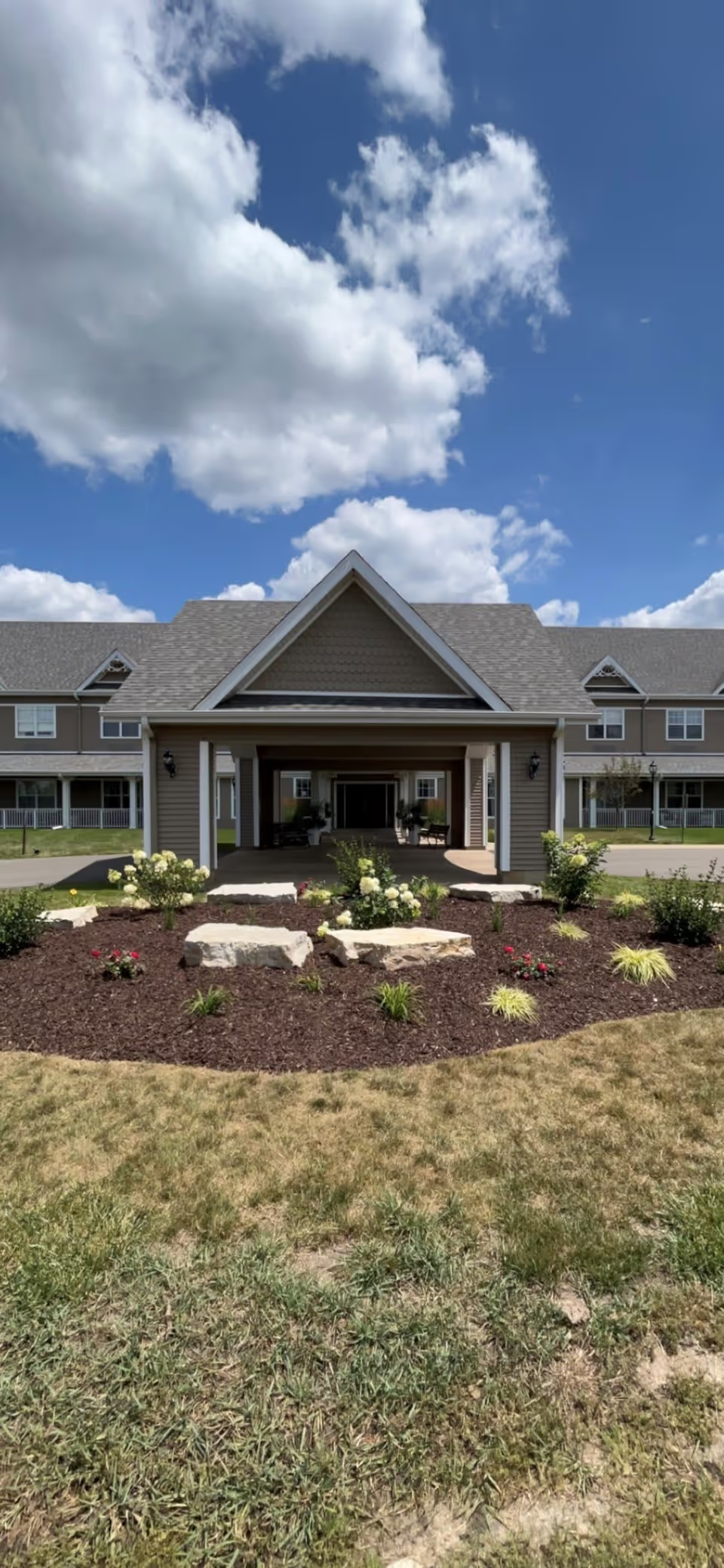
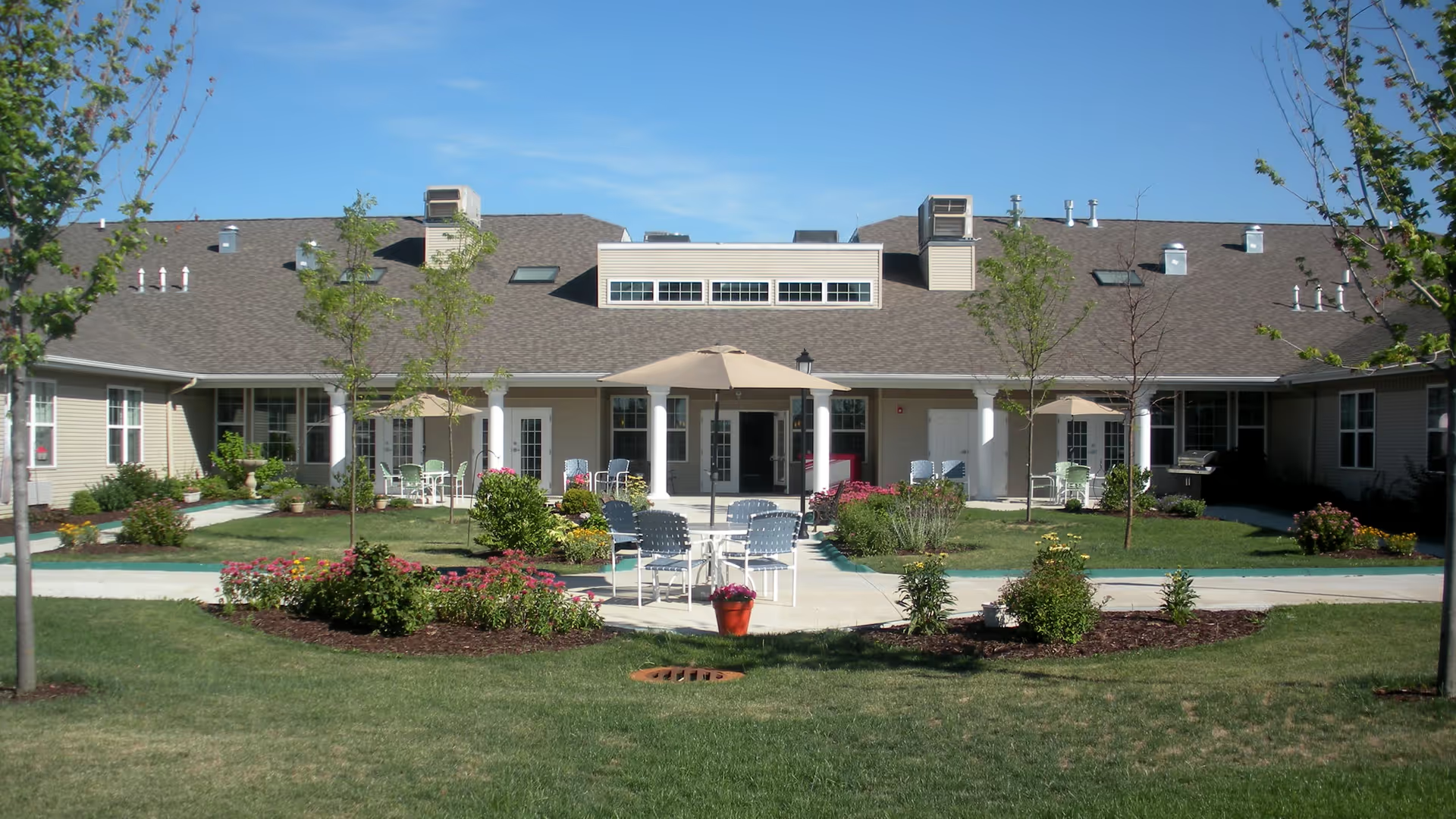
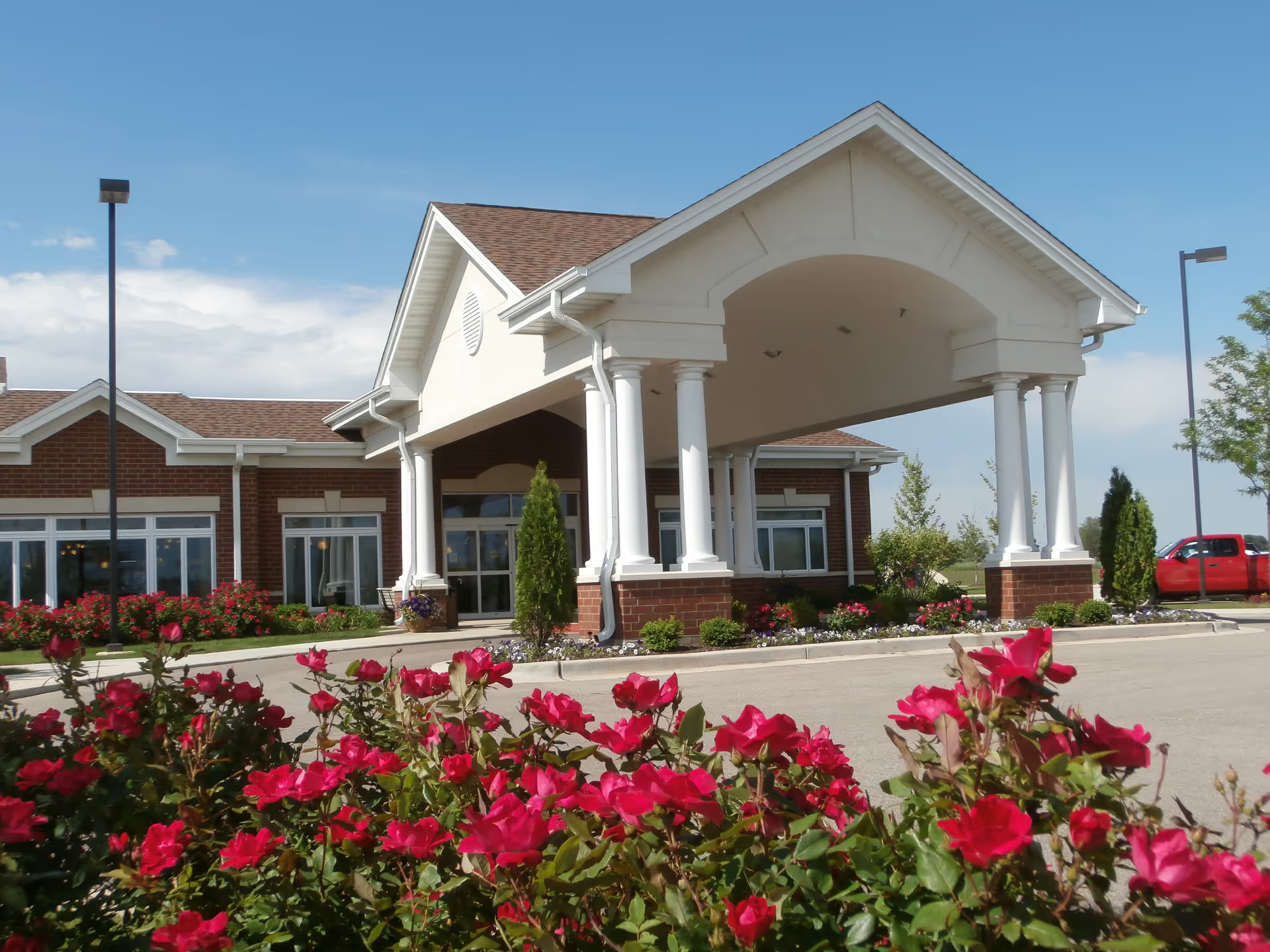
Facilities and safety: There are substantive operational concerns around sanitation and pest control, as well as environmental maintenance issues (floor safety after waxing, equipment cleanliness). Reports also include lapses in property management and security of personal items. Emergency response times and delays in arranging urgent care or EMS were noted in some accounts, reflecting potential gaps in urgent-event protocols.
Management and governance: Leadership presence and effectiveness appear uneven. Positive accounts describe a responsive administrator and supportive managers who provide reassurance to families; negative accounts indicate infrequent management engagement, perceived nepotism, and inconsistent staffing decisions. Serious allegations such as forged consent forms and criminal conduct by staff have been raised, which warrant due diligence by regulators and prospective families.
Notable patterns and advice for families: The facility demonstrates capacity for strong clinical and rehabilitative care, but consistency is a recurring issue. Before admission, families should consider an in-person tour, ask about current pest-control and sanitation protocols, review staffing ratios and on-call procedures, confirm discharge and property-control policies, and seek recent references regarding communication and emergency response. For those prioritizing strong therapy and compassionate end-of-life care, Forest City may deliver those strengths; for families prioritizing consistent operational controls and secure property management, additional verification is advisable.