Reviews describe a facility with highly mixed performance across clinical care, operations, and the physical environment. Positive accounts emphasize compassionate, attentive caregivers, effective therapy services, supportive hospice and spiritual care, well-executed family events, and helpful front-desk/admissions staff. Several families highlighted individual employees who were particularly responsive and effective, and some comments indicate that recent leadership changes produced visible cleanliness and service improvements.
Care quality is the most polarized area. Favorable comments cite strong nursing and CNA attention, good rehabilitation outcomes, and dignified end-of-life support. Conversely, many families described operational failures that affected clinical care: delays and errors in medication administration, inconsistent assistance with activities of daily living (including bathing and toileting assistance), inconsistencies in wound- and catheter-related care, and incidents that resulted in rehospitalization or repeat hospital transfers. Hospice and palliative services received mostly positive feedback, while acute clinical coordination and timely emergency response were noted as unreliable in several accounts.
Staffing and communication show a clear pattern of variability. Positive notes focus on caring, polite staff and competent therapists; negative notes emphasize chronic understaffing, high turnover, and reliance on agency staff with varying experience. These staffing issues were associated with unresponsive nursing stations, unanswered phone lines or nonfunctional bedside call systems, and poor family communication during transitions and discharges. Families described frustration with coordination of transport and discharge planning, and with perceived unresponsiveness from regional or corporate leadership during periods of operational stress.
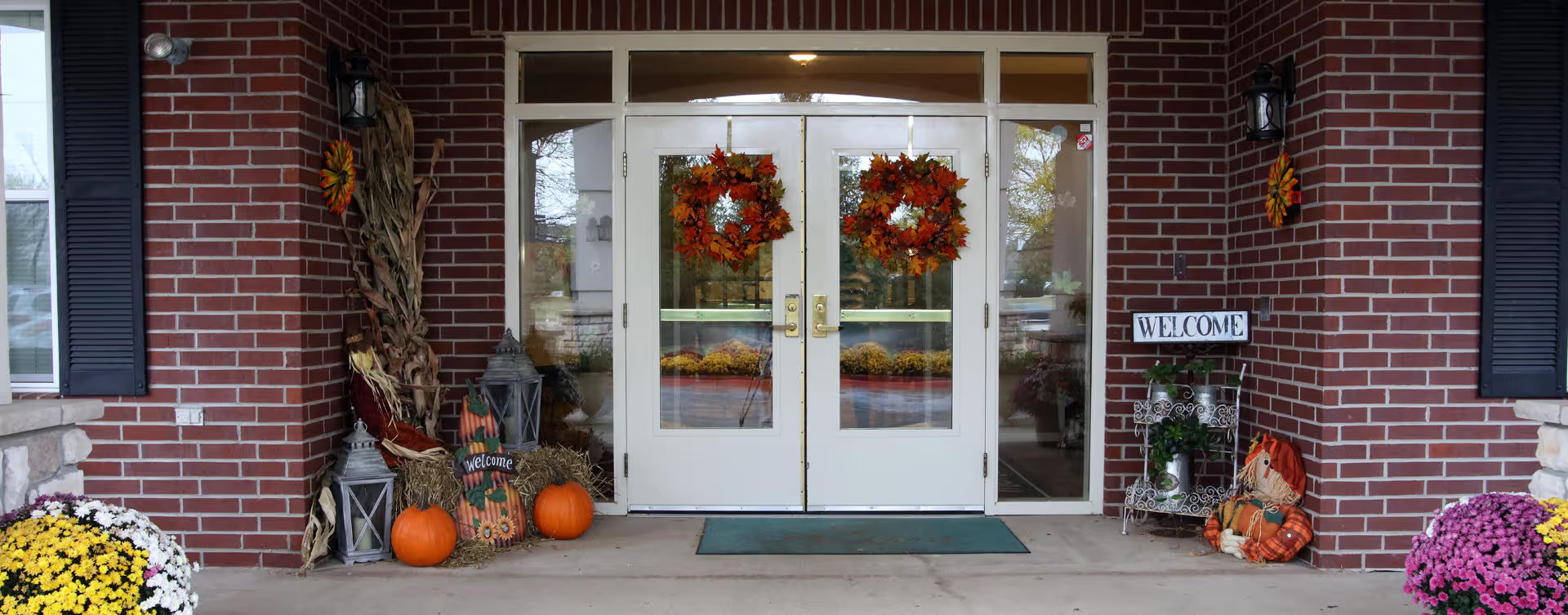
Dining and activities are similarly mixed. There are reports of enjoyable meals and engaging activities, including well-attended family events and holiday programs. At the same time, reviewers raised concerns about inconsistent meal service and interruptions to food delivery tied to staffing or scheduling problems.
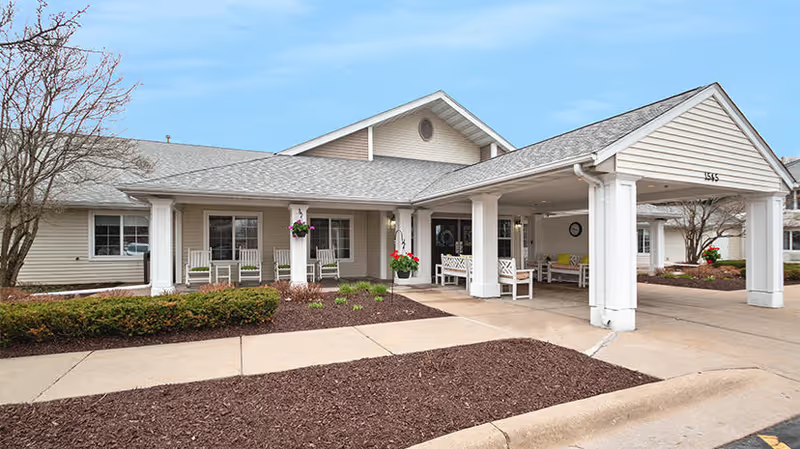
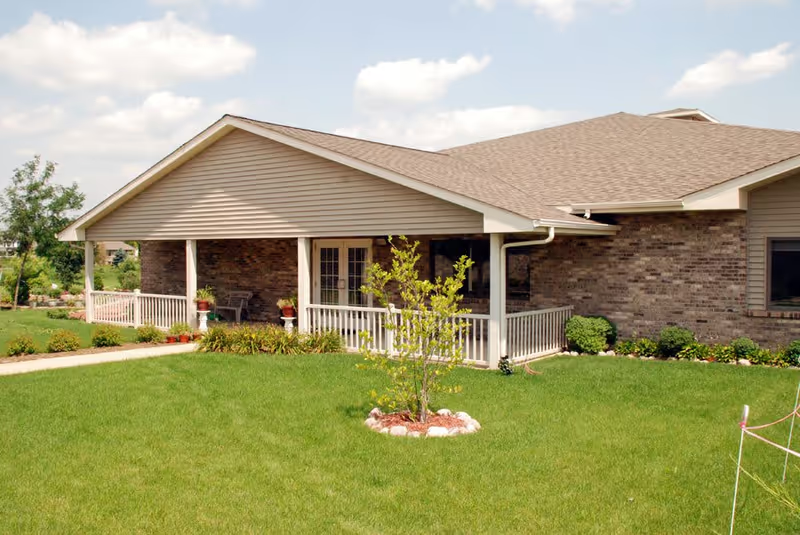
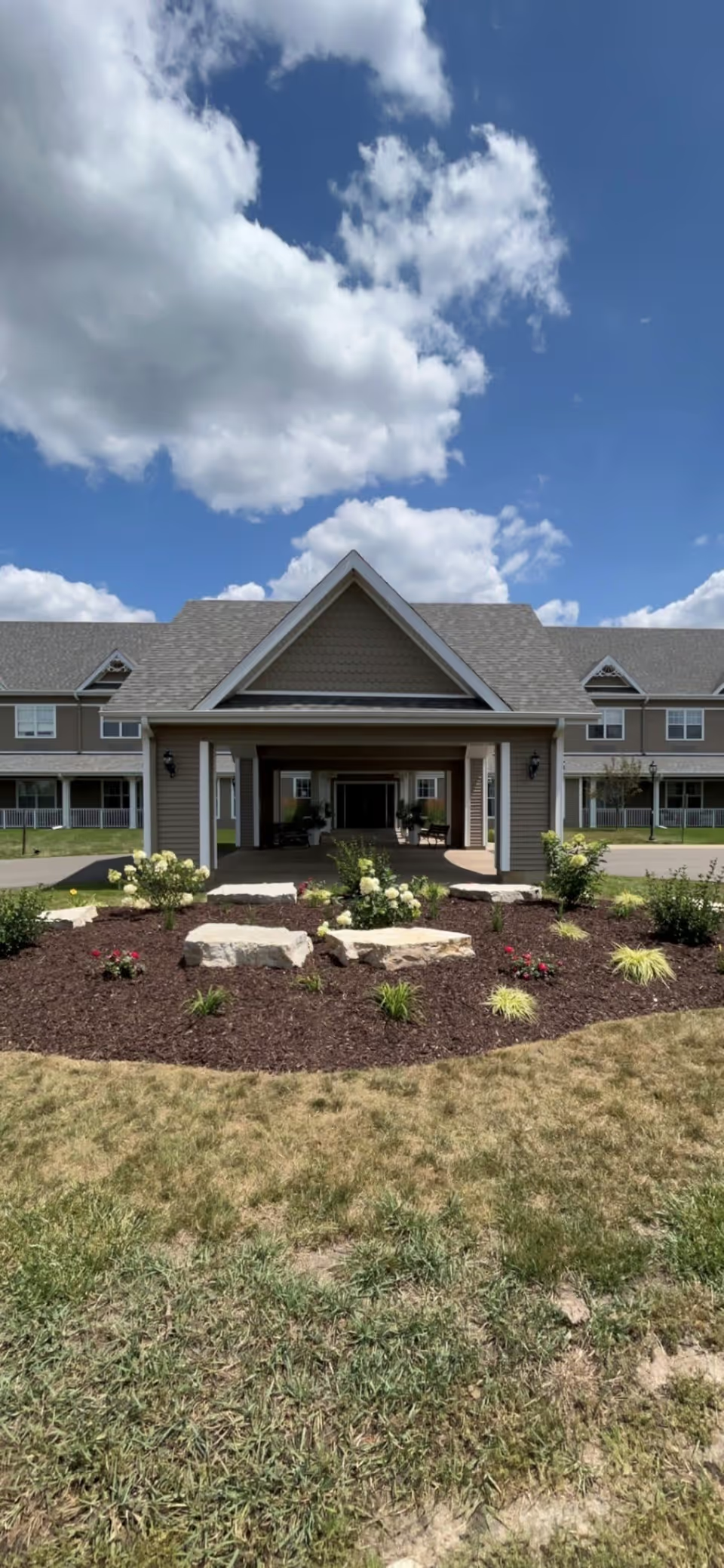
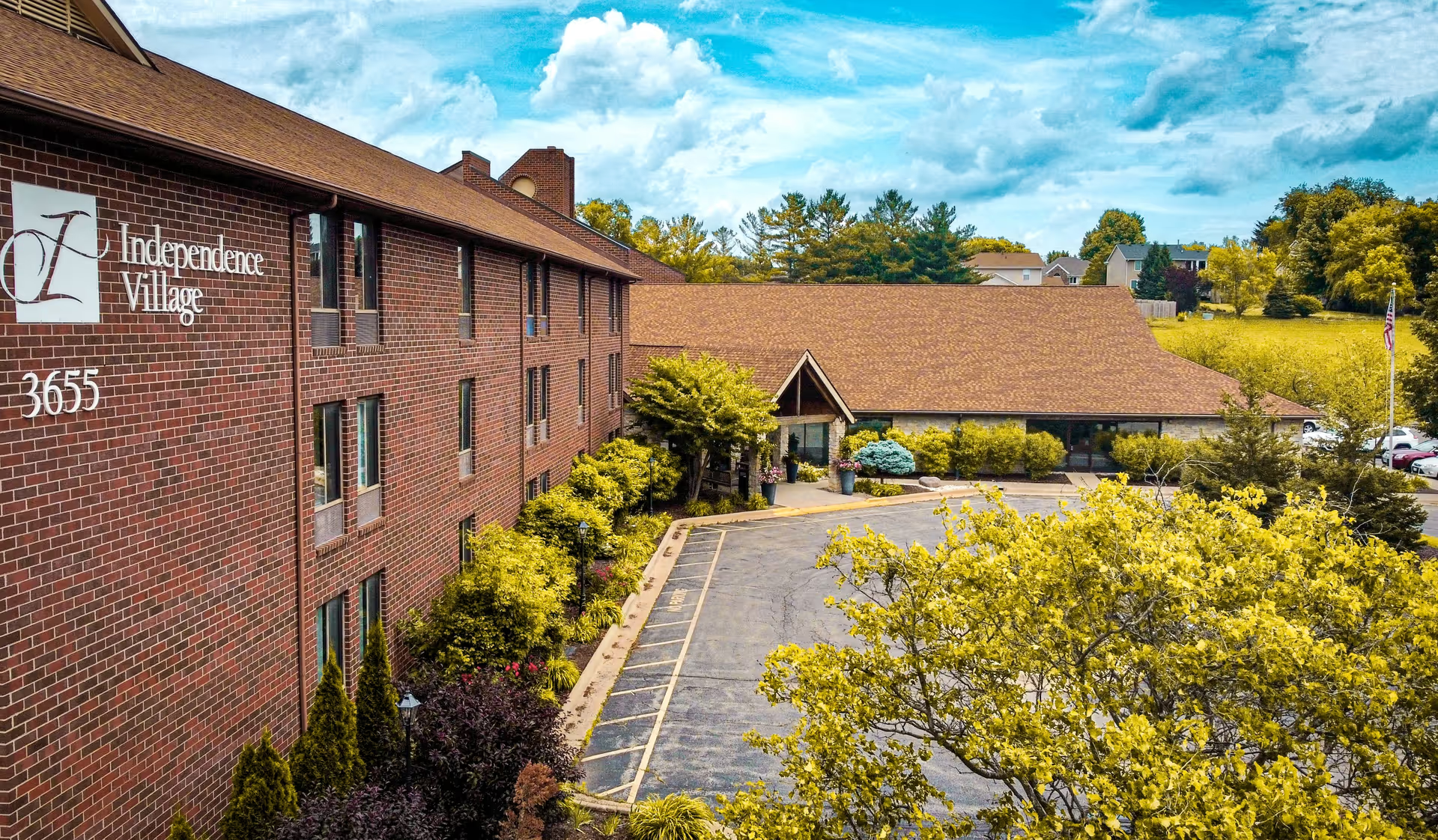
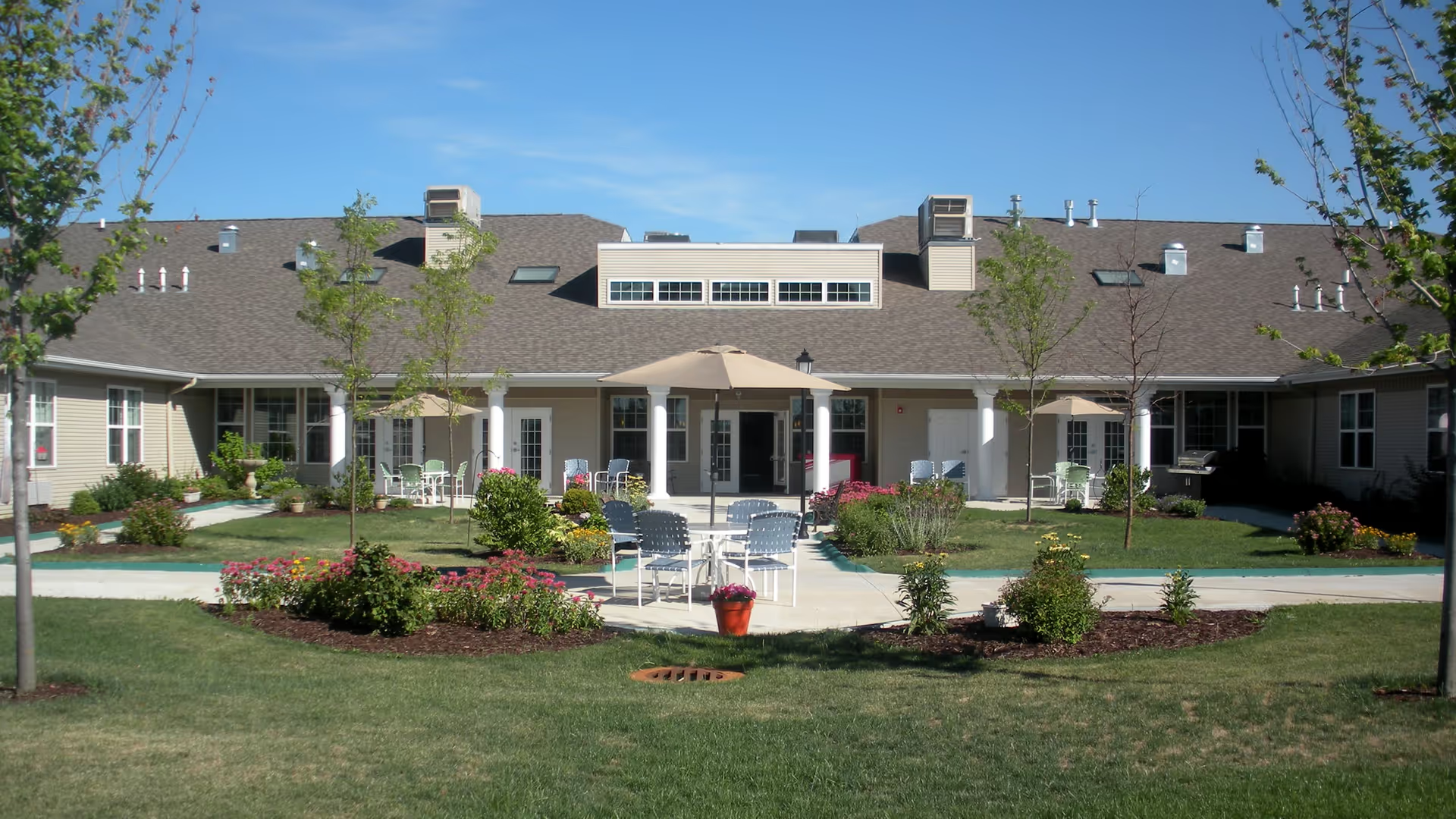
The physical plant and maintenance drew frequent attention. Positive comments noted improved cleanliness under newer management in some areas, while negative observations referenced deteriorating finishes, exposed infrastructure, intermittent odor concerns in common areas, and other maintenance shortfalls. These environmental issues, together with concerns about property security and missing personal items, contributed to family unease.
Management and oversight present a contrast between transitional challenges and signs of recovery. Several families described a marked decline in operations during leadership transitions and the COVID period, including breakdowns in routine care and communication. Other accounts reference a subsequent leadership turnover that brought more professional administration, better organization, and improved visible cleanliness and staff focus. Corporate responsiveness and consistency of oversight remain cited as variable.
Overall patterns suggest that prospective residents and families may encounter very different experiences depending on unit, staffing on a given shift, and current leadership. Important considerations when evaluating the facility include verifying current nurse-to-resident ratios, clarifying use and training of agency staff, asking for documentation of medication-administration and wound-care protocols, testing the responsiveness of the call system, and touring physical maintenance areas. Where continuity of clinical oversight and responsive communication are priorities, families should seek specific assurances about staffing stability and management follow-through before placement.