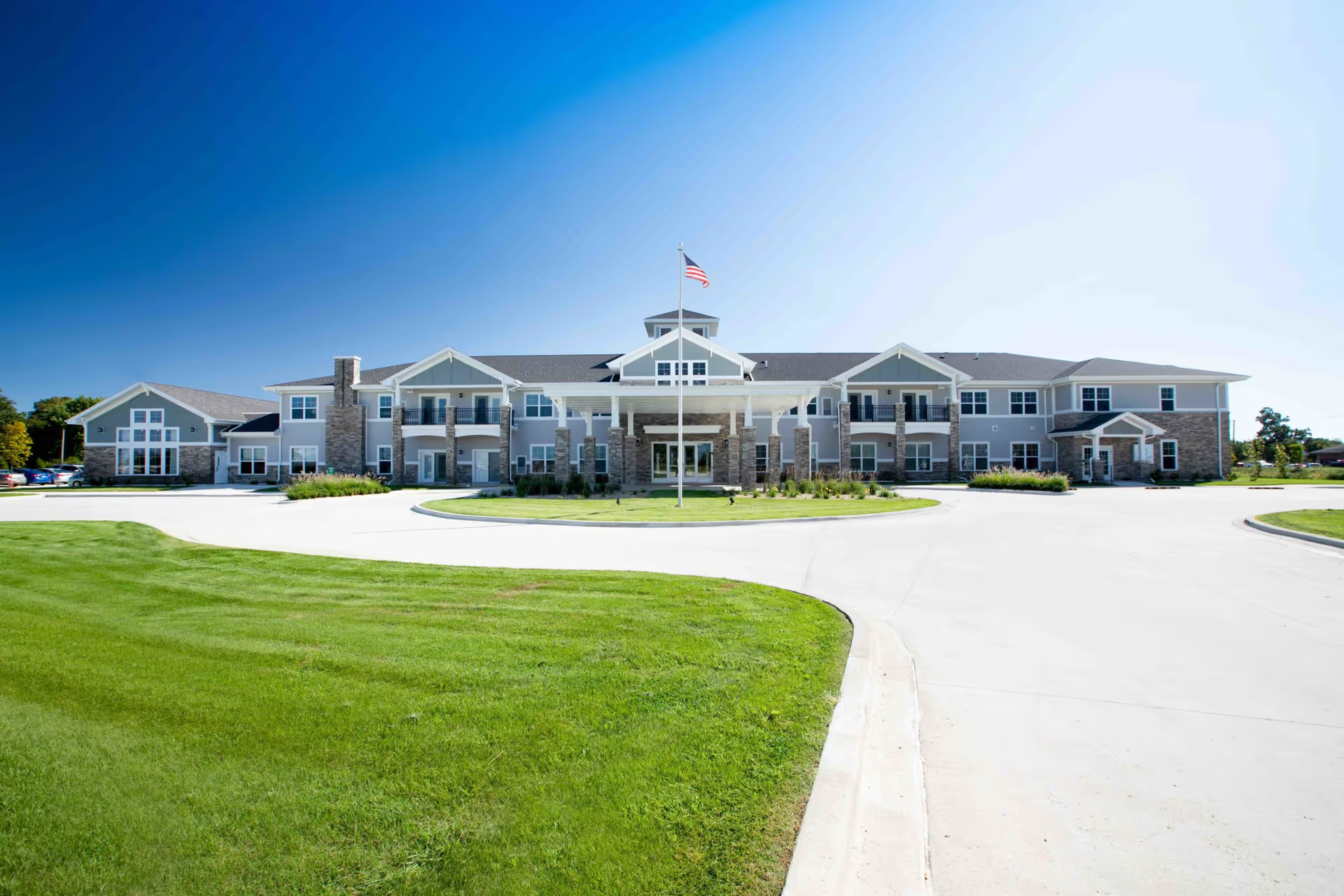
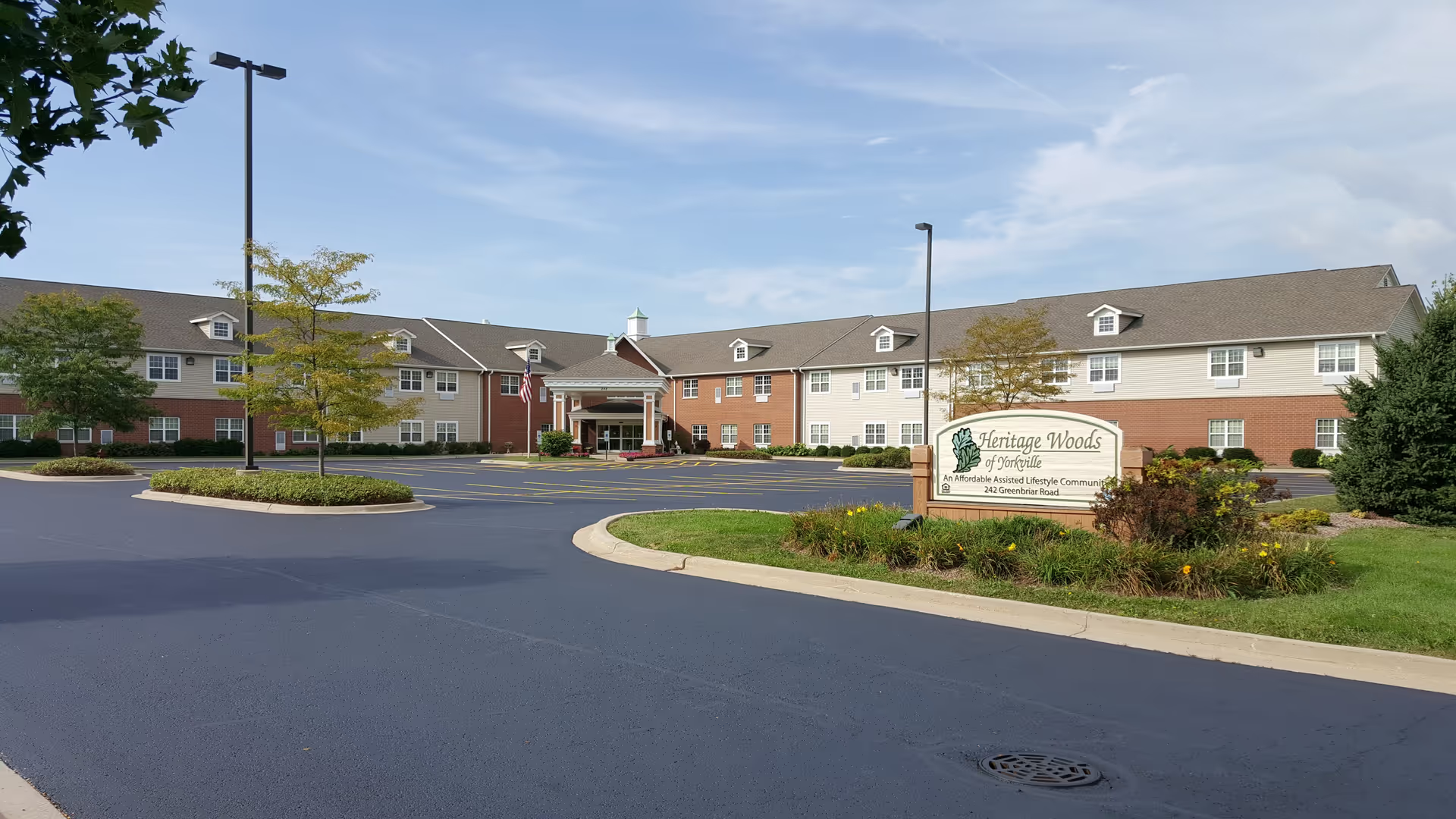
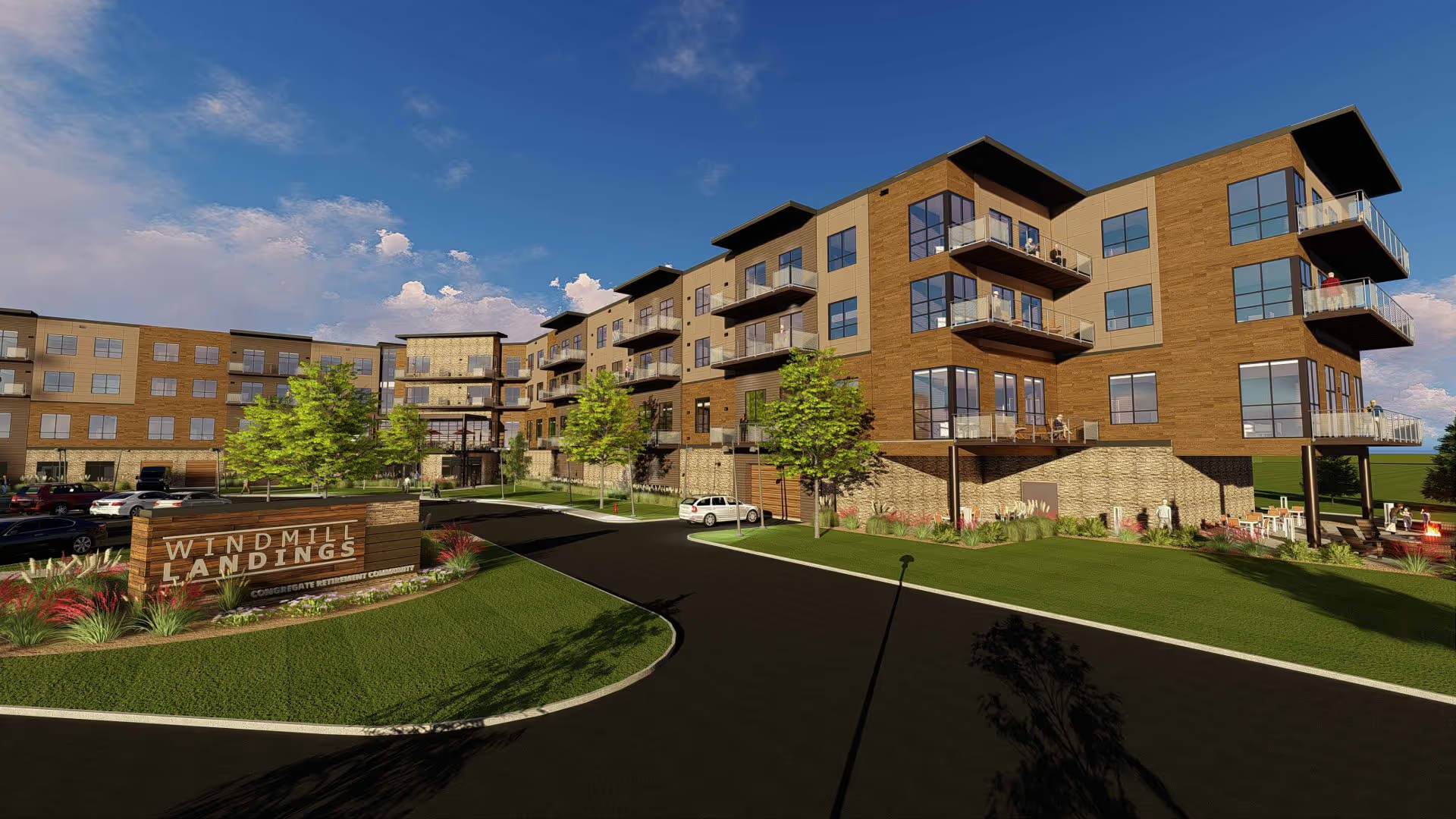
The reviews present a mixed but distinct pattern: many families praise the staff-level caregiving, activities program, and clinical services, while others raise operational and environmental concerns. Positive commentary centers on a small, home-like atmosphere with staff who are described as friendly, attentive and compassionate; reviewers repeatedly cite skilled nursing availability, hospice support, rehabilitative services, memory-care option, and a high caregiver-to-resident ratio that allows for individualized attention. The community’s grounds and exterior appearance are frequently noted as well-maintained, and many families describe regular activities and daily group programs that support social engagement.
Care quality impressions vary by shift and by reviewer. Several accounts highlight timely clinical care, committed nursing staff, effective hospice involvement, and successful rehabilitation outcomes. In contrast, other accounts describe delays in attending to resident needs and concerns about staff competency or training on certain shifts. These differences suggest variability in care consistency across time periods; families who praised the facility emphasize close communication and active advocacy, while critical accounts point to instances when escalation and follow-up from leadership were perceived as insufficient.
Dining and daily routines are similarly mixed. The facility offers meal choices and some families describe satisfactory dining experiences. However, there are operational complaints about early wake-up times, long waits for breakfast, and variability in how meals are delivered (tray service versus dining-room meals). Activities are commonly mentioned as a strength, with numerous events and daily groups contributing to a family-friendly atmosphere and resident engagement.
Facility condition and safety are recurring areas of concern for a portion of reviewers. While the exterior and grounds are often described positively, interior maintenance and cleanliness receive conflicting assessments: some reviewers report sanitation and odor concerns, maintenance issues with furniture and fixtures, and inadequate equipment in resident rooms. Security and access-control shortcomings are also noted (for example, lax sign-in practices and unsecured doors), indicating potential gaps in supervision and visitor management. These operational issues are described alongside complaints about inconsistent administrative responsiveness and leadership approach, which reviewers link to slower resolution of problems.
Taken together, the pattern suggests a facility with clear strengths in staff commitment, clinical services (skilled nursing, hospice, rehab), and activities, paired with operational vulnerabilities in maintenance, infection-control and access practices, and leadership consistency. Prospective residents and families would benefit from an in-person tour focused on current staffing levels, recent cleaning and maintenance records, access-control procedures, incident-response protocols, and examples of how leadership addresses family concerns. Reviewing the facility’s regulatory history and asking for recent staffing and quality metrics will help clarify whether the operational issues cited have been addressed.