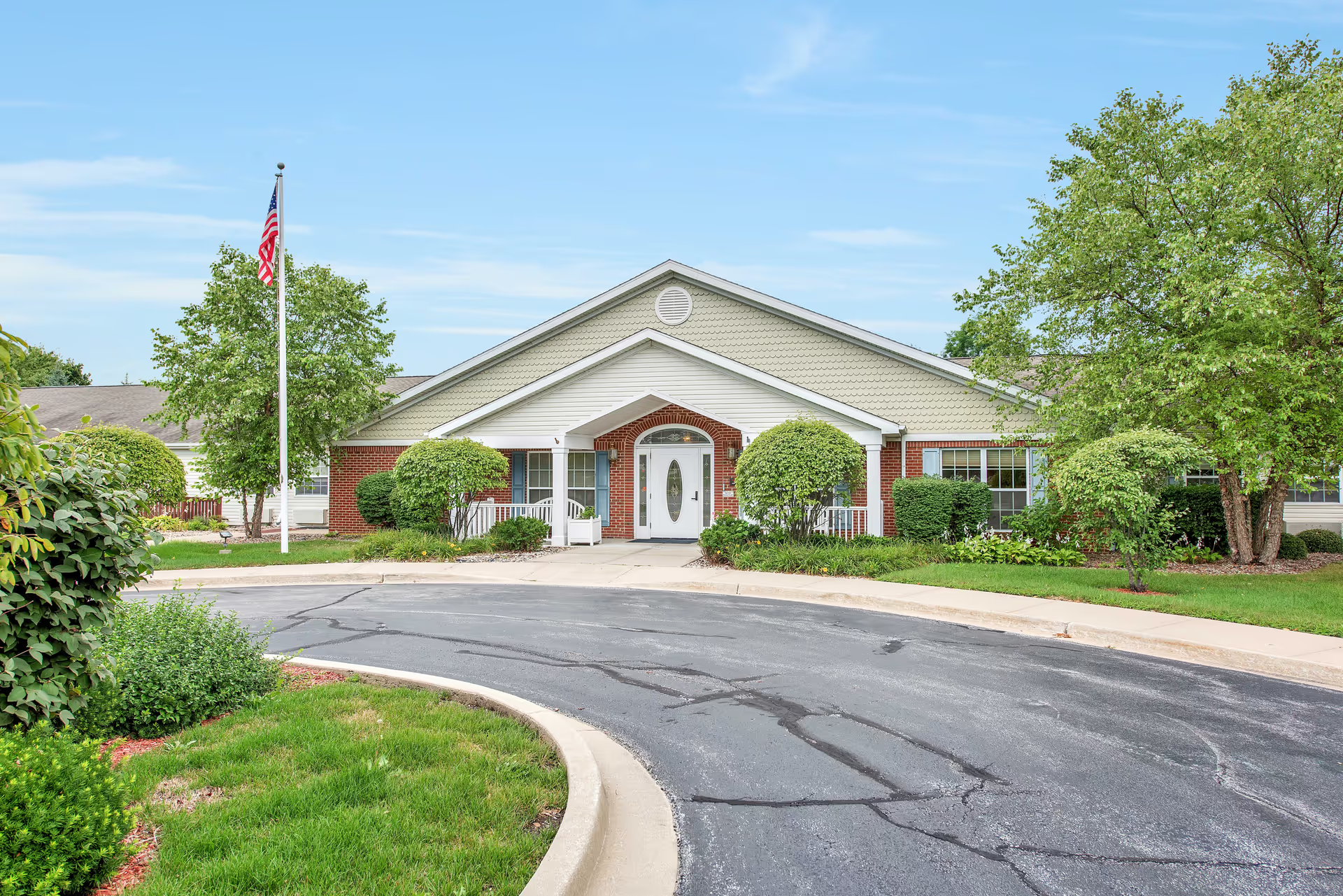
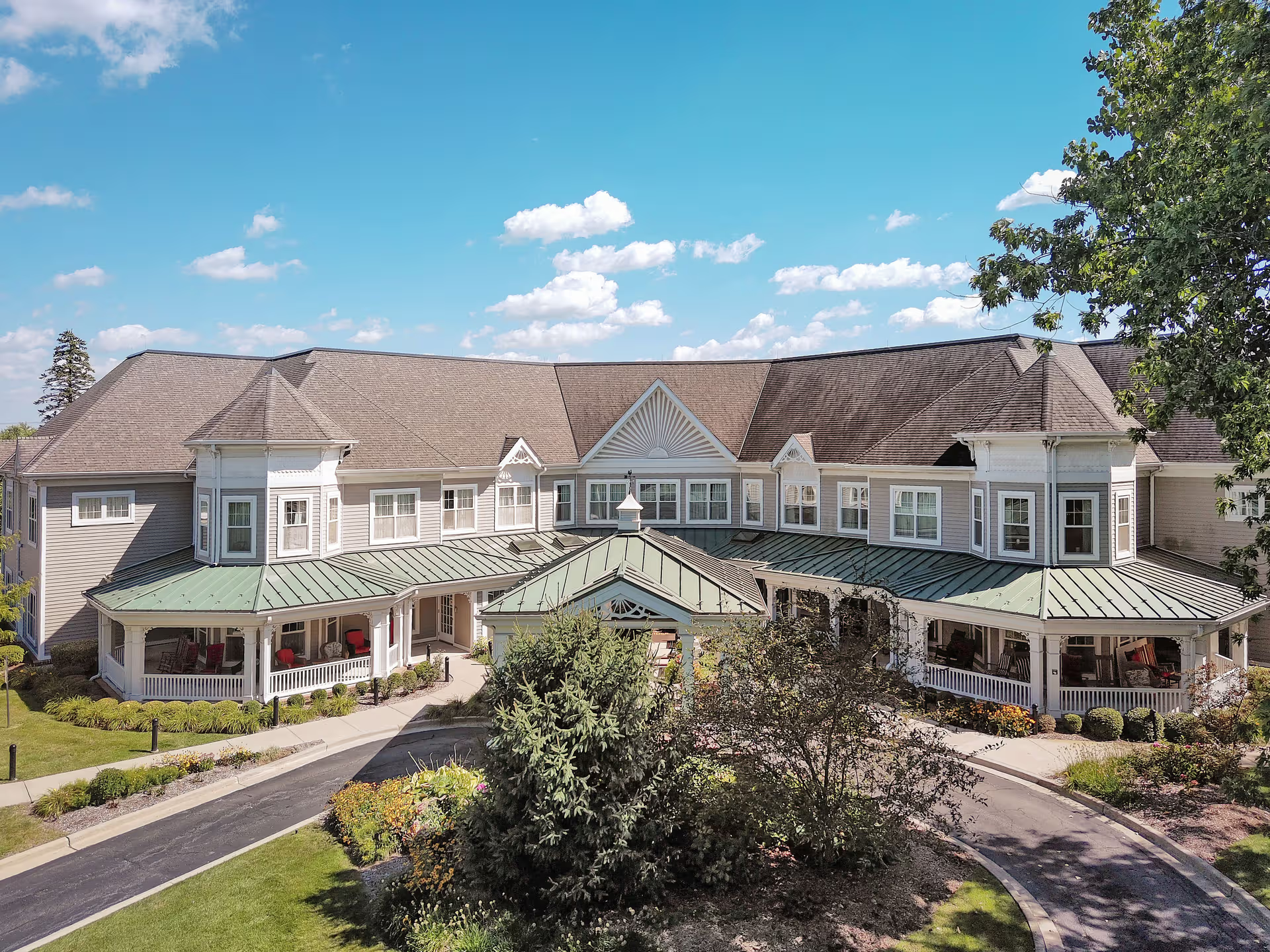
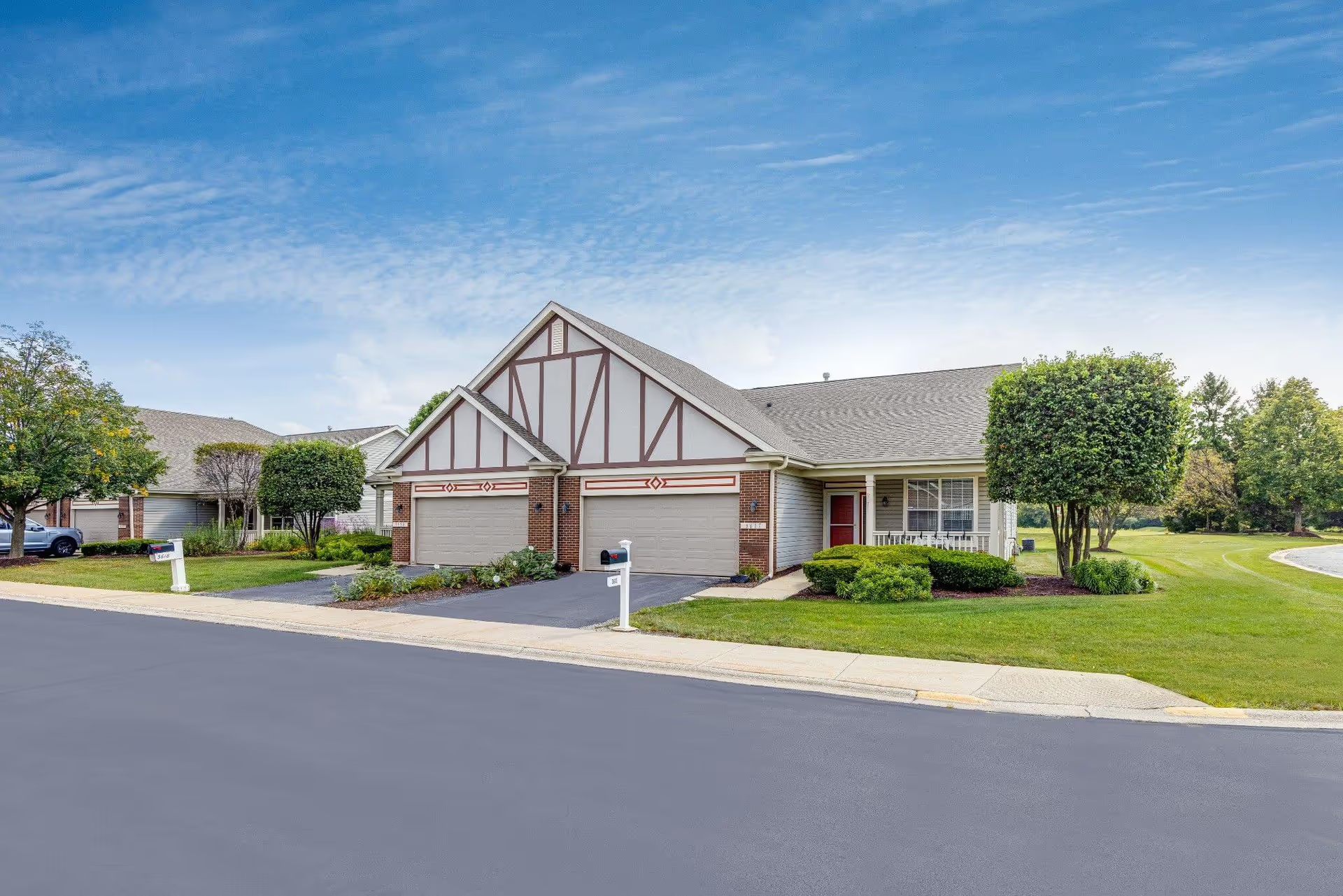
Arden Courts South Holland is consistently described as a purpose-built memory-care community with a strong emphasis on dementia-specific programming and a small-house, home-like design. Reviewers repeatedly note secure indoor/outdoor walking paths, enclosed courtyards, and thoughtfully arranged common areas that promote safe movement and socialization for residents with cognitive impairment. The facility's layout, single-occupancy room options, and visible investment in landscaping and seasonal decoration contribute to an inviting aesthetic and a sense of independence among residents.
Care quality and staffing present a mixed picture. Many families praise compassionate, patient caregivers who are knowledgeable about dementia care, and several accounts highlight long-tenured staff and low turnover as strengths that support continuity. Life-enrichment personnel are frequently commended for varied, hands-on programming (music, crafts, themed events, holiday celebrations, gardening and activity stations) that engages residents. At the same time, a number of families raised operational concerns that affect clinical reliability: inconsistent staffing levels or aide availability, occasional medication-management and clinical follow-through gaps, and variability in personal-care practices. There are also specific mentions of falls, hospital transfers, and medication errors; these indicate a need to clarify the community's clinical protocols, fall-prevention measures, and incident-response processes when evaluating placement.
Dining and activities are overall strong points, but not uniformly so. Multiple reviewers describe appealing, home-style meals prepared by a dedicated cook, with accommodation for dietary needs and daily menus; many events and family-oriented celebrations reinforce a community atmosphere. Conversely, other families noted inconsistent meal quality or reliance on reheated/frozen items at times. The activity program is generally regarded as robust and well-matched to memory-care needs, with frequent themed programming and opportunities for family participation.
Facility and operational features are generally well received: the community is described as clean, well-maintained, and secure with monitored doors and alarmed exits appropriate for a memory-care setting. However, some residents' rooms—particularly on upper floors—are characterized as smaller or in need of updating. Reviewers also point to inconsistencies in housekeeping and laundry processes and occasional lapses in personal-item tracking; there are isolated allegations of missing items and at least one family concern about billing administration, which suggest prospective families should ask about inventory, labeling, and billing practices.
Management and communication likewise vary in reviewers' experiences. Admissions and tour staff are commonly described as informative and non-pushy, and many families describe prompt, reassuring communication and hands-on involvement from nursing leadership. Yet other families report difficulties reaching staff, delayed notifications after incidents, and uneven caregiver education across shifts. Pricing is viewed by multiple families as relatively high and sometimes opaque, with location-based differences and out-of-pocket items (for example, certain personal supplies) not always made explicit.
Notable pattern: overall sentiment is polarized—many families provide strong, enthusiastic recommendations emphasizing compassionate, specialized dementia care, while a smaller set of accounts describe clinically significant failures or operational lapses. For prospective families, recommended areas to probe on a tour include current staffing ratios by shift, specifics of medication-administration and incident-report protocols, fall-prevention practices, housekeeping and laundry procedures, personal-property and inventory policies, billing inclusions/exclusions, and recent staff training and competency-evaluation practices. These focused questions will help determine whether the community’s strengths align with an individual resident’s clinical and safety needs.