The reviews present a mixed but consistent pattern: many families describe high-quality rehabilitation services, compassionate caregiving, and a welcoming social environment, while others describe operational lapses that have affected clinical safety, responsiveness, and room-level upkeep. Strengths most frequently noted include a strong physical-therapy/rehab program, engaged activity and dining opportunities, accessible leadership at times, and caring clinical staff who create a family-like atmosphere for residents.
Care quality appears polarized. Numerous families praised therapists and nurses for clinical skill, progress updates, and individualized care plans. At the same time, there are substantive concerns about medication availability and timing, errors at admission, and problems with line and wound management. Some reviewers described care delays and monitoring gaps that they linked to adverse outcomes; there are also allegations of medication and device-handling lapses that warrant investigation. Assistance with basic activities of daily living — including help with meals and toileting-related needs — was described as inconsistent in some cases.
Staffing and staff conduct are a recurring theme. Positive accounts highlight compassionate, professional staff and responsive leadership. Negative accounts emphasize uneven caregiver behavior, CNAs and nurses who appear overworked or unavailable, and episodes of high turnover. These patterns align with reports of late or missed medication administration and delayed responses to call lights. Communication to families is frequently noted as good when leadership is engaged, but several reviews call out poor phone access or unanswered calls.
Dining and activities are generally seen as a strength: many reviewers complimented the food, the social dining atmosphere, and an active calendar that includes games, religious services, and celebrations. However, other reviewers reported inconsistent meal quality and occasional service lapses. Those differences suggest variability across units or shifts rather than an absolute facility-wide standard.
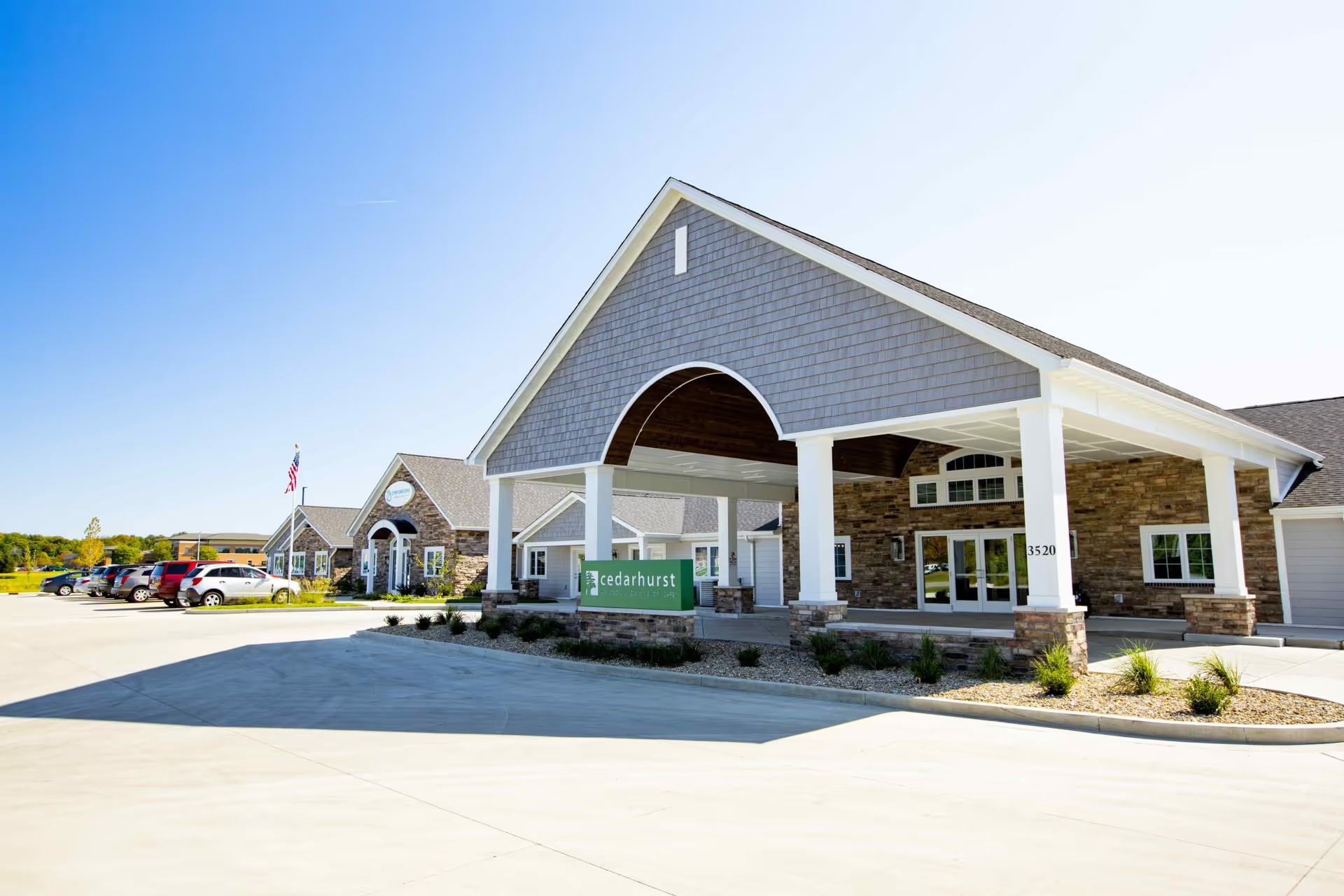
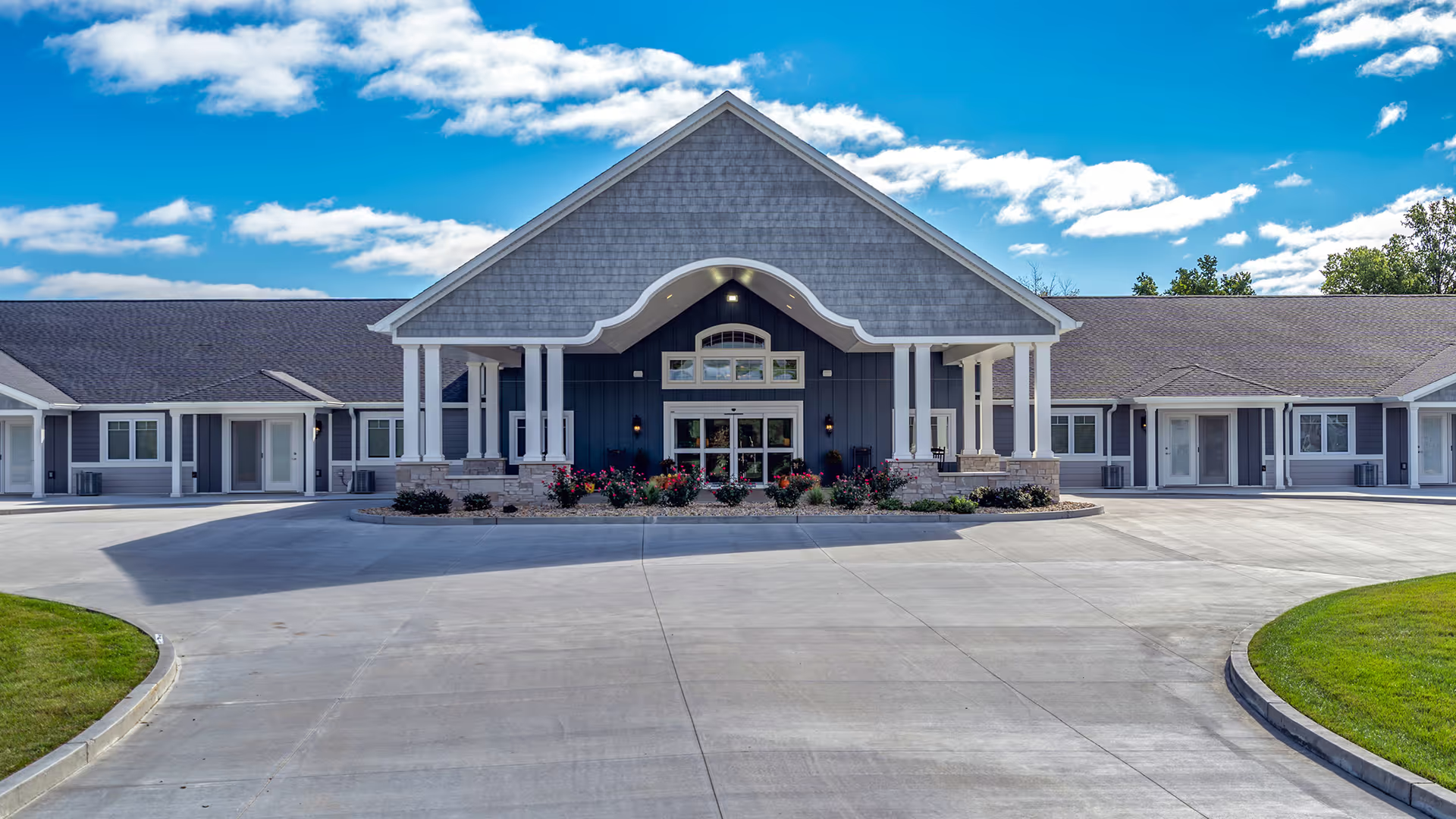
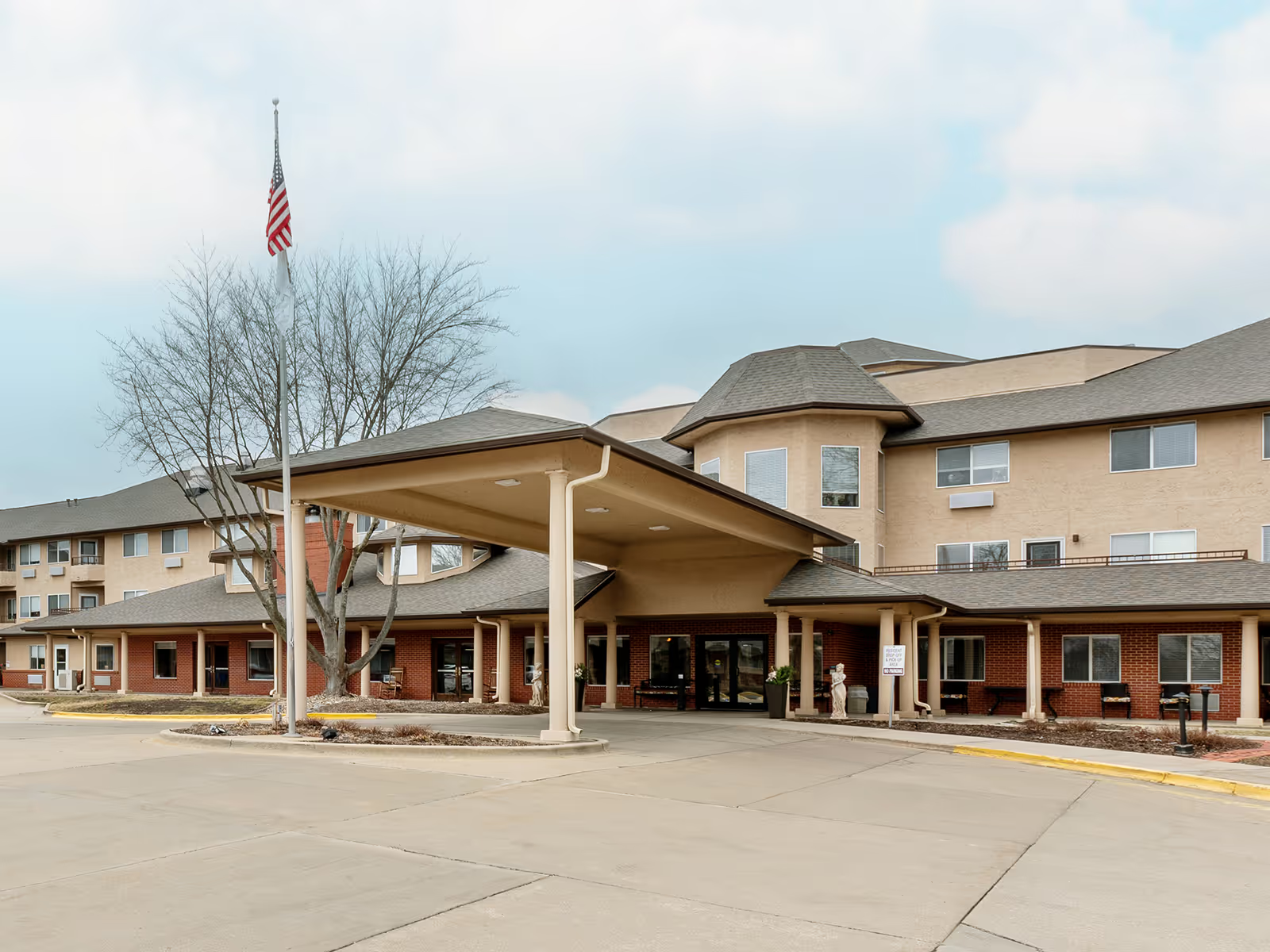
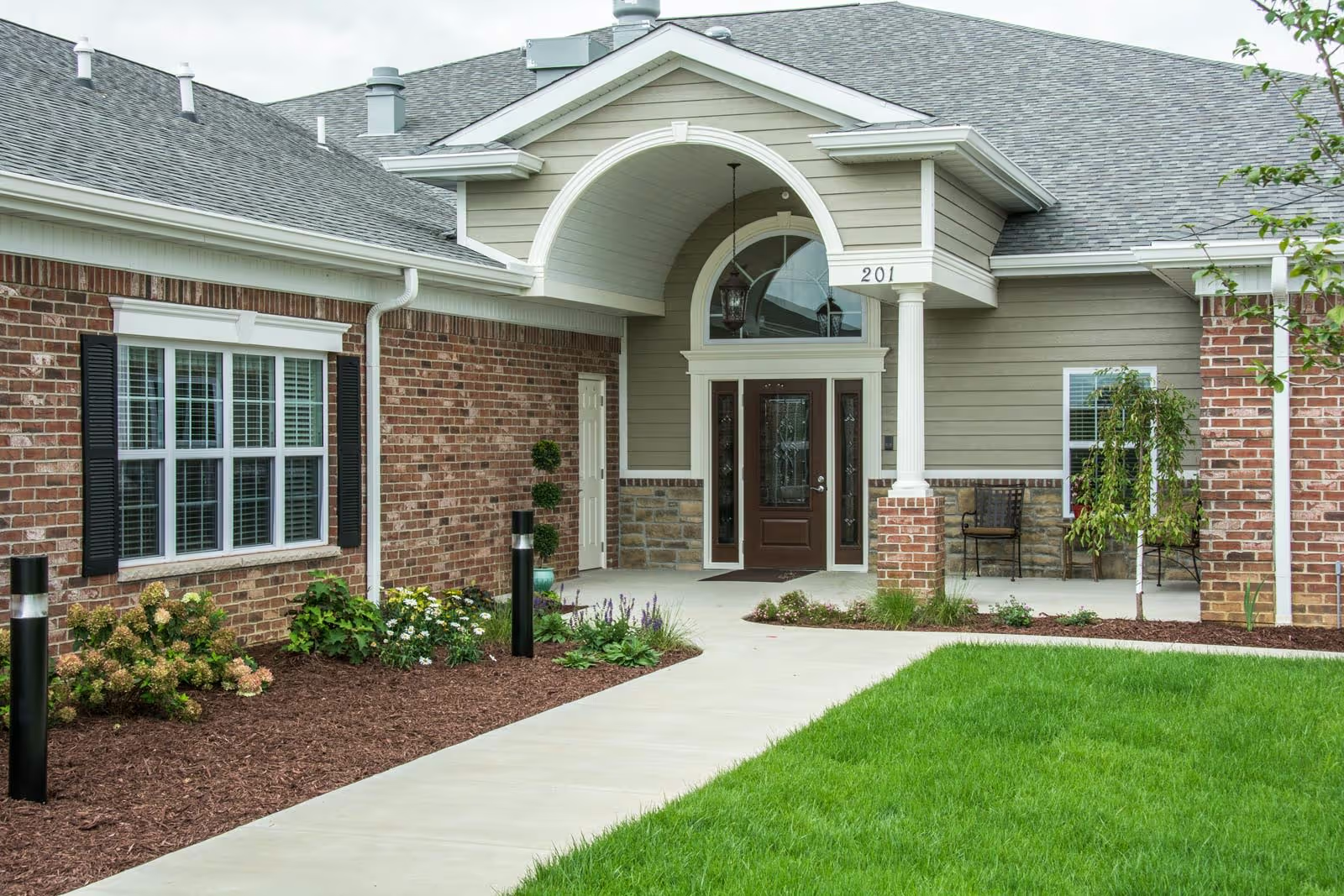
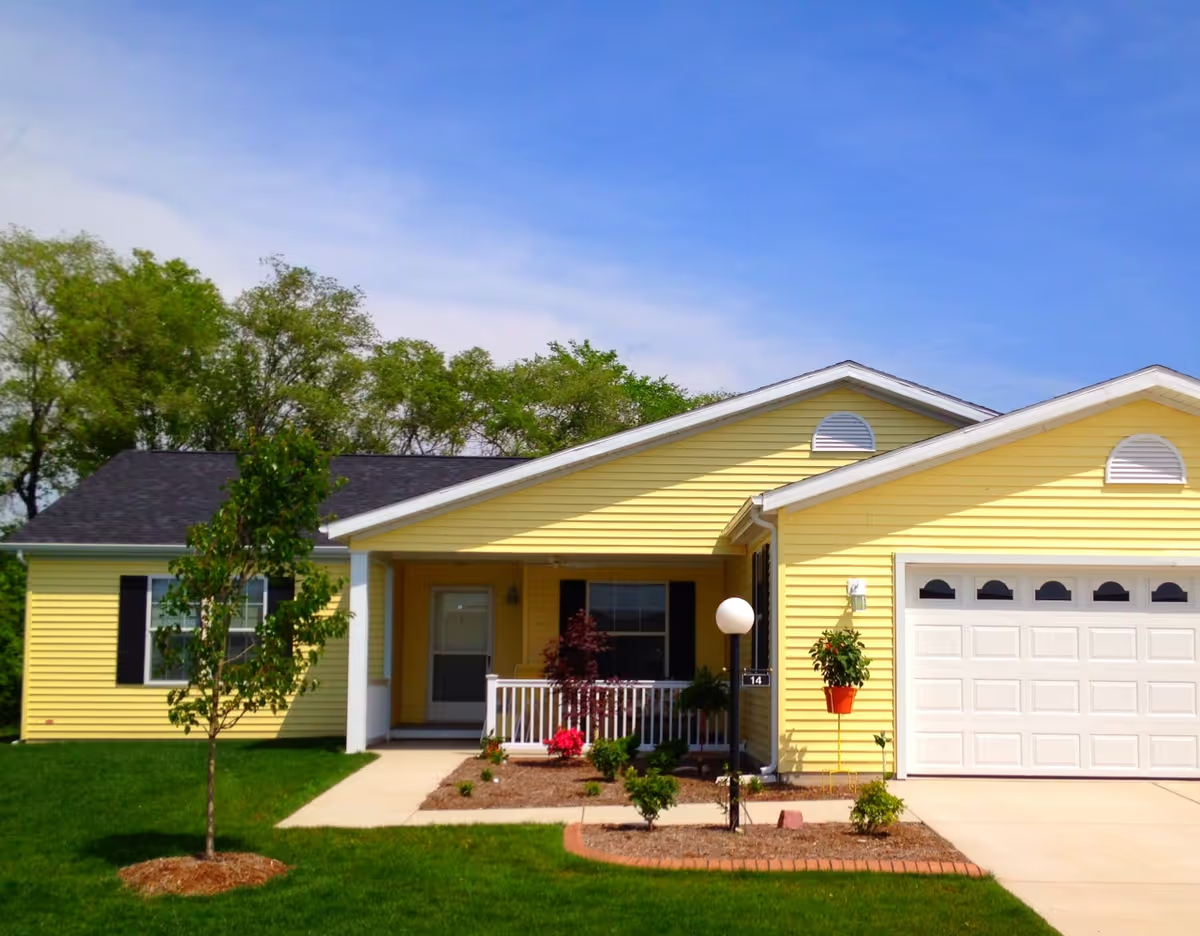
Facility condition and housekeeping are mixed. Common areas are often described as clean and well maintained, and some reviewers noted infection-control recognition. Conversely, other reviewers described outdated resident rooms, stained carpeting or furniture, and sanitation concerns in individual rooms or furnishings. Laundry management and room-turn procedures were also mentioned as inconsistent.
Management and administrative practices present both positives and concerns. Admissions staff and some leaders receive praise for accessibility and coordination, but there are repeated comments about uneven follow-through on incidents, delayed leadership responses, and specific billing or room-hold practices that families found confusing. The facility has been renamed and the building condition is described as uneven in places, which may reflect transitional operations.
Overall, Bridge Care Suites appears to offer robust rehabilitation programming and many instances of compassionate care, balanced against operational weaknesses that include staffing variability, medication- and device-care gaps, inconsistent housekeeping, and uneven incident follow-up. Prospective residents and families should consider an in-person tour, ask specific questions about staffing ratios and turnover, review medication-administration and wound/line-care protocols, inspect resident-room maintenance, and request examples of incident-reporting and leadership-response practices before making a placement decision.