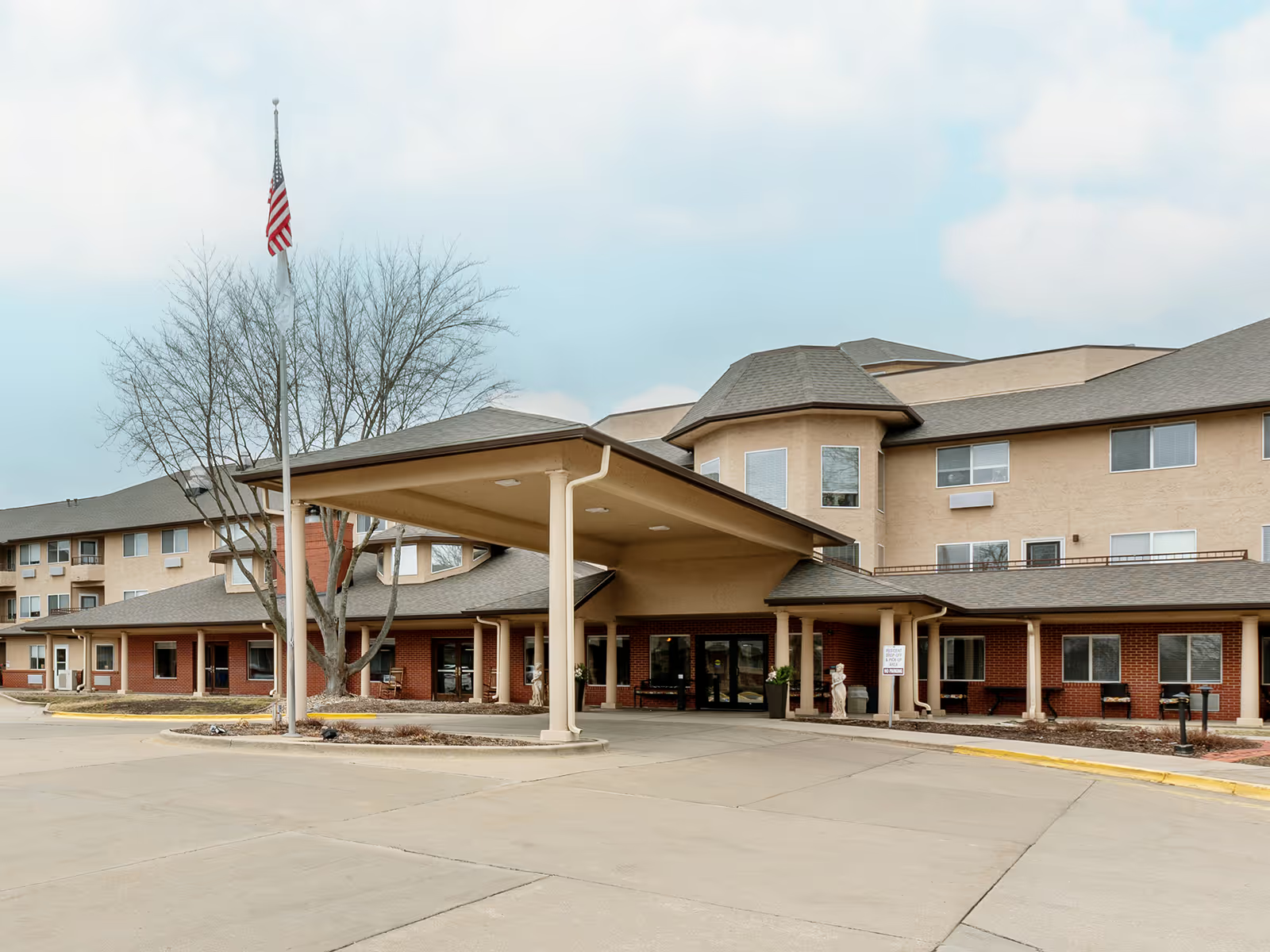
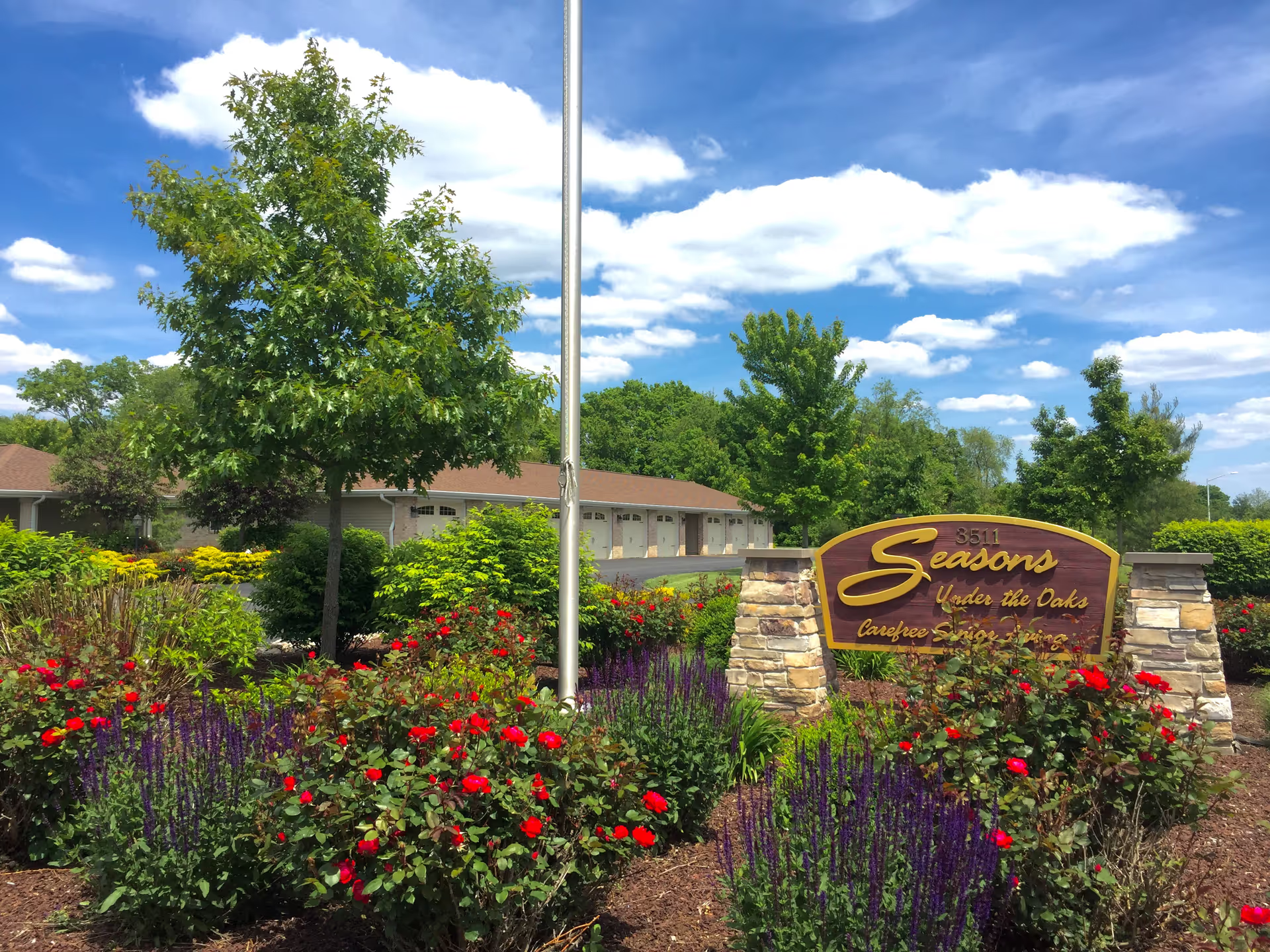
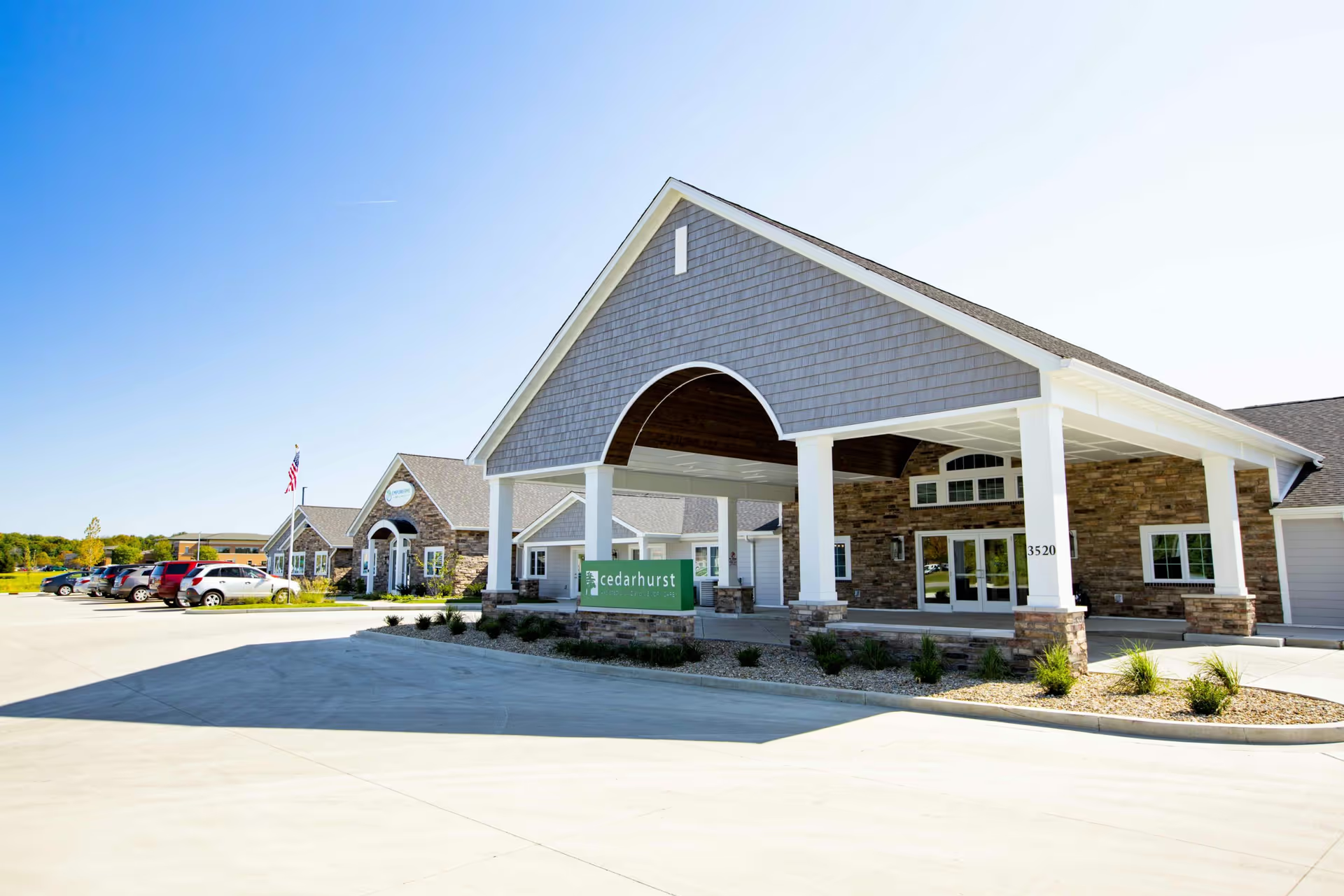
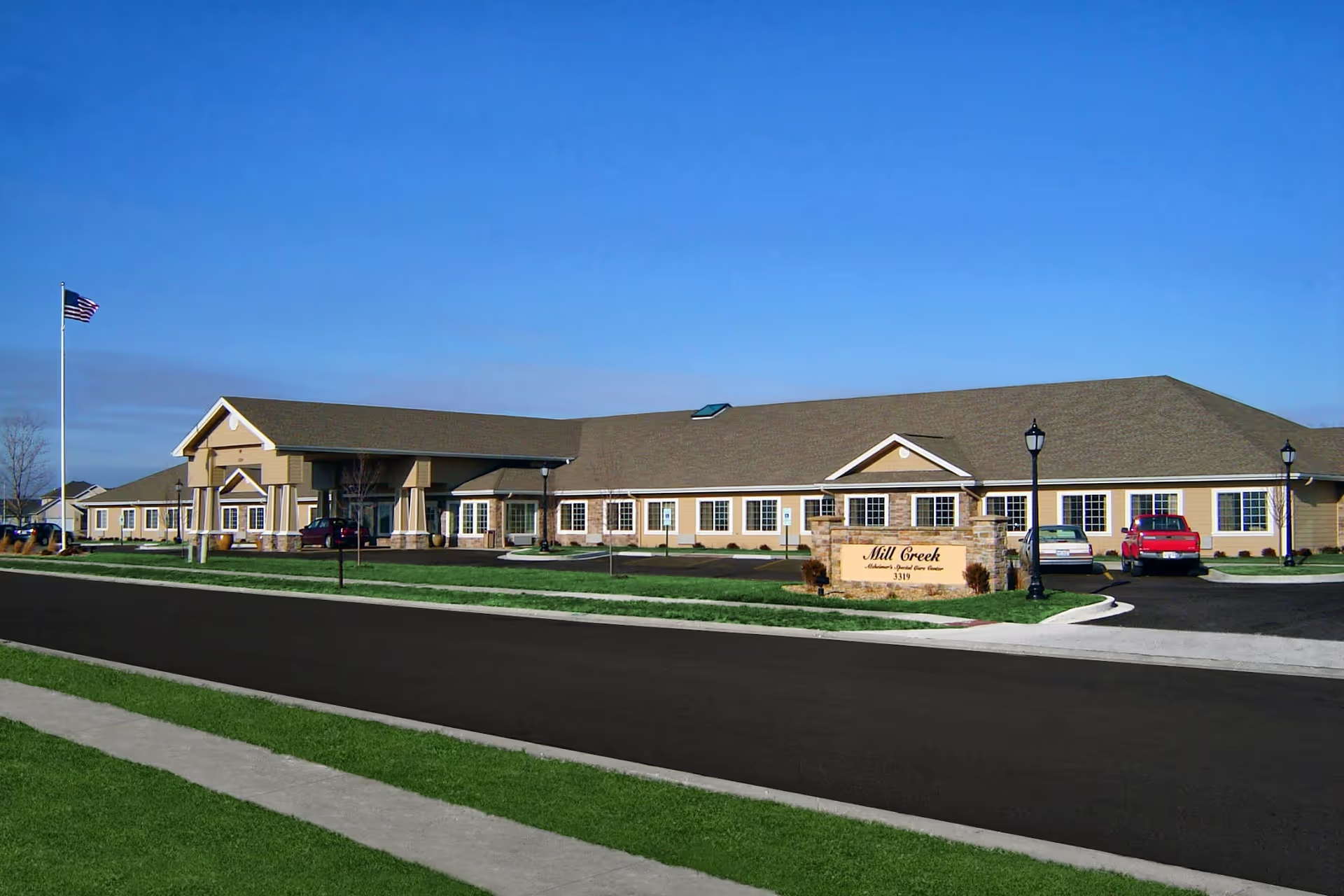
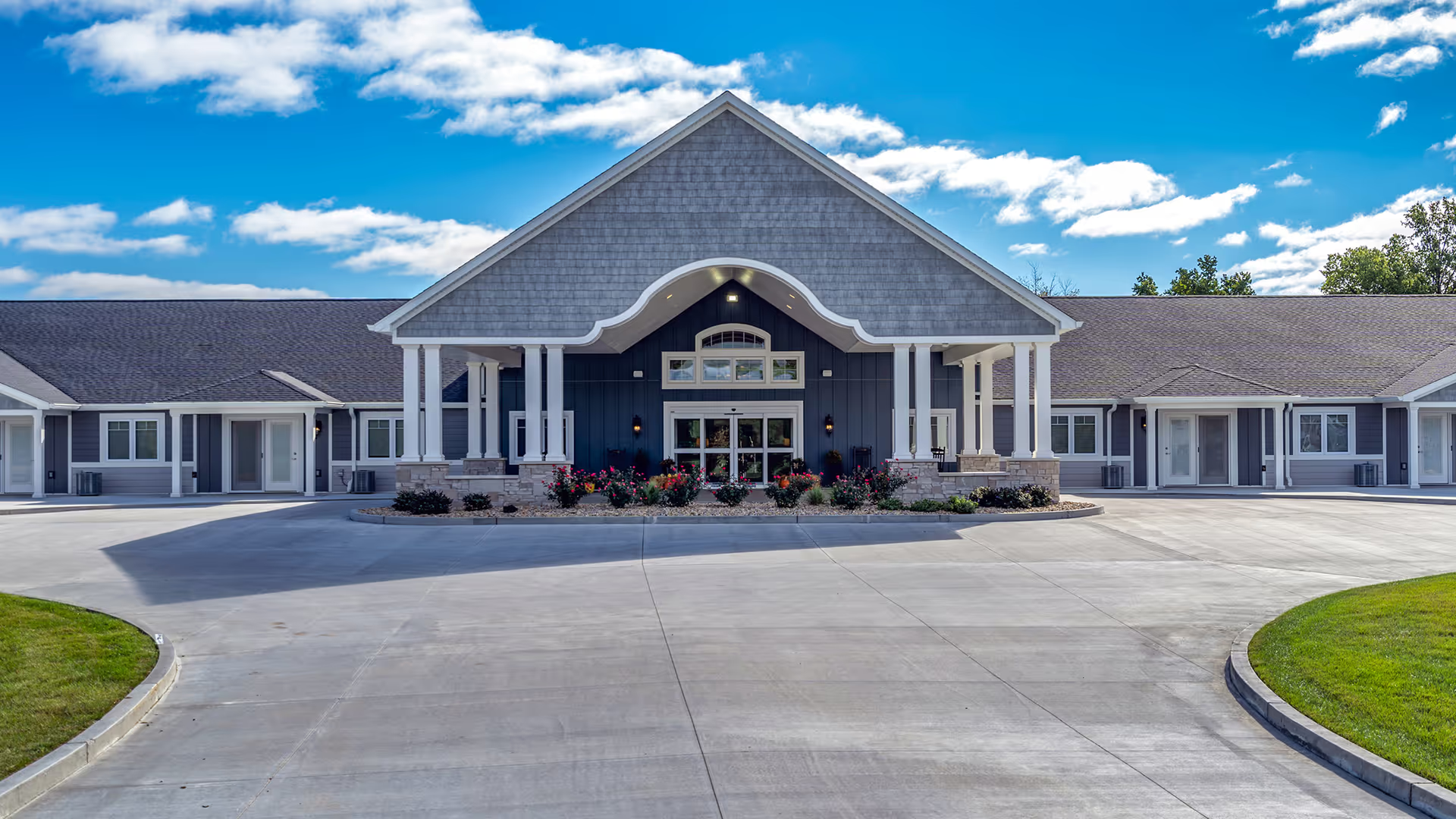
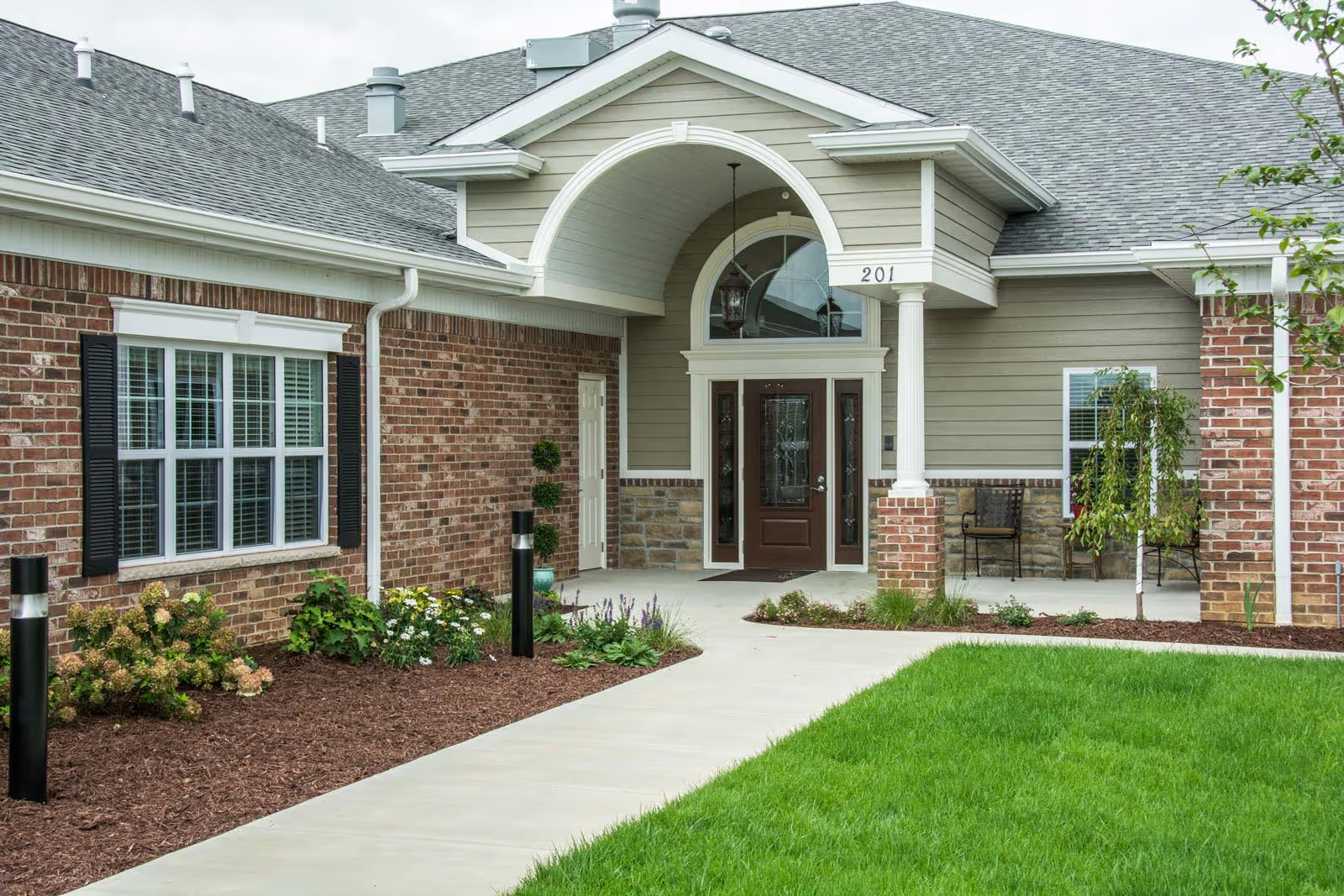
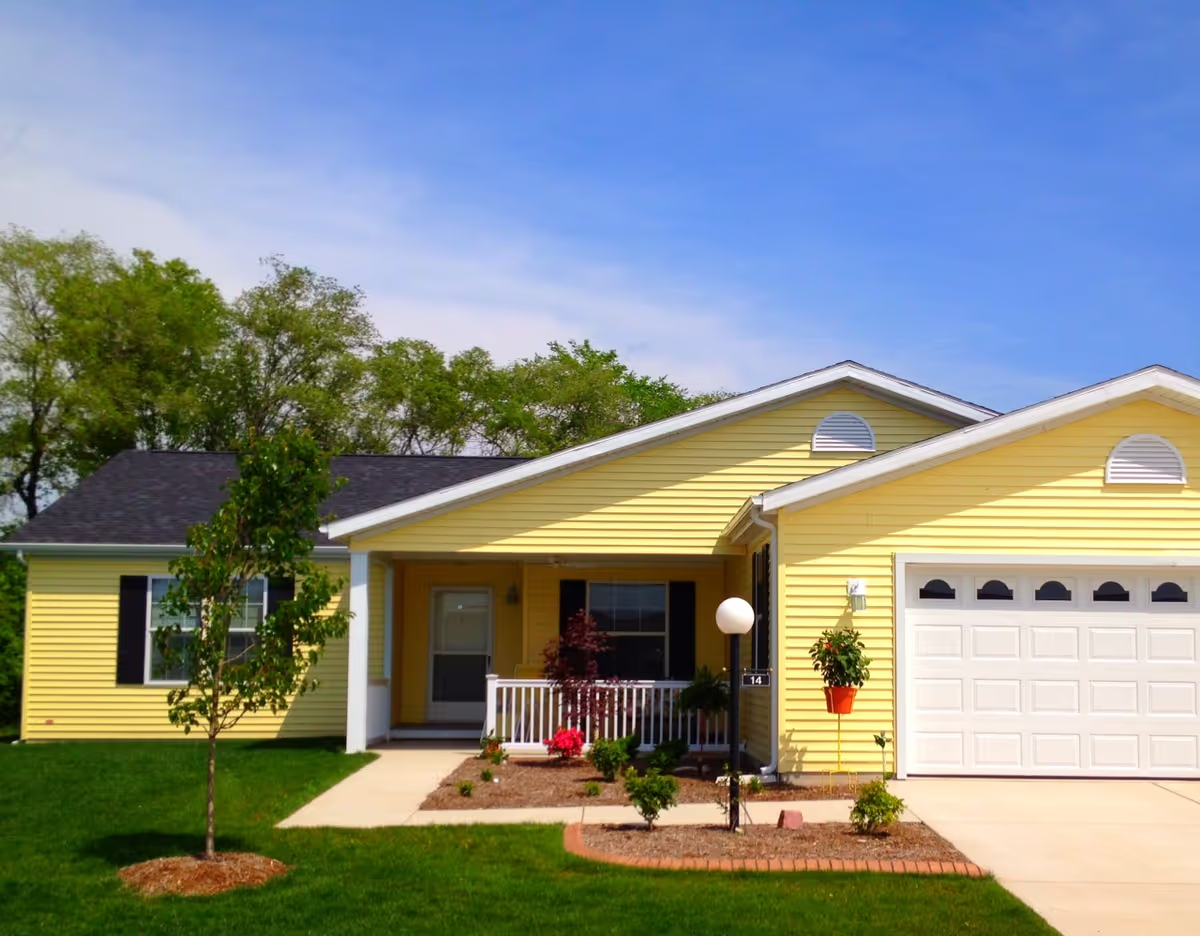
Reviewers consistently highlight a number of operational strengths at this Presbyterian-affiliated, not-for-profit senior living community. Financially, the community is described as competitively priced with meals and utilities included in the fee structure, which some families noted as lower than their prior residence. The ownership and management model appears to prioritize affordability and ongoing capital investment: recent construction and renovations (new duplexes and an apartment building, lobby updates) were mentioned alongside generally well-maintained interior finishes such as updated flooring, hallways, and communal living spaces.
Care and staffing are among the community’s stronger attributes in these summaries. Multiple comments emphasize caring, responsive front-line staff and competent nursing/medical coverage. Tour staff were described as friendly and informative, and several notes praise individual elements of care delivery, including the quality of clinical staff and the cook. Social tone within the community is portrayed as positive: residents are described as friendly and kind, and the activity director supports a varied program of exercise, library access, and events that contribute to an engaged atmosphere.
Dining is a visible area of mixed feedback. On one hand, meals are included in fees and culinary staff receive praise for tasty, well-prepared dishes; on the other hand, some reviewers described dissatisfaction with food quality. There is an operational layout issue tied to dining: the campus spans multiple buildings, and independent-living residents may need to move between buildings to access dining areas. This split-campus arrangement creates occasional inconvenience and contributes to variability in the dining experience between buildings.
Facility features and logistics are similarly mixed. Newer housing stock and attractive communal spaces are counterbalanced by smaller private apartment/bedroom footprints reported by some residents and by the practical effects of ongoing renovations (which can cause temporary disruption). The central location near shopping and restaurants is viewed positively for convenience and access to the surrounding community. Finally, infection-control measures affected some prospective-resident interactions (limited tours during outbreaks), which reflected a cautious approach to health events but also reduced immediate transparency for those touring the campus.
Overall, the pattern across summaries suggests a community with solid staffing and an active social program, strong points around affordability and facility investment, and recurring operational drawbacks centered on dining consistency, building layout, and unit size. Prospective residents and families should prioritize an in-person visit (when possible) that inspects unit sizes, samples meals in the specific building where the resident would dine, and discusses how management handles renovation scheduling and infection-control communication to ensure the community’s routines match the resident’s needs and preferences.