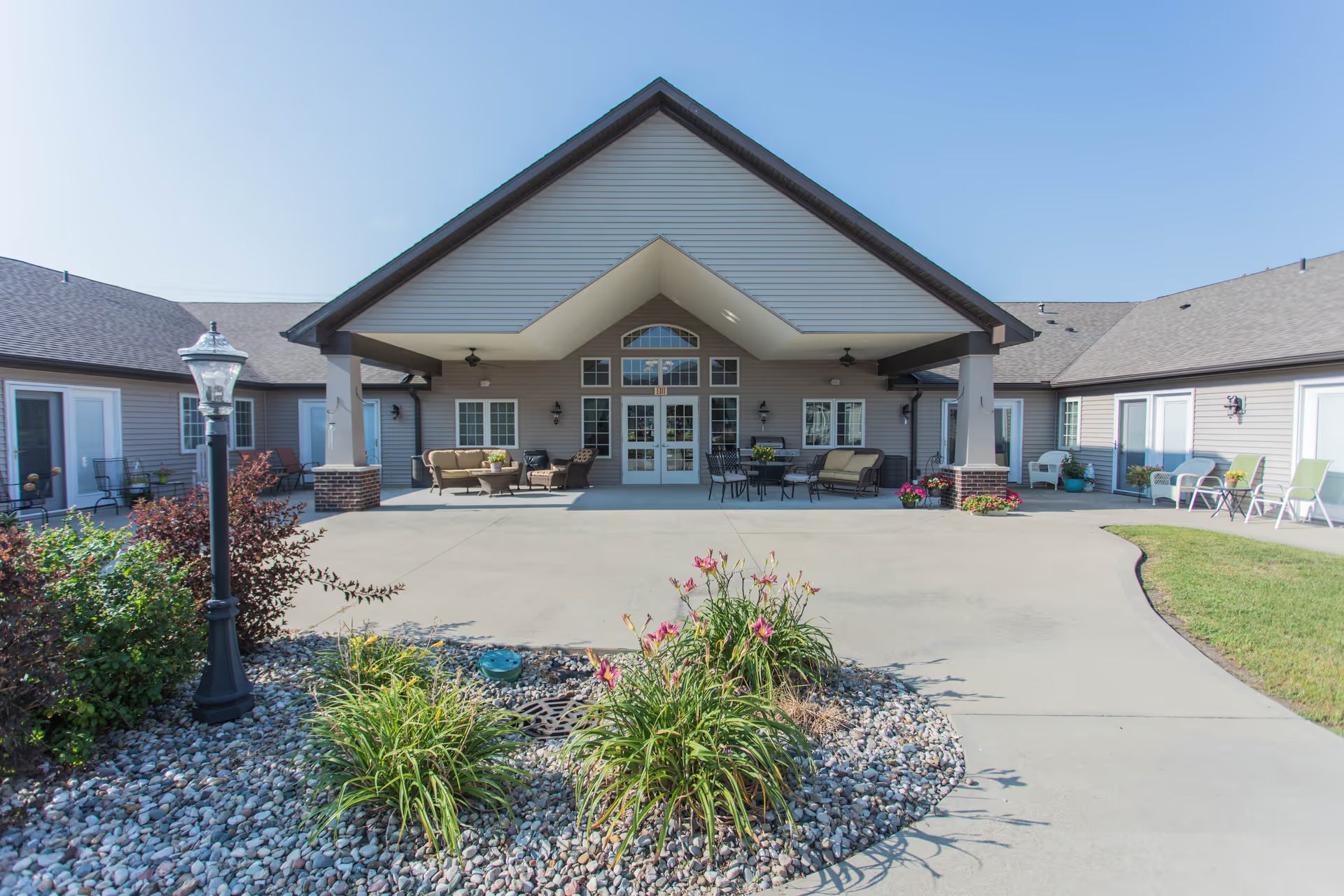
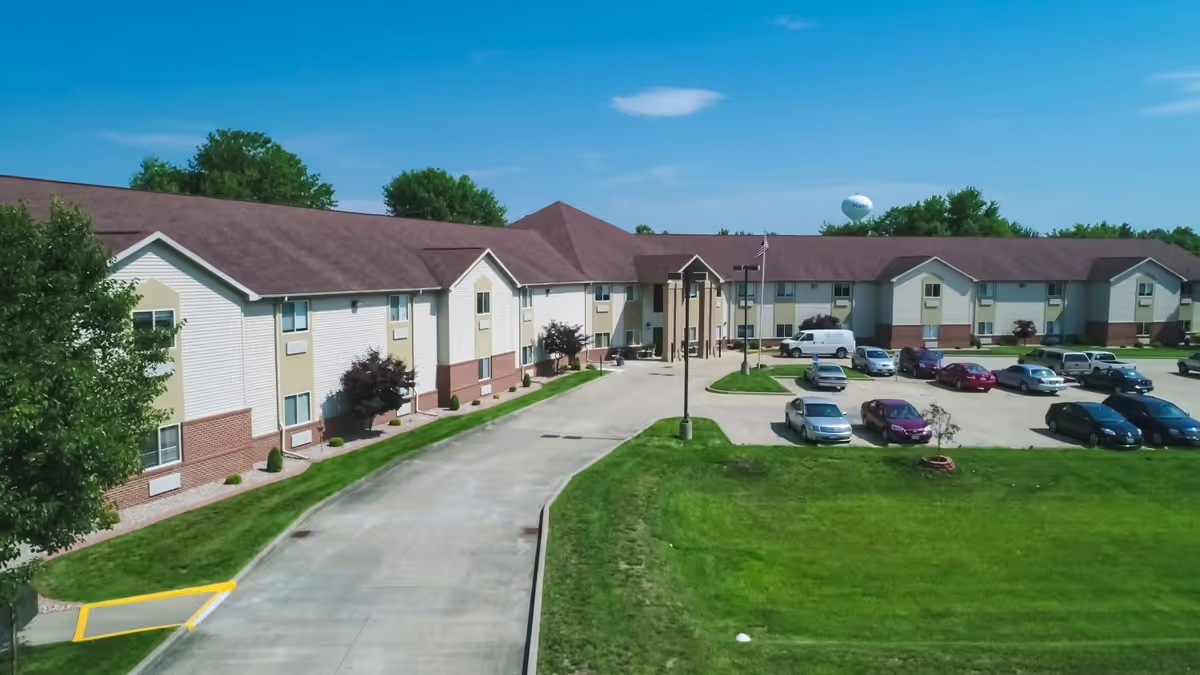
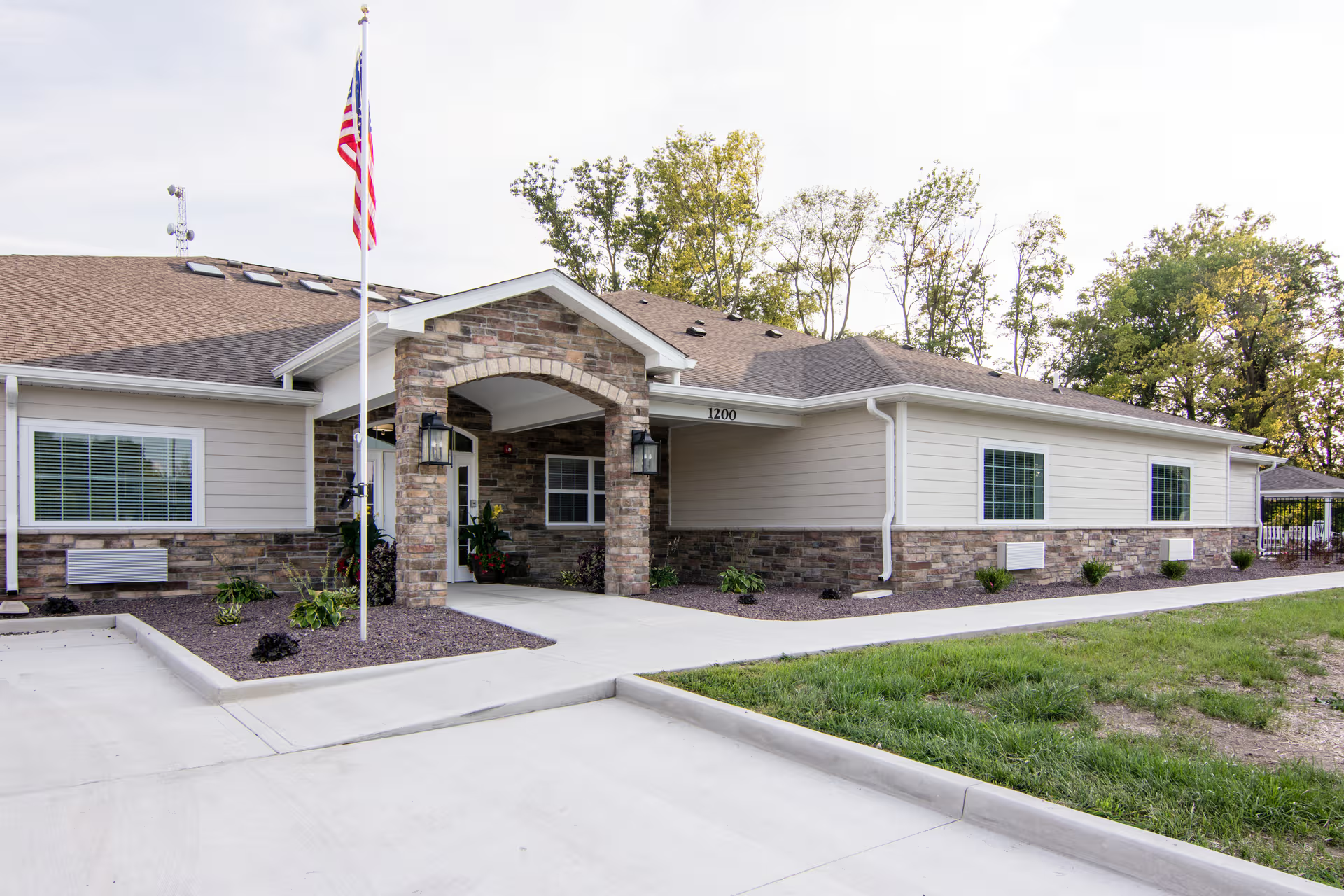
Haven of St. Elmo elicits strongly mixed impressions. Many reviewers describe a warm, family-oriented culture with long-tenured staff, a strong therapy department, and supportive leadership; these positives are credited with meaningful clinical gains for some residents and easy access to transportation and structured activities. The facility also has a dedicated Memory Care unit and outdoor, fenced garden space, and official indicators such as a high Medicare rating and deficiency-free survey are cited by advocates.
At the same time, reviews reveal a set of recurring operational concerns that prospective families should evaluate. Several accounts point to inconsistent staff conduct and communication, including variable responsiveness between daytime and night shifts and reports of brusque interactions. Relatedly, clinical coordination appears uneven in some cases: reviewers describe delays or inconsistencies in wound management, medication availability, and timely medical attention. These issues suggest gaps in clinical protocols, handoffs, or staff training that can affect continuity of care.
Equipment, supply, and safety practices are another pattern. Problems described include failures in ensuring necessary medical supplies and difficulty accessing or operating equipment, which underline weaknesses in medical-supply management and device provisioning. Mobility and pressure-injury prevention practices are also a concern in some accounts, with descriptions indicating that resident positioning, transfers, or activity promotion are not always consistently implemented. Safety monitoring and roommate supervision were raised as operational areas needing improvement.
Facility infrastructure and service delivery show contrasts: the therapy and activities programs receive consistent praise, but food quality, bathroom condition, and bathing frequency are noted as uneven. Several reviewers mention dated fixtures and equipment that can impede comfort or care (for example, older beds or limited shower access), pointing to facility-maintenance and sanitation issues. Administrative areas such as billing, insurance handling, and documentation controls were also cited as problematic by some families, and there are isolated allegations of missing equipment and paperwork that underscore the need for clear inventory and record-keeping practices.
In summary, Haven of St. Elmo offers clear strengths in personal attention, rehabilitation services, and a small, community-oriented environment, supported by experienced leadership and a secure memory-care setting. However, variability in clinical coordination, supply and equipment management, night-shift responsiveness, and some aspects of facility maintenance and service consistency create notable trade-offs. Families considering this facility should observe care routines, ask about wound-care and medication protocols, review supply- and property-access policies, and discuss staffing patterns across shifts to assess whether the facility’s strengths align with their loved one’s needs.