The reviews describe a facility with a clear split between positive interpersonal experiences and significant operational shortcomings. On the positive side, reviewers cite individual caregivers who are motivated, compassionate, and effective at helping families navigate medical appointments and care coordination. Several accounts highlight a home-style culinary focus and a resident community that can be warm and closely connected; these aspects lead some families to endorse the facility and develop strong emotional bonds with staff and other residents.
Care-quality concerns are prominent in the feedback. Multiple reviewers noted delays in staff responsiveness to call bells and personal-care requests, as well as inconsistent assistance with bathing and continence needs. There are also reports of emergency transfers to higher-level care, which reviewers framed as evidence of gaps in clinical monitoring and escalation procedures. Together these observations suggest variability in day-to-day nursing and personal-care execution rather than consistently reliable clinical oversight.
Staffing and workforce issues are recurring themes. Reviewers describe chronic understaffing, high employee turnover, and uneven interpersonal conduct: some staff demonstrate empathy and engagement, while others exhibit poor communication tone or limited follow-through. This variability appears to affect both clinical responsiveness and resident experience. Reviewers also pointed to management and leadership shortfalls that may be contributing to inconsistent staffing, oversight, and accountability.
Dining and activities receive mixed commentary. The facility emphasizes cooked, home-style meals and has staff who take pride in food preparation, which some residents appreciate. However, there are also frequent mentions of meal-service lapses — meals not being served on time or portions being insufficient — indicating unreliable meal-service processes. Reviews provide little substantive information about recreational programming or formal activities beyond references to strong resident-to-resident relationships.
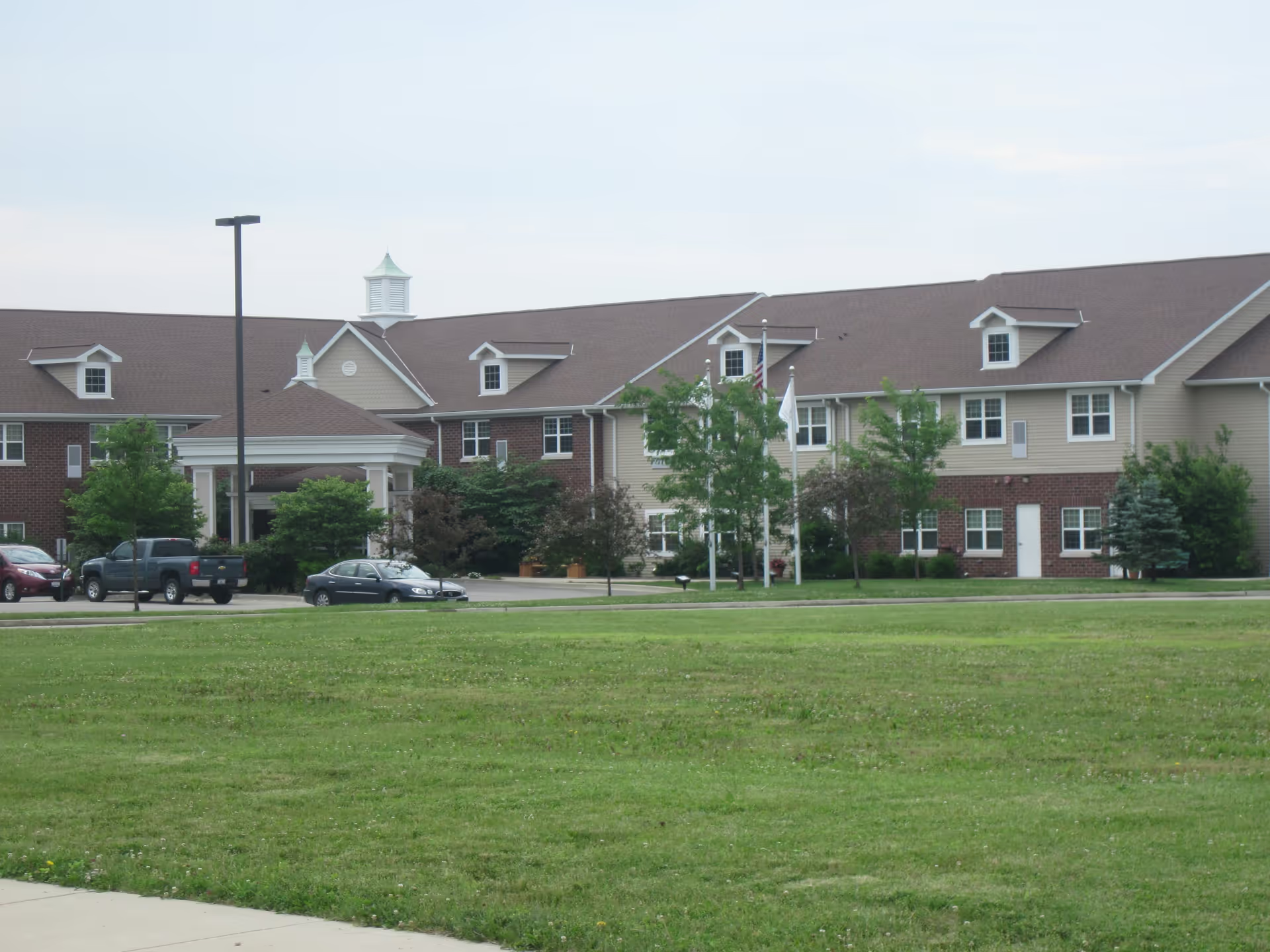
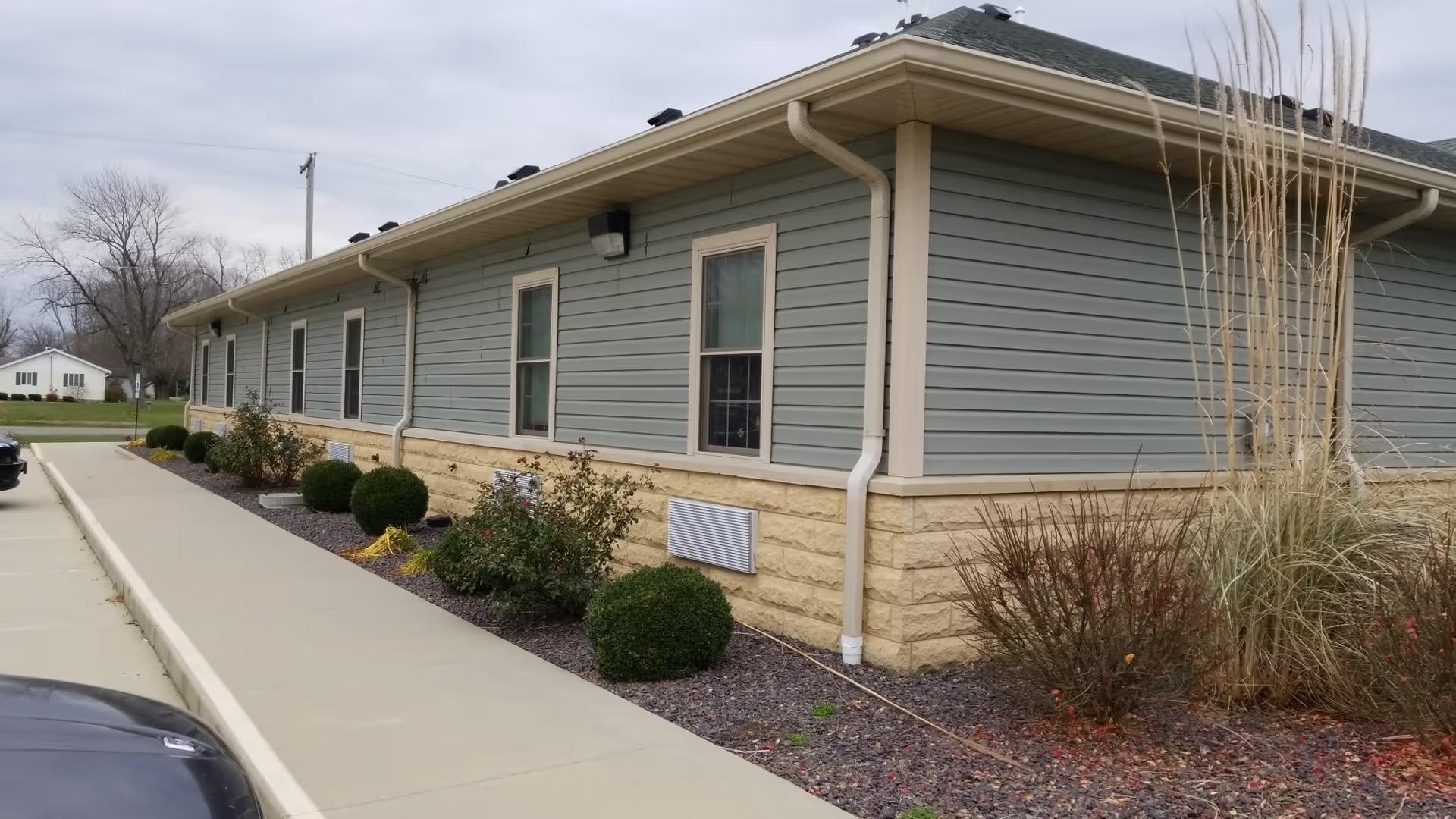
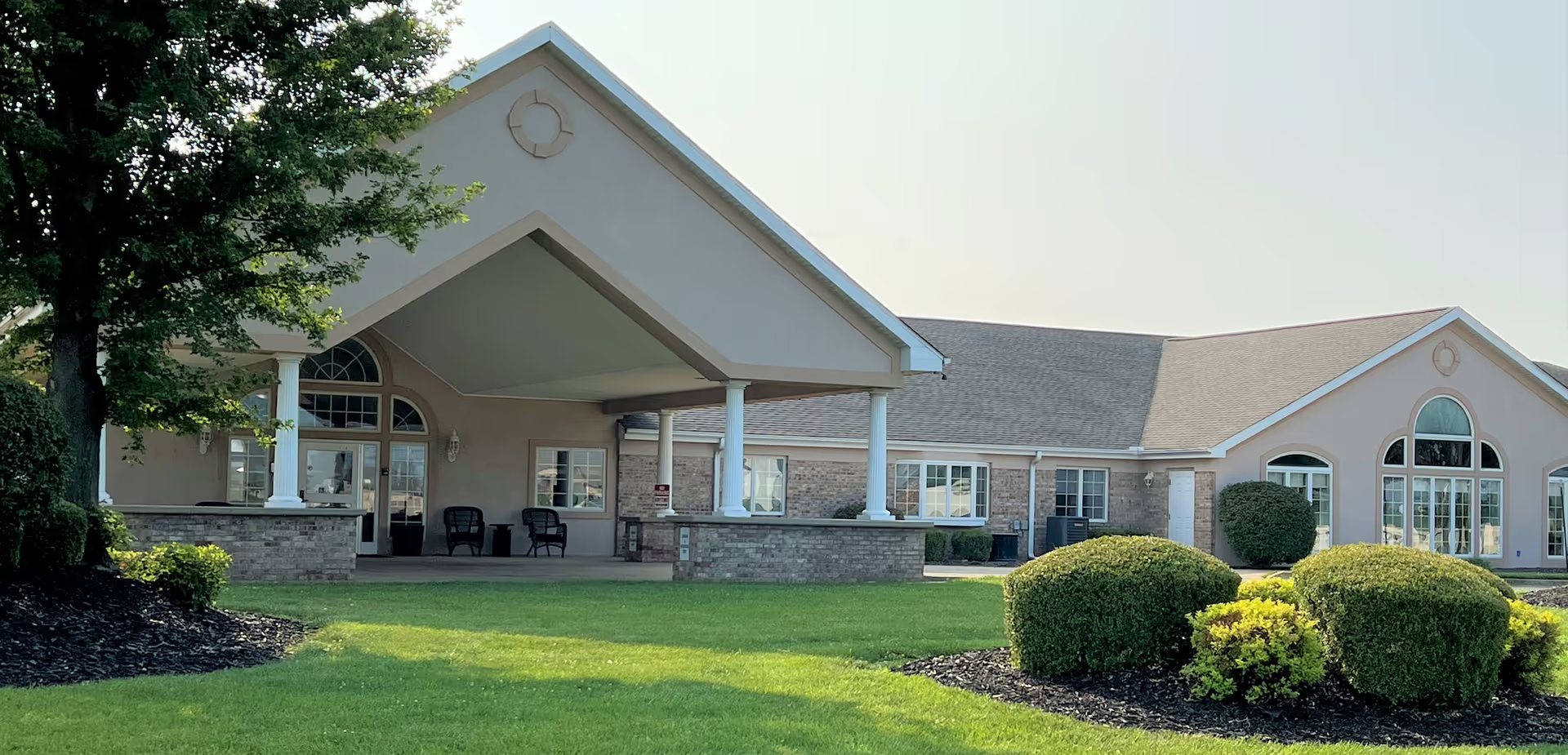
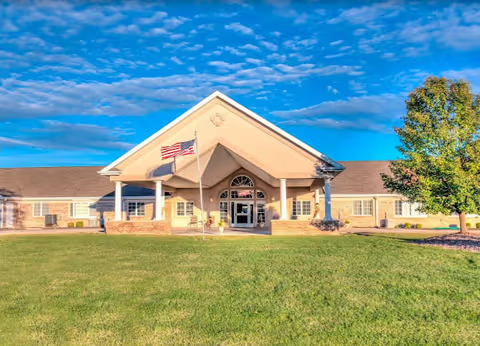
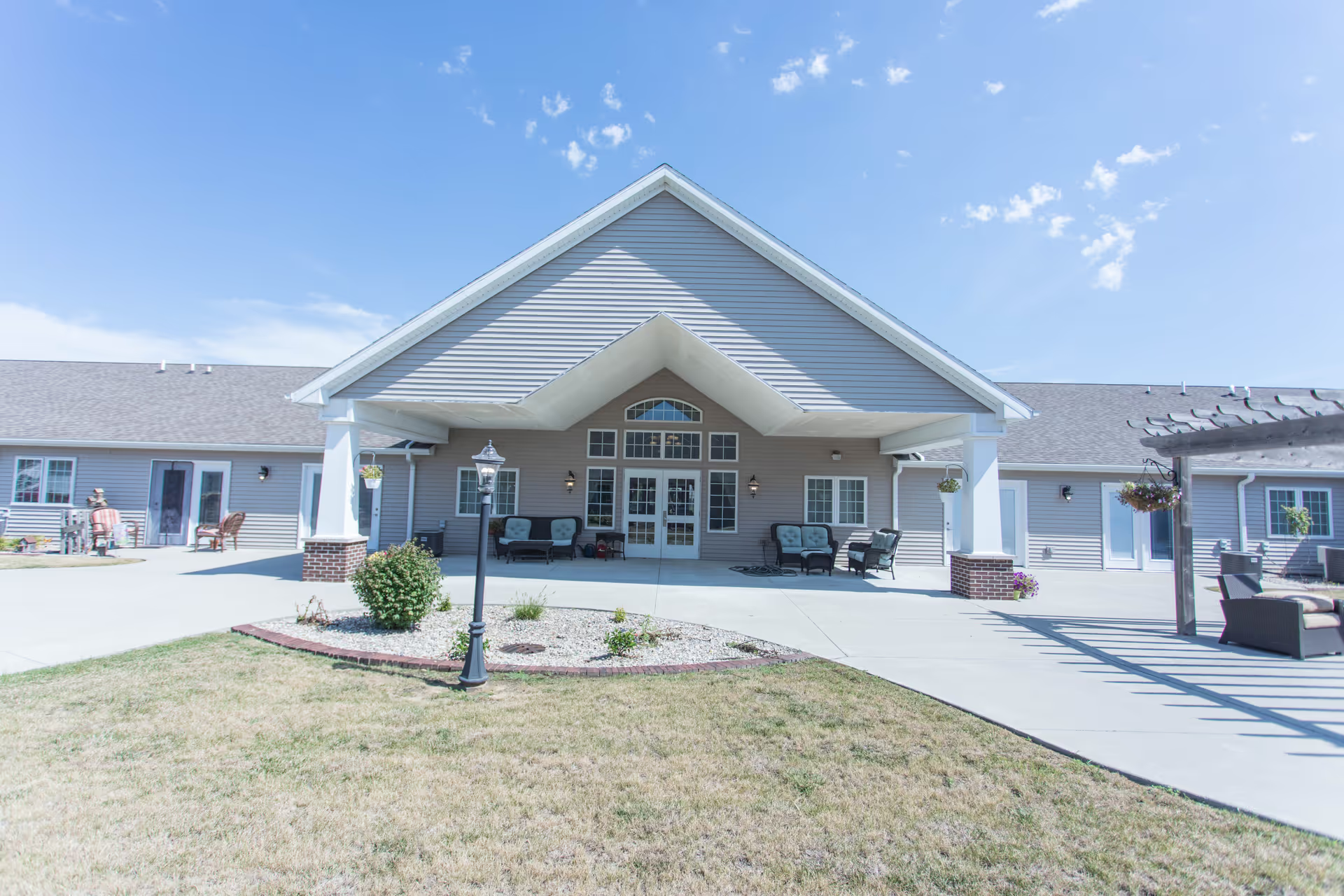
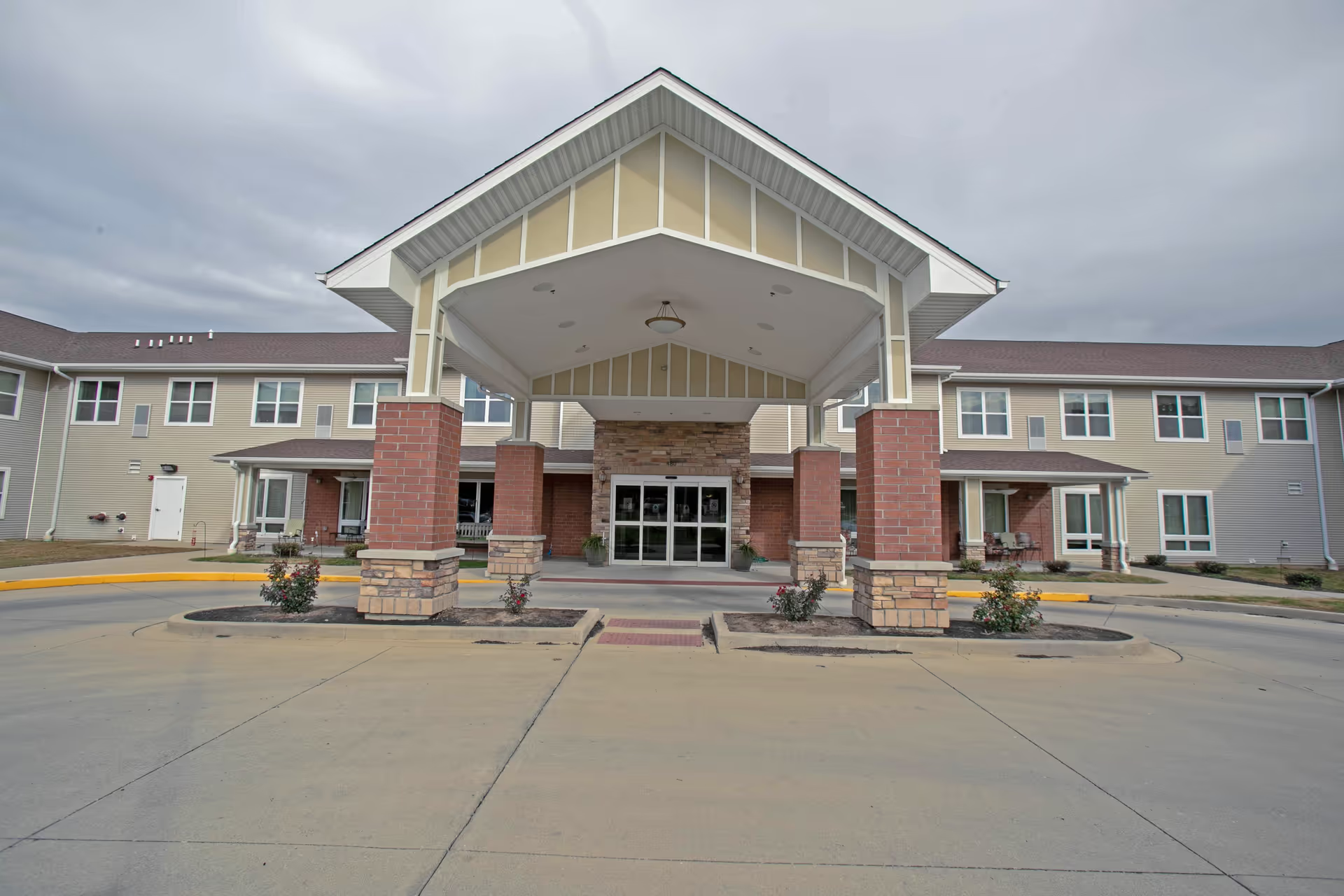
Physical plant and environmental concerns are another consistent pattern. Reviewers describe aging infrastructure, sanitation and odor concerns in certain areas, and housekeeping problems such as cluttered hallways and stored items in common spaces. These issues point to deferred maintenance and inconsistent environmental services rather than isolated incidents.
In balance, the narrative is mixed: families and residents sometimes find dedicated caregivers and a comforting social environment, yet systemic operational gaps — including staffing shortages, inconsistent personal-care practices, unreliable meal service, maintenance and housekeeping deficiencies, and perceived management failures — create significant risk factors for a less-than-consistent standard of care. Prospective residents and families should weigh the presence of compassionate individual staff members against these recurring operational concerns, and, when possible, seek recent compliance and inspection records, ask about staffing ratios and turnover, and arrange an in-person visit during multiple times of day to assess responsiveness, cleanliness, and meal-service reliability.