High Point Residence Taylorville receives frequent praise for its compassionate, family-like staff and its dementia-focused, smaller-scale environment. Many families highlight attentive caregiving, helpful transition support, and a welcoming admissions process. Interior cleanliness, housekeeping, and laundry services are consistently mentioned as strengths, and the facility offers a range of social opportunities — a structured day program, group events (bands, choirs, church services), and scheduled outings using a resident van — that support socialization and friendship formation. Short-term rehabilitation and post-surgical stays also appear to be well-supported by staff who provide individualized hygiene and nutrition assistance.
Quality of clinical care is described as generally attentive by a number of reviewers, with several noting improvements in hygiene, nutrition, and weight following placement. Administrative responsiveness and proactive communication are recurring positive themes; many families describe managers and the administrator as accessible and helpful during transitions and discharge planning. At the same time, a subset of reviews included allegations of missing personal items and concerns about informed-consent processes and medication/device handling. These statements point to operational gaps rather than uniform practice problems: specifically, reviewers raised concerns about how the facility manages clinical incidents, communicates with families during emergent situations, and handles complex device use (for example, respiratory equipment).
Dining and activities present a mixed picture. The community runs notable events and regular religious services and provides opportunities for outings and social engagement, but several families said daily activity consistency could be limited for residents who do not participate in large-group events. Meal service is often described as cafeteria-style with variable freshness; reviewers also flagged inconsistent tracking of dietary restrictions. Housekeeping and laundry are strengths for many residents, though the earlier-noted property-loss concerns suggest a need to review personal-item controls and documentation.
Staffing and training show both strengths and variability. Many reviews celebrate direct-care staff as caring and invested, describing a family-like culture and staff who 'become family.' However, reliance on agency or contracted nurses and the presence of less-experienced resident-specialist roles were associated with variability in familiarity with residents and in staff conduct. Some families also reported intermittent delays in physician response and noted leadership turnover in clinical roles, which can contribute to uneven experiences.
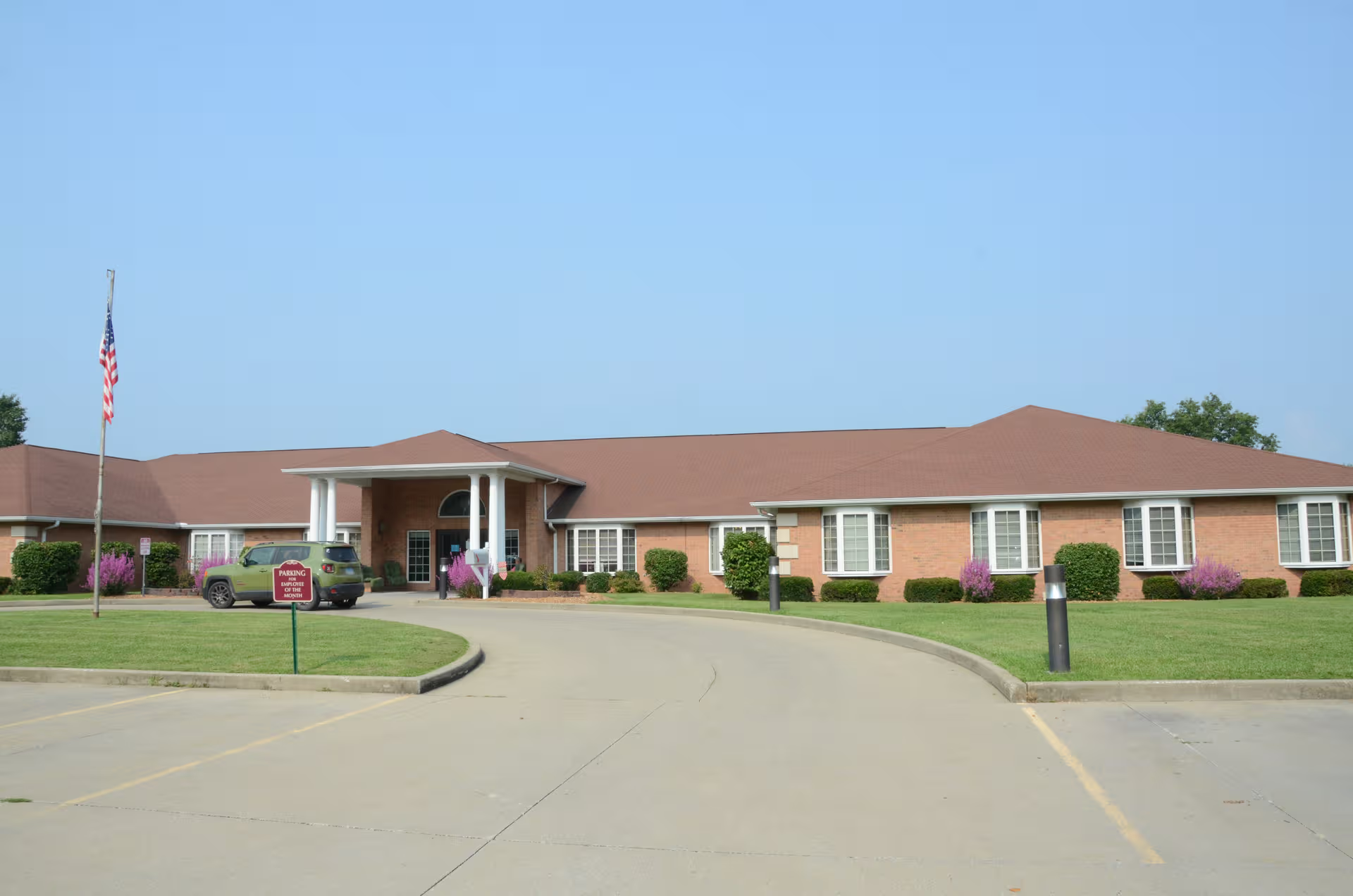
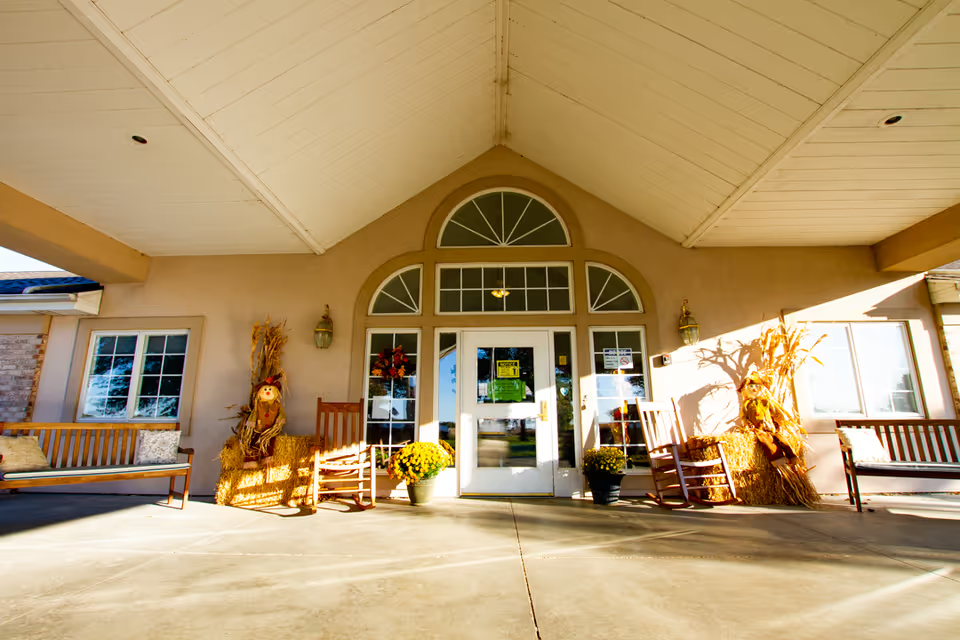
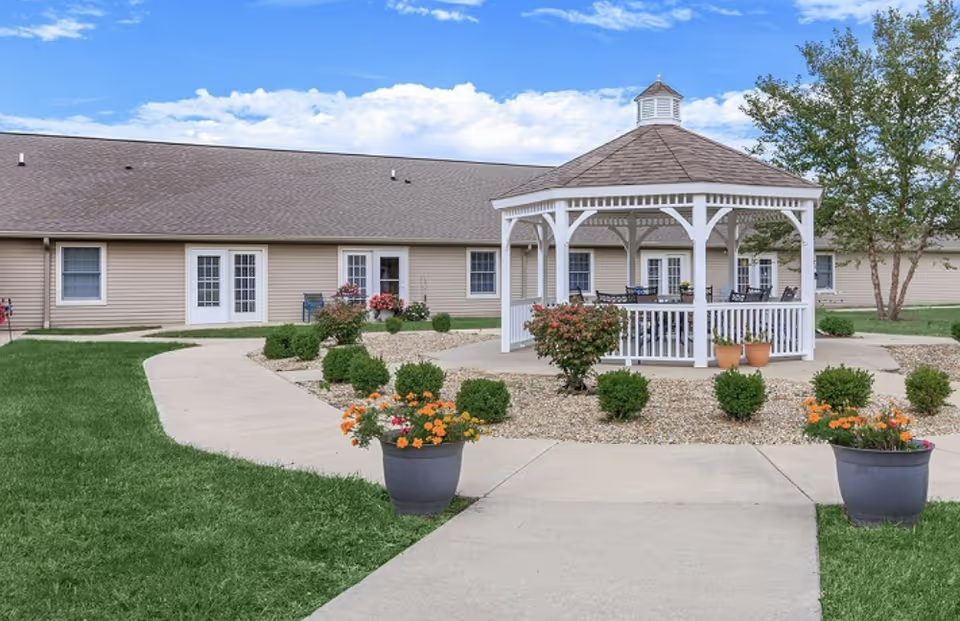
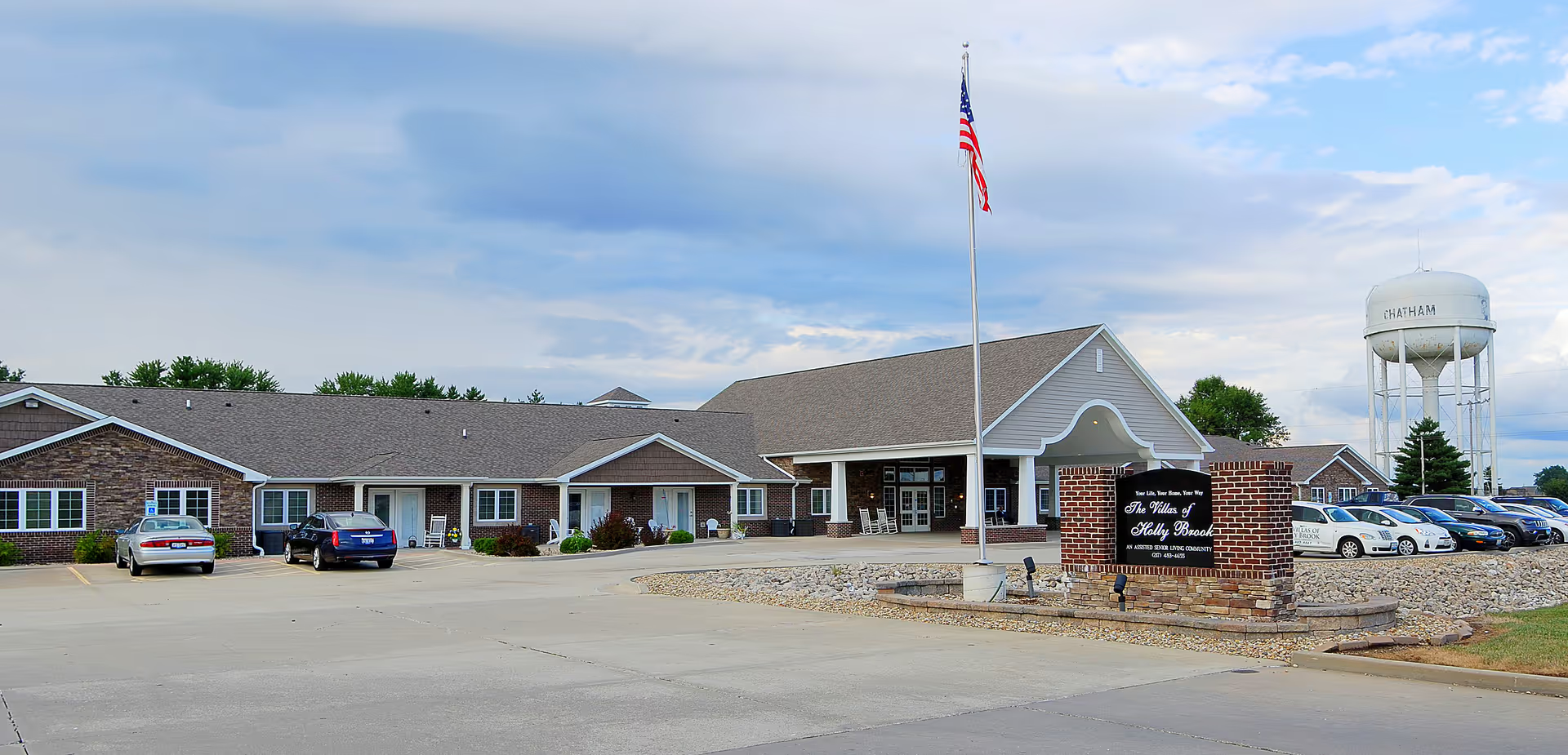
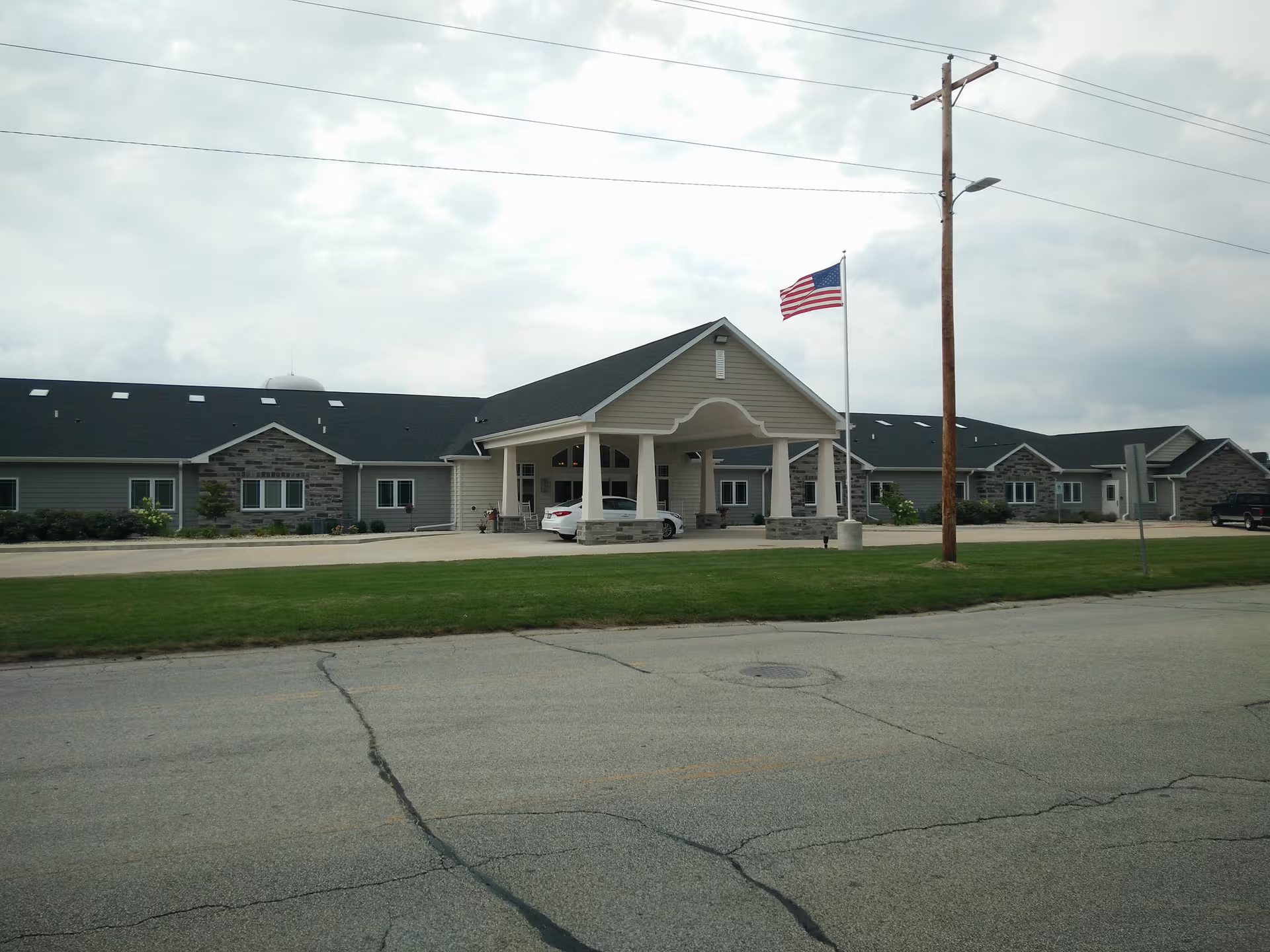
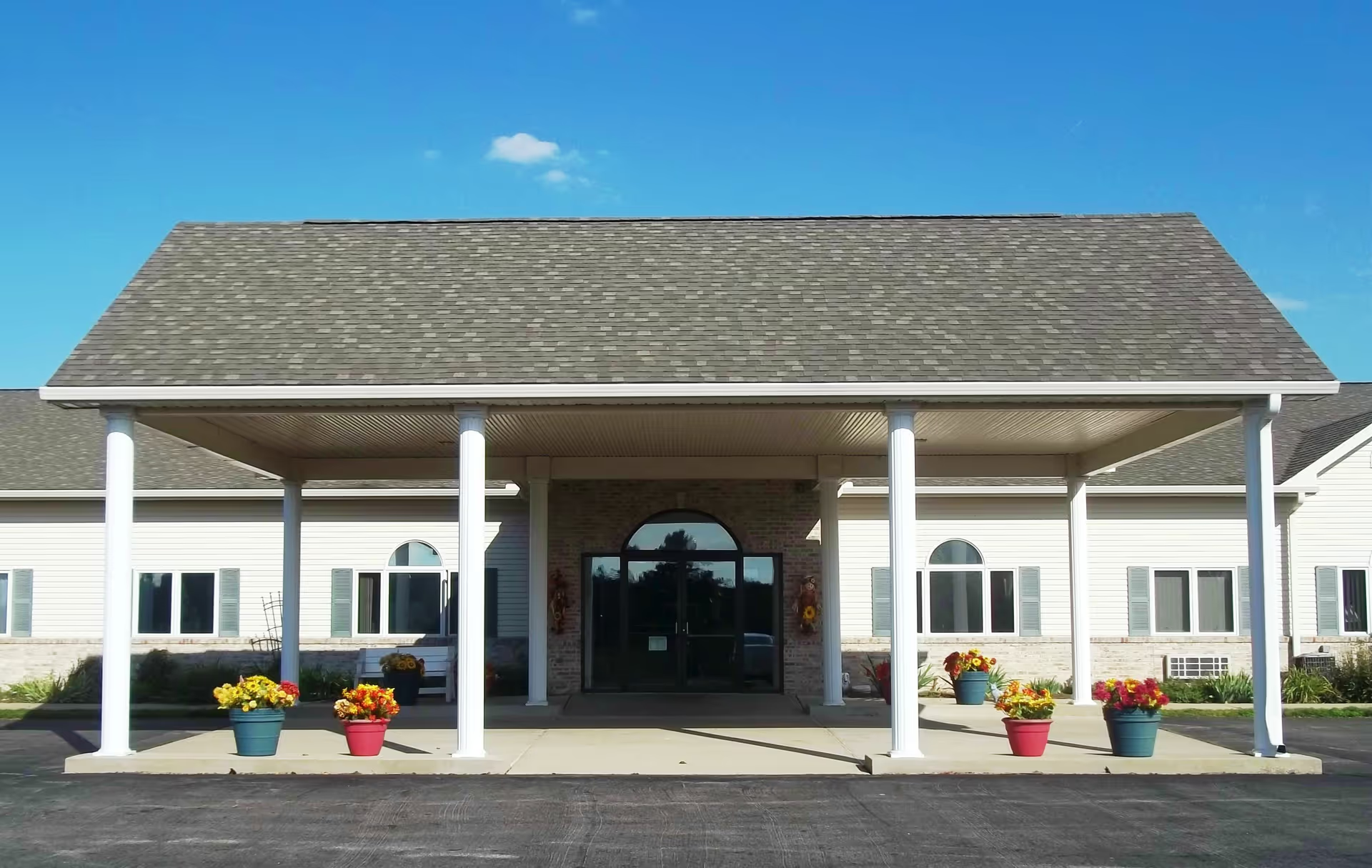
The facility's physical interior and layout receive positive remarks for being bright, homey, and well organized, with room-like units suited to memory care. Exterior maintenance was called out in a minority of reviews for inconsistent grounds upkeep and entrance-area debris, indicating the facility may prioritize interior maintenance but could improve outdoor and entryway care.
Overall, High Point Residence Taylorville is frequently recommended by families for its warm staff culture, dementia specialization, and social programming. Prospective residents and families should balance these strengths against operational areas that may require clarification: ask about clinical-incident response protocols, device and medication-management procedures, personal-property safeguards, staffing mix (employee vs. contracted staff) and training, and how dietary restrictions are tracked. A tour that includes conversations with the administrator and nursing leadership — and specific questions about the items above — will help assess whether the facility’s strengths align with an individual resident's needs and risk profile.