Aspen Creek of Troy elicits strongly mixed impressions. Many families describe a small, home-like memory-care setting with attentive, compassionate caregivers who provide highly personalized support. Positive accounts emphasize dementia-trained staff, one-on-one attention, and staff engagement in activities and therapy that appear to improve resident participation and communication. The facility’s scale — roughly a dozen residents in some accounts — is cited as an advantage for individualized routines, closer staff–resident relationships, and a comfortable, non-institutional atmosphere.
Care quality and staffing are the most polarizing areas. Positive descriptions highlight compassionate caregivers and nurses, effective dementia practices, responsive personal care, and staff who go above and beyond for residents. Conversely, several reviews raise operational concerns about inconsistent staff professionalism, lapses in clinical judgment, and variability in how nursing and medication-management tasks are handled. There are also references to supervision lapses that imply risk to resident safety. The presence of serious allegations of misconduct and suggestions of a cover-up in a small number of accounts heightens the importance of verifying current policies, incident-response procedures, and regulatory status during a prospective visit.
Dining and activities are generally strengths but with variability. Numerous families praise homemade meals, a pleasing menu, and a warm dining experience; others report lower satisfaction with meal quality and value. Activity programming is frequently described as varied and engaging — crafts, nail care, entertainment, patio interactions, and therapy-led sessions are noted — contributing to a lively, family-like atmosphere. Prospective residents should observe a mealtime and a group activity to assess consistency and fit for individual preferences.
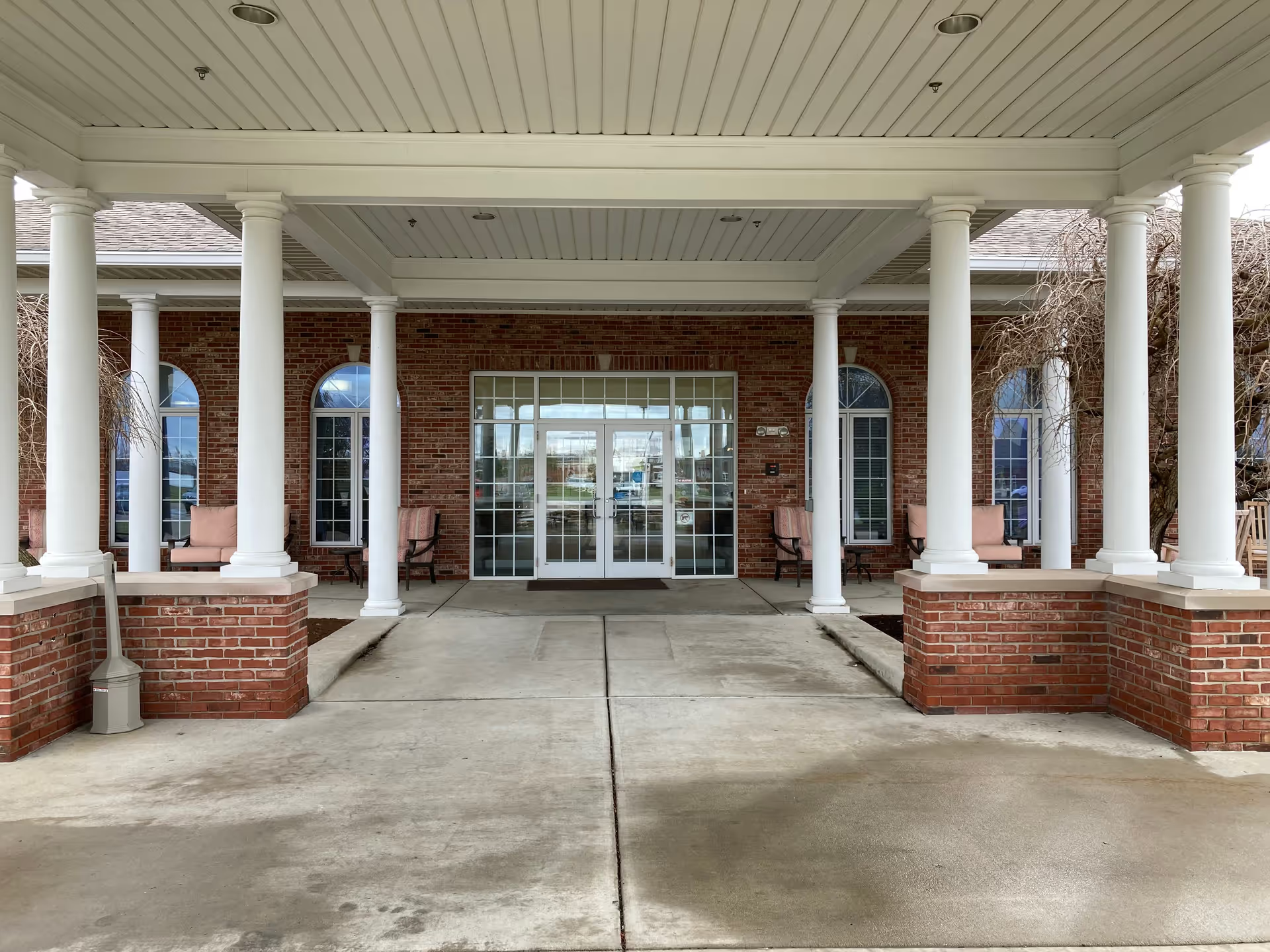
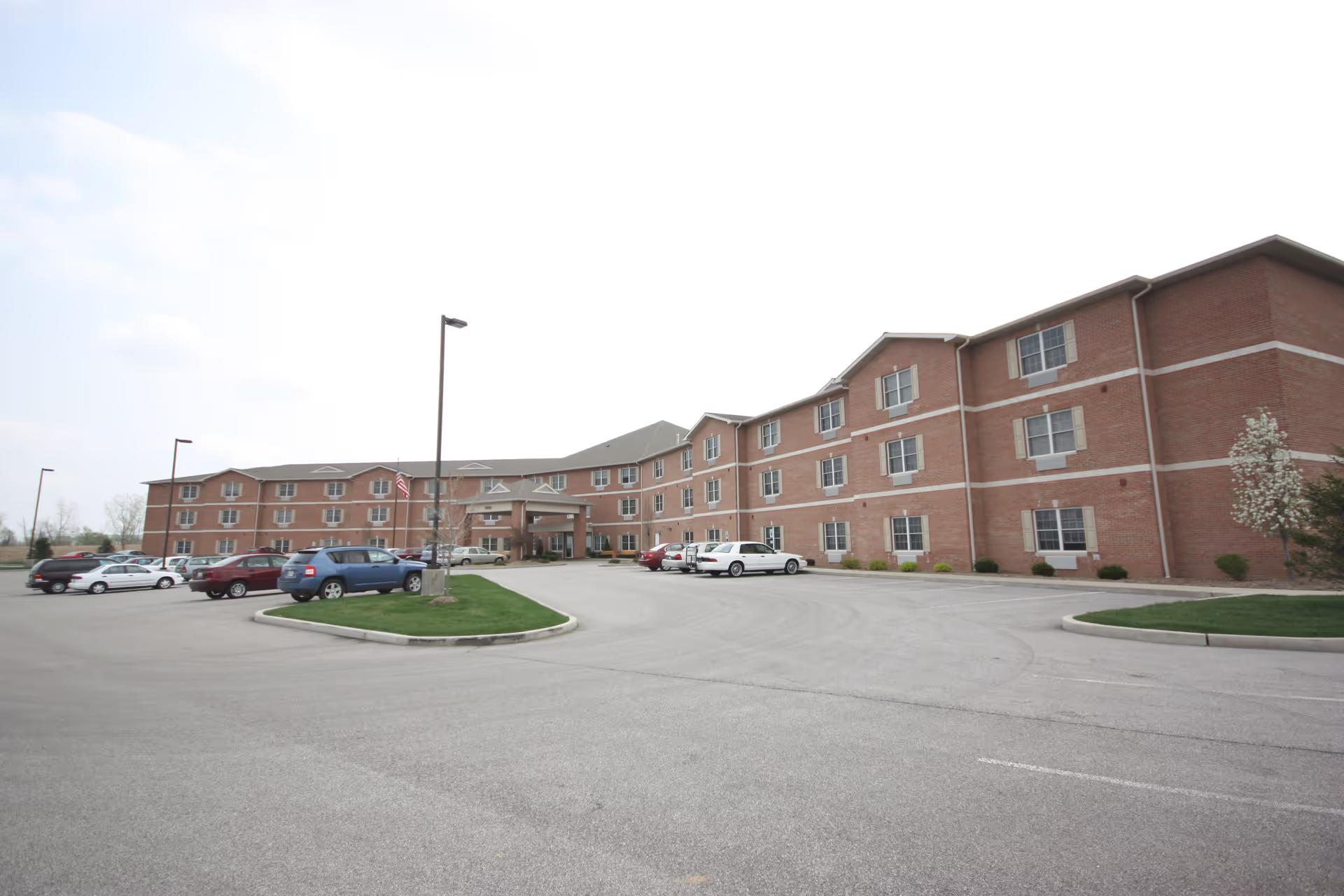
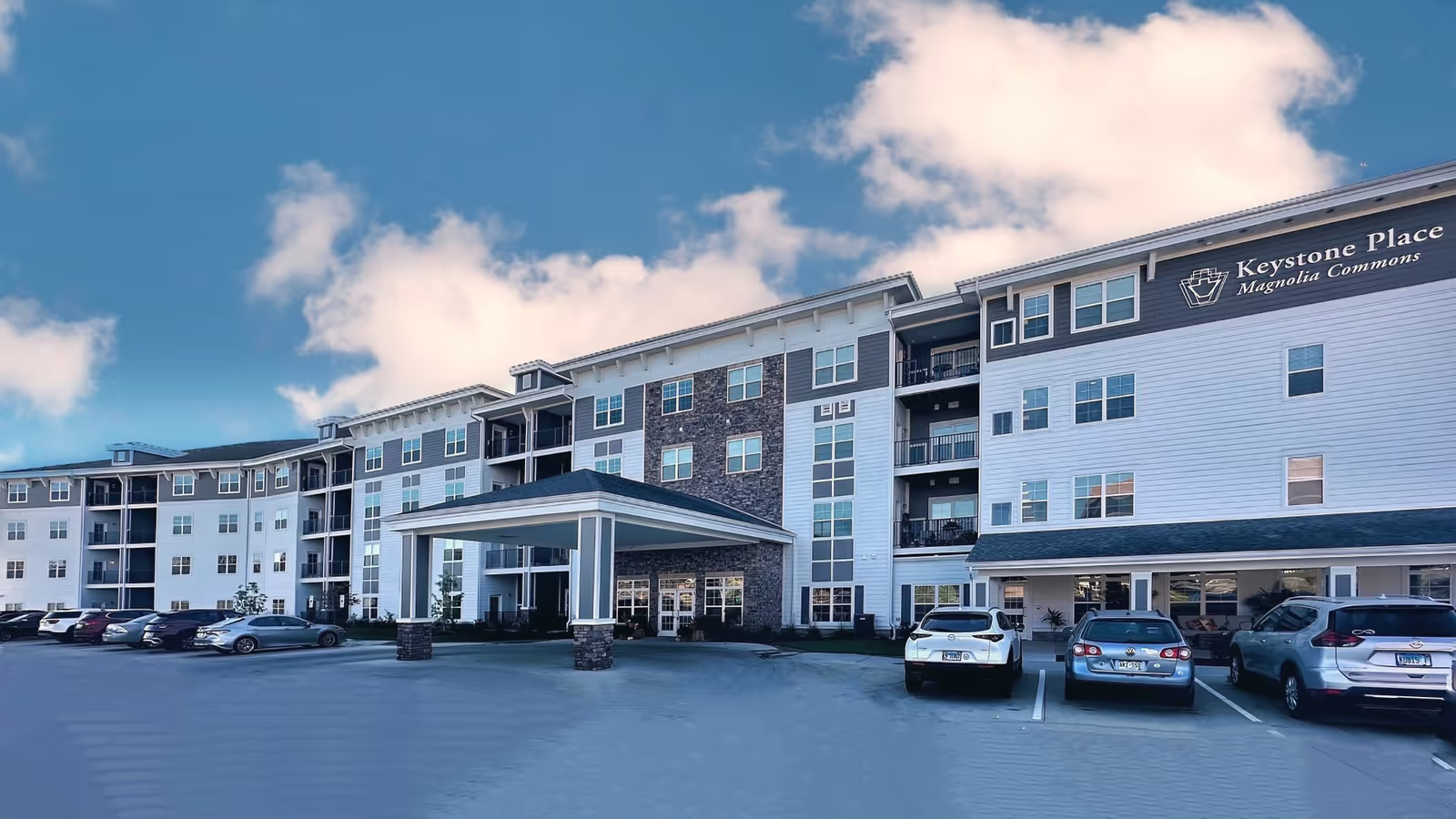
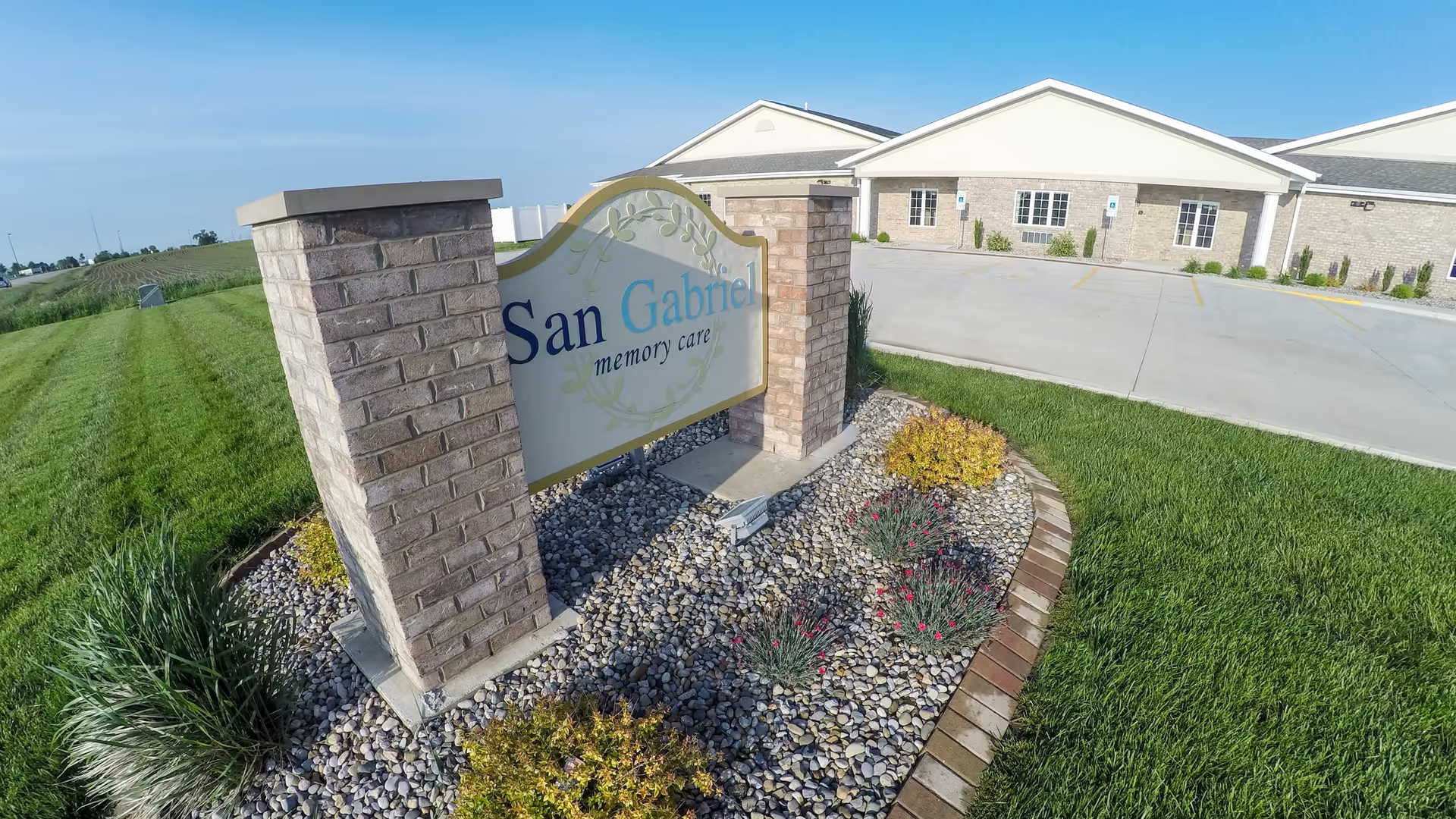
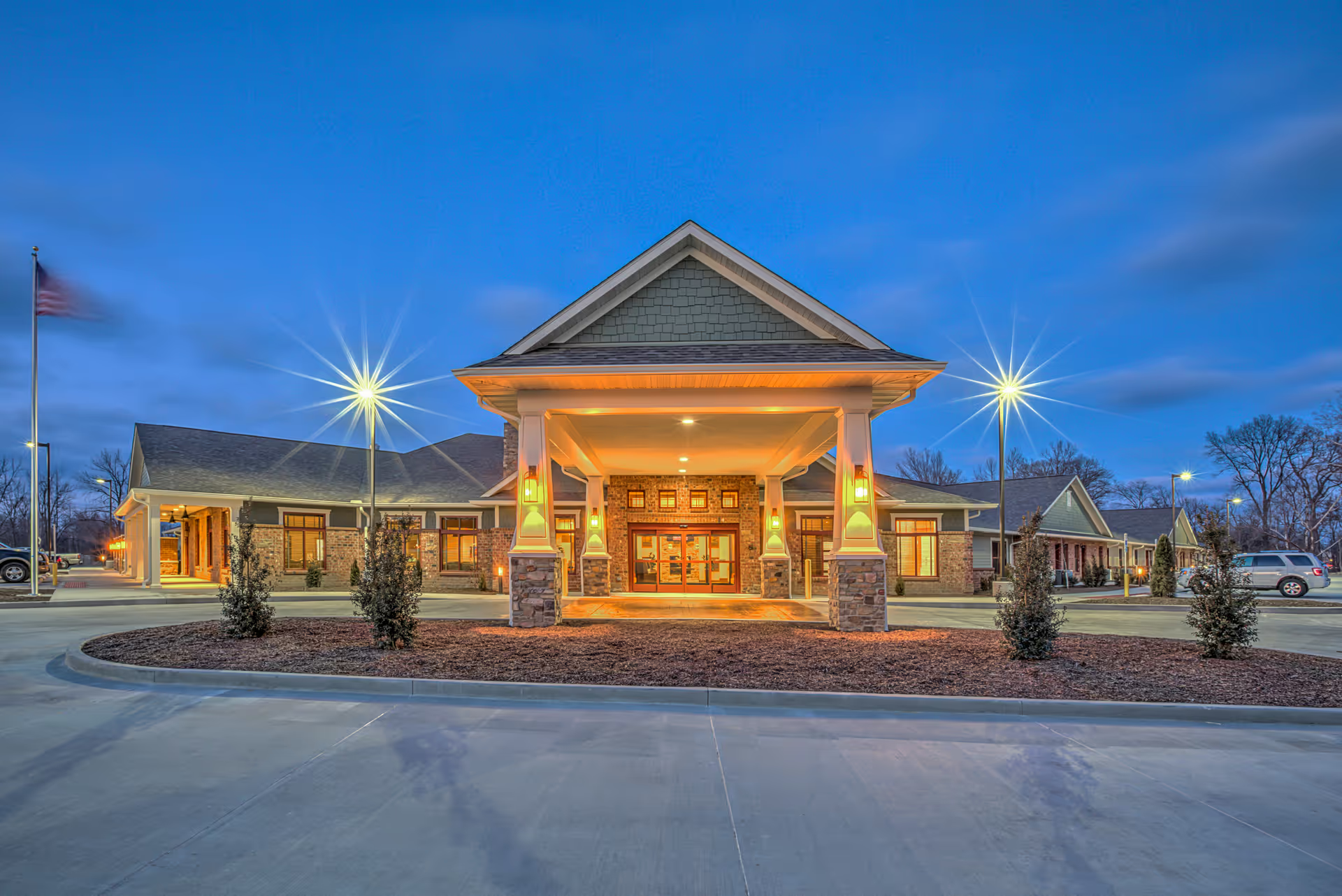
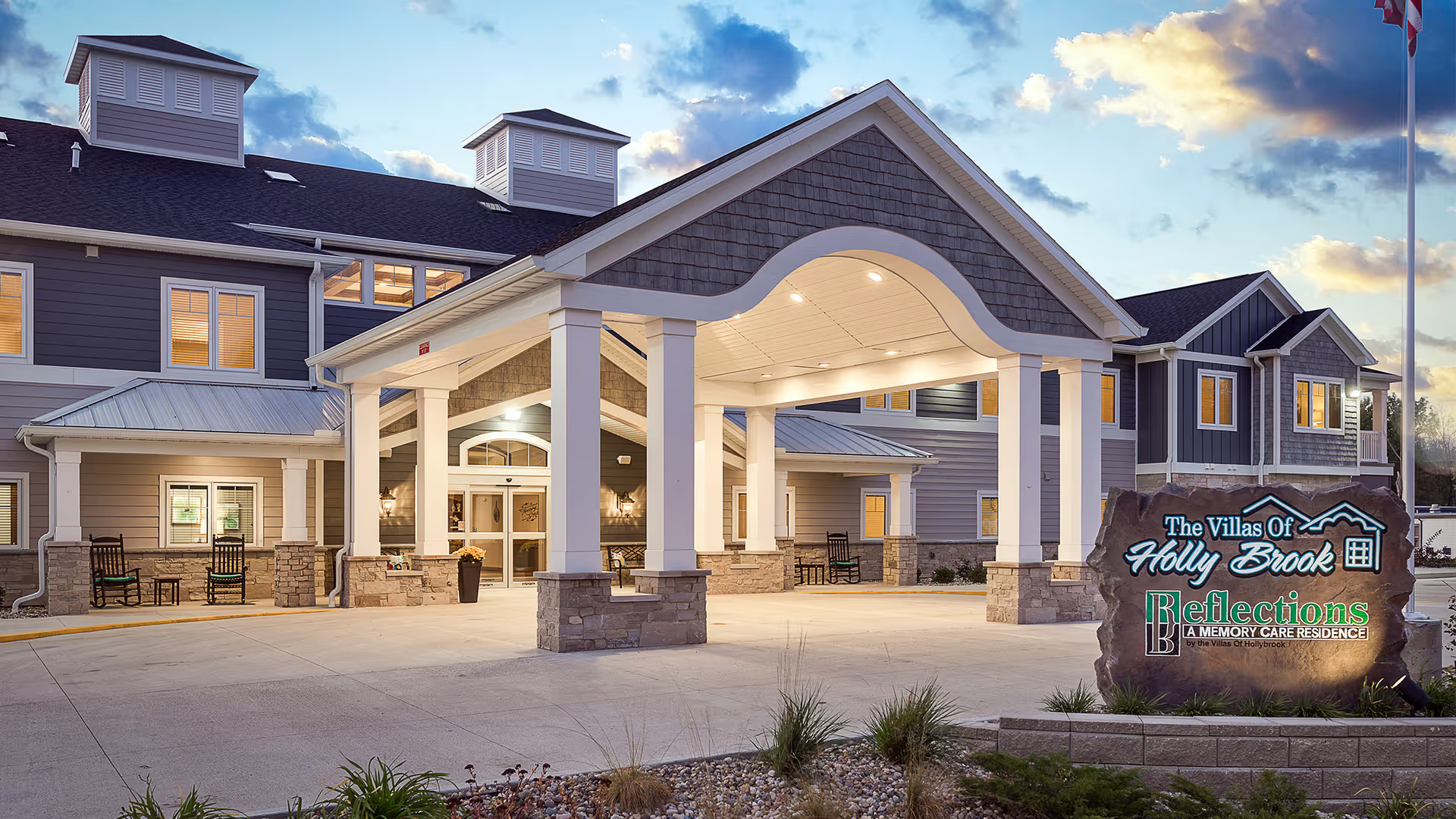
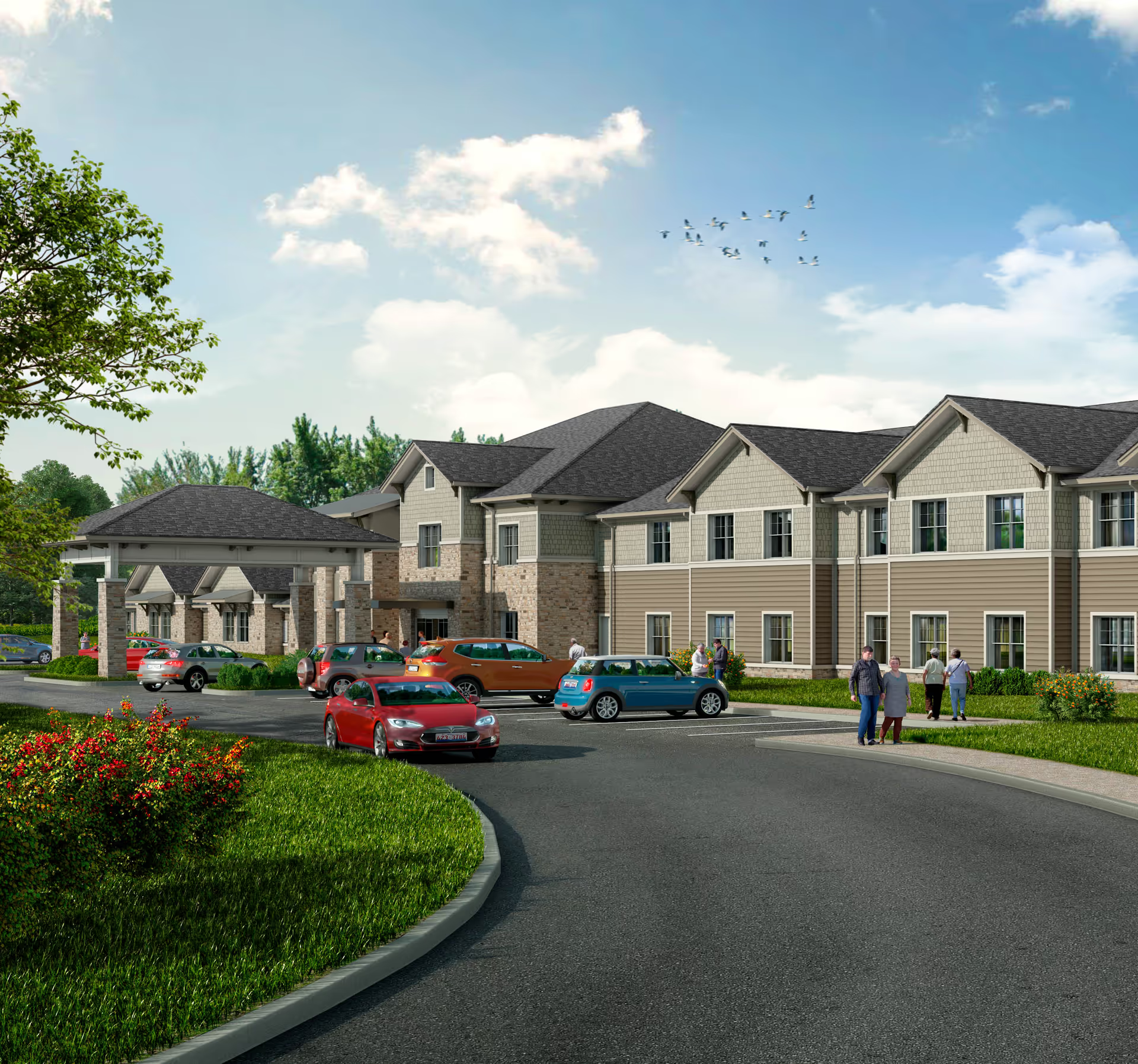
Facilities and environment are often cited positively: newer construction or well-maintained interiors, private rooms, cozy common areas, and outdoor patio space. The small scale supports a homelike feel and easier family involvement; respite and short-term stays are also available. However, some accounts note cleanliness or sanitation inconsistencies, which suggests housekeeping standards may vary depending on staffing or shifts.
Management, operations, and financial administration are additional areas of concern for some families. Positive reports mention smooth move-ins and accommodating staff; negative reports stress organizational disarray, unresponsiveness from management, and billing discrepancies or delays in refunds. These recurring operational themes point to potential gaps in administrative controls and communication practices rather than clinical skill alone.
Overall pattern and guidance: reviews cluster toward two outcomes — families who feel very satisfied with personalized memory care in a small, warm setting, and families who experienced organizational, communication, or safety-related problems serious enough to prompt strong criticism. For prospective residents and family members, recommended due diligence includes: touring during activity and meal times; observing staff–resident interactions; asking about staffing ratios, staff training (especially dementia care), supervision and elopement-prevention protocols; requesting written policies on incident reporting and grievance resolution; and obtaining clear, itemized billing procedures and references from current families. Verifying licensure records and recent inspection or complaint history with state regulators is also advisable given the nature of some allegations.