Overall impression: Reviews present a mixed but distinct pattern. Many families and residents praise the frontline caregiving team — CNAs, nurses, and therapists are repeatedly described as compassionate, attentive, and effective in rehabilitation. Several accounts highlight quick responses to call lights, proactive therapy that aided recovery, and staff members who go beyond routine duties to support residents’ emotional needs. The facility projects a home-like culture with celebratory programming (holidays, birthdays), welcoming staff interactions, and a strong sense of community among residents and families.
Care quality and staff: Clinical strengths are concentrated in hands-on caregiving and therapy services. Reviewers consistently note skilled PT/OT/ST interventions, caring CNAs, and nurses who provide attentive bedside care and family communication. At the same time, there is variability in staff competence and consistency; some reviews describe excellent individual caregivers while others describe inconsistent performance across shifts. Staffing shortages and uneven coverage are cited as an operational constraint that appears to affect service continuity at times.
Dining and activities: Dining receives generally positive comments — meals are described as enjoyable and accommodating to resident preferences. Activity programming, including Memory Care offerings, is noted as engaging and helpful for socialization and mood. Community events and holiday meals are emphasized as strengths that contribute to resident well‑being and family satisfaction.
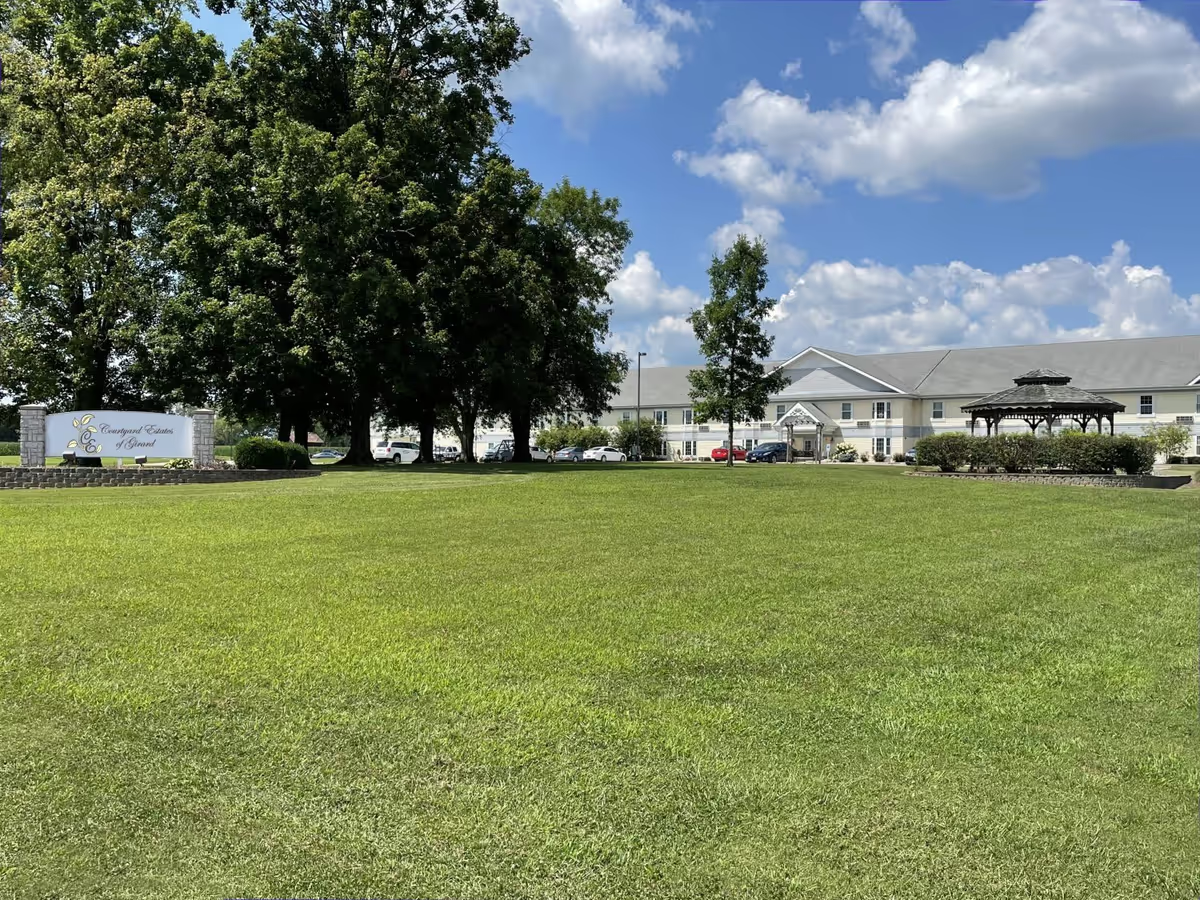
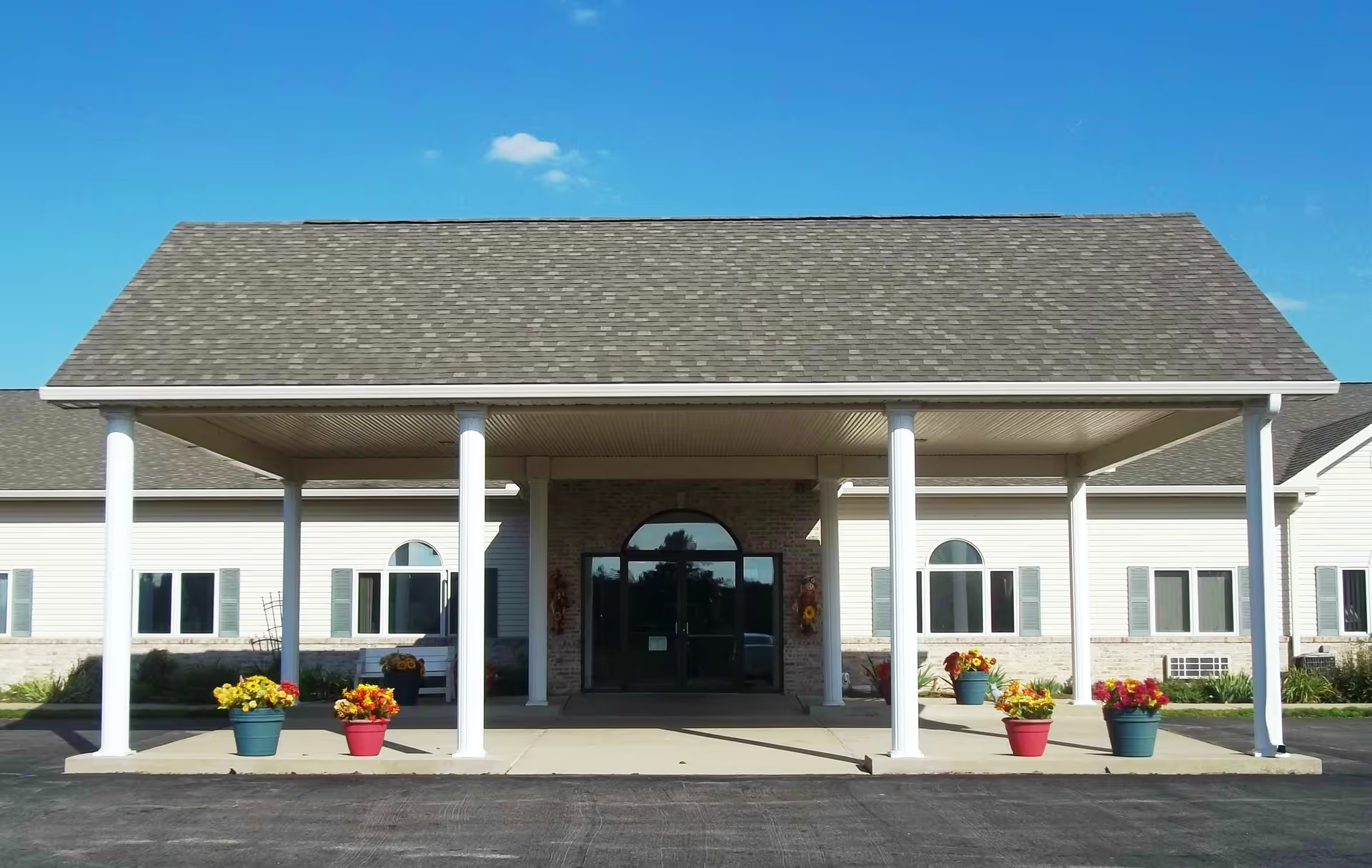
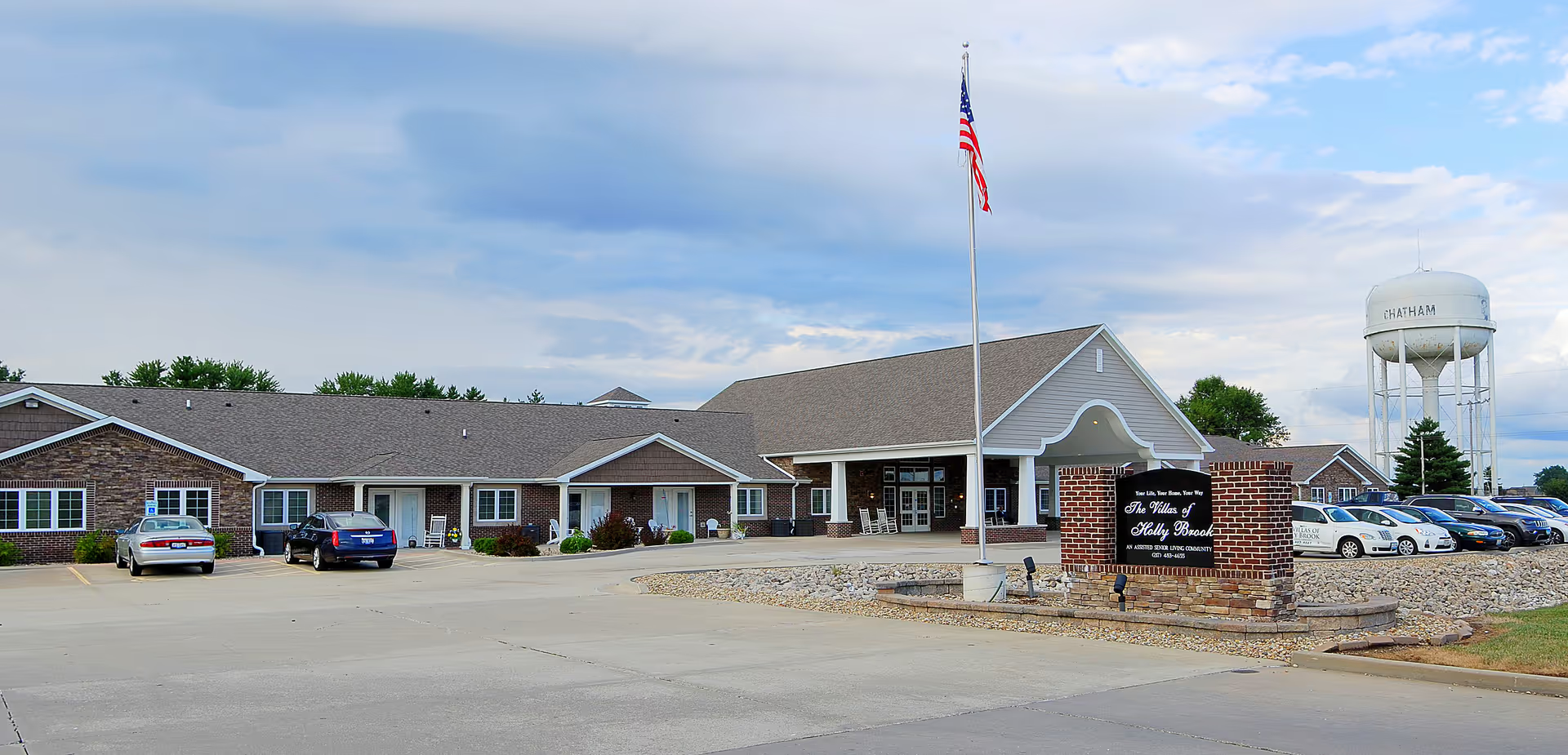
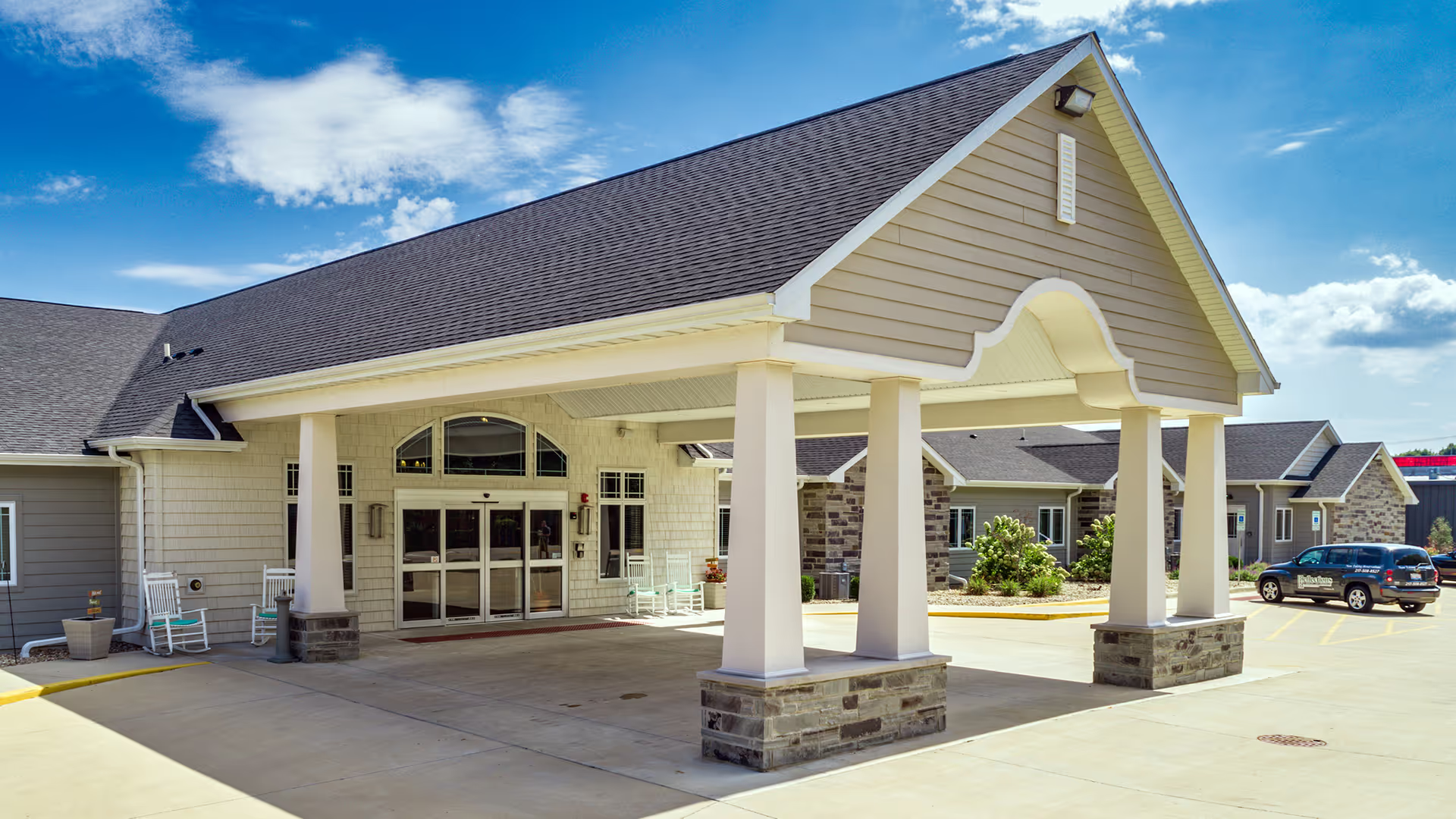
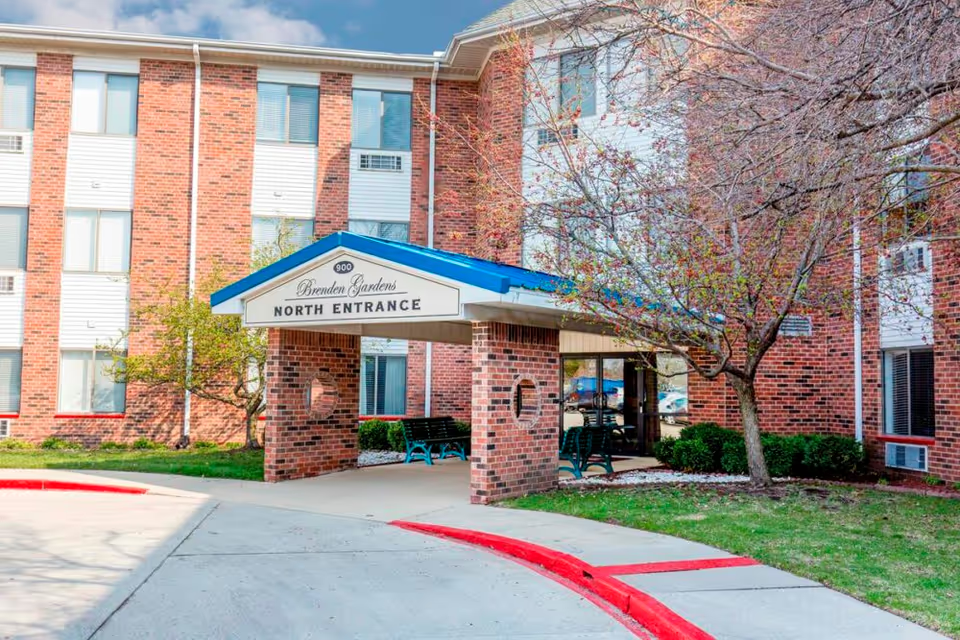
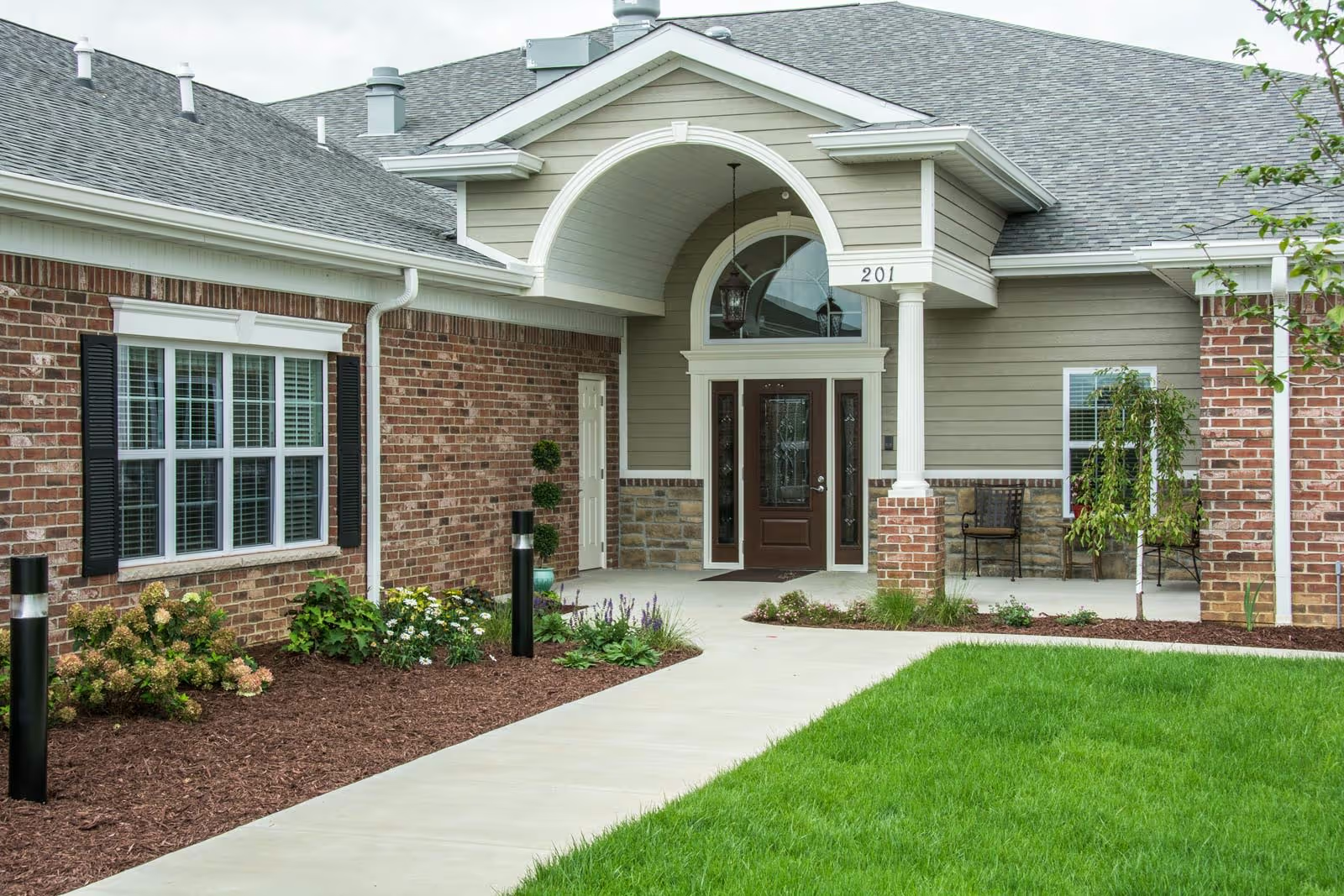
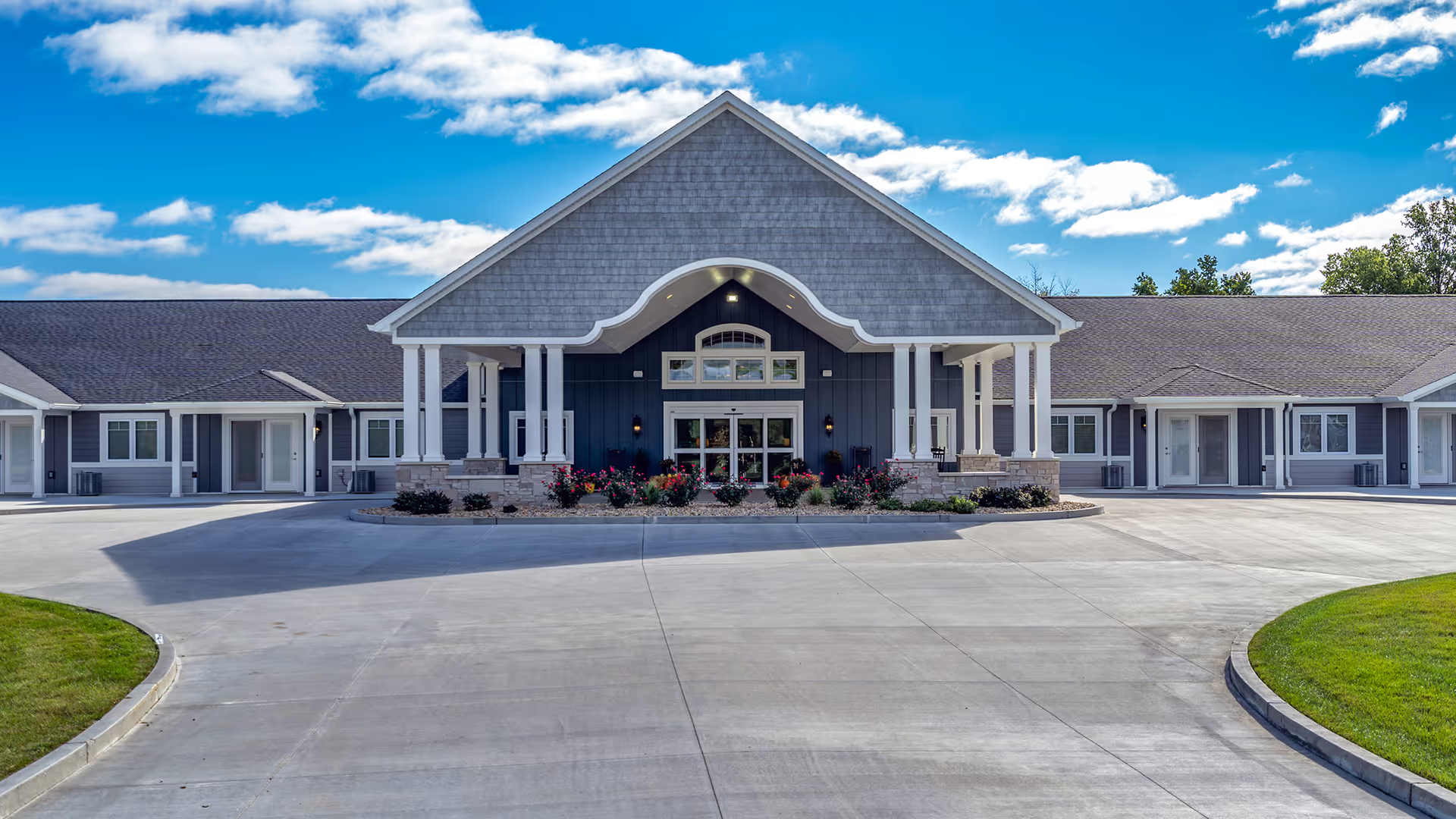
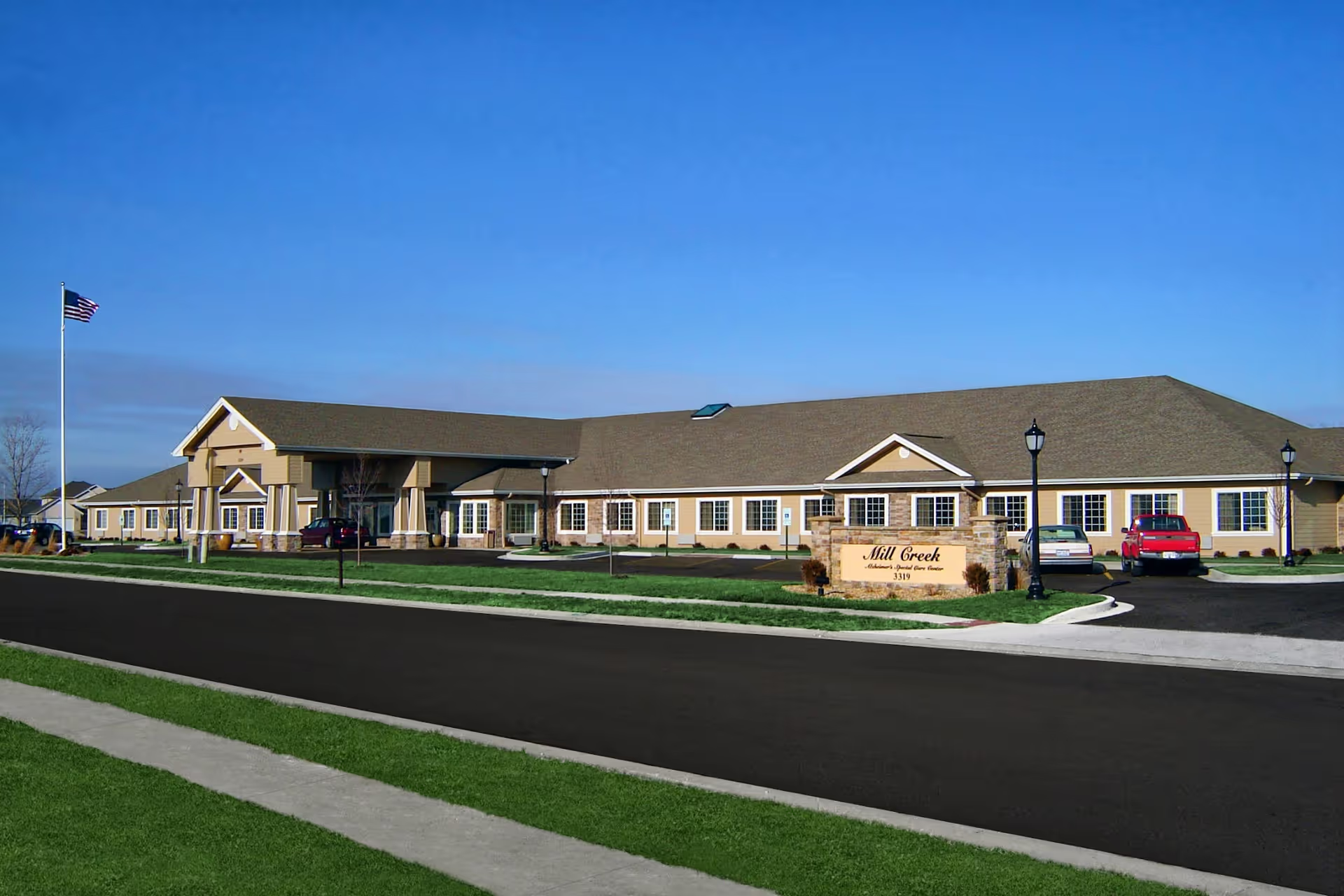
Facilities and maintenance: The facility is described as clean and tidy internally, with routine housekeeping that most reviewers appreciate. However, multiple reviewers note the building is older and in need of upgrades; maintenance responsiveness is inconsistent. Reported issues range from minor equipment problems to deferred repairs, suggesting aging infrastructure and variable maintenance follow-through.
Management, communication, and policies: Communication to families from unit staff and some administrators is frequently praised for being informative and reassuring. Conversely, there are repeated concerns about management tone when handling complaints, limited avenues to escalate issues to corporate leadership, and at least one account questioning earlier infection-control enforcement. While check-in and screening procedures earned positive comments, other descriptions point to inconsistent policy enforcement and uneven leadership responsiveness.
Notable patterns and guidance for families: The dominant theme is a contrast between strong, compassionate frontline care and operational inconsistencies that stem from staffing variability and an aging facility. Prospective families should weigh the evident strengths in hands-on care, therapy, and social programming against the facility-level weaknesses: inconsistent staffing, variable maintenance, and mixed experiences with management and escalation. Visiting in person, speaking with therapy and nursing leadership about staffing patterns, and clarifying escalation pathways to corporate can help families assess fit for a given resident’s needs.