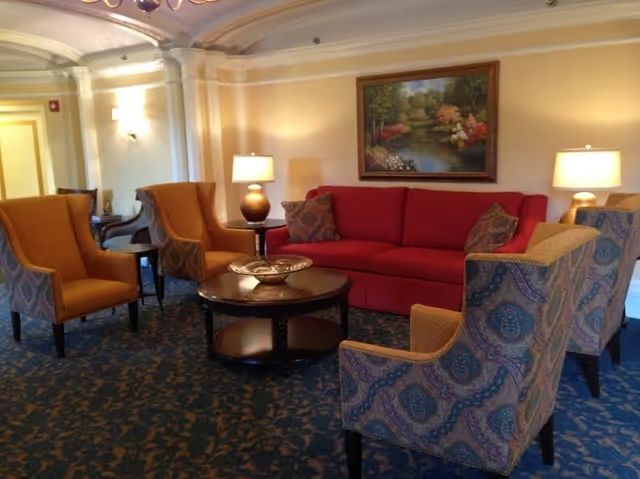
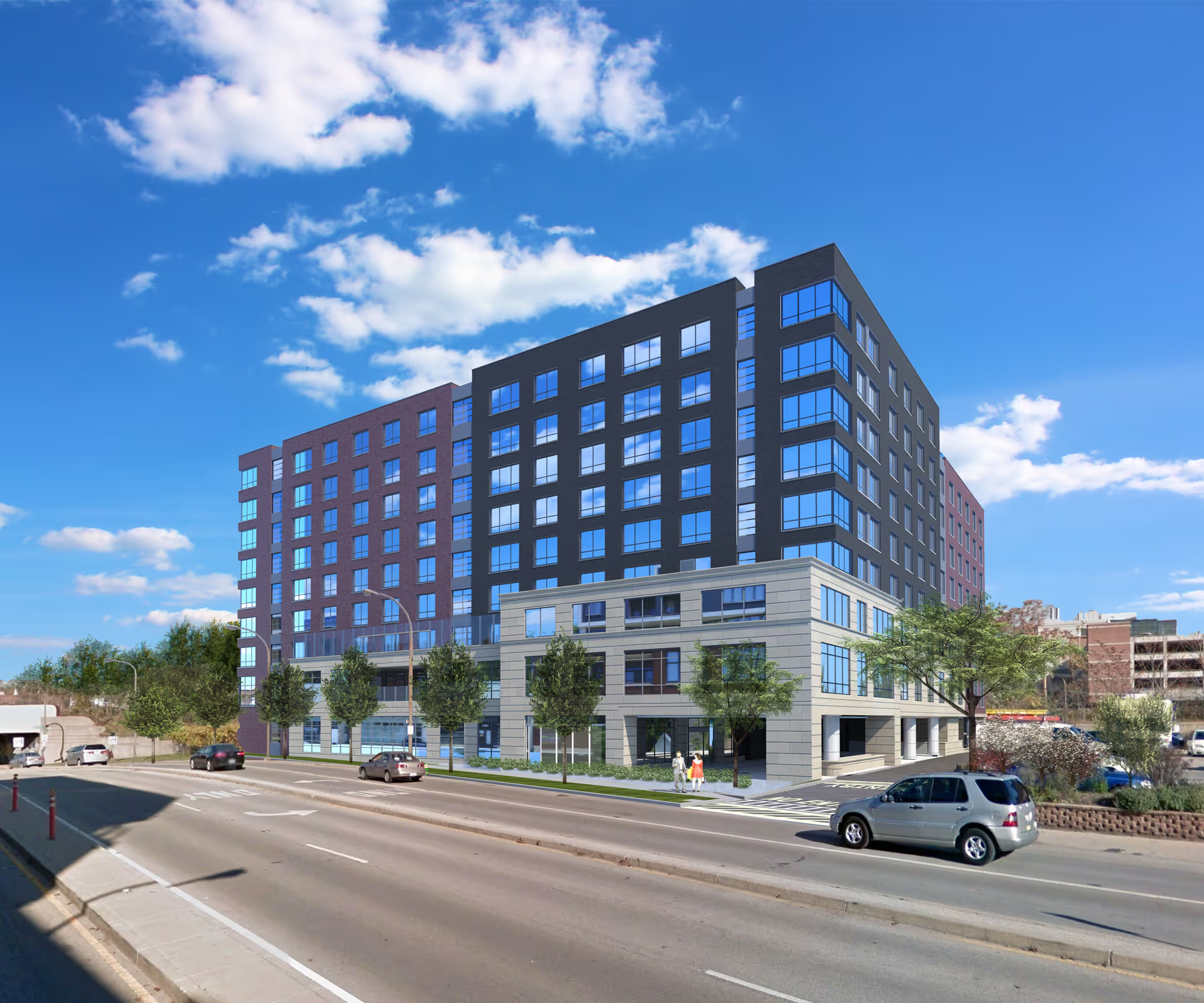
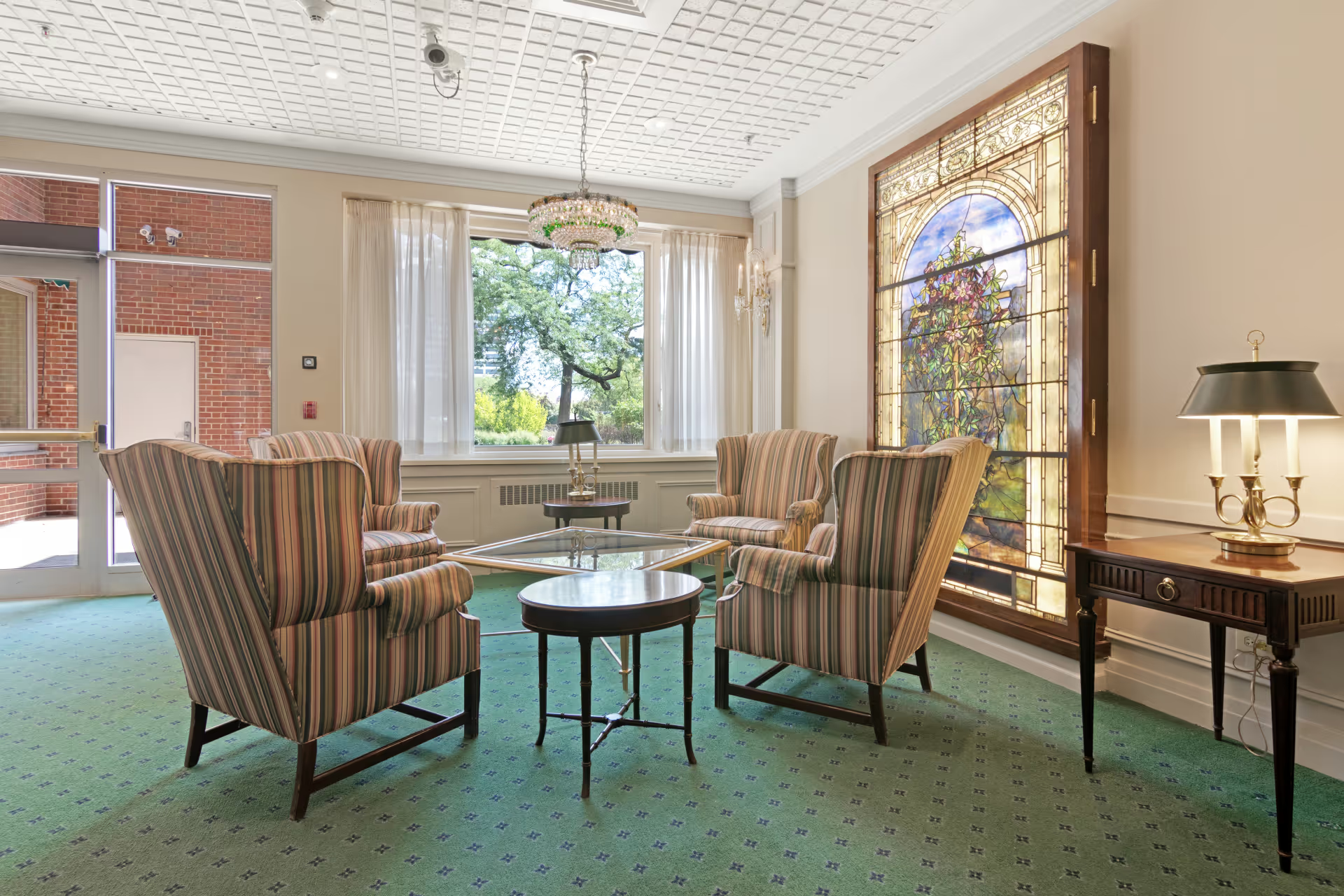
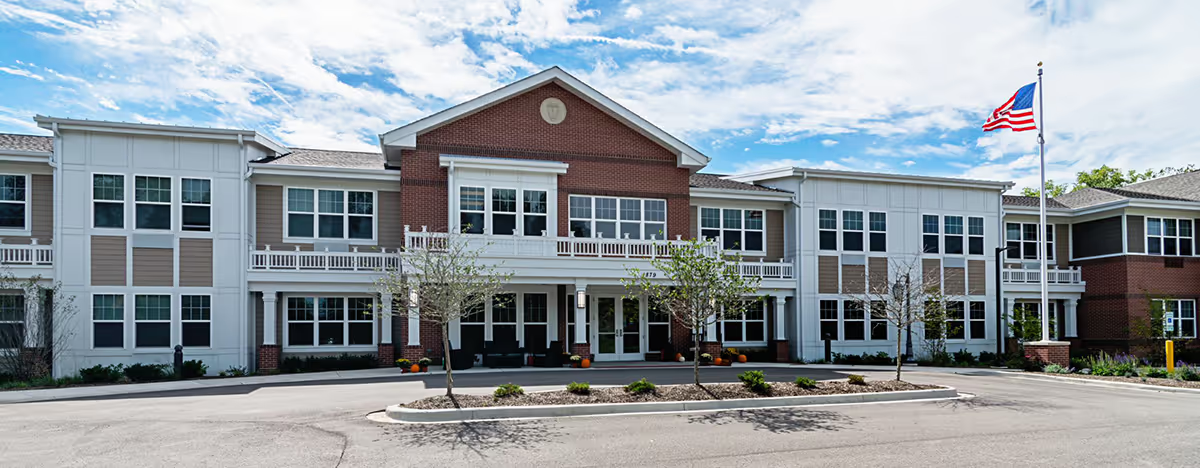
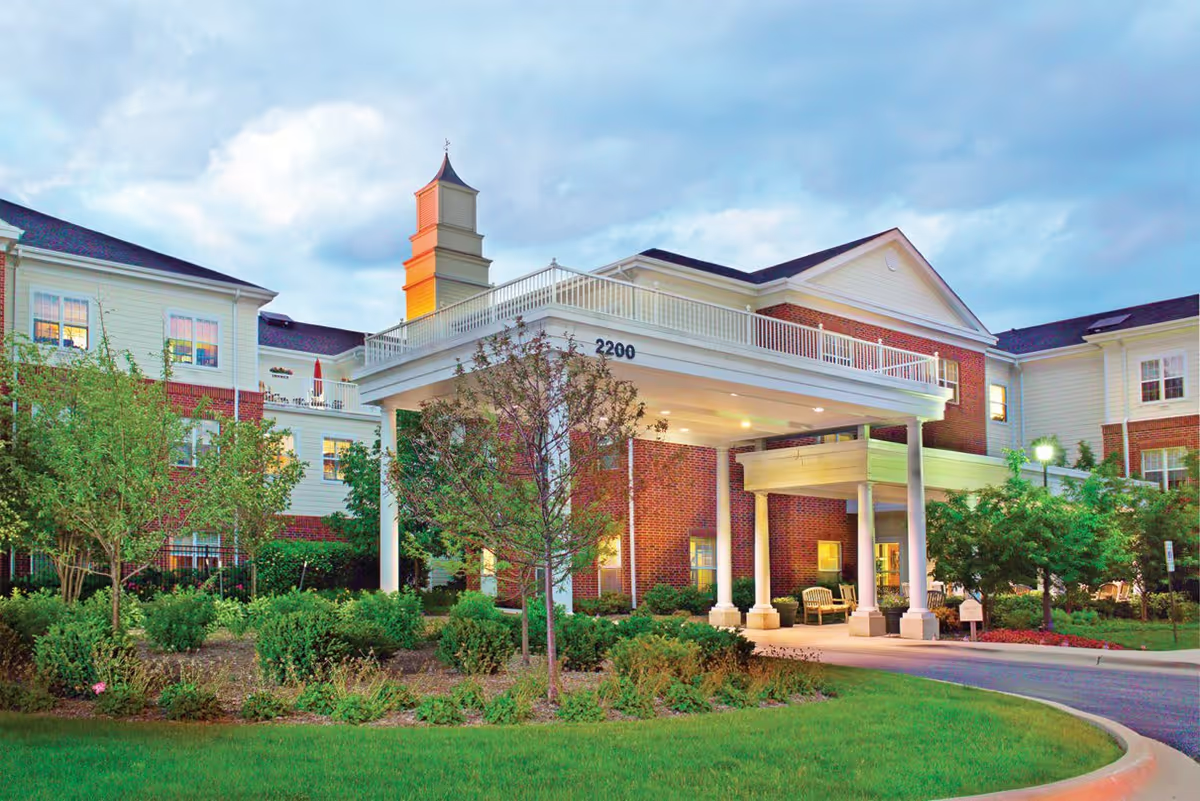
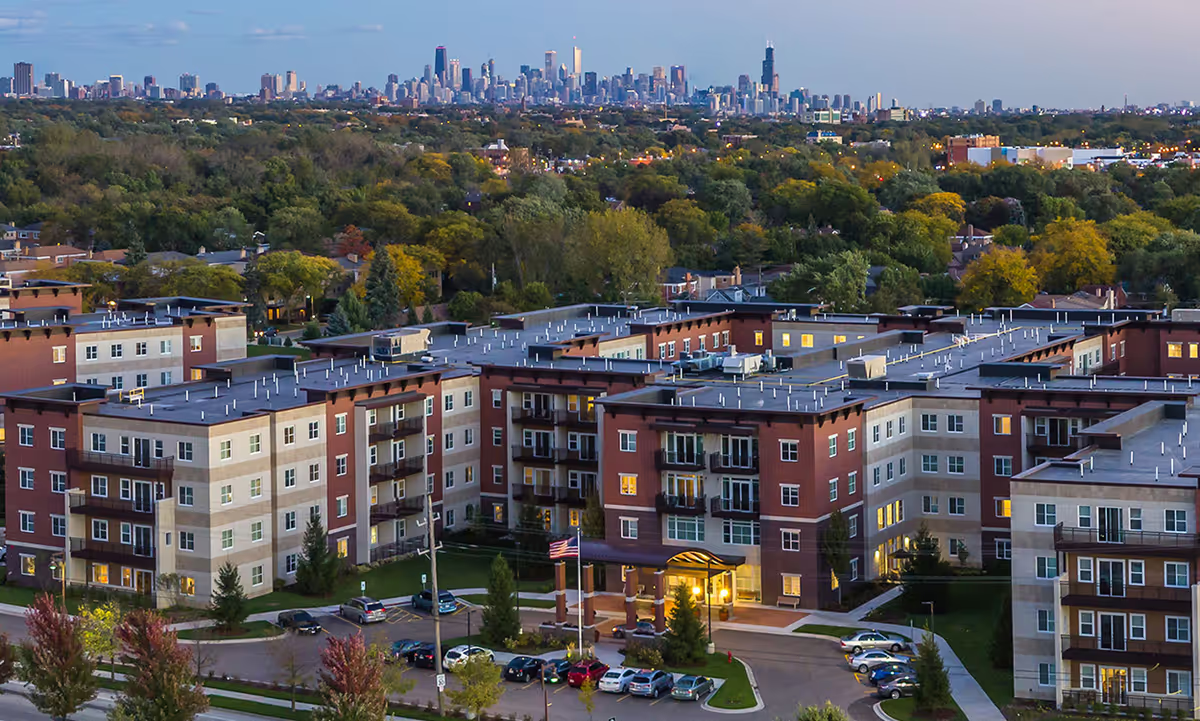
Mather Place presents as a well-resourced senior-living campus with substantial amenities and clinical services alongside an active independent-living community. Reviewers consistently highlight high-quality common spaces and a broad program offering: two restaurants, a screening room and library, indoor pool and fitness center, creative-arts programming, lectures, and frequent educational and social activities. The grounds and walking paths are repeatedly described as attractive, and the location near Old Orchard is convenient for shopping and errands. The facility also emphasizes on-site clinical services and geriatric rehabilitation, which reviewers identified as a strength for residents who may need short-term or ongoing care.
Care and frontline staff receive predominantly positive mention. Many reviews praise attentive, compassionate aides, housekeeping, kitchen employees, and concierge/transportation teams; several accounts describe staff going beyond routine duties, especially during COVID-related adjustments. Infection-control precautions and the facility’s responsiveness during the pandemic were noted favorably. At the same time, there are documented concerns about management-level interactions: some families described opaque or unexplained admissions decisions and communication gaps that caused stress. These concerns point to variability between the day-to-day caregiving culture and the approachability or responsiveness of administrative leadership.
Dining, programming, and wellness are core strengths. Food quality is often commended and there are varied meal venues and frequent programming — exercise classes, book groups, arts, music, and lectures — that support an engaged, active lifestyle. The campus offers organized transportation and concierge support that facilitate access to offsite amenities and encourage participation. Nevertheless, a subset of reviewers raised issues with dining-room service and with policies around seating or dinner companions; these signal potential inconsistencies in the resident dining experience that prospective residents should explore in person.
Facilities and unit considerations are mixed. Apartments and recent additions receive praise for finish and design, and remote tours are available and effective for many prospects. Some residents, however, flagged unit size limitations and the lack of bathtubs in many apartments (shower-only configurations), and others found the available floor plans too large or too small for their needs. Financial structure is another recurring theme: a substantial upfront entrance fee and ongoing cost level were flagged as significant considerations. Several reviews referenced additional customization or billing disputes, suggesting purchasers should review financial terms, customization allowances, and billing practices closely.
A notable pattern is the contrast between strong frontline service and certain administrative or cultural weaknesses. The community offers extensive programs, a friendly resident base for many, and robust clinical supports, but prospective residents and families should assess admissions transparency, management responsiveness, and long-term financial commitments during their evaluation. Given the long waitlist and high entrance cost, an in-person visit focused on administrative policies, dining logistics, apartment configurations, and community-fit is recommended to confirm whether the operational style and social environment align with an individual’s expectations and needs.