Overall impression: Reviews present a mixed but primarily positive picture of clinical and day-to-day life at the facility. Many families praise the clinical teams, rehabilitation outcomes, and the facility’s amenities and atmosphere. At the same time, a set of operational weaknesses recurs in the feedback: inconsistent communication, uneven staff conduct, and periodic issues with leadership responsiveness and cleanliness. Prospective residents and families should weigh the strong clinical and social offerings against these operational variability concerns.
Care quality and clinical services: Clinical care and rehabilitation are frequently described as strong. Families highlighted skilled physical and respiratory therapy teams, effective rehab programming, and instances where coordinated care and hospice support led to improved discharge outcomes or comfortable end-of-life transitions. Several accounts emphasize compassionate, round-the-clock nursing and CNA care and an overall sense that residents were well cared for. However, there are also accounts of delays in responsiveness and episodes of lower-quality care, suggesting variability in day-to-day clinical responsiveness across shifts or units.
Staff and culture: Many reviews characterize staff as warm, respectful, and family-oriented, with CNAs and nurses singled out for going above and beyond. Administrator visibility and proactive maintenance were also noted positively. Conversely, there are statements indicating variable staff professionalism and conduct, including concerns about how bereavement events were handled and at least one allegation of dishonest behavior by nursing leadership. These contrasting impressions suggest that staff culture is a strength in many areas but may be uneven across teams or shifts.
Dining and activities: The facility’s social offerings and on-site amenities are a clear positive: theater, sports bar, library, and specialty venues such as an ice cream shop contribute to an engaging environment. Several families praised the food and dining experience, while a small number expressed dissatisfaction with meal quality. Activity programming and communal spaces are generally viewed as enriching components of life at the facility.
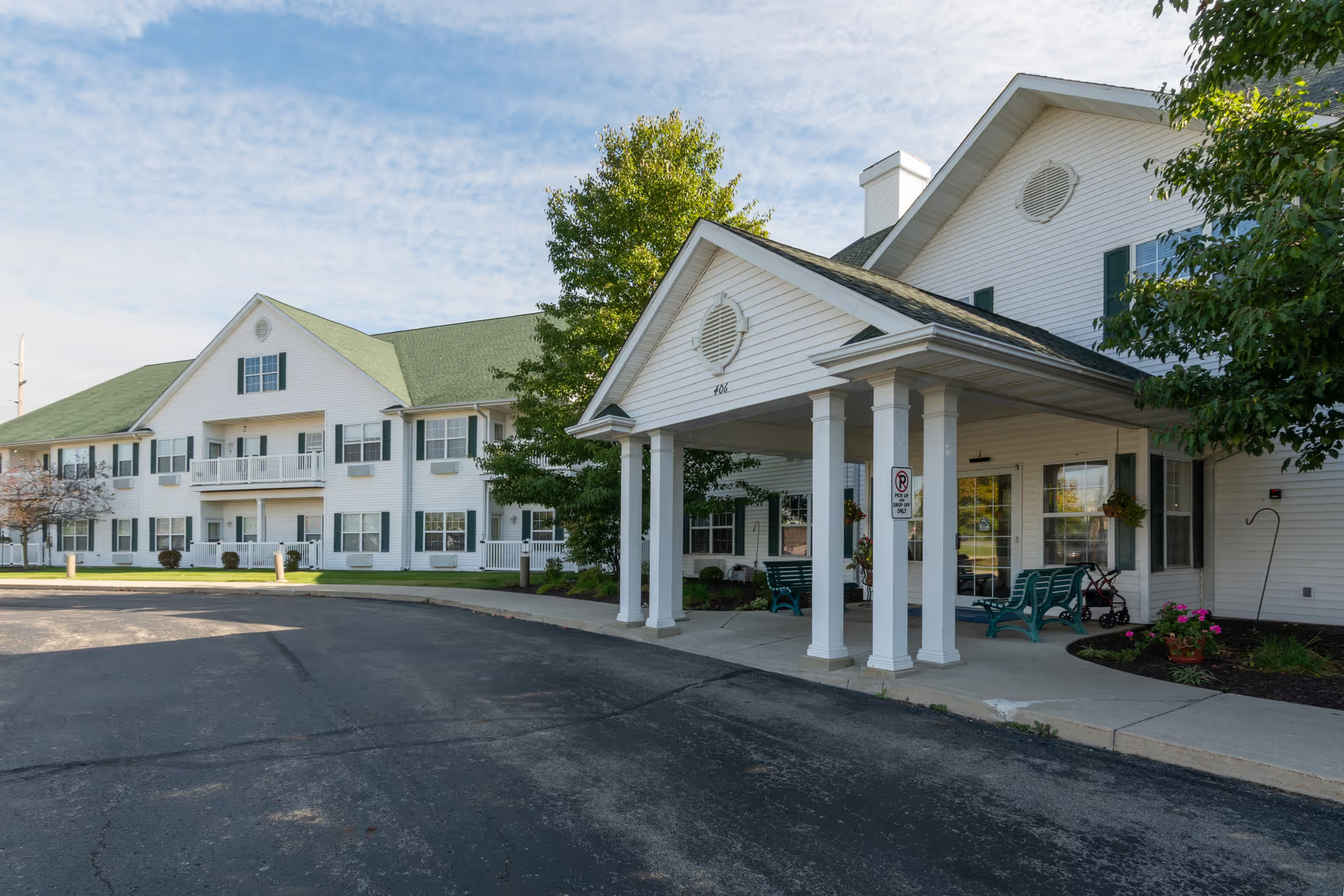
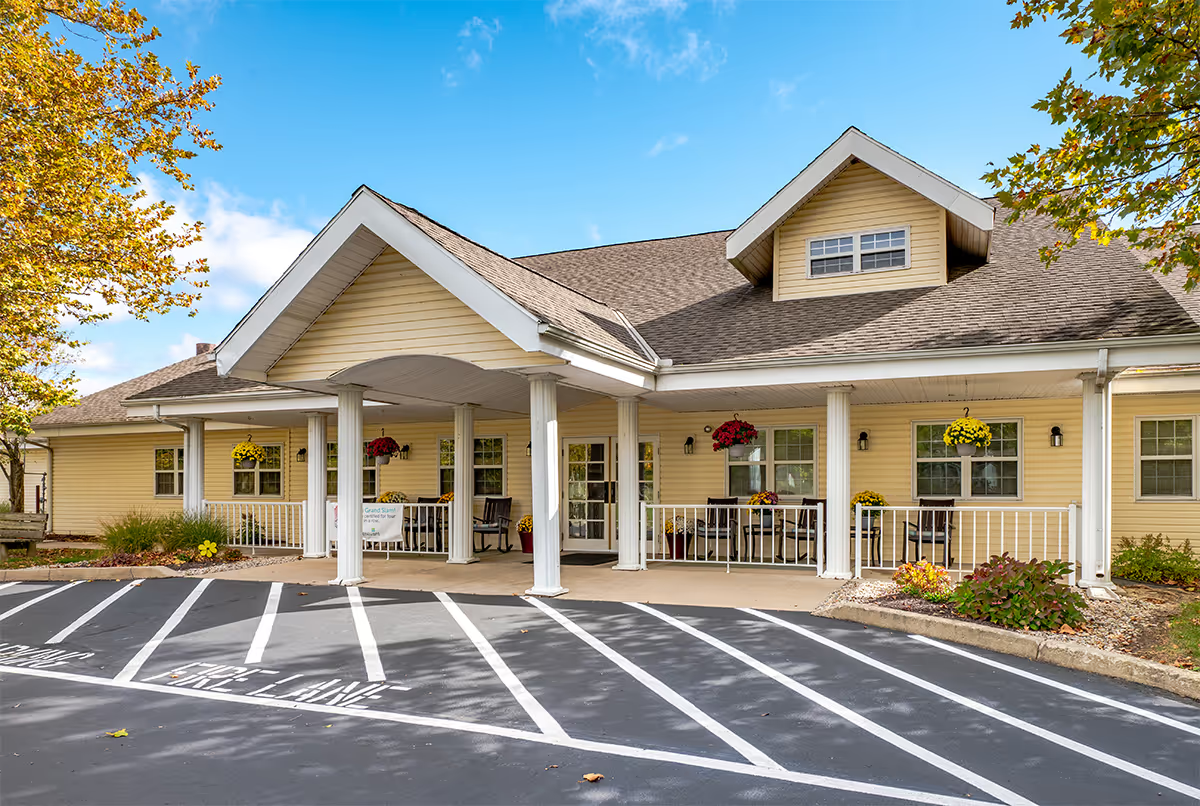
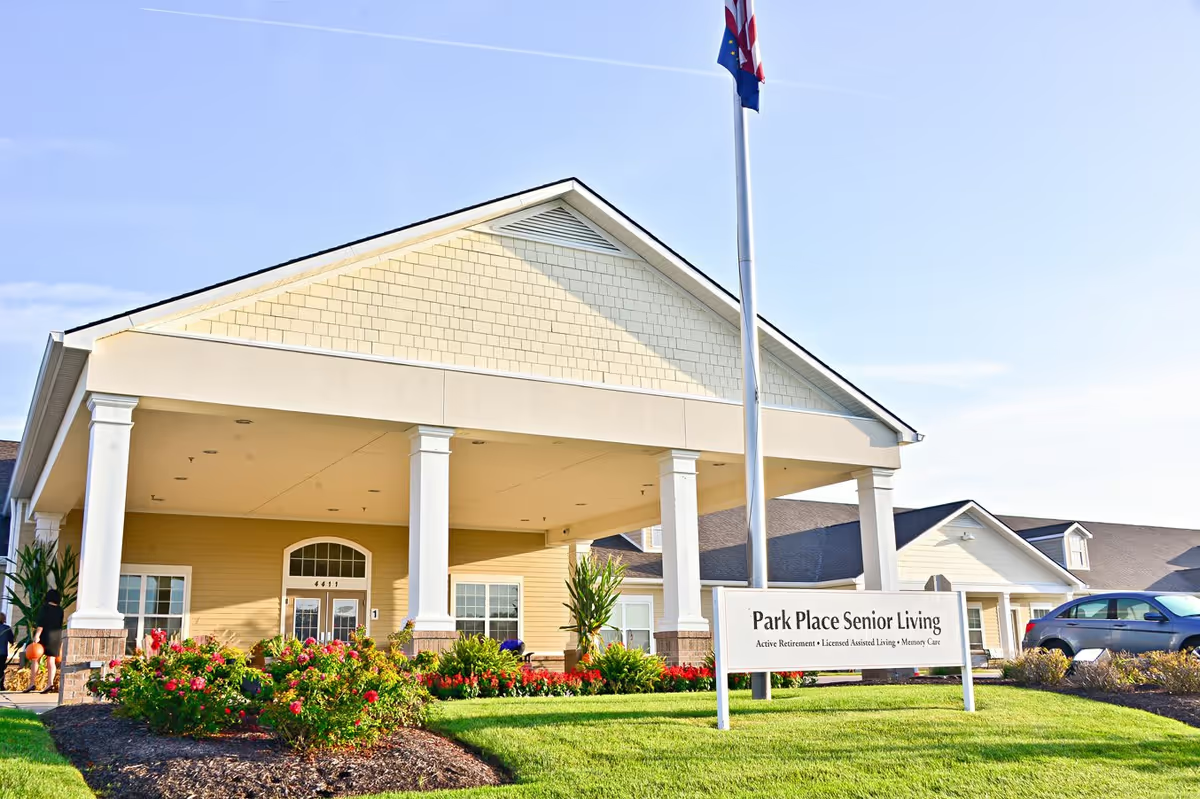
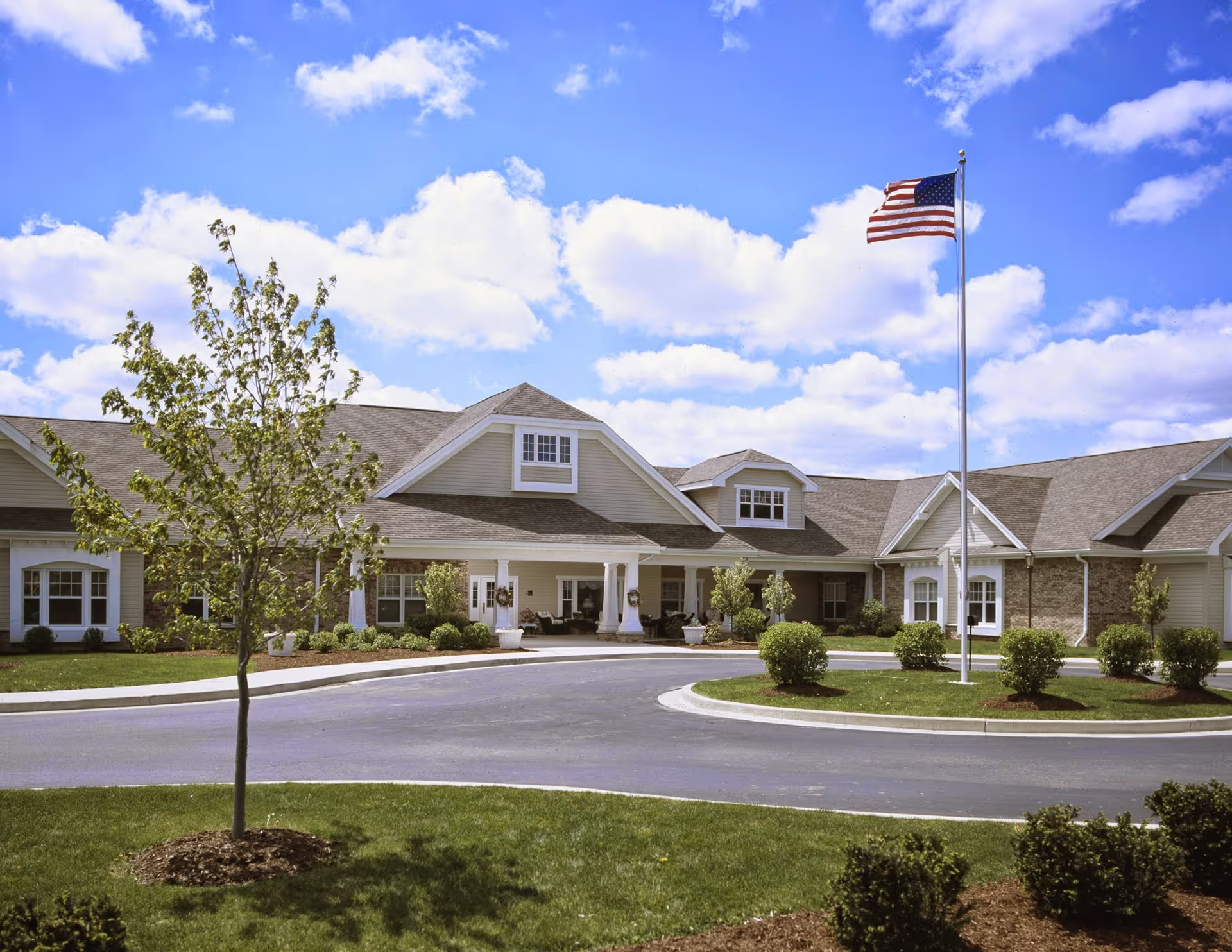
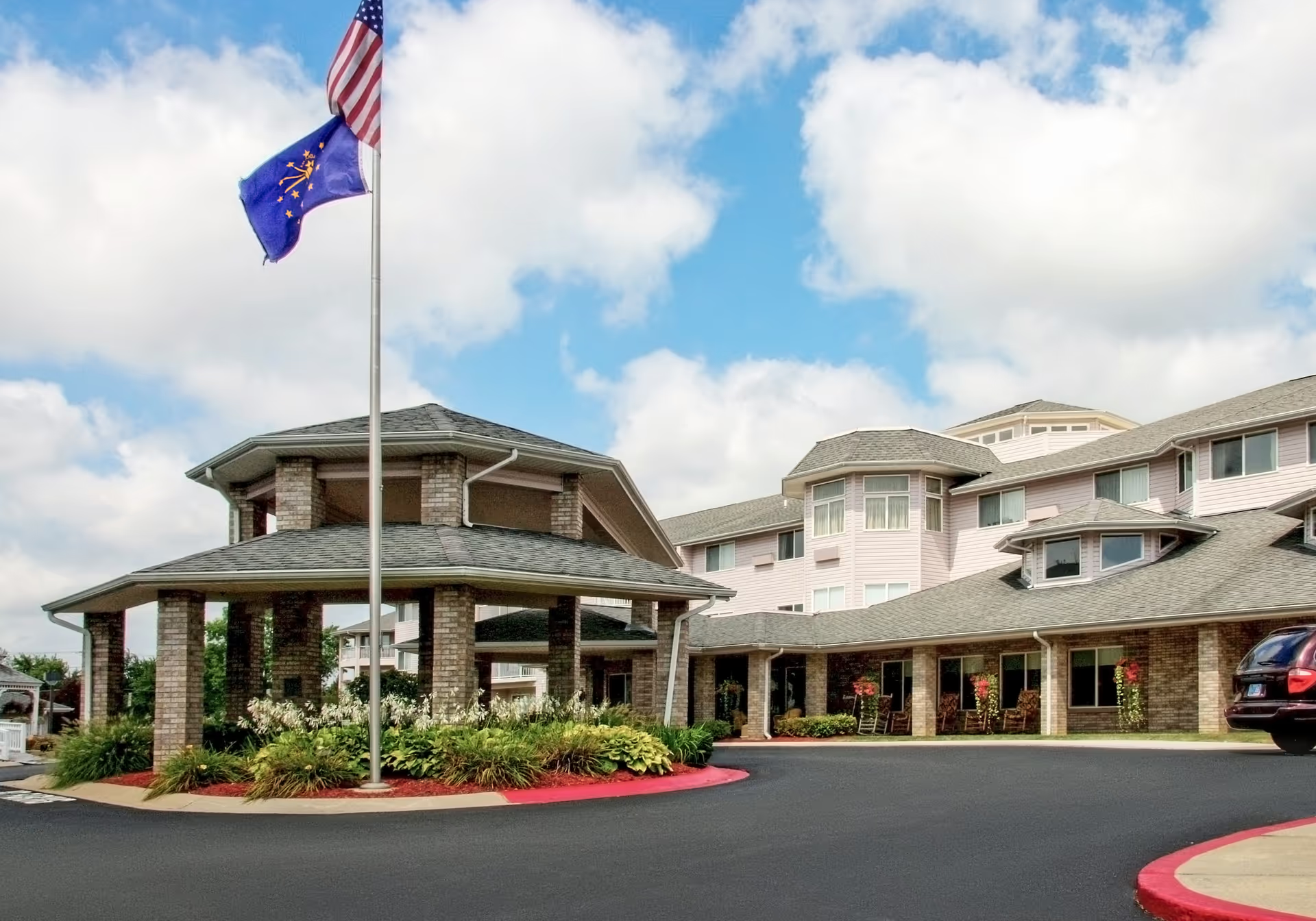
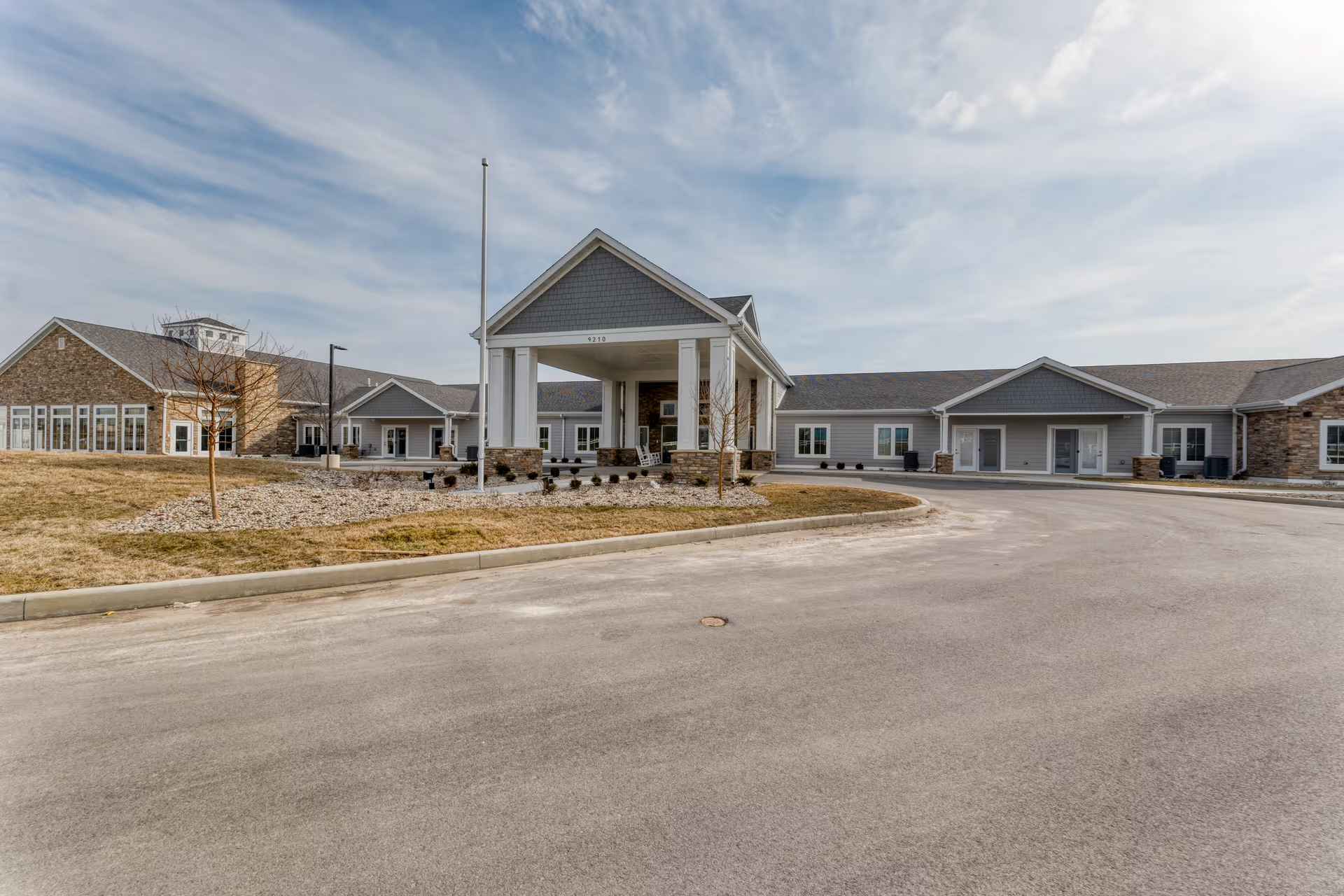
Facilities and environment: Public spaces are often described as clean and well maintained, and private-room availability is appreciated. Proactive maintenance and a home-like atmosphere are recurring positives. At the same time, some reviewers raised sanitation or infection-prevention concerns and noted occasional issues with bed comfort or equipment, indicating inconsistency in environmental controls and room amenities.
Management and communication: Communication is a double-edged theme: many families praised proactive updates and clear communication from clinicians and leadership, while others described difficulty reaching leadership, unanswered calls, and gaps in notification procedures—most notably around critical events and bereavement. Leadership responsiveness and accountability emerged as an operational area needing improvement; the presence of an allegation regarding leadership conduct underscores the importance of verifying current policies and follow-through in person.
Notable patterns and practical advice: If you are considering this community, its strengths are clinical rehabilitation, respiratory support, compassionate direct-care staff, attractive amenities, and a family-like atmosphere. Areas to probe during a tour or intake include recent infection-prevention audits and cleaning protocols, the facility’s communication and family-notification procedures (especially for critical events), how leadership handles accountability and incident follow-up, staff turnover and shift consistency, and sample dining menus. Asking to speak with current family contacts, reviewing recent inspection or quality reports, and observing staff-resident interactions across different shifts can help clarify whether the positive patterns described in many reviews are consistent with your expectations.