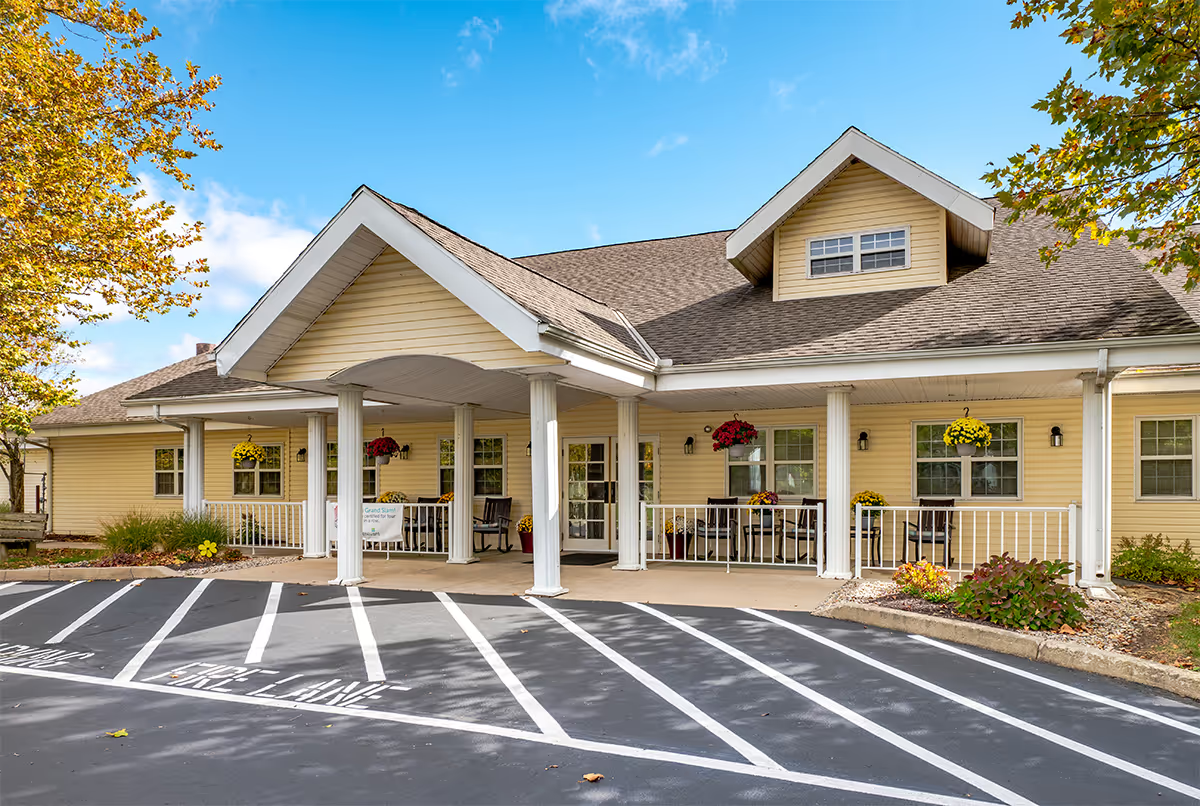
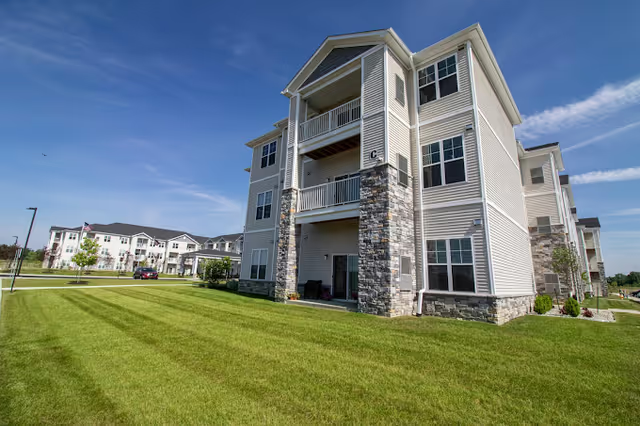
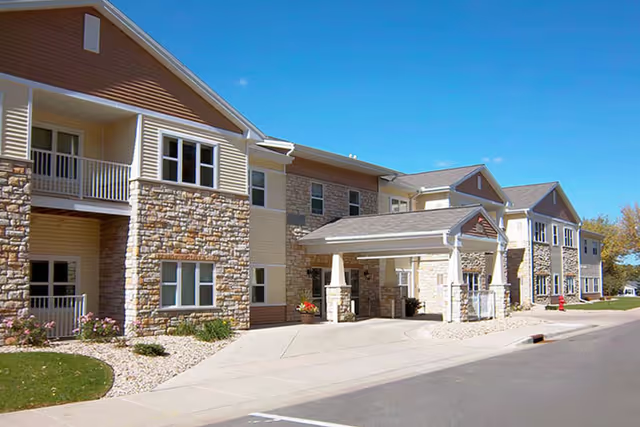
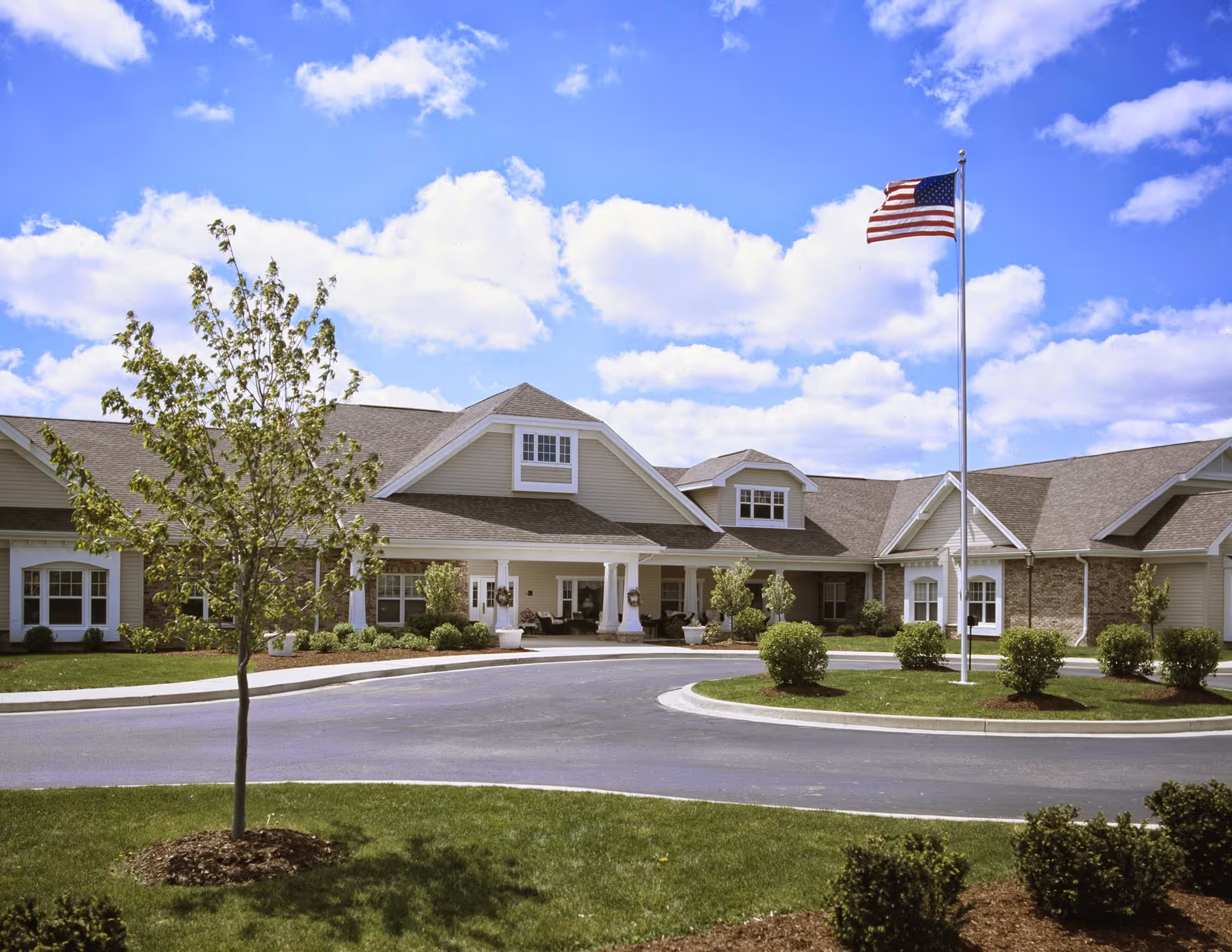
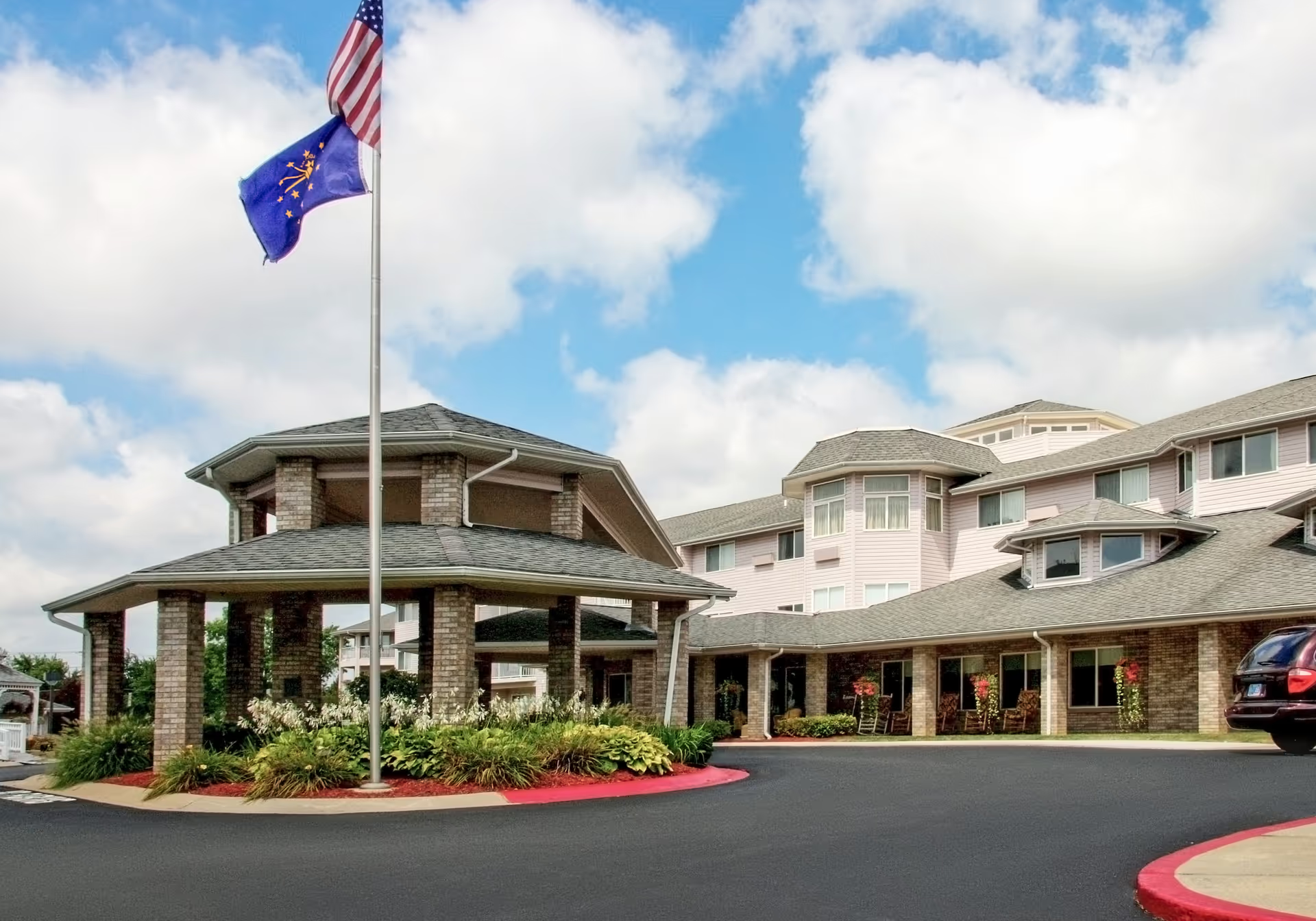
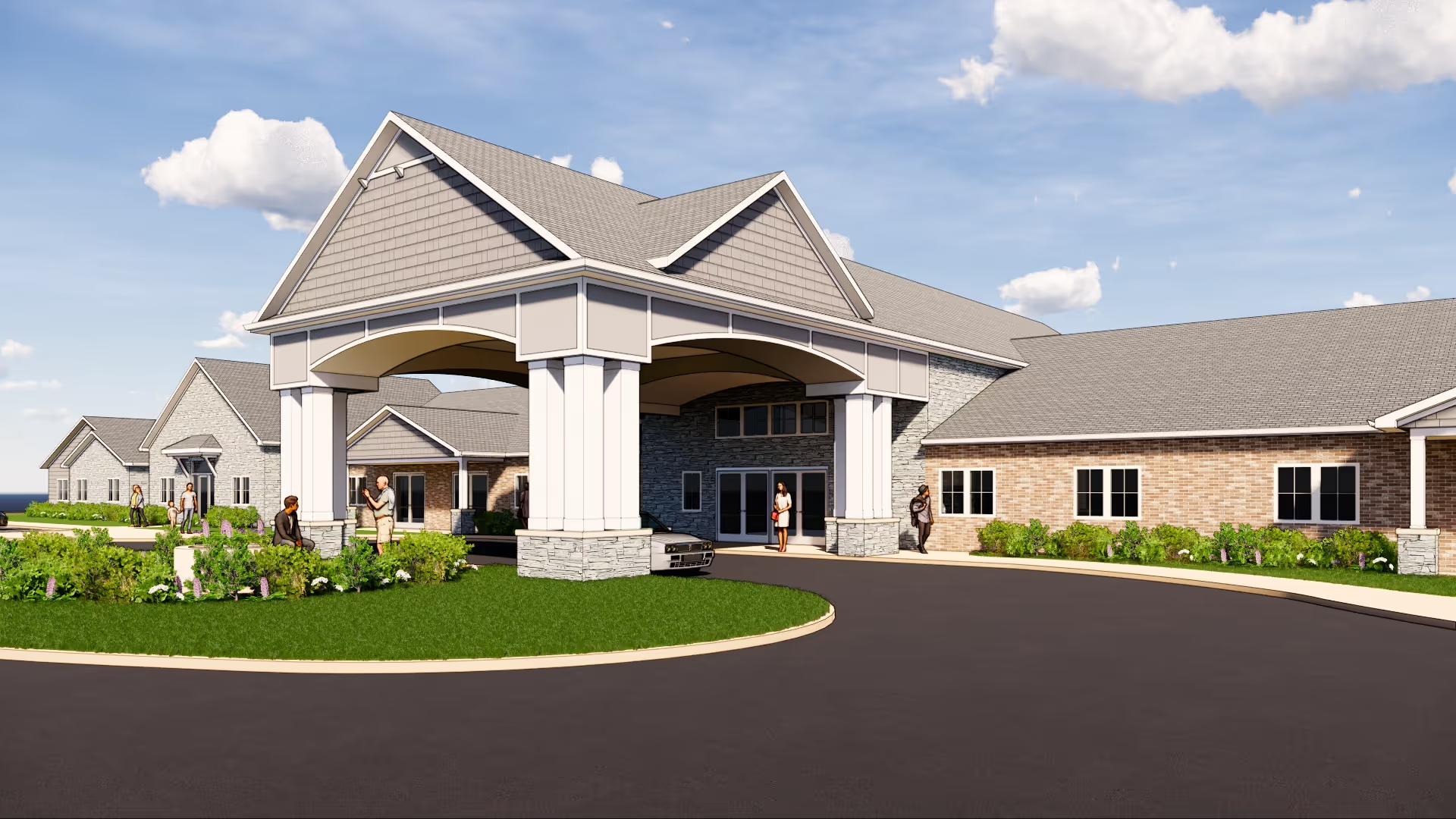
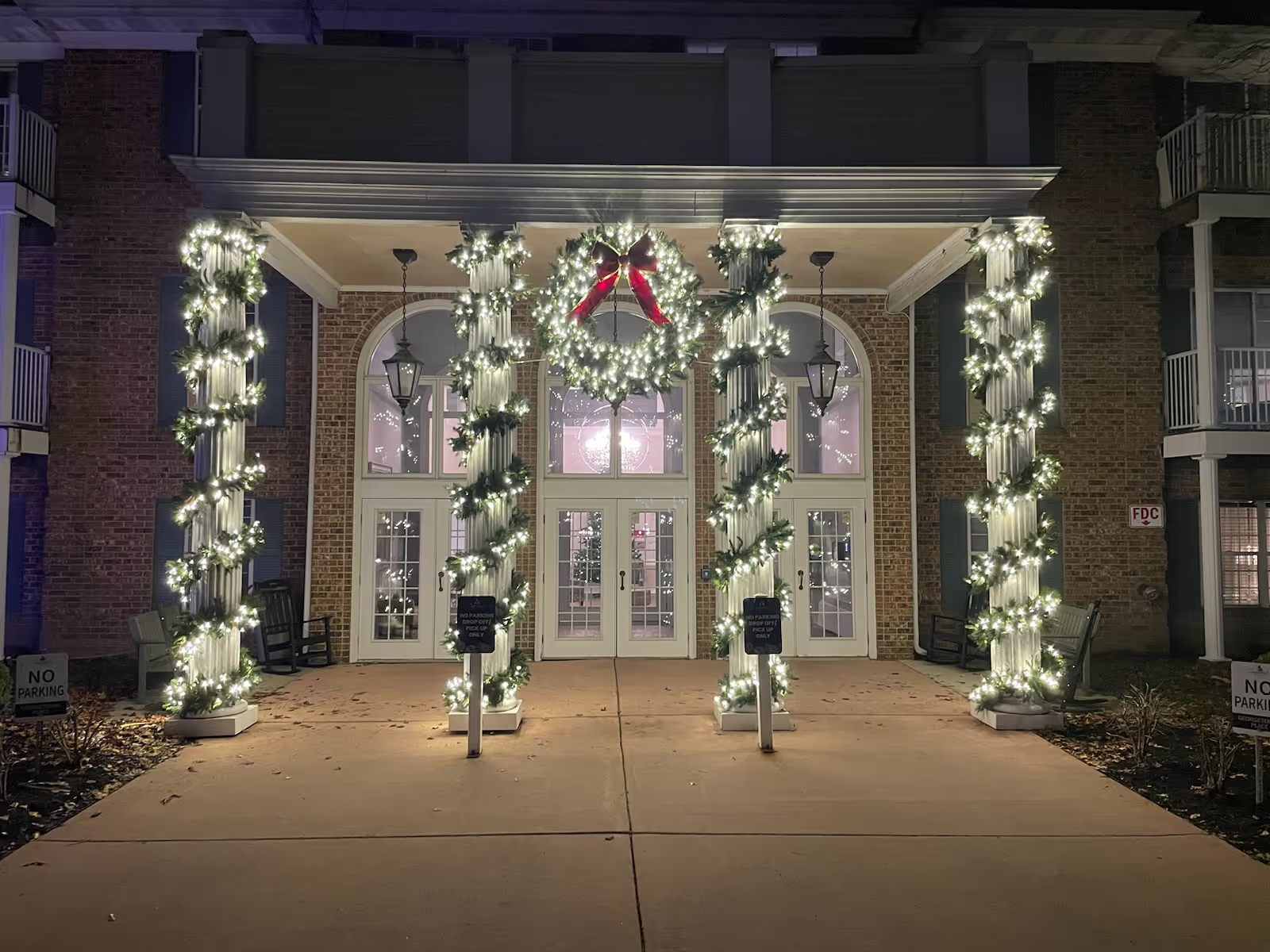
Smith Farms Manor elicits a mixed but largely favorable set of impressions. A substantial portion of reviewers highlight a warm, home-like atmosphere, well-kept apartments with generous storage and outdoor space, and a community that feels family-oriented. The facility's activity program — including art integration and gardening opportunities — and the availability of respite stays and all-inclusive packages (meals, cable, internet) are cited as advantages for residents seeking an active independent-living experience. Several reviewers also praised the admission process and transition support as smooth and well-managed.
Care and staffing are often described positively: caregivers are characterized as compassionate, attentive, and personally engaged, with many staff members remembered by name. Dining staff and the chef receive frequent commendations for varied, well-prepared meals and attentive service. The community also receives praise for being clean, safe, and nicely renovated; maintenance and facility upkeep are generally noted as strong points.
Counterbalancing the positive commentary are recurrent operational concerns. Multiple accounts reflect inconsistent medication administration and missed clinical tasks, and there are descriptions indicating gaps in personal-care scheduling such as bathing and laundry. Housekeeping and sanitation are described as variable in a way that merits direct verification during a visit. Meal quality is a commonly mixed area: while many find the dining experience excellent, others describe uneven food quality or service interruptions.
Management and communication patterns are another area of divergence. Some families experienced responsive leadership and helpful staff who assisted with financial resources and referrals; others described delays in executive-level responsiveness and variability in front-desk conduct. There are also isolated but serious allegations that raise questions about licensing clarity and insurance/billing transparency; these are issues that prospective residents and families should verify with documentation. Transportation practices were singled out by reviewers concerned about driver conduct and safety.
Notable patterns for prospective families: the strongest consistent theme is the facility’s relational strengths — staff engagement, a welcoming culture, and an activity-rich environment. Operational weaknesses cluster around clinical reliability (medication and personal care), housekeeping consistency, and administrative transparency. Given the mix of high praise and some significant concerns, families should schedule an in-person tour, observe the dining and activity programs, ask explicitly about medication-administration protocols, review licensing and insurance documentation, request sample housekeeping and incident logs, and discuss transportation policies before making a placement decision.