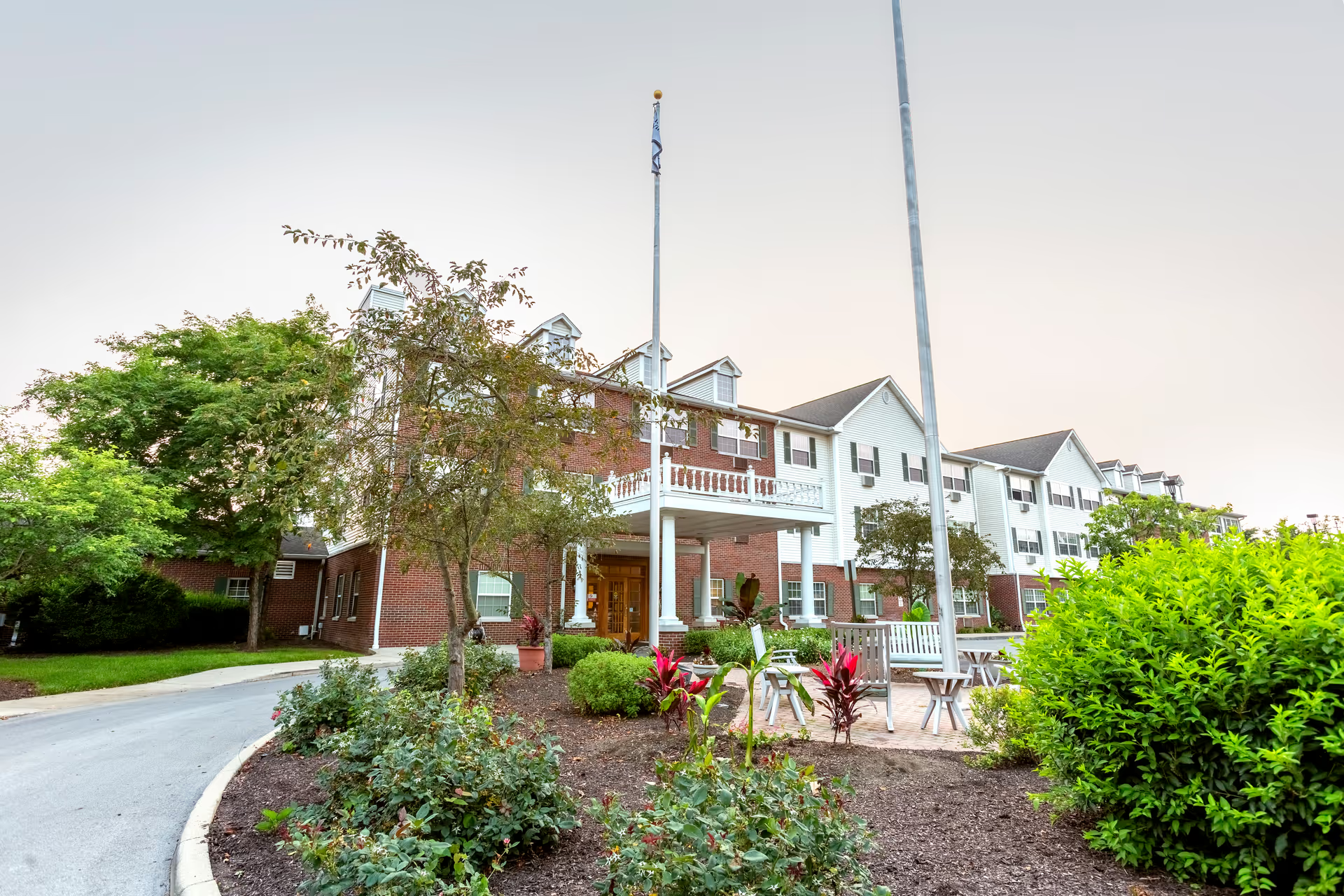
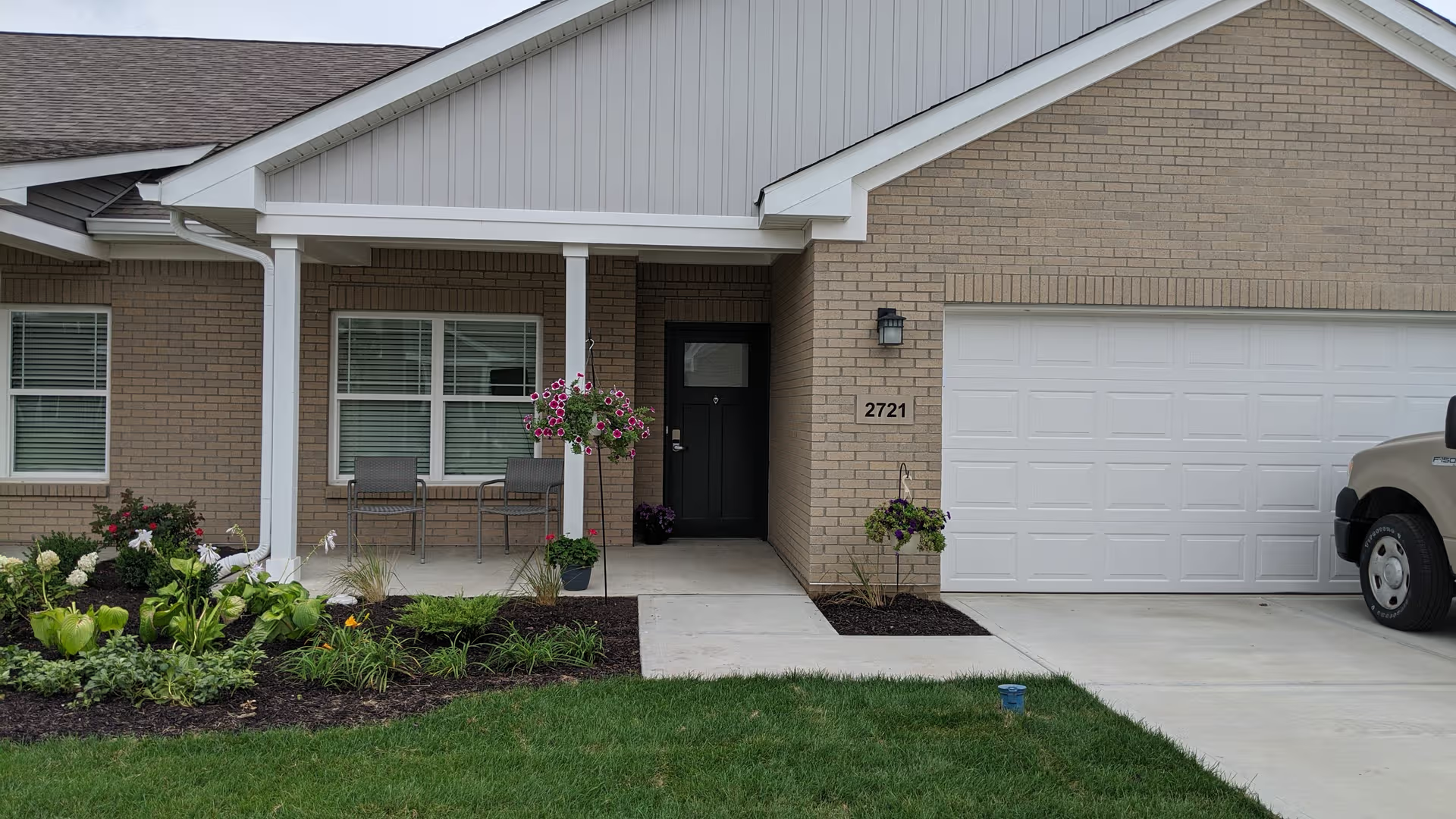
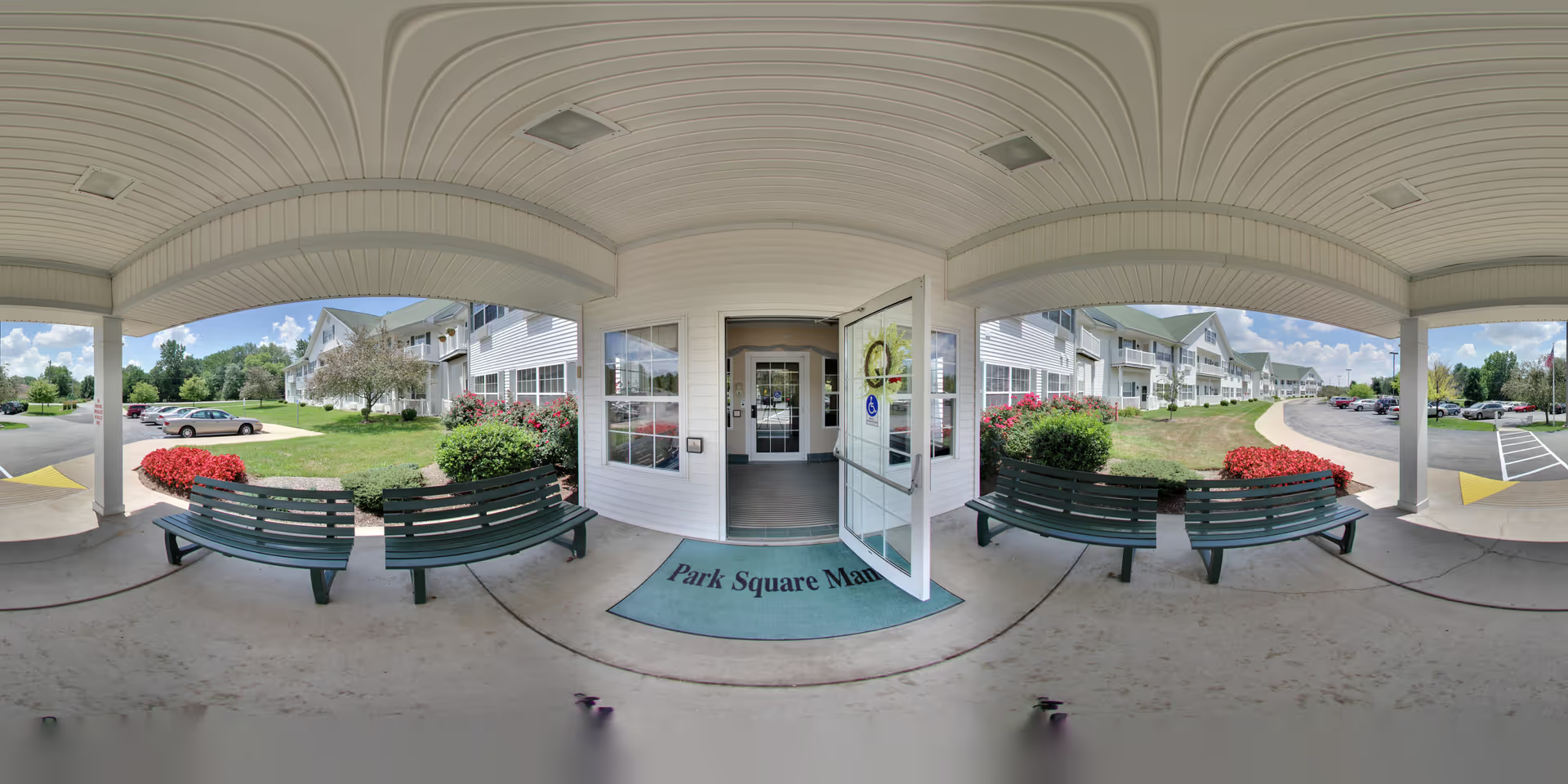
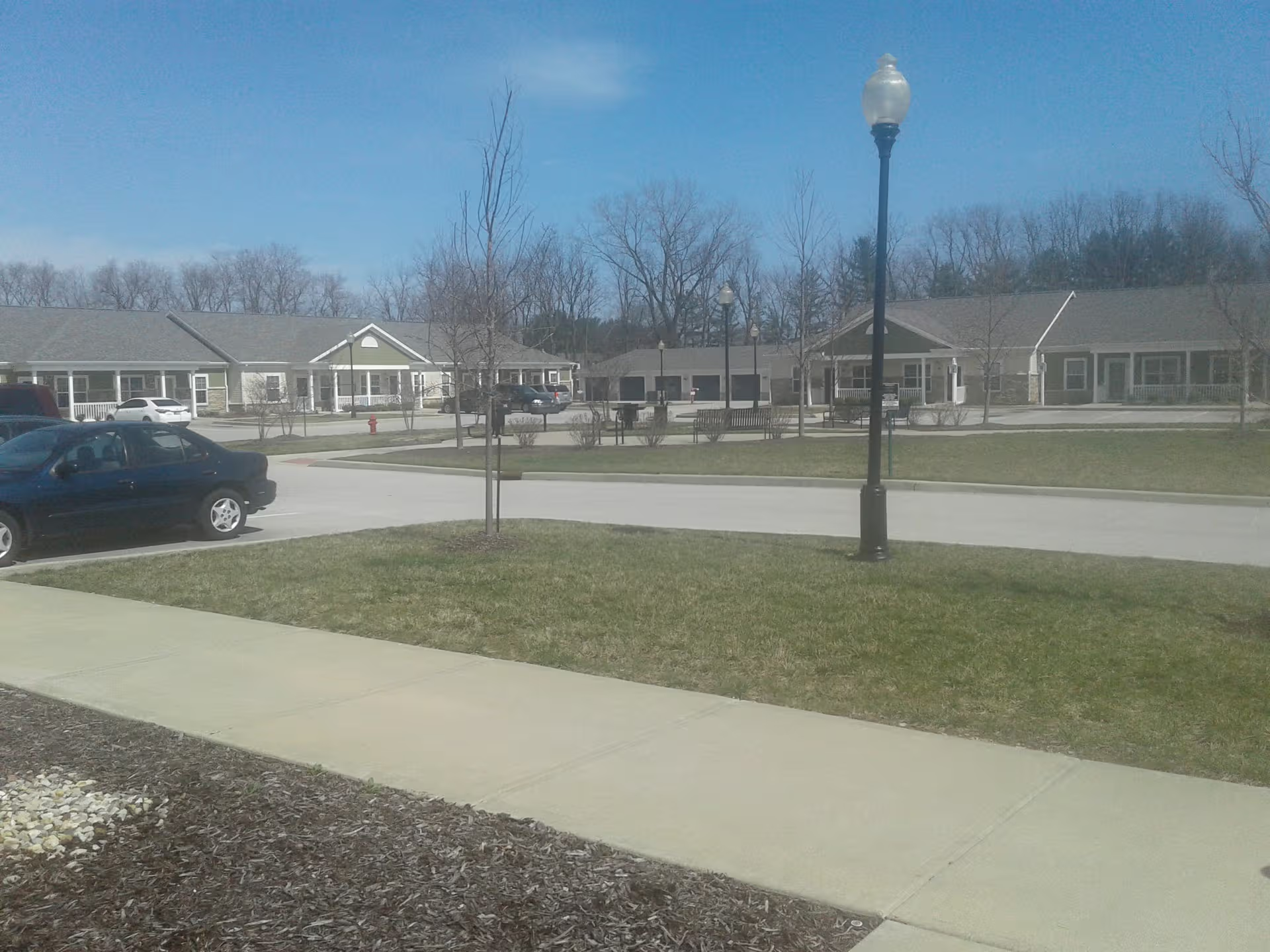
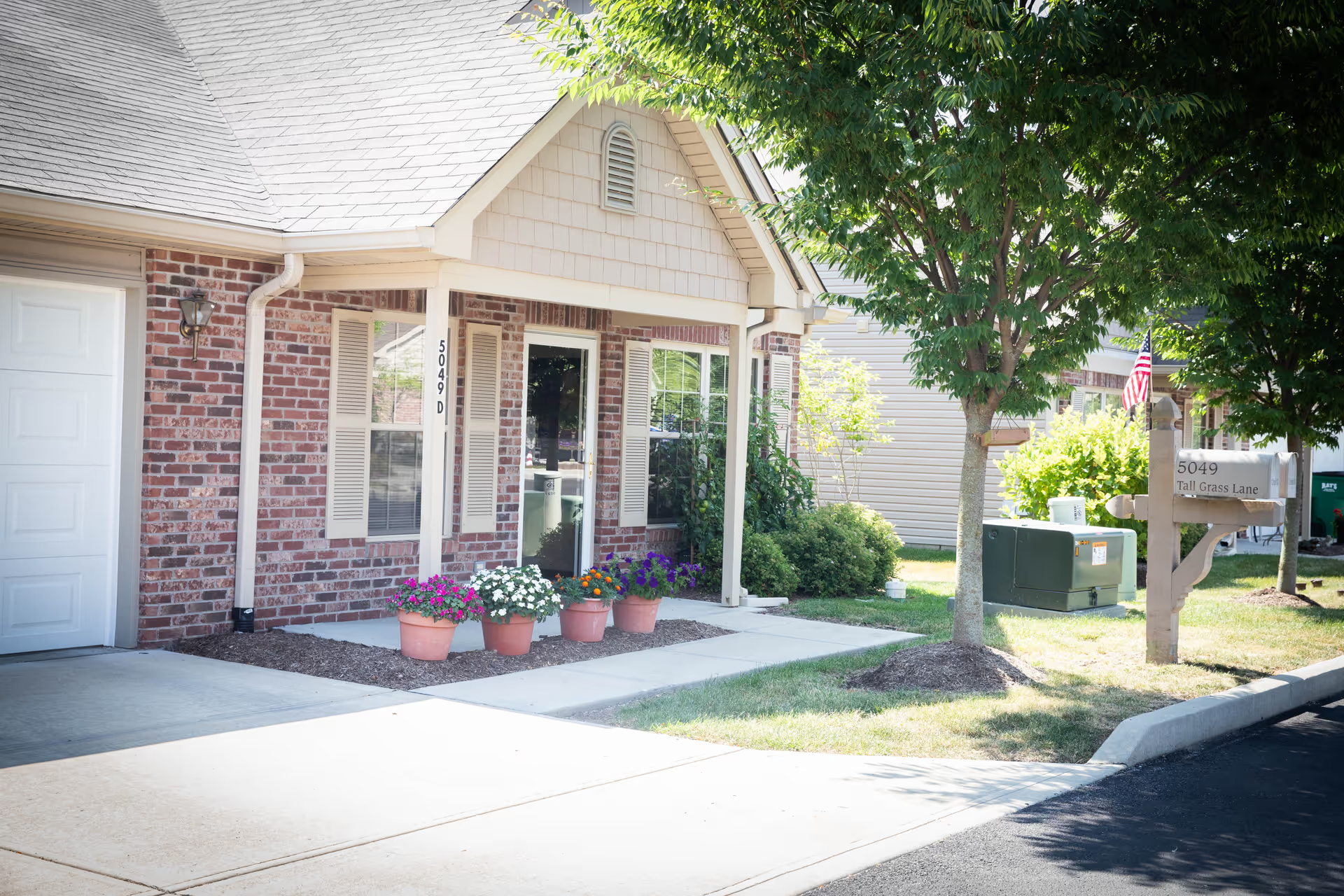
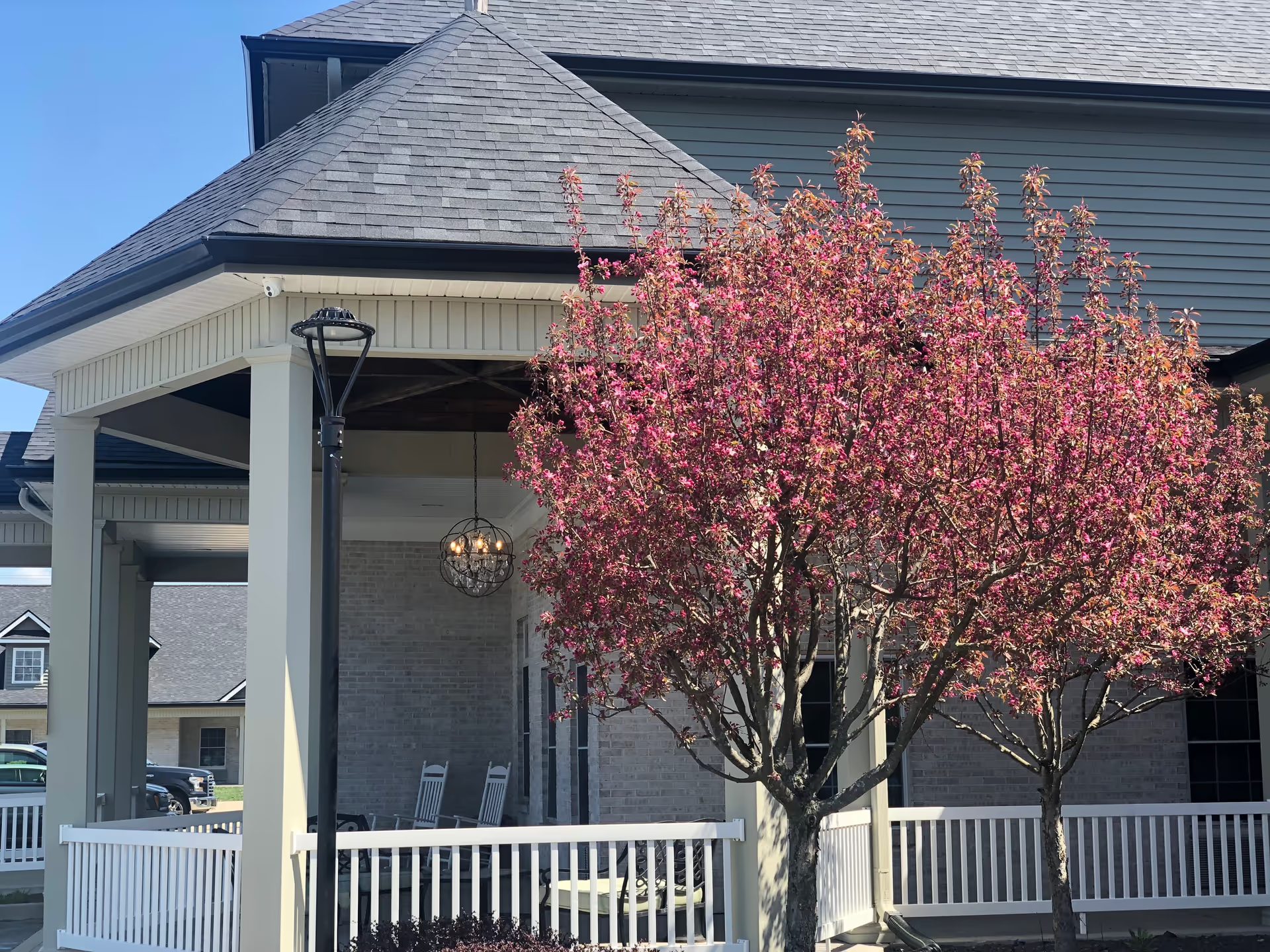
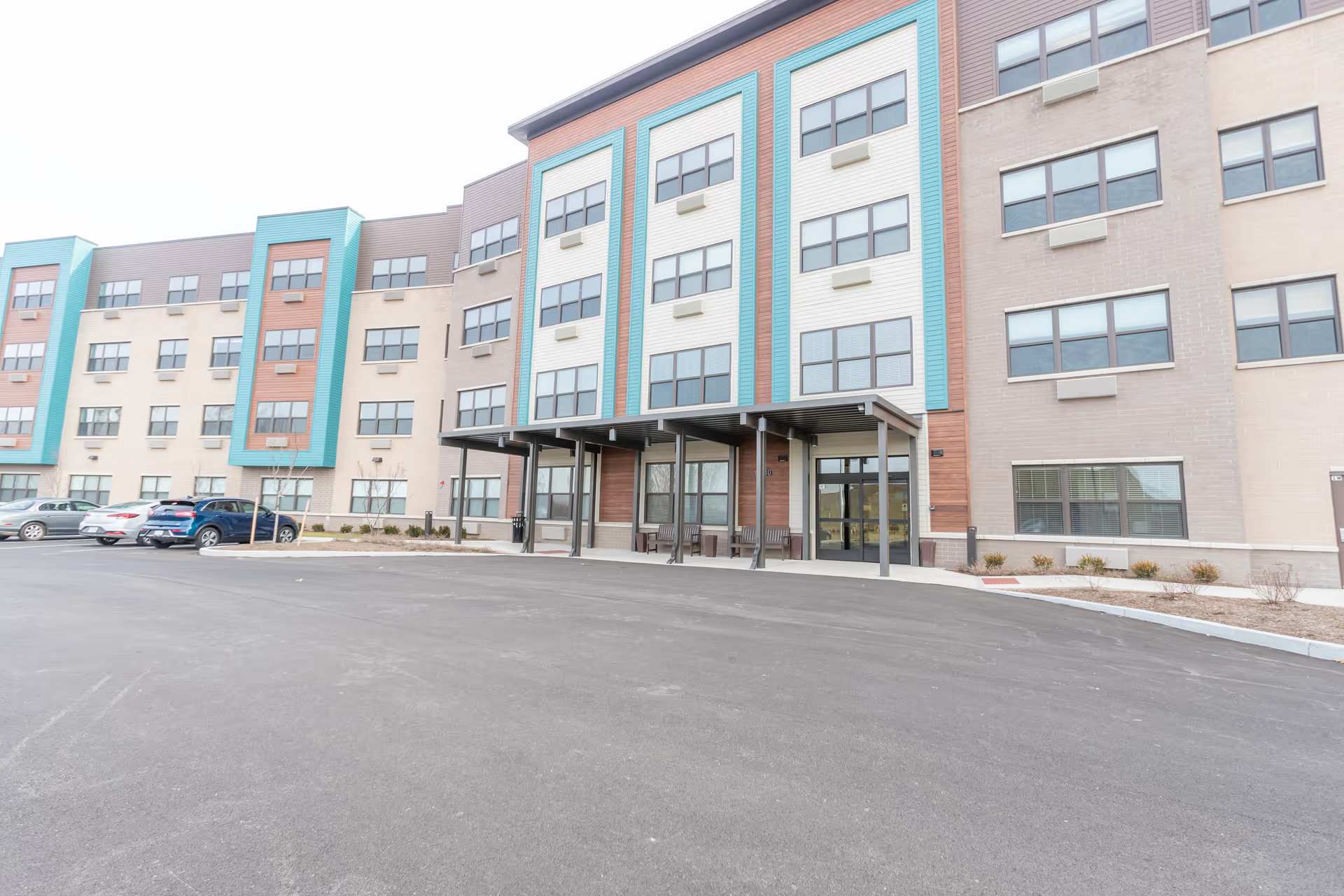
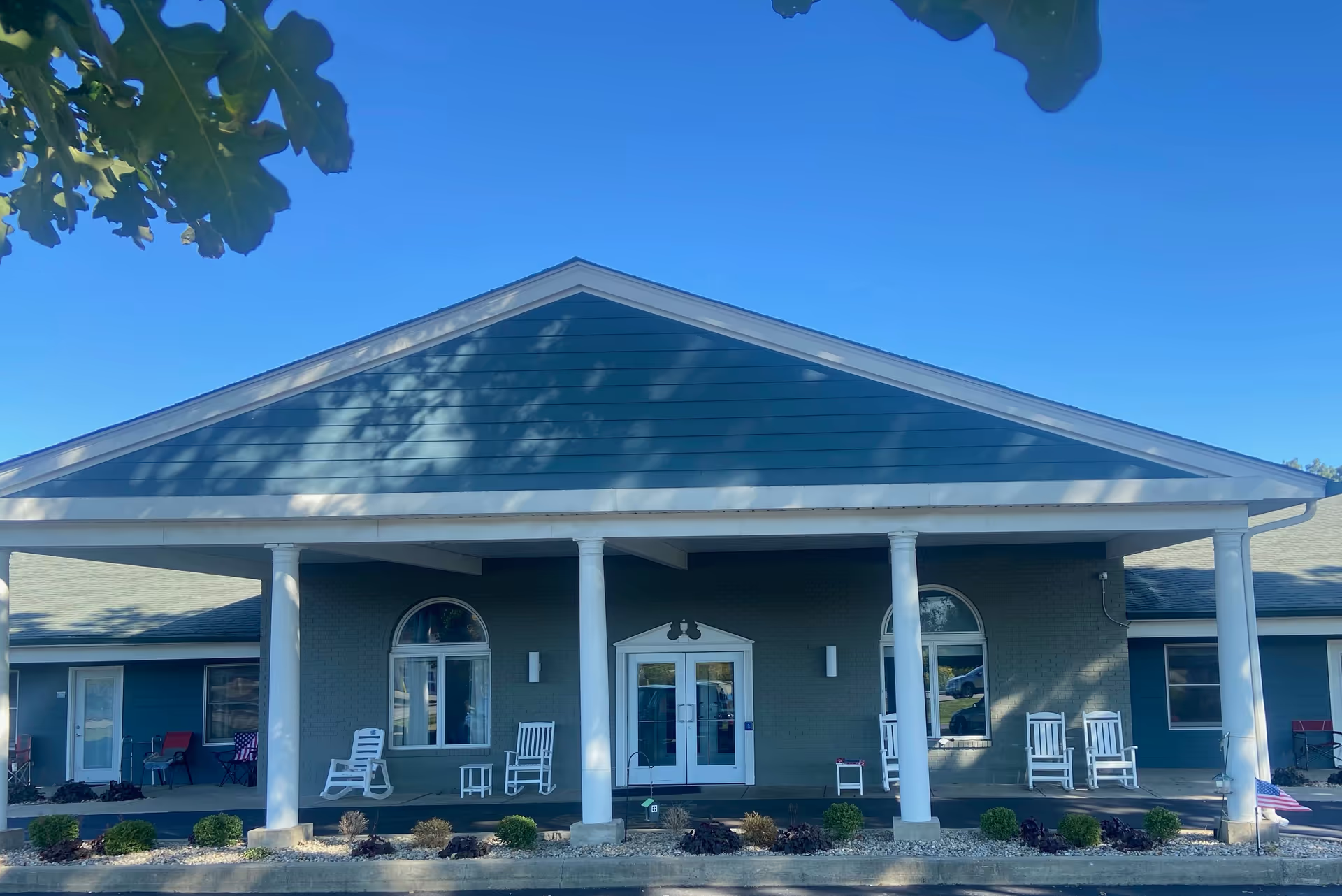
Avon Health and Rehabilitation Center presents a mixed but actionable profile. Many families and patients praise the facility's therapy services, noting strong physical and occupational therapy programs that support rapid functional improvement and positive rehabilitation outcomes. The facility is frequently described as clean, well maintained, and aesthetically appealing, with spacious, sunny rooms, comfortable common areas (fireplace, front porch reception), and an active activities program that runs through weekends. Multiple accounts emphasize a family-like culture: compassionate nurses, attentive aides, and welcoming administrative staff who can provide emotional and practical support, including end-of-life comfort when needed.
Staffing and staff quality are central to the variability in experiences. Numerous reviews highlight dedicated, professional, and long-tenured staff members, strong therapy teams, and helpful front-desk personnel. At the same time, a consistent pattern emerges around unevenness: first- and second-shift care is often described as attentive, while overnight or third-shift coverage and some unit areas are characterized by staffing shortages or reduced responsiveness. Reviewers describe a range of interactions from highly compassionate and communicative to occasions of brusque or inattentive conduct. Families should anticipate variability in staff responsiveness and ask about night staffing and shift coverage when touring.
Clinical and operational concerns are an important pattern to note. Several accounts raised serious issues including delays in medical attention, device and catheter-management problems, and events that required hospital transfer; these narratives point to gaps in clinical oversight, escalation pathways, and family communication around acute events. There are also recurring complaints about inconsistent personal-care practices (for example, bathing schedules), supply availability for hygiene products, and privacy-intrusive in-room entries. Additionally, some reviewers described problems with property handling and difficulties coordinating emergency access or ambulance entry. These items suggest operational areas—clinical oversight, inventory management, privacy protocols, and emergency coordination—where prospective residents and families should ask for specifics.
Dining and resident services show both strengths and limitations. A number of reviewers appreciated individualized meal-seasoning management and staff willingness to tailor food preferences, and some described good food quality. However, multiple comments point to limited menu variety and inconsistent accommodation of dietary intolerances (notably lactose intolerance in several accounts). Prospective residents with specific dietary needs should verify menu flexibility and protocols for allergy or intolerance management.
Management and administration receive mixed but often positive notes. Many reviewers praised supportive, responsive administrators and a culture of care; others cited inconsistent communication—examples include families not being called about condition changes or unclear discharge/transfer coordination. The facility is overall described as clean and pleasant with activity programming and social opportunities that many residents enjoy. Given the combination of strong rehabilitation outcomes and intermittent operational lapses, families considering Avon should: tour the facility, meet therapy and nursing leadership, ask about night-shift staffing ratios and escalation procedures, review dietary-accommodation processes, clarify privacy and room-entry policies, and confirm emergency-access arrangements. These targeted questions can help weigh the facility's strong rehabilitation capability and welcoming environment against the operational variability some families experienced.