The Stratford is consistently presented as an upscale, well-appointed continuing care community with a strong emphasis on hospitality, rehabilitation, and social programming. Reviewers most frequently highlight the staff experience — move-in teams and named staff receive repeated praise for facilitating transitions, attending to personal needs, and maintaining a welcoming, family-like atmosphere. Clinical services and therapy continuity are another clear strength: on-site physical therapy, skilled nursing, and rehabilitation teams are credited with measurable functional improvements, and the community supports ongoing care transitions from independent living through memory care and skilled nursing.
Dining and daily life are central selling points. The community offers restaurant-style dining, varied menus, private dining for special occasions, and many themed events (ice cream socials, buffets, musical performances). Fitness and wellness are well supported by daily exercise classes, movement and balance therapy, a heated indoor salt-water pool, and regular walks. A broad calendar of activities — from games and weekly musical performances to outings and holiday events — fosters social connection and a lively resident culture.
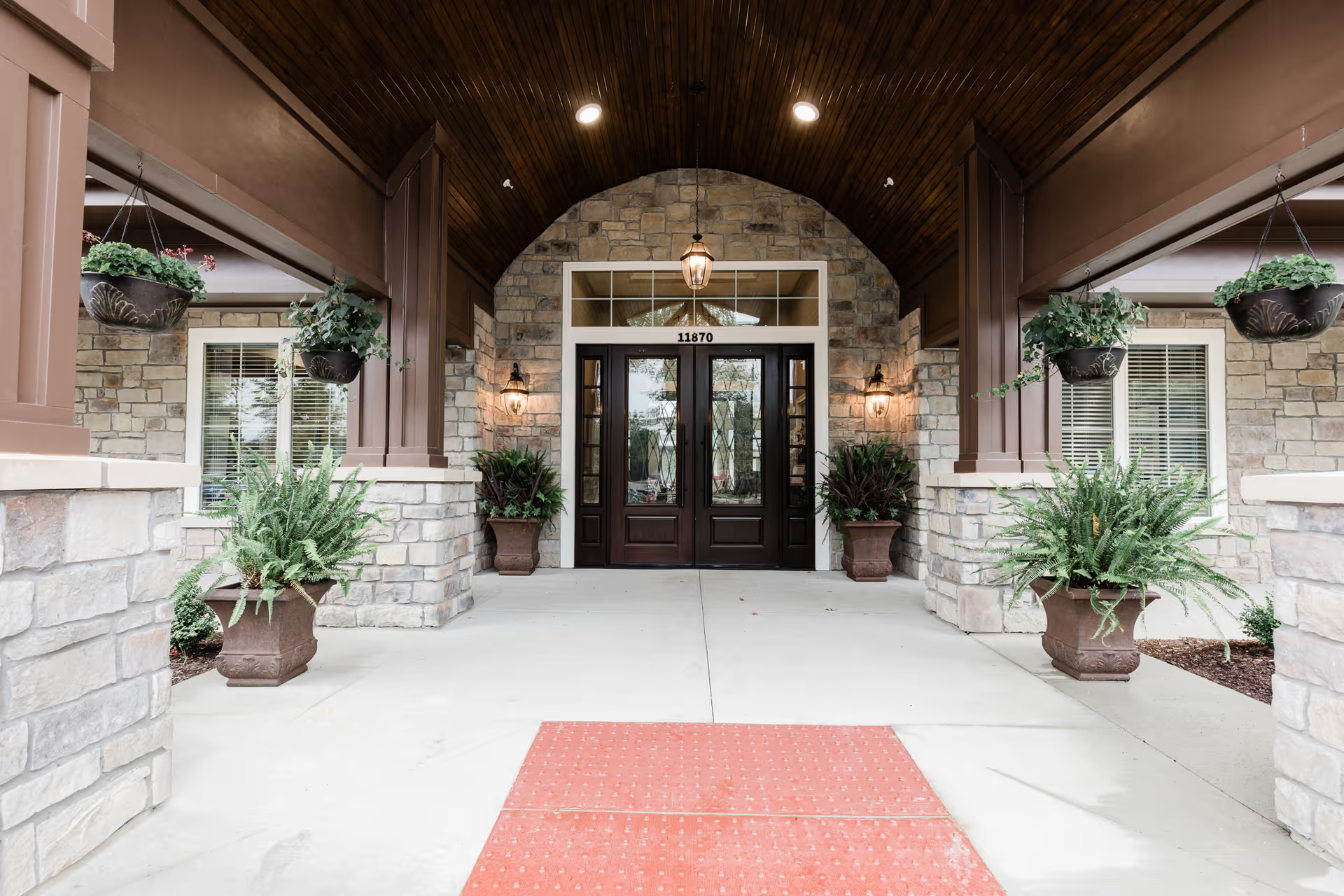
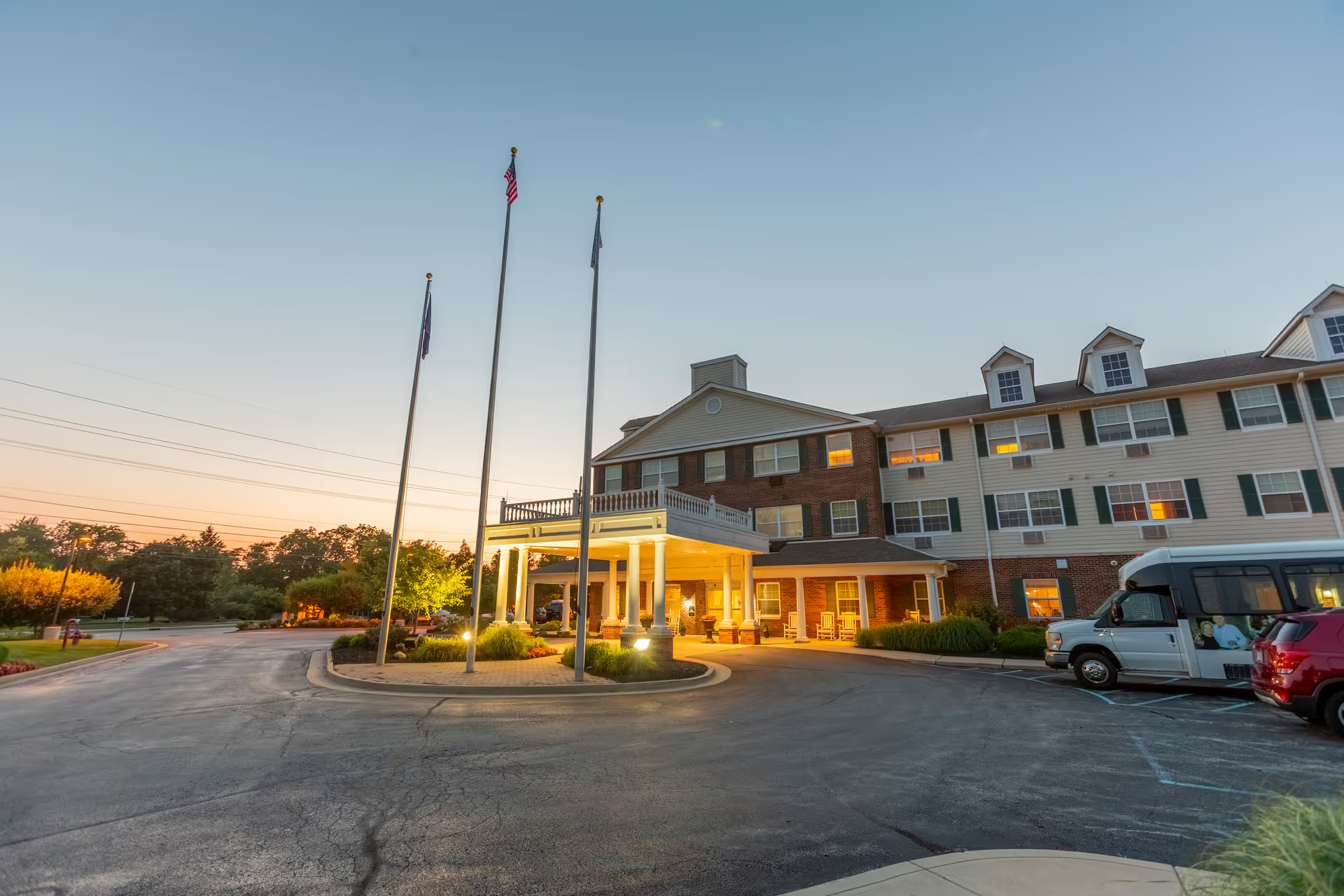
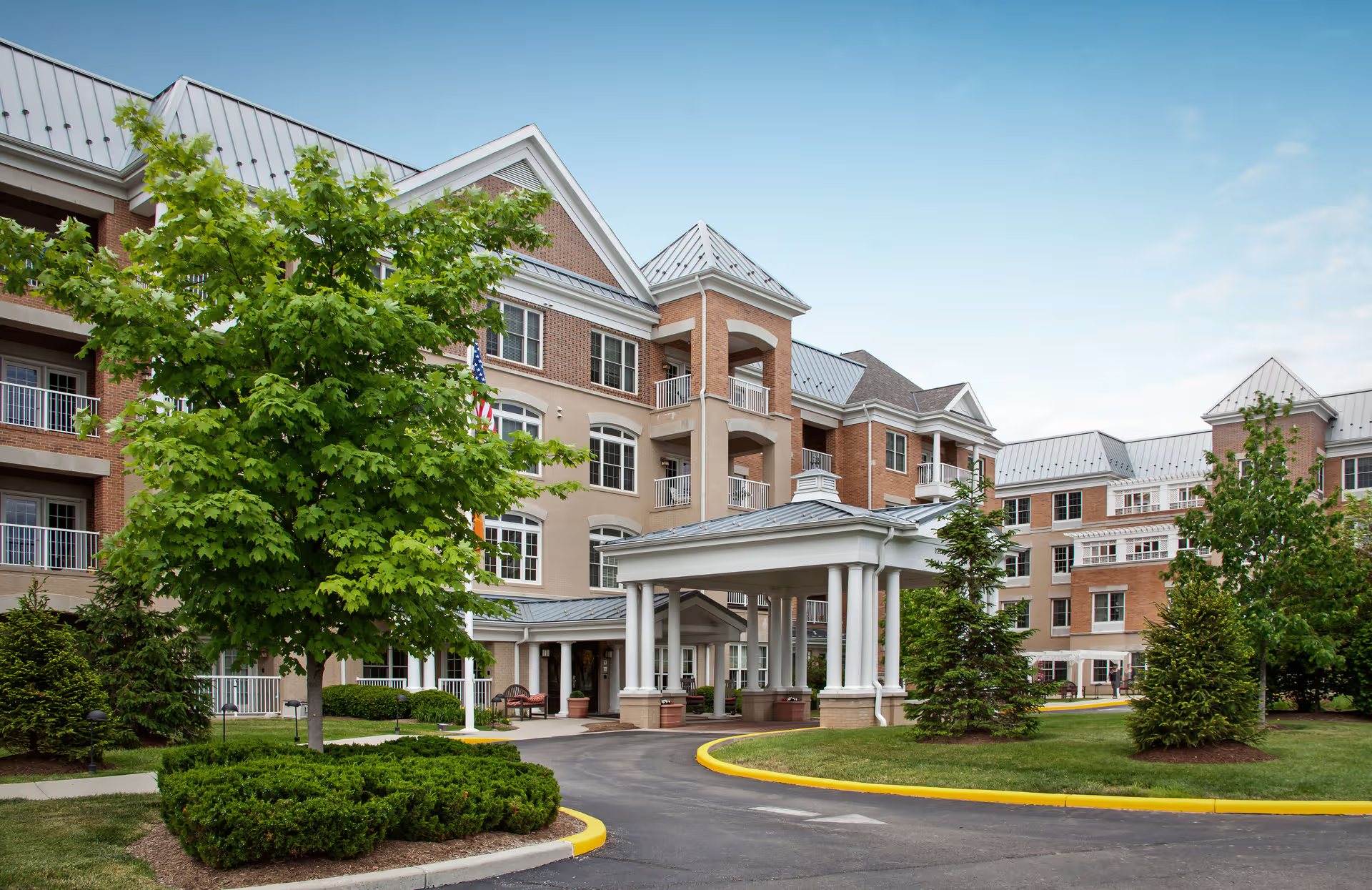
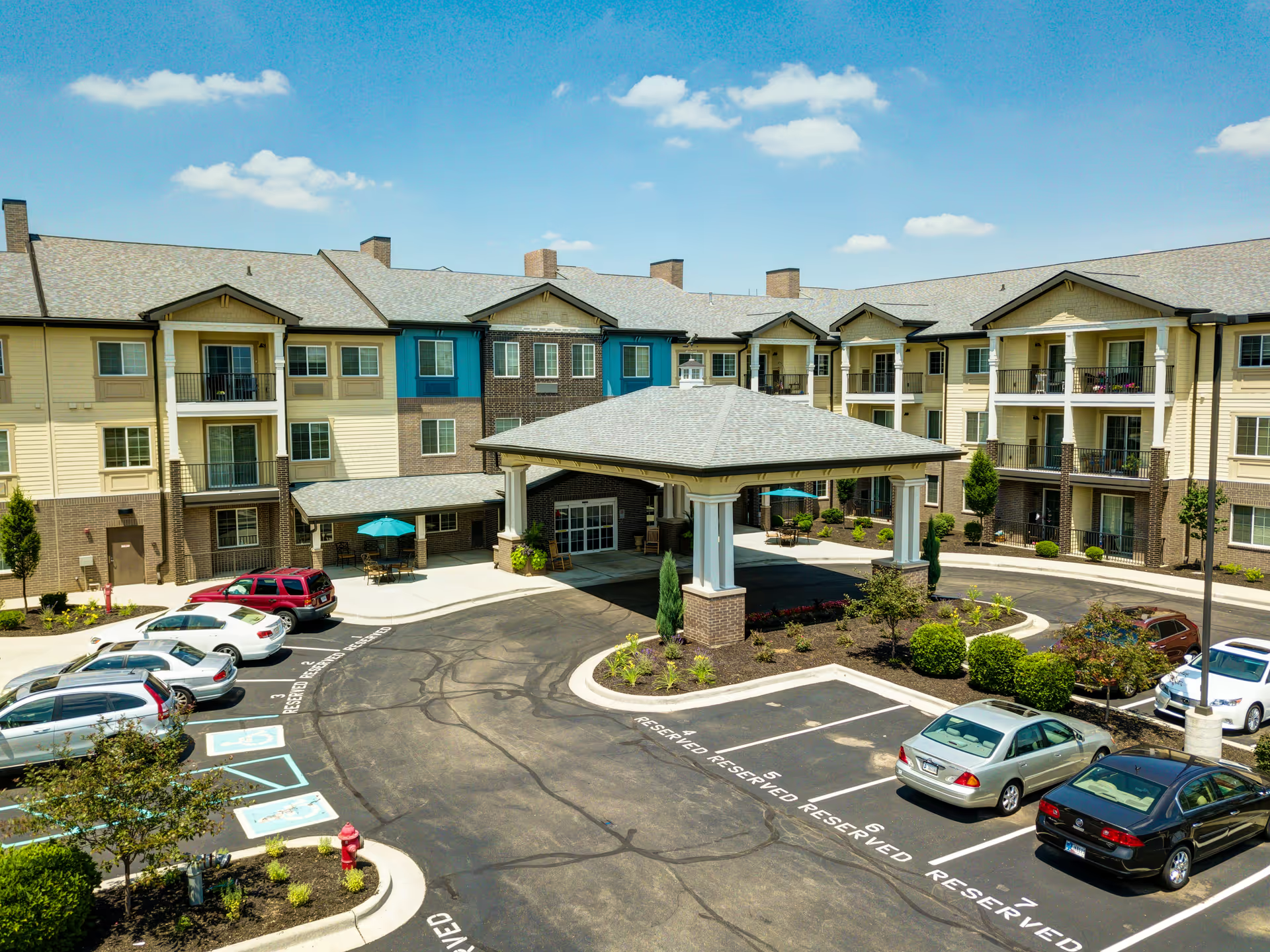
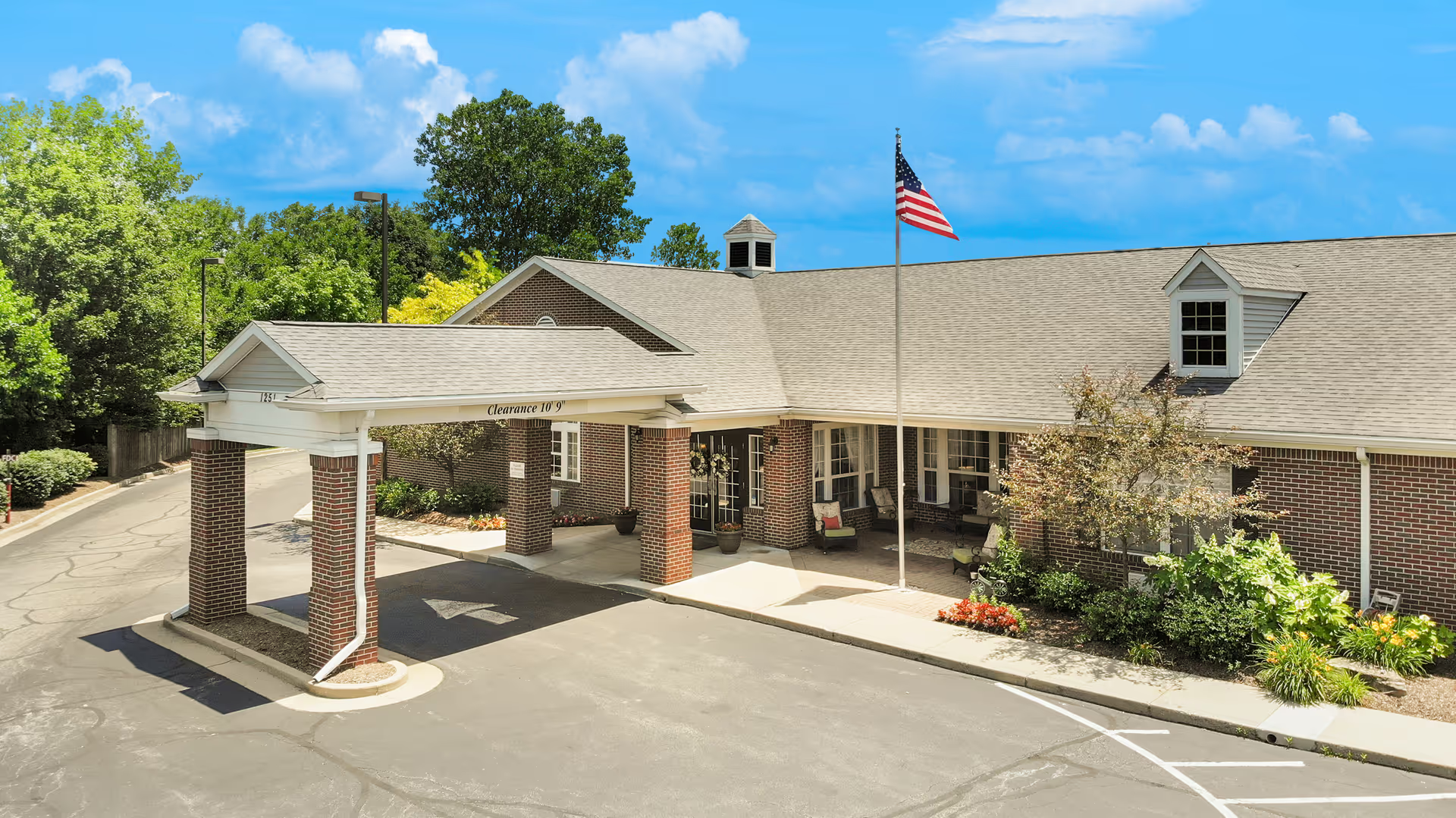
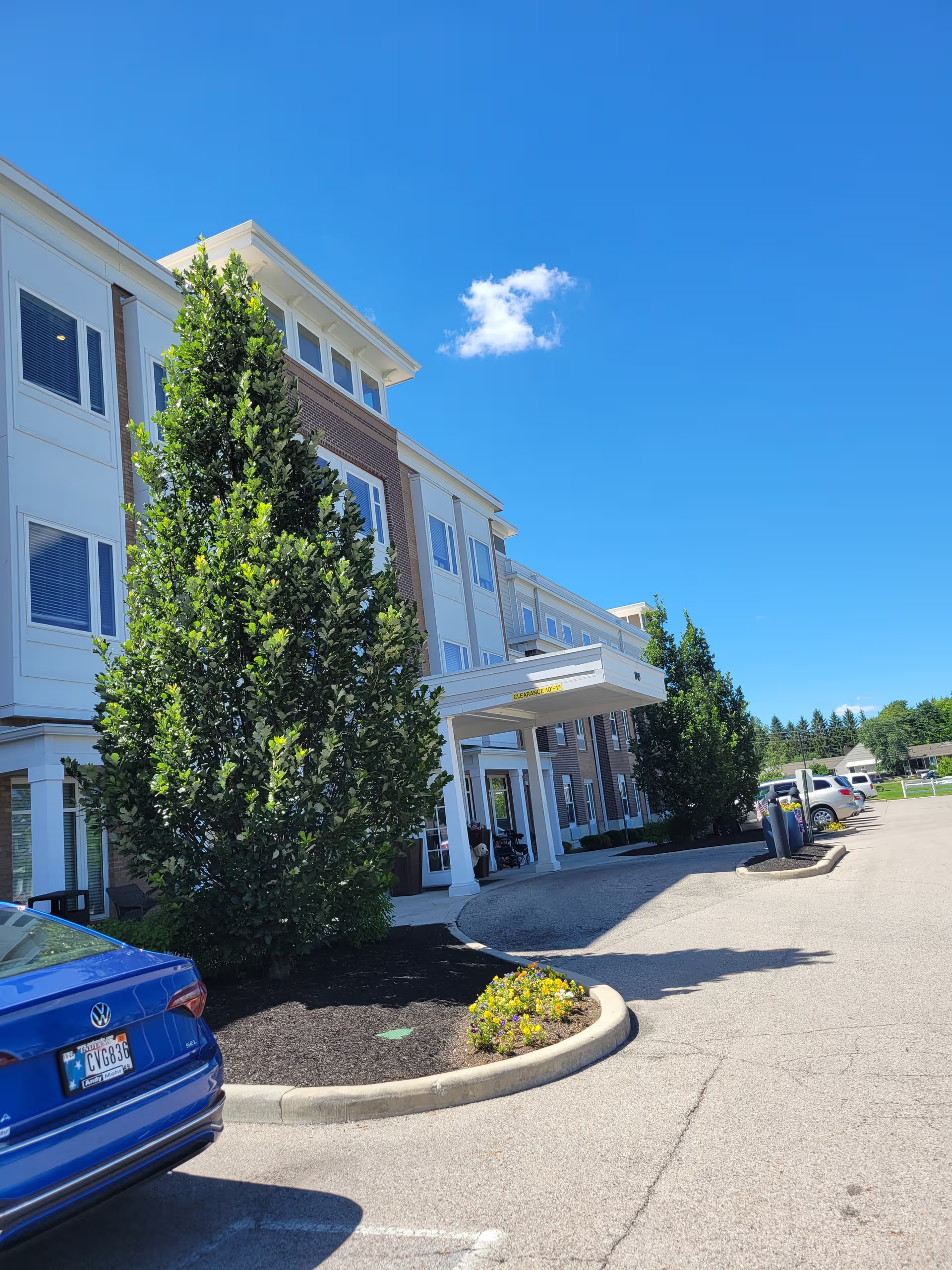
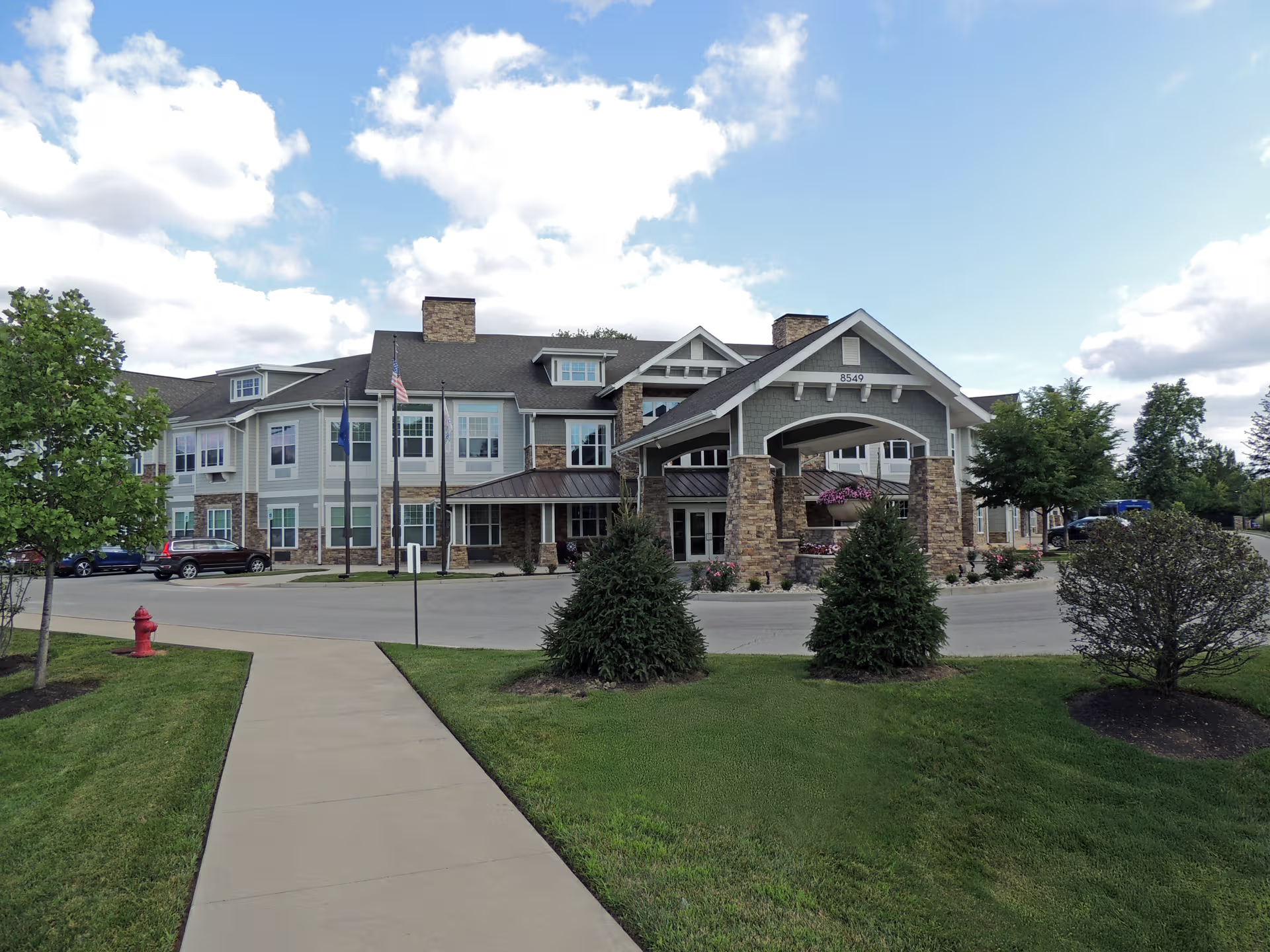
Facilities and amenities are frequently described as attractive and well maintained. Reviewers cite bright common areas, underground parking, cottages with garages, a library, salon, theater, and multiple dining venues. Leadership and management receive positive mentions for attention to detail, cleanliness, and proactive programming; numerous reviews name administrators and transition specialists as helpful and communicative. COVID-era infection-control practices were noted as robust in several comments.
Notwithstanding the many positives, there are recurring operational themes to probe during a visit. Cost and affordability are important considerations: the community is positioned as higher-end, and several reviewers flagged price as a limiting factor. Dining quality is highly praised overall but also described as inconsistent in some accounts, suggesting variability between meals or venues. Apartment availability and choice can be constrained at times, and the community’s size and activity level may feel crowded to residents who prefer a quieter setting. A few reviews point to variability in staff communication and interpersonal conduct; one serious allegation involving an injury during a transfer has been reported, which raises questions about transfer-safety practices and incident response. Finally, some families perceived a functional separation between independent living and assisted living that can affect integration of services and resident experience.
For prospective residents and families: Stratford’s strengths are clear in hospitality, rehabilitation services, social programming, and physical amenities. During a tour, ask targeted questions about staffing ratios, transfer and fall-prevention protocols, recent clinical incident handling and family communication, menu-sampling and meal variability, apartment availability, and the community’s pricing model. Those priorities will help determine whether the community’s upscale amenities and active social environment align with personal needs and budget constraints.