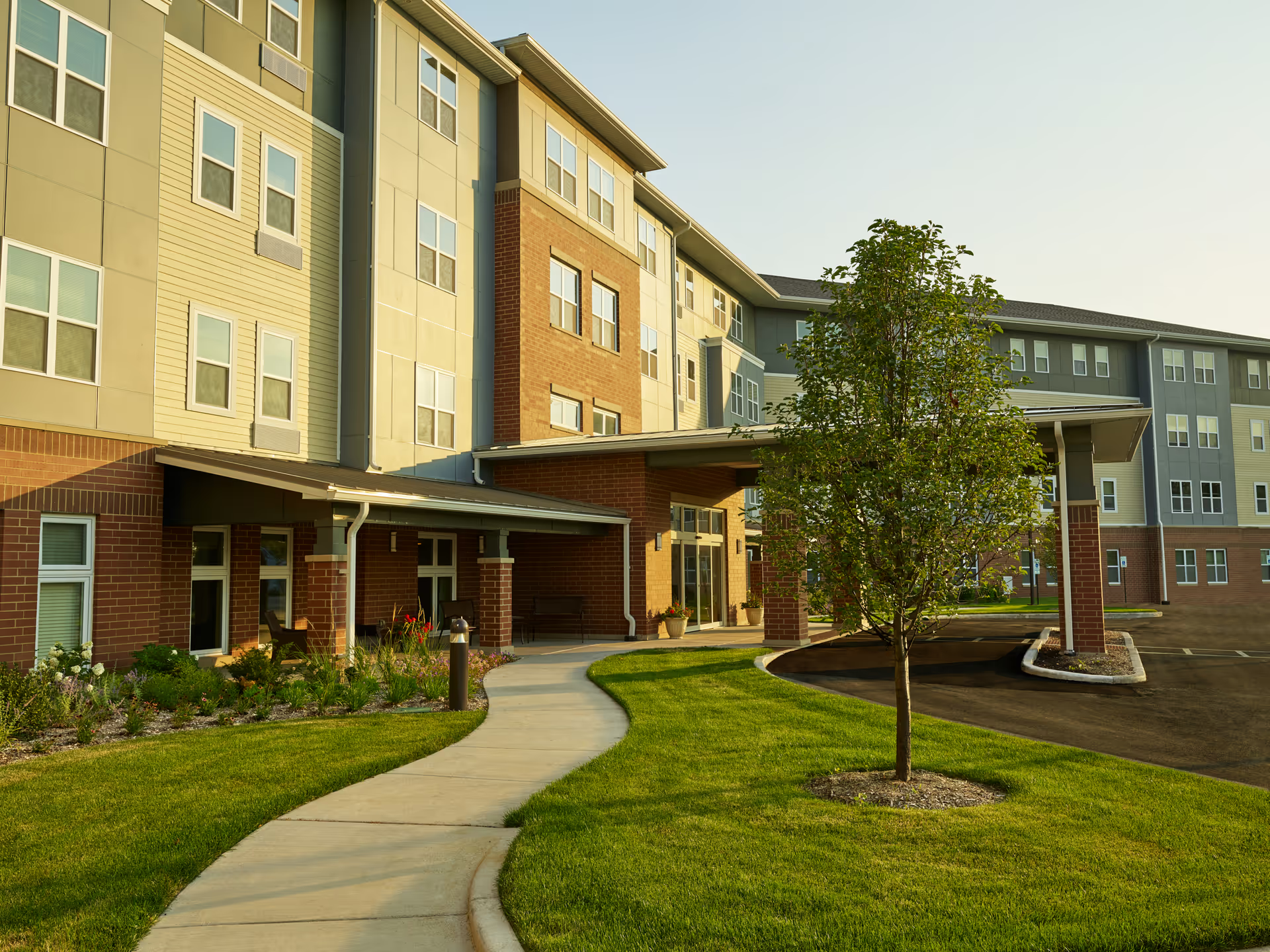
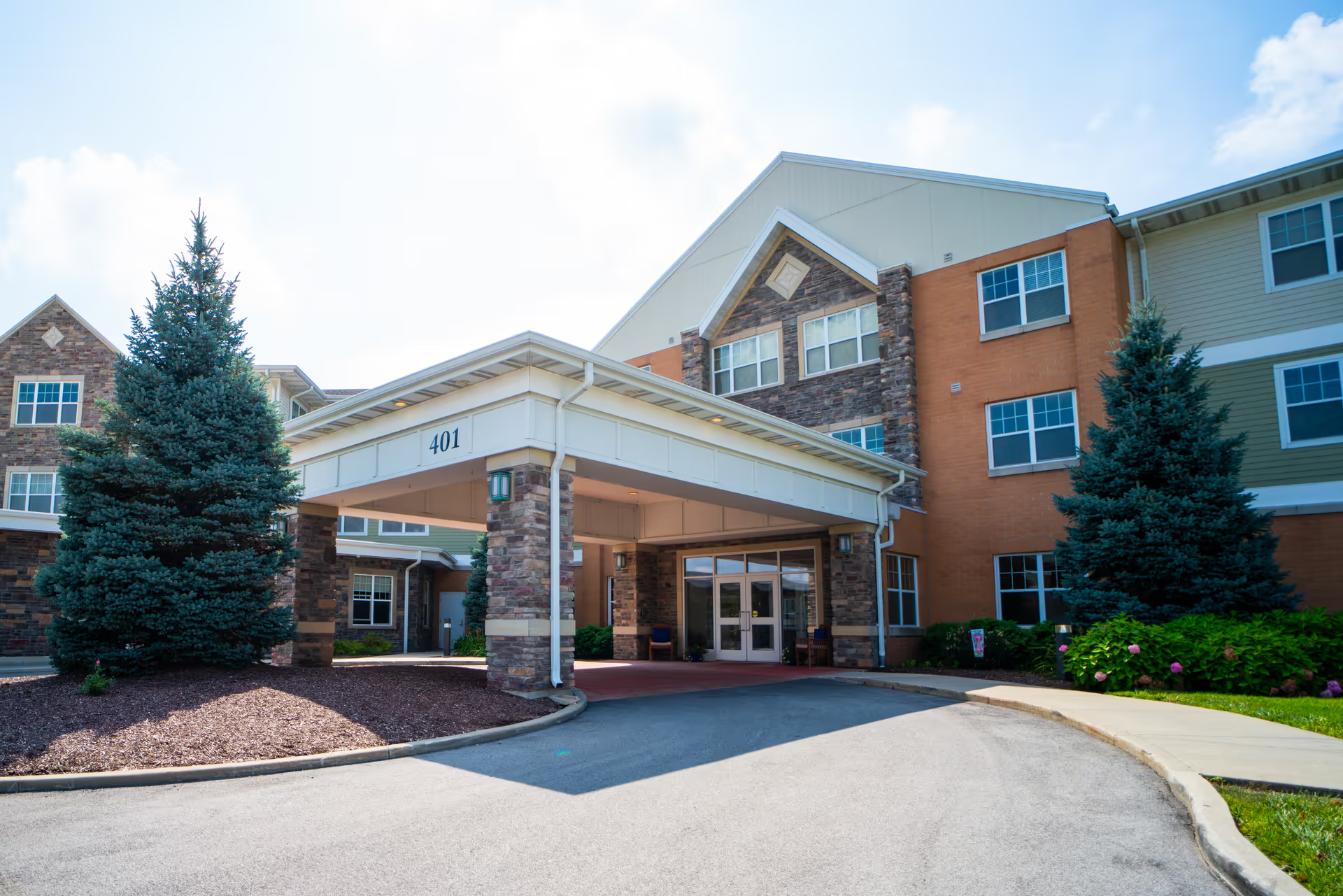
Reviews of Harbor Health & Rehab present a polarized picture: many families and discharges describe compassionate caregivers, effective therapy services, and a clean, bright environment, while other accounts raise serious operational concerns. Positive comments emphasize individualized attention from certain nurses, therapists and social-services staff; multiple reviewers praised the admissions process, supportive front‑line employees, and maintenance/environmental teams who keep common spaces well maintained. Activity programming and a welcoming atmosphere are recurring strengths for families seeking social engagement and rehabilitation progress for their loved ones.
Care quality and staff performance appear inconsistent. Several families recounted clear rehabilitation gains and attentive nursing, noting staff who went beyond expectations to promote mobility and independence. Conversely, other accounts indicate variability in responsiveness, missed routine clinical tasks (for example, delayed vital checks and assistance), and situations where front‑line staff demonstrated uncertainty in clinical duties. These patterns suggest uneven staffing levels and training across shifts, which contributes to unpredictable day‑to‑day experiences.
Dining, amenities, and facilities also exhibit mixed impressions. The facility’s common areas are frequently described as bright, updated, and well kept, and maintenance is regularly commended. At the same time, reviewers identified variability in room amenities and furnishing, including rooms that lack expected conveniences such as in‑room entertainment or bedside furniture. Dining service is experienced inconsistently—some families found meals acceptable and service adequate, while others described limitations in meal delivery and dining continuity. There are also mentions of odor concerns and pest‑control issues in particular areas, indicating uneven sanitation practices across the building.
Management and communication show both strengths and gaps. Multiple reviewers praised responsive administrators, an engaged admissions director, and clear follow‑up from social‑services staff. However, other families described poor communication, unprofessional interactions, and inadequate explanations after adverse events. Of particular note are isolated but serious allegations concerning medication management and clinical response following a resident decline; these concerns have been raised with oversight entities and underscore the importance of examining clinical‑oversight processes and incident reporting protocols.
Notable patterns are the pronounced variability across shifts, units, and individual staff members: the same facility is described as exemplary by some and problematic by others. For prospective residents and families, key areas to assess during a visit include current staffing ratios, training and supervision protocols, medication‑management oversight, sanitation and pest‑control practices, roommate assignment and safety procedures, and the consistency of dining and in‑room amenities. The facility demonstrates clear operational strengths in therapy, admissions, and environmental services, but the inconsistent execution of routine clinical and housekeeping tasks is a recurring operational weakness that potential residents should evaluate directly.