Reviewers describe a facility with a highly mixed profile: several reviewers emphasize strong, compassionate frontline caregivers and a clean, well-maintained environment, while others identify persistent operational weaknesses that affect resident care and family confidence. Experiences appear to vary by unit and over time, with clear examples of both consistently good care and notable service lapses.
Care quality: Clinical performance is uneven. Positive accounts highlight attentive nurses and aides who provide compassionate, hands-on care, particularly on specific units. Conversely, families report systemic care-process gaps including missed or delayed medication administrations and medication-administration errors, inconsistent personal-care and bathing practices, and restorative care duties that are sometimes not completed. Therapy services are described as friendly and supportive by some, but reviewers also question clinical competency for higher-intensity rehabilitation needs.
Staff: Staff demeanor and capability receive polarized feedback. Many reviewers praise courteous reception staff, individual caregivers, and a maintenance team that responds effectively. At the same time, concerns include high staff turnover, inconsistent training, variable skill levels across departments, and occasions of poor communication tone toward families. A small number of reviews raise concerns about staff impairment; such claims should be investigated directly with facility leadership and regulators if observed.
Dining and activities: Dining experiences are inconsistent. Some families describe satisfactory meal service and improvements over time; others report reduced quality, small portions, and inadequate presentation at times. The activities and administration departments draw criticism from reviewers who perceive weak coordination and engagement, though some residents experience a positive social atmosphere and friendly interactions.
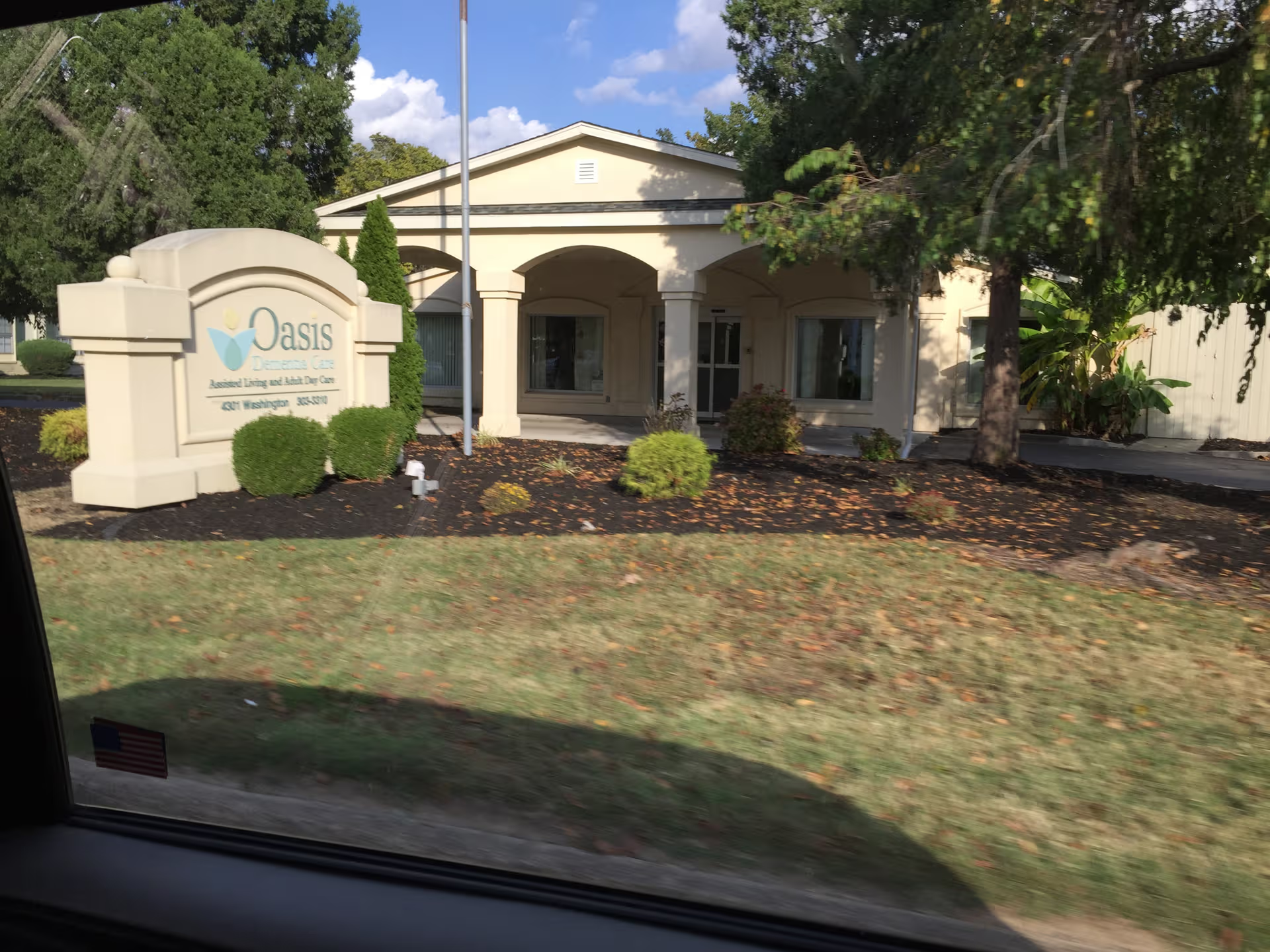
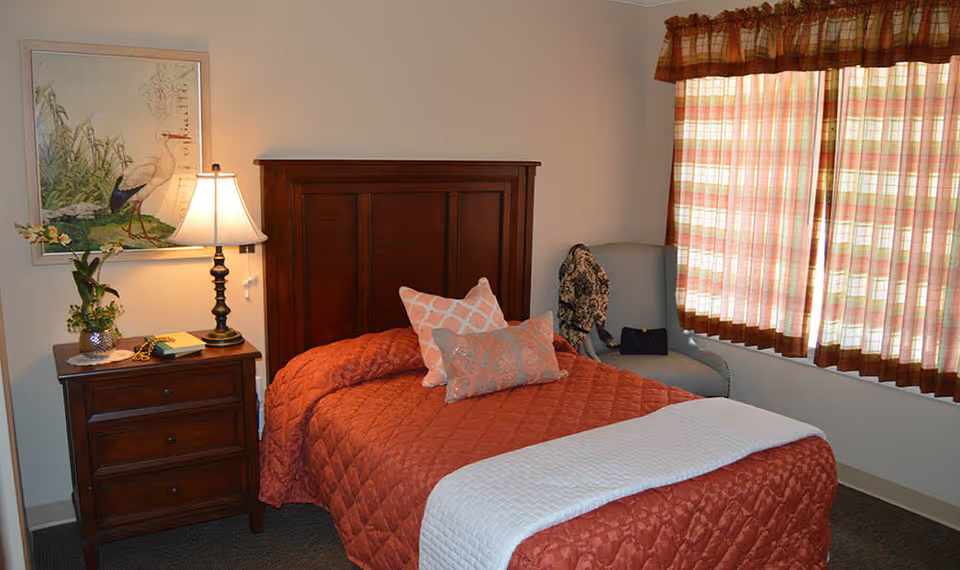
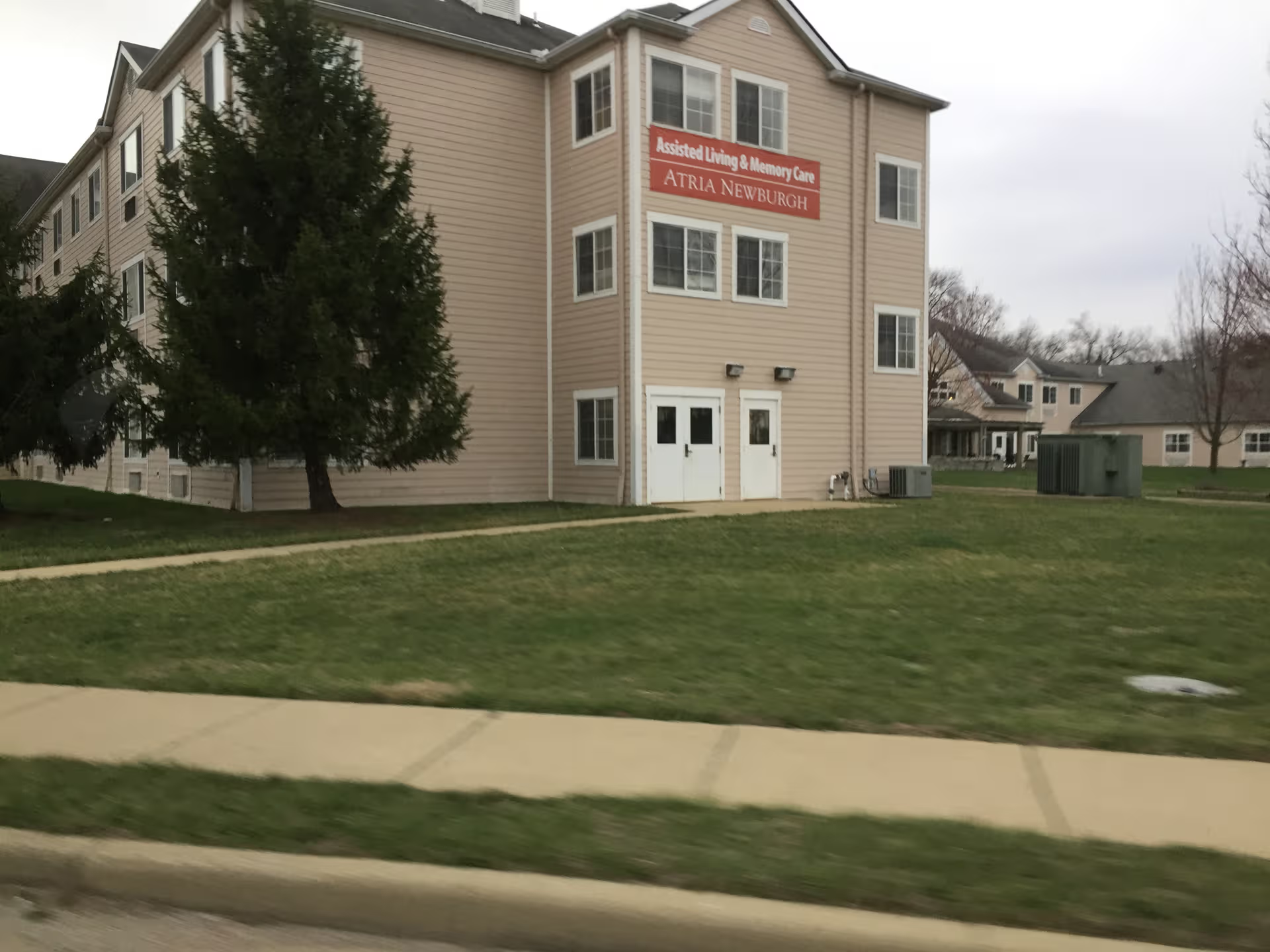
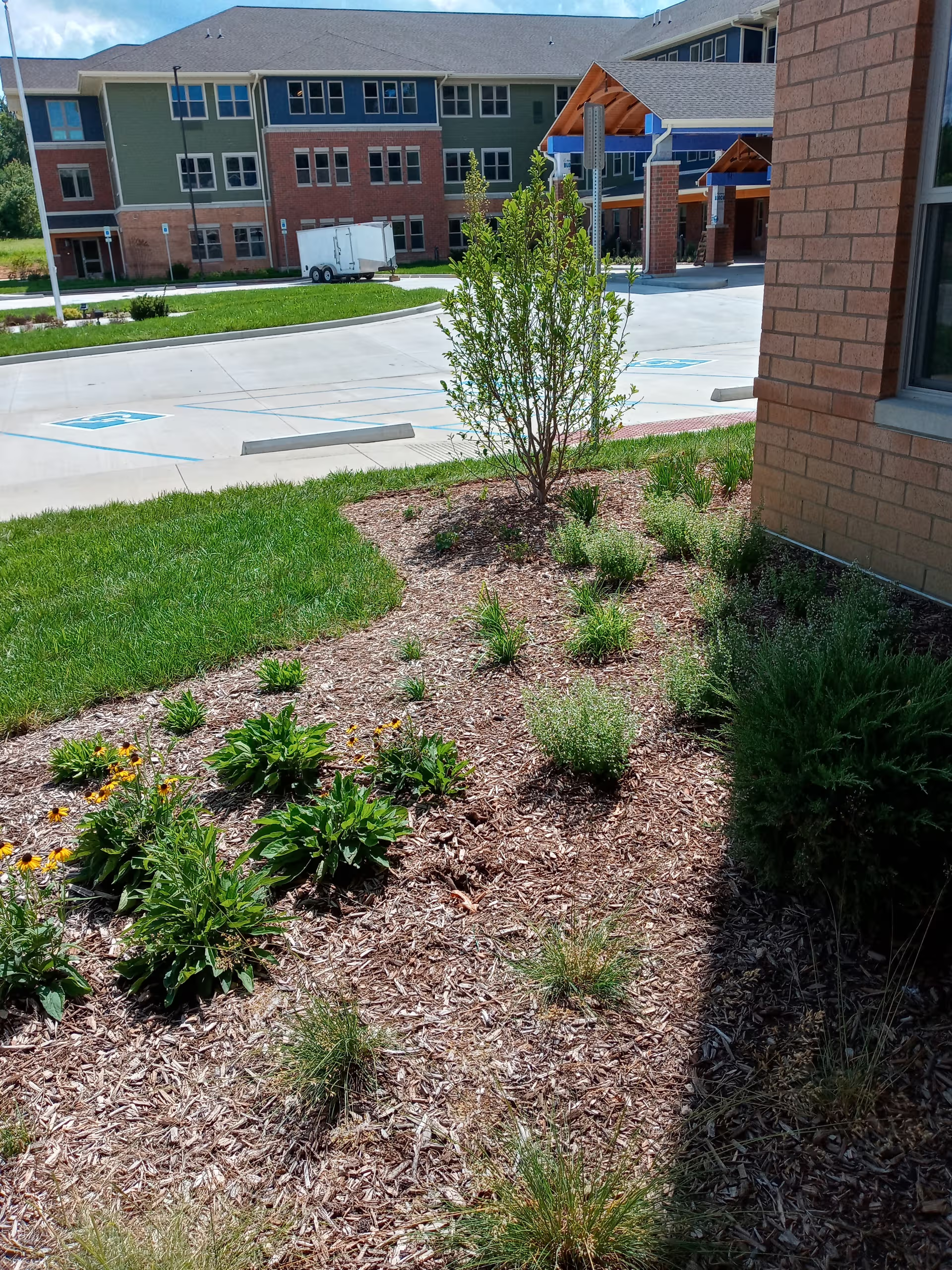
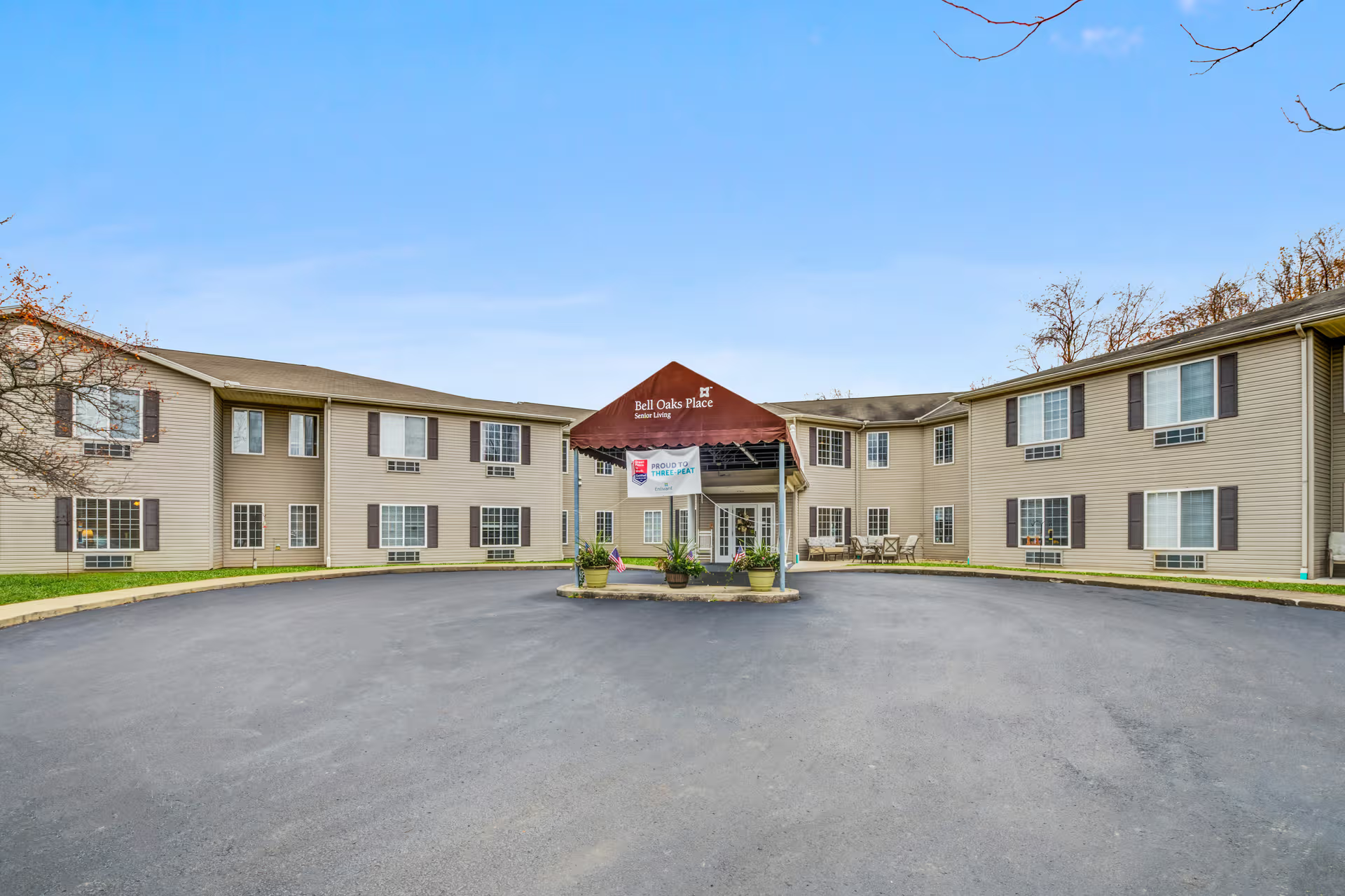
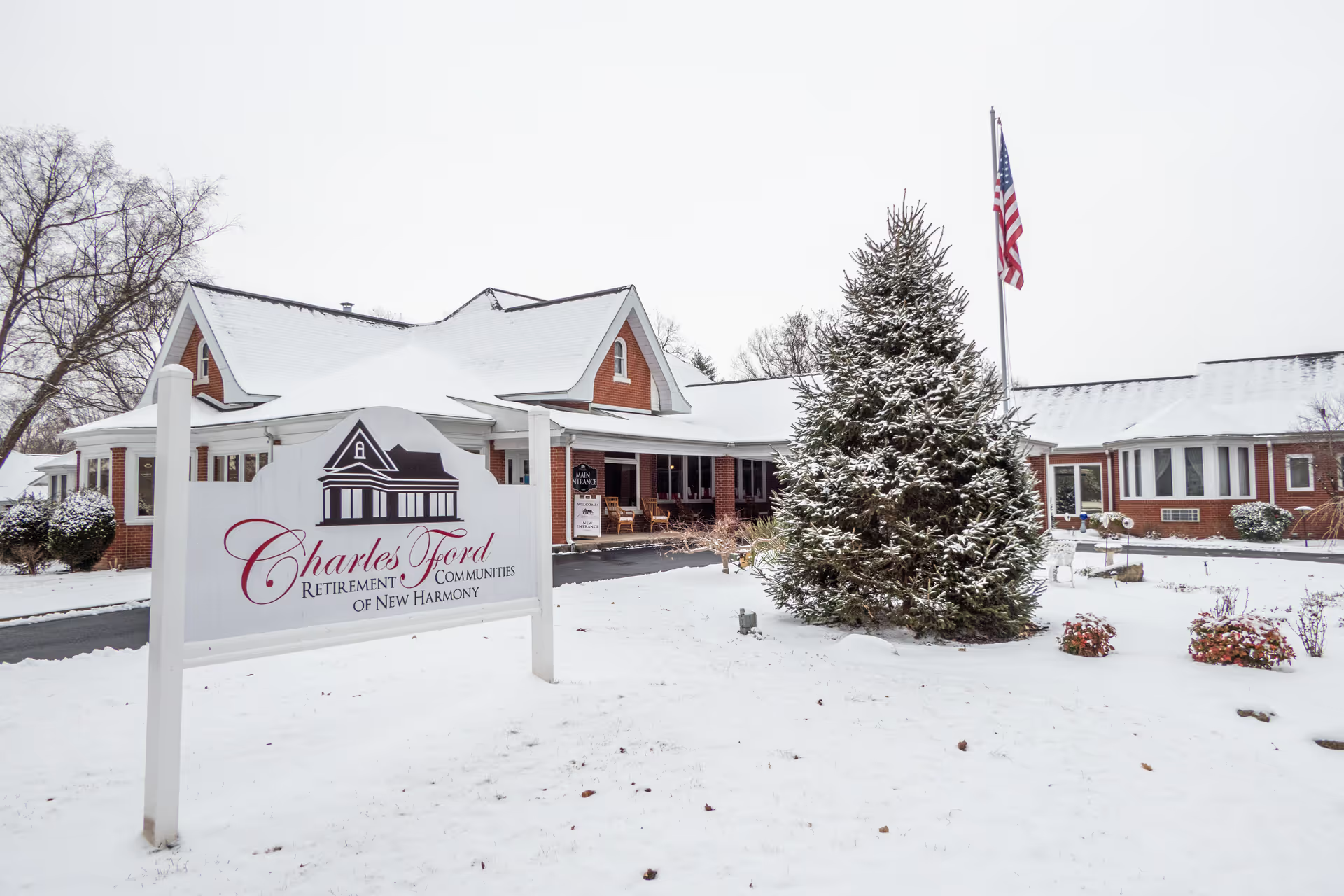
Facilities and maintenance: The physical plant is generally described as clean and well maintained, with helpful maintenance staff and tidy resident rooms. Simultaneously, the building shows signs of age — elevator reliability and door/closing noise are recurring nuisances — and reviewers cite instances where repairs were delayed for budgetary reasons, which had tangible effects on resident comfort. Sanitation and housekeeping are similarly inconsistent in a subset of reports.
Management and patterns: Management responsiveness and corporate oversight are inconsistent in these accounts. Some reviewers note active efforts by management and an overall improvement in service quality over time, while others describe promises that were not resolved, difficulty contacting corporate, and budget-driven operational choices that impacted resident comfort. A clear pattern is polarization: the same facility is characterized by glowing endorsements from some families and serious operational concerns from others. This variation suggests that quality may depend heavily on unit-level staffing, recent leadership attention, and time of stay.
Overall, prospective residents and families should weigh the demonstrated strengths — notably compassionate caregivers, an effective maintenance team, and clean living spaces — against recurring operational issues around medication management, staffing consistency, meal service, and administrative responsiveness. Direct inquiries about recent staffing ratios, medication-safety protocols, maintenance-response times, and unit-specific experiences can help clarify which aspects of care are consistent at the time of a visit.